Like
Share
멍실장
고양이 고혈압성 심장 질환 증상과 원인, 진단·치료와 관리 포인트 총정리

If Your Cat Suddenly Disappears — Causes of Hypertensive Heart Disease and When to Visit the Vet

HeartDiseasesMeongsiljang Veterinary Advisory Board

Feline hypertensive heart disease is a condition in which chronic high blood pressure places strain on the heart, leading to impaired cardiac function. Early detection and management are essential.

What Is Feline Hypertensive Heart Disease?
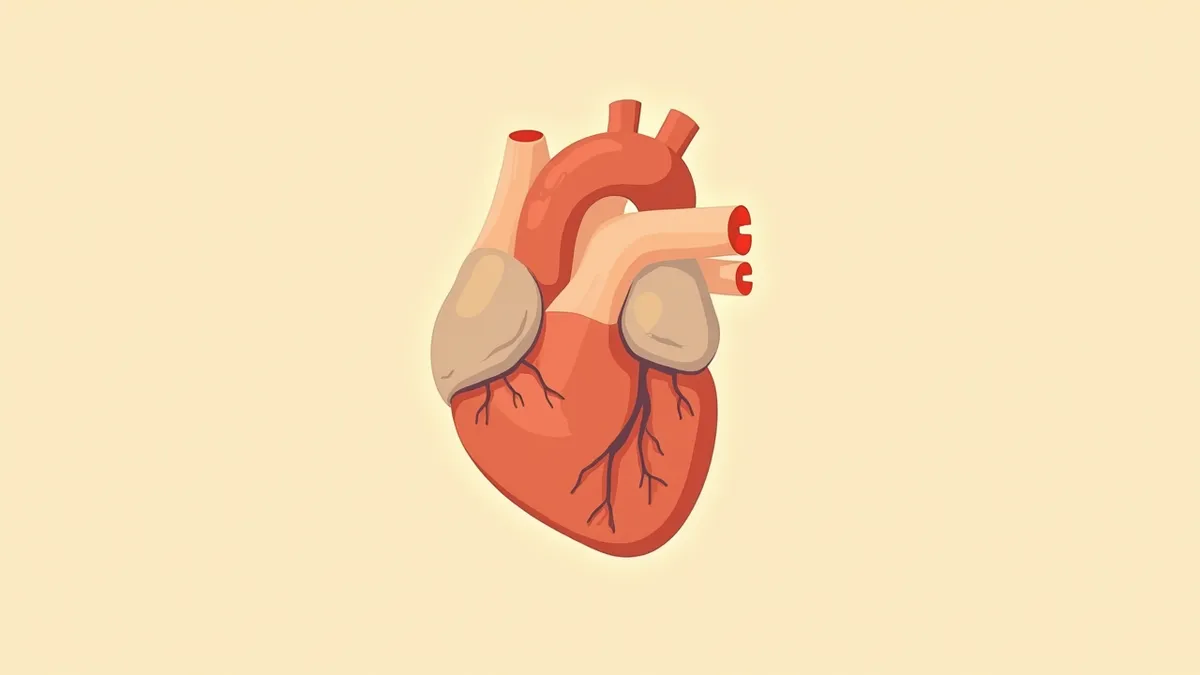
An anatomical image showing thickened heart muscle and enlarged heart structure due to hypertension
Feline hypertensive heart disease occurs when prolonged high blood pressure places excessive strain on the heart, causing the heart muscle to thicken and impairing its ability to contract and relax properly. As a result, the heart may fail to pump blood effectively, potentially leading to heart failure. This condition is particularly challenging because early stages often show few or no symptoms, making early detection difficult, yet it can progress rapidly. Persistent hypertension forces the heart to work harder to circulate blood, leading to cardiac muscle hypertrophy and eventual decline in heart function. Early diagnosis and consistent management are essential to maintaining your cat’s quality of life.

What Are the Main Causes?

When evaluating hypertension in cats, chronic kidney disease and hyperthyroidism are the primary underlying conditions to investigate. Hyperthyroidism, in particular, is a well-known cause of left ventricular hypertrophy; therefore, if thickening of the heart muscle is detected, it is essential to screen for and differentiate this condition. Persistent underlying diseases can elevate blood pressure, placing continuous strain on the heart and potentially leading to thickening of the left ventricular muscle. Furthermore, hypertension is more commonly diagnosed in cats aged six years and older, so older cats require particular attention. Identifying and managing the underlying cause is key to reducing cardiac burden, making early detection through regular health check-ups, blood pressure monitoring, and blood tests crucial. If blood pressure is not well controlled, structural changes in the heart may progress more rapidly.
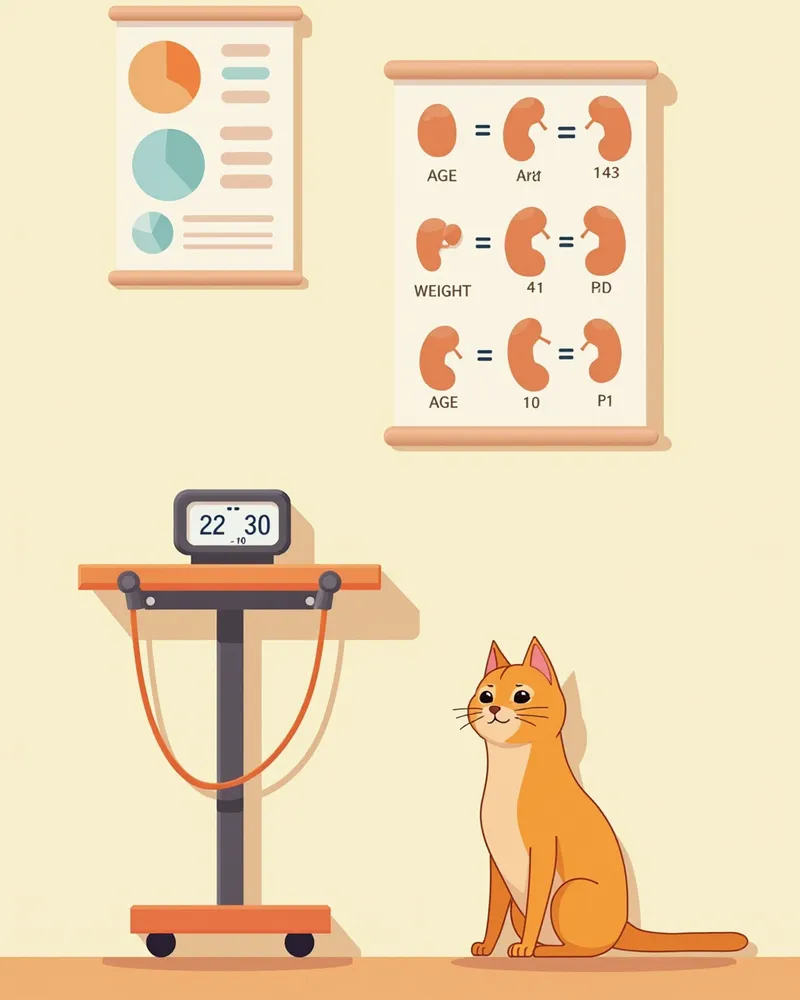
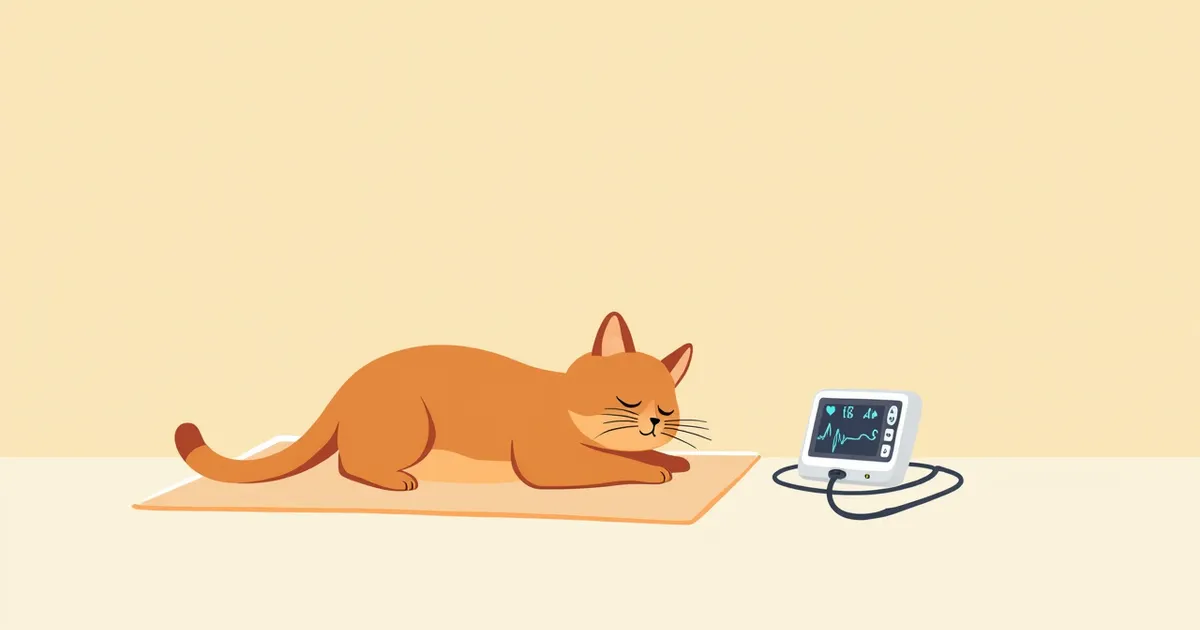
A cat sitting next to a scale and a blood pressure monitor, with a chart displaying age, weight, and kidney function indicators.

Main Symptoms and Signs

The early signs of hypertensive heart disease in cats are often subtle and easily overlooked. Moreover, the symptoms of feline heart disease are frequently vague and non-specific. However, as cardiac function declines, the following signs may appear:
Difficulty breathing: Rapid or labored breathing, even at rest, and open-mouth breathing.
Increased fatigue: Sleeping more than usual or showing little interest in play.
Respiratory symptoms: Fluid accumulation in the lungs (pulmonary edema) or in the chest cavity (pleural effusion), which can make breathing even more difficult.
Irregular heartbeat: A rapid heart rate or arrhythmia may occur.
Fainting or collapse: Reduced blood flow can lead to sudden collapse.
If you notice any of these symptoms, seek veterinary care immediately.
A cat lying collapsed, appearing to be short of breath, with its chest rapidly rising and falling.

Signs Requiring Immediate Veterinary Visit

If your cat suddenly collapses, shows severe difficulty breathing, or breathes with its mouth open (open-mouth breathing), it is a medical emergency. In particular, if fluid accumulates in the chest cavity, breathing can become acutely difficult, requiring immediate intervention. In such cases, contact your veterinarian without delay and begin transporting your cat to the clinic, as a rapid decline in heart function can be life-threatening.

Accurate Diagnostic Methods
Hypertensive heart disease in cats is accurately diagnosed through a combination of tests. - Blood pressure measurement: Accurate equipment and repeated readings are essential, and the procedure should be performed in a quiet environment to minimize stress. - Echocardiography: This allows for precise assessment of heart muscle thickness and contractile function. - Thoracic radiography (X-ray): Helps evaluate heart size and pulmonary blood circulation. - Blood tests: Used to assess kidney function and endocrine status, aiding in the identification of underlying causes. - Electrocardiogram (ECG): Checks for abnormal heart rhythms and serves as a supplementary tool to evaluate cardiac hypertrophy. A definitive diagnosis is made by comprehensively analyzing the results of all these tests.
A veterinarian using a Doppler blood pressure monitor on a cat’s leg, with a quiet examination room in the background.

Treatment Methods and Step-by-Step Management
Treatment focuses on controlling blood pressure and improving heart function. - Medication: ACE inhibitors or calcium channel blockers are commonly used, with dosages adjusted by your veterinarian based on your cat’s weight and condition. - Treating underlying causes: Concurrent treatment of underlying conditions, such as kidney disease or hyperthyroidism, is essential. - Lifestyle adjustments: Reduce stress for your cat and encourage regular meals and exercise. - Regular check-ups: Monitor blood pressure and heart function every 3 to 6 months to track any changes. - Activity management: As heart function improves, gradually increase activity levels, but avoid excessive exercise. Consistent care is key to slowing disease progression.
A veterinarian administering medication to a cat, with a medicine bottle and a check-up schedule visible in the image.

Management Points at Home

For cats with hypertensive heart disease, daily care is the cornerstone of treatment. Please be sure to follow these guidelines:
Monitor resting respiratory rate: While blood pressure is most accurately measured at the clinic, we recommend counting your cat’s breaths per minute while they are resting comfortably at home to track any changes. This allows you to detect worsening conditions early while minimizing the stress of frequent vet visits.
Adhere to medication schedules: Do not miss any doses, and ensure your cat receives their medication at the prescribed times.
Dietary management: Use the food recommended by your veterinarian and finalize your cat’s diet plan in consultation with them.
Minimize stress: Maintain a quiet environment and prevent conflicts with other animals. Cats are particularly prone to stress during veterinary examinations and procedures.
Regulate activity: Avoid excessive exercise and limit play to gentle, comfortable activities.
Consistent adherence to these care practices is essential for them to be effective.
A cozy space where a cat can comfortably lie down, with a view of the scenery outside the window.

Breed-Specific Precautions and Prevention of Recurrence

Feline hypertension is more closely linked to age than to specific breeds. It is particularly common in senior cats aged six years and older, so regular blood pressure screenings are recommended as cats grow older. The risk also increases in cats with underlying conditions such as chronic kidney disease or hyperthyroidism. Even when symptoms stabilize, do not discontinue treatment without veterinary guidance; instead, schedule check-ups every three months and maintain consistent management to help prevent recurrence and worsening of the condition.

Reviewed by a veterinarian

Dr. Tony — Punnawat Phongkittirak

Dr. Tony — Punnawat Phongkittirak

Veterinarian

A veterinarian who majored in veterinary medicine at Khon Kaen University, Thailand, and completed the IVSA program at North Carolina State University in the United States. Drawing on clinical experience at animal hospitals, he works in the pet healthcare field and is dedicated to building a digital care environment that connects pet parents with veterinarians.

Frequently Asked Questions

Can hypertensive heart disease in cats be cured?
While a complete cure may be difficult, appropriate treatment and management can stabilize symptoms and maintain quality of life. Early detection is key.
Can blood pressure medication cause side effects?
Some cats may experience vomiting or a decreased appetite. However, most tolerate the treatment well, and your veterinarian can adjust the medication to minimize side effects.
Can you measure blood pressure at home?
Blood pressure measurement requires specialized equipment and a quiet environment, so it’s most accurate when performed at a veterinary clinic. At home, it’s recommended to monitor your cat’s respiratory rate by counting breaths per minute while they’re resting comfortably, and to observe any changes. It’s best to learn the proper measurement technique from your veterinarian.
Can high blood pressure damage the heart?
Chronic high blood pressure can thicken the heart muscle, eventually leading to decreased heart function and heart failure. Early management is crucial.
If my cat has heart disease, can other conditions develop at the same time?
Yes, high blood pressure often occurs alongside kidney disease, eye conditions (such as retinopathy), and stroke or encephalopathy. Comprehensive, whole-body management is essential.

Share

Related Guides

References

[1] The Cat, Clinical Medicine and Management, 2nd Edition. 2023. Chapter 12: Hypertension and Cardiovascular Disease.

[2] Brown SA, Henik RA. Diagnosis and treatment of systemic hypertension in cats. Vet Clin North Am Small Anim Pract. 1998;28(6):1481–1494.

[3] Sansom J, Barnsley J, Wood JL. Blood pressure assessment in healthy and hypertensive cats. J Feline Med Surg. 2005;7(2):103–112.

This information is based on veterinary literature and does not replace diagnosis or treatment. Please consult a veterinarian for specific health concerns.

Metapet Co., Ltd. | CEO: Park Sung-yong | Business Reg. No. 417-88-02562 | Seoul, South Korea | Customer Center

Feline Hypertensive Heart Disease: Causes & When to See a Vet | Meongsiljang