Like
Share
멍실장
강아지 수신증 증상과 원인, 진단·치료와 관리 포인트 총정리

Canine Hydronephrosis: Symptoms, Causes, Diagnosis, Treatment, and Management Essentials

UrinaryDiseasesMeongsiljang Veterinary Advisory Board

Canine hydronephrosis is a condition in which urine backs up and causes the kidneys to swell, making early detection crucial. The causes can vary, including urinary tract obstruction, congenital abnormalities, and infections, so a thorough diagnosis by a veterinarian is essential.

What is Canine Hydronephrosis?
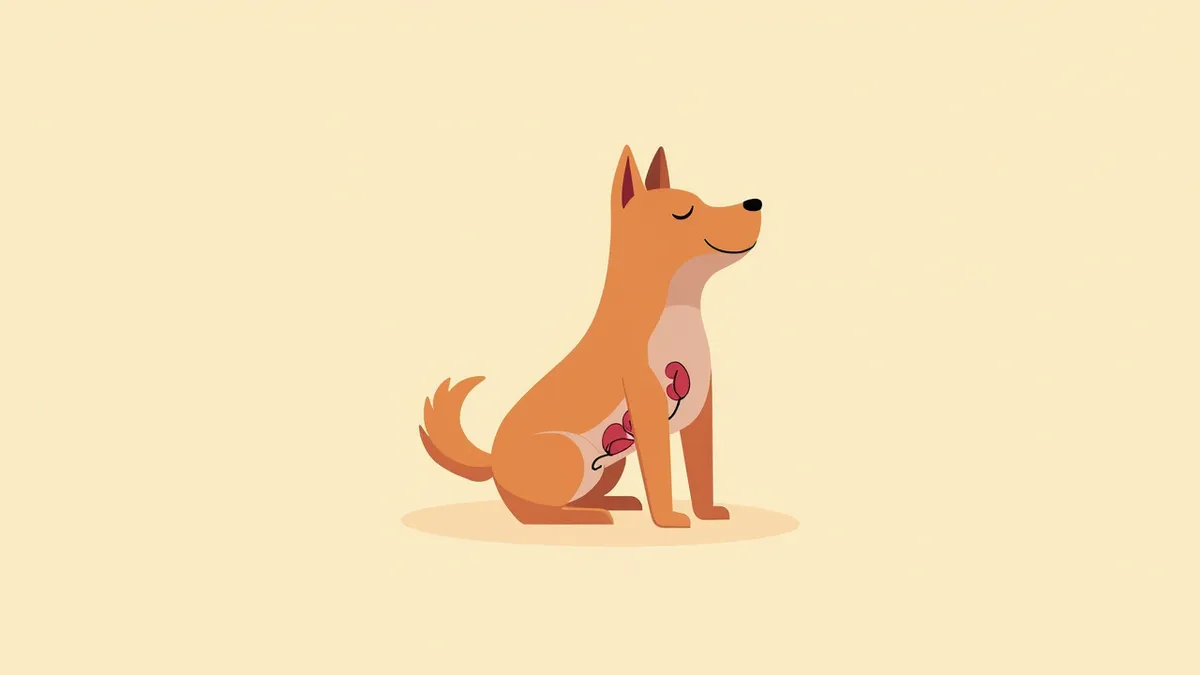
An anatomical diagram illustrating the normal and obstructed states of a dog’s urinary tract and kidneys.
Canine hydronephrosis is a condition in which urine backs up and accumulates in the kidney due to urinary tract obstruction, causing the kidney to swell. This pressure can damage kidney tissue and impair function. Because this condition can lead to progressive kidney damage, early detection is key to improving treatment success. Common causes include urinary tract obstruction, congenital abnormalities, infections, urinary stones, and tumors. - Kidney function impairment: When urine flow is restricted, the resulting pressure on the kidney can gradually reduce its function. - Importance of early detection: Early symptoms may be subtle, but prompt diagnosis is crucial for effective treatment. - Diverse causes: In addition to obstruction, inflammation and vascular abnormalities can also contribute. A thorough veterinary examination is necessary to accurately identify the underlying cause.

What are the Main Causes of Hydronephrosis?
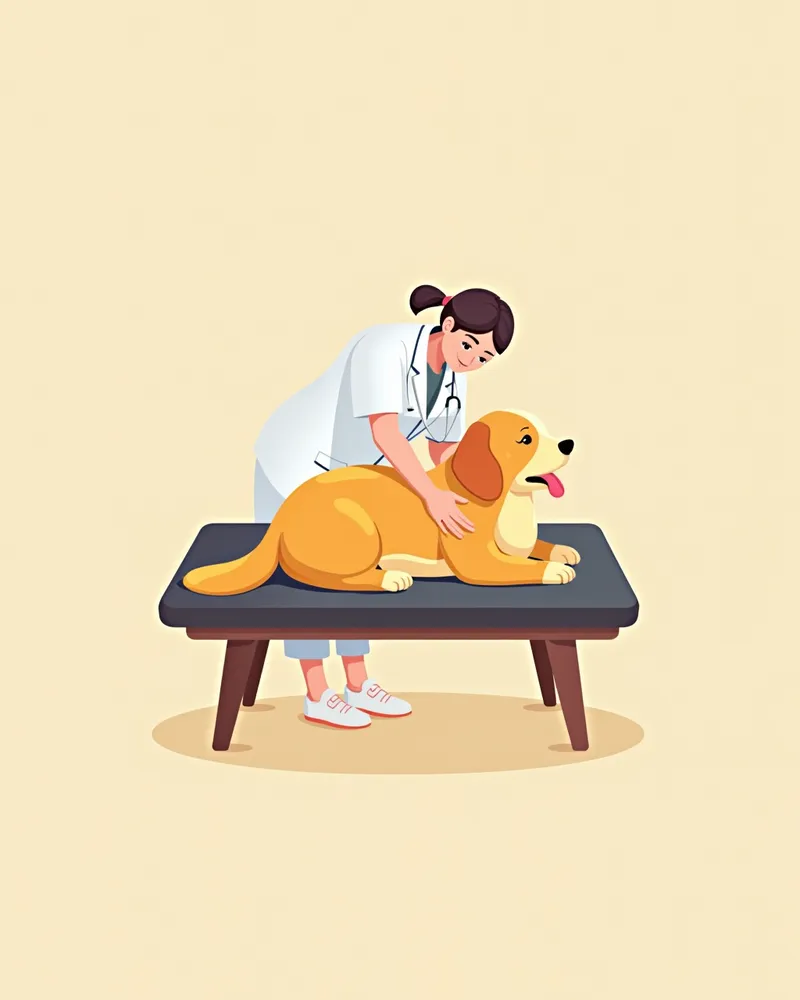
There are several potential causes of hydronephrosis in dogs. - Urinary tract obstruction: Stones, tumors, vascular compression, and trauma are among the primary causes. - Congenital abnormalities: If the ureter is abnormally short or kinked, it can make urine drainage difficult. - Infection and inflammation: Inflammation in the urinary tract can cause tissue swelling, leading to blockage. - Vascular abnormalities: Vascular issues that impede blood flow to the kidneys can also be a contributing factor. - Other factors: Advanced age, certain breeds, and insufficient water intake are also risk factors. To determine the exact cause, your veterinarian will perform diagnostic tests such as ultrasound and blood work.
A veterinarian gently palpates a puppy’s abdomen, suspecting hydronephrosis.

Checklist of Main Symptoms of Hydronephrosis

Hydronephrosis in dogs may present with only mild symptoms in its early stages, but you should carefully watch for the following signs:
Abdominal swelling: The area around the kidneys becomes swollen and feels firm to the touch.
Frequent urination or difficulty urinating: Your dog drinks water frequently but produces little to no urine.
Vomiting and loss of appetite: These are systemic symptoms caused by the buildup of toxic substances in the body due to declining kidney function.
Fatigue and lethargy: Your dog remains inactive throughout the day, with a sudden and significant drop in activity levels.
Hematuria: Blood may appear in the urine.
If these symptoms persist, immediate veterinary attention is required.
A photo showing a dog's urine mixed with blood.

Emergency Signs Requiring Immediate Veterinary Visit

If your dog suddenly shows signs of severe abdominal pain, experiences repeated vomiting, or appears lethargic and disoriented, seek veterinary care immediately. These symptoms may indicate a rapid decline in kidney function or a buildup of toxins in the bloodstream. Prompt professional treatment is essential, as surgery or emergency drainage may be required.

Diagnostic Tests for Accurate Diagnosis
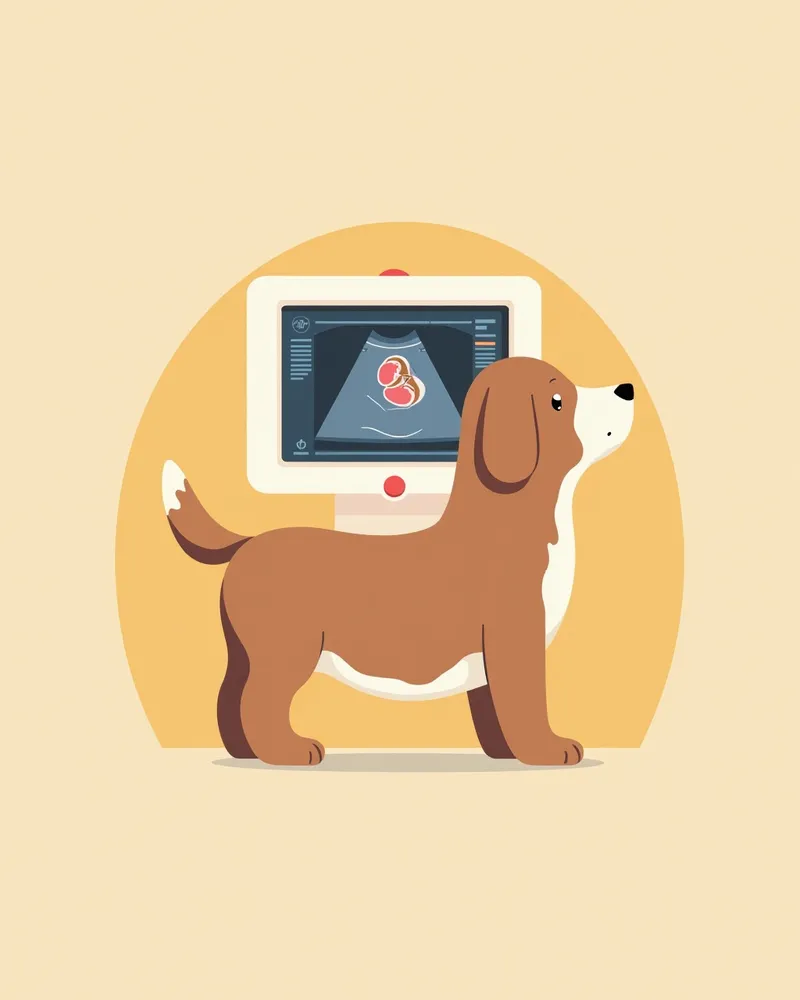
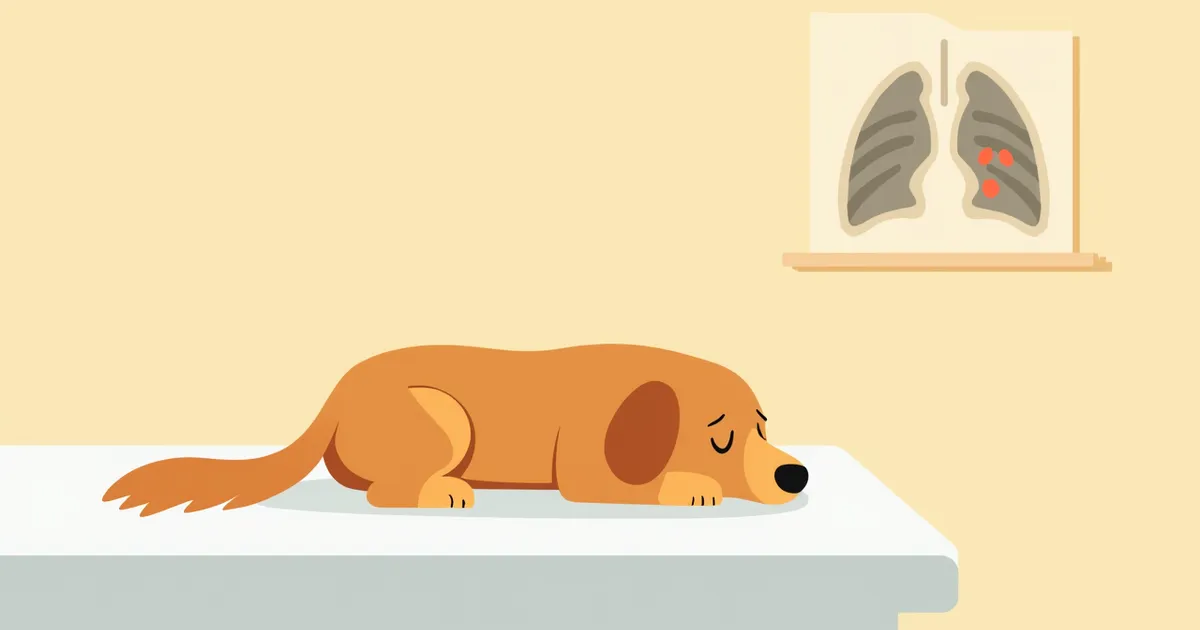
Diagnosing hydronephrosis is difficult with simple tests alone and requires a combination of several diagnostic procedures. Ultrasound imaging allows for an accurate assessment of kidney size and the presence of internal fluid. Blood tests measure kidney function indicators such as creatinine and BUN levels, while urinalysis evaluates for infection and protein leakage. If necessary, CT or MRI scans may also be used to precisely identify the location of any urinary tract obstruction.
A veterinarian examining a puppy's abdomen with an ultrasound.

Treatment Methods: Step-by-Step Approach

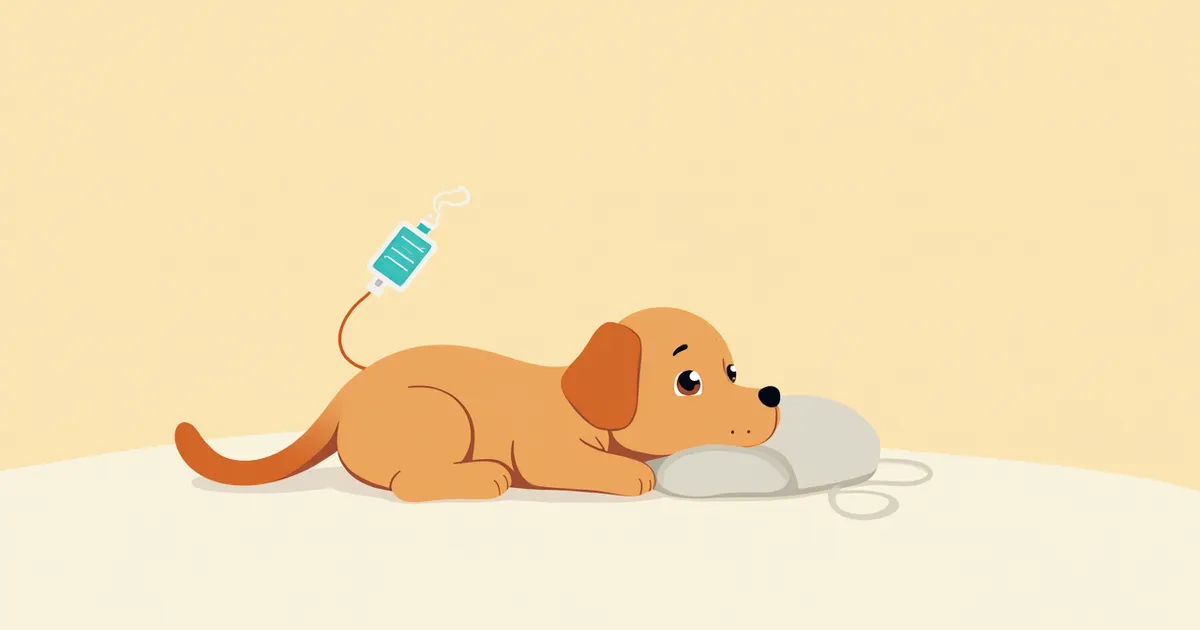
Treatment for hydronephrosis varies depending on the underlying cause. First, supportive care is needed to relieve pain and maintain hydration. If an obstruction is confirmed, a stent may be placed in the ureter, or surgery may be performed to remove the blockage. If stones are the cause, they can be removed via endoscopy or surgery. If an infection is present, antibiotics are administered, and if kidney function is impaired, supportive medications are used. Regular follow-up examinations are essential even after treatment.
A veterinarian performing surgery to insert a stent into a puppy’s ureter

Home Care and Precautions

Consistent care remains essential even after treatment. - Ensure adequate water intake: Make sure your pet drinks enough water daily. Proper hydration promotes smooth urine output. - Dietary management: Strictly follow the diet plan prescribed by your veterinarian. Avoid foods high in protein and salt. - Adhere to medication schedules: Administer medications exactly as scheduled without missing doses. Stopping treatment prematurely increases the risk of recurrence. - Monitor urination patterns: Closely observe whether your pet is urinating frequently or showing signs of discomfort during urination. - Regular check-ups: Visit the clinic every 3 to 6 months to monitor kidney function. Contact your veterinarian immediately if you notice any abnormal symptoms.
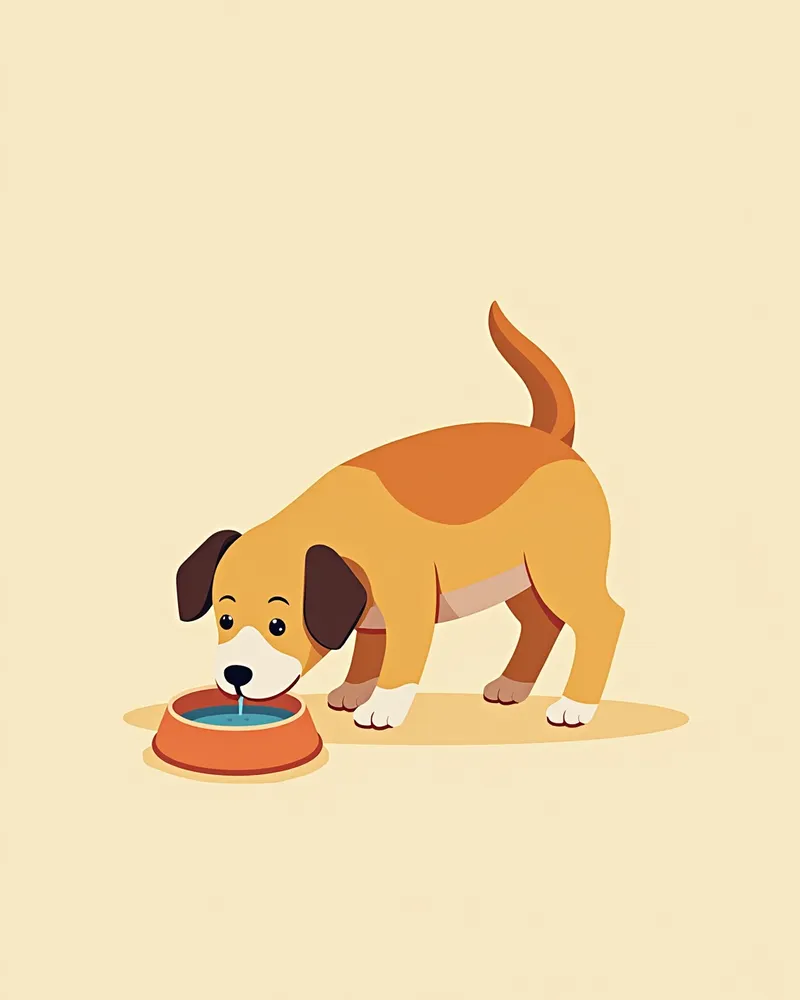
A puppy drinking water and eating kidney health food recommended by a veterinarian.

Preventing Recurrence and Breed-Specific Considerations

Some dogs are at a relatively higher risk of developing hydronephrosis due to congenital urinary tract abnormalities, recurrent urinary stones or infections, or tumors. However, it is difficult to definitively state that specific breeds are inherently at greater risk; therefore, it is safer to assess each dog based on their individual medical history and typical urination patterns rather than their breed alone. For this reason, regular check-ups and early detection are paramount. Additionally, avoid habits that involve prolonged urine retention, and instead encourage adequate water intake and regular urination. If you notice any changes in urination frequency or urine volume, consult your veterinarian promptly without delay.

Reviewed by a veterinarian

Dr. Tony — Punnawat Phongkittirak

Dr. Tony — Punnawat Phongkittirak

Veterinarian

A veterinarian who majored in veterinary medicine at Khon Kaen University, Thailand, and completed the IVSA program at North Carolina State University in the United States. Drawing on clinical experience at animal hospitals, he works in the pet healthcare field and is dedicated to building a digital care environment that connects pet parents with veterinarians.

Frequently Asked Questions

Can a dog's hydronephrosis be cured?
Once the underlying cause is removed, most pets can make a full recovery. However, if the kidney damage is severe, it may progress to chronic kidney disease, so early treatment is essential.
Which breeds are more commonly affected by polydactyly?
There isn’t enough evidence to definitively say that certain breeds are more prone to hydronephrosis. However, dogs with congenital urinary tract abnormalities or a history of recurrent stones or infections may be at higher risk, so it’s best to consult your veterinarian based on your dog’s individual medical history rather than breed alone.
How long does the recovery period after surgery take?
The recovery period varies depending on the surgical technique, the extent of kidney damage, and your dog’s overall health. Since it’s difficult to specify a fixed timeframe, the safest approach is to follow the schedule and follow-up examinations recommended by your veterinarian based on your dog’s progress.
What kind of diet is recommended for pets with edema?
To reduce the burden on the kidneys, a low-protein, low-sodium, high-moisture diet is recommended. Your veterinarian will suggest a customized diet plan.
Can hydronephrosis be prevented?
Prevention is possible depending on the cause. For example, to prevent stone formation, ensure your pet drinks plenty of water, and regular check-ups are key for early detection.

Share

Related Guides

References

[1] Plumb's Veterinary Drug Handbook, 9th Edition, 2022

[2] Braun U, et al. (2019). Canine and Feline Nephrology and Urology. 2nd Edition. Wiley-Blackwell.

[3] Kirk RW, et al. (2020). Current Veterinary Therapy: Small Animal Practice. 5th Edition. Elsevier.

This information is based on veterinary literature and does not replace diagnosis or treatment. Please consult a veterinarian for specific health concerns.

Metapet Co., Ltd. | CEO: Park Sung-yong | Business Reg. No. 417-88-02562 | Seoul, South Korea | Customer Center

Dog Hydronephrosis: Symptoms, Causes, Diagnosis, and Treatment | Meongsiljang