
Like
Share
멍실장
강아지 신생물 유발 저혈당 증상과 원인, 진단·치료와 관리 포인트 총정리

If Your Puppy Suddenly Stumbles or Has Seizures — Warning Signs of Tumor-Induced Hypoglycemia

EndocrineDiseasesMeongsiljang Veterinary Advisory Board

Tumor-induced hypoglycemia in dogs is a rare condition in which a tumor secretes insulin-like substances, causing blood sugar levels to drop rapidly. Early detection and appropriate treatment are crucial.

Tumor-Induced Hypoglycemia in Puppies Is a Serious Endocrine Disorder Caused by Excessive Insulin Secretion
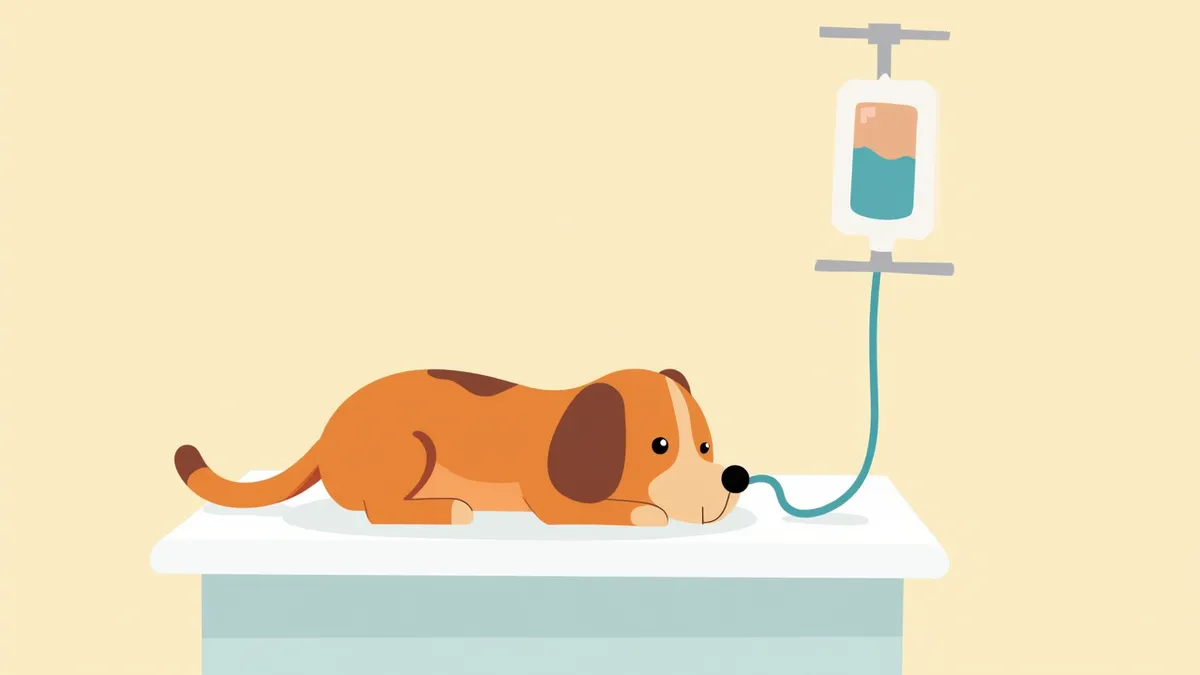
A dog that has lost consciousness receiving treatment at the hospital
Hypoglycemia caused by canine neoplasms is an endocrine disorder in which blood sugar levels drop due to excessive secretion of insulin or insulin-like growth factor 2 (IGF-2) by a tumor. Insulinoma is the most common functional neuroendocrine tumor in dogs, characterized by persistent hypoglycemia alongside inappropriately elevated insulin levels. This condition can lead to sudden weakness, muscle tremors, seizures, and loss of consciousness. - Cause of hypoglycemia: The tumor continues to secrete insulin even when blood sugar is low, disrupting the balance of glucose regulation. - Primary at-risk group: It primarily occurs in adult dogs of middle age or older, with symptoms potentially triggered by exercise or excitement. - Importance of early detection: Undergoing appropriate testing from the onset of mild symptoms helps prevent permanent neurological damage. - Diagnostic criteria: Diagnosis requires confirmation of low blood glucose alongside inappropriately high insulin levels via blood tests. - Prerequisite for treatment: Effective treatment is difficult without an accurate diagnosis, so immediate veterinary consultation is necessary if suspicious symptoms arise.

The Core Cause of Tumor-Induced Hypoglycemia Is Abnormal Hormone Secretion by the Tumor
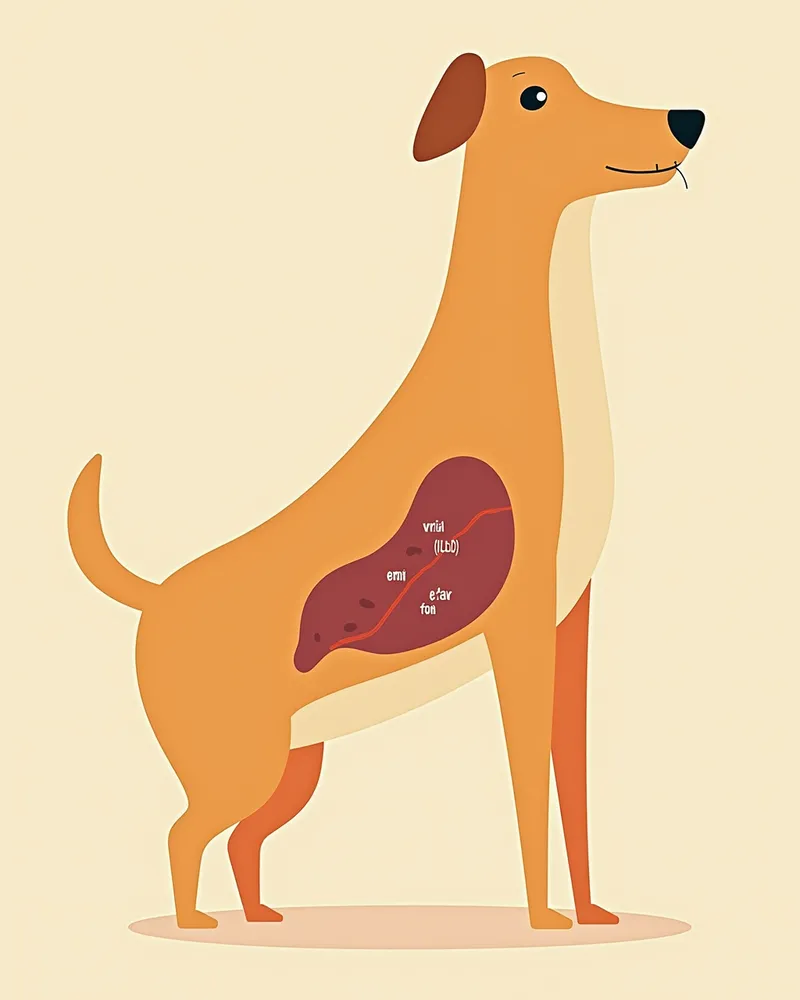
The core cause of this condition is the excessive secretion of insulin or insulin-like growth factor 2 (IGF-2) by a tumor. Insulinomas, which arise from pancreatic beta cells, are the most typical example, but non-pancreatic tumors such as hepatocellular carcinoma, leiomyosarcoma, and lymphoma can also lower blood glucose by secreting insulin-like factors. - Characteristics by tumor type: Insulinoma is the most representative functional tumor that directly secretes insulin. - Tumor-associated hypoglycemia: Cases caused by non-pancreatic tumors secreting IGF-2 are referred to as "tumor-associated (paraneoplastic) hypoglycemia." - Pathogenesis: Excess insulin reduces hepatic glucose production while increasing glucose consumption by the liver, muscle, and fat cells, leading to low blood sugar. - Risks: Persistent hypoglycemia can result in brain damage or death. - Importance of early diagnosis: Early detection before symptoms worsen is crucial for prognosis.
Insulin-like substances being secreted from tumors in a dog's liver and pancreas

You Must Accurately Identify the Main Symptoms and Signs

The main symptoms of hypoglycemia caused by tumors in puppies include the following:
Excessive lethargy and weakness: Your puppy may suddenly appear weak, sleepy, or reluctant to move, with these episodes recurring.
Seizures: Sudden trembling or convulsions may occur, potentially leading to loss of consciousness.
Muscle tremors and collapse: Your puppy may experience generalized weakness, muscle shaking, and unsteadiness, sometimes resulting in sudden collapse.
Abnormal agitation and anxiety: Signs may include restlessness, anxiety, and occasionally vomiting.
Behavioral changes and decreased consciousness: Your puppy may appear confused or have difficulty recognizing their surroundings.
If these symptoms appear or recur after exercise or excitement, immediate veterinary attention is required.
A puppy showing symptoms of hypoglycemia

Immediate Veterinary Visit Is Required If Loss of Consciousness or Seizures Occur

If your pet loses consciousness or experiences seizures, this is a life-threatening emergency. Immediate veterinary care or emergency treatment is essential. A rapid drop in blood sugar can lead to brain damage.

Diagnosis Is Precisely Made Through Blood Tests and Imaging

Tumor-induced hypoglycemia is characterized by low blood glucose levels alongside inappropriately high insulin levels during fasting. However, because hypoglycemia can be intermittent, a fasting period of up to 72 hours may be required to confirm the diagnosis. - Fasting hypoglycemia test: Blood glucose and insulin levels are analyzed together, while other potential causes such as xylitol toxicity and hypoadrenocorticism are ruled out. - Ultrasound examination: This assesses the location and size of abdominal tumors. When used in conjunction with radiography, the sensitivity is approximately 50%. - CT scan: This is more sensitive than ultrasound for detecting small tumors or lymph node metastasis. - Biopsy: Tissue samples are collected to determine whether the tumor is benign or malignant. Multiple tests are often performed in parallel for an accurate diagnosis, and immediate veterinary care is necessary if suspicious symptoms recur.
A puppy having its blood drawn.

Treatment Must Simultaneously Address Tumor Removal and Blood Glucose Control

The first step in treatment is surgical removal of the tumor. For insulinomas, partial pancreatectomy is the preferred approach to remove the primary tumor and, whenever possible, any metastatic lesions. Medical management to stabilize blood glucose levels is also necessary before and after surgery. - Blood glucose stabilization: Intravenous administration of glucose (dextrose) is the most effective intervention for hypoglycemic crises, and food should be offered as soon as possible. - Ongoing management: Feed small, frequent meals to stabilize blood glucose and reduce the recurrence of hypoglycemia. - Postoperative care: Consistent blood glucose monitoring is essential even after tumor removal. - Monitoring for recurrence and metastasis: Regular check-ups are important because malignant insulinomas metastasize to lymph nodes and the liver in approximately half of cases. - Treatment goals: The focus should be on sustaining life and improving quality of life.
A puppy recovering after surgery

Regular Meals and Blood Glucose Monitoring Are Important for Home Care

Proper care at home after treatment is very important.
Regular meals: Feed small amounts 3–4 times a day to minimize blood sugar fluctuations.
Treat management: Be cautious with treats, as they can increase the risk of hypoglycemia.
Blood sugar monitoring: Regularly check blood sugar levels using a glucose meter if necessary.
Exercise control: Avoid excessive exercise, as it can trigger hypoglycemia.
Medication: Always administer medications as directed by your veterinarian.
These care practices play a key role in preventing recurrence.
A puppy eating meals regularly

Certain Breeds Are at Higher Risk for Tumor-Induced Hypoglycemia

Tumor-induced hypoglycemia, such as that caused by an insulinoma, primarily occurs in middle-aged and older dogs. In contrast, young puppies of small and toy breeds like Pugs, Pomeranians, and Maltese are more susceptible to juvenile hypoglycemia rather than tumors. Therefore, regular health check-ups tailored to your dog's age and circumstances are essential.

Reviewed by a veterinarian

Dr. Tony — Punnawat Phongkittirak

Dr. Tony — Punnawat Phongkittirak

Veterinarian

A veterinarian who majored in veterinary medicine at Khon Kaen University, Thailand, and completed the IVSA program at North Carolina State University in the United States. Drawing on clinical experience at animal hospitals, he works in the pet healthcare field and is dedicated to building a digital care environment that connects pet parents with veterinarians.

Frequently Asked Questions

If your dog suddenly collapses, could it be due to hypoglycemia caused by a tumor?
Loss of consciousness or seizures may signal hypoglycemia caused by a tumor, but other causes—such as xylitol poisoning or liver disease—are also common. Because it’s essential to determine the underlying cause, please seek veterinary care immediately.
Is this condition treatable?
Surgical removal of the tumor may improve symptoms, but since malignant insulinomas have metastasized in about half of cases, a complete cure is difficult to guarantee. Management involves surgery and blood glucose control.
Is prevention possible?
Regular health check-ups can help detect issues early, but complete prevention is difficult.
Can I give my pet a treat when their blood sugar is low?
During a hypoglycemic crisis, replenishing glucose and providing food can be helpful. However, the type and amount of treats can destabilize blood sugar levels, so do not give them without your veterinarian’s guidance.
Is there a high chance of recurrence?
If the tumor isn’t completely removed, it can come back. Regular check-ups are important.

Share

Related Guides

References

[1] Small Animal Critical Care Medicine, 3rd Ed. (2023). Chapter 75: Hypoglycemia. Elsevier.

[2] Plumb's Veterinary Drug Handbook, 9th Ed. (2022). Glucagon and insulin-like peptide tumors. Wiley-Blackwell.

[3] Veterinary Internal Medicine: A Textbook of Small Animal Medicine, 8th Ed. (2021). Paraneoplastic syndromes in dogs. Elsevier.

This information is based on veterinary literature and does not replace diagnosis or treatment. Please consult a veterinarian for specific health concerns.

Metapet Co., Ltd. | CEO: Park Sung-yong | Business Reg. No. 417-88-02562 | Seoul, South Korea | Customer Center

Puppy Suddenly Stumbling or Seizing? Tumor-Induced Hypoglycemia | Meongsiljang