
Complete Guide to Managing Dogs During Winter Cold Snaps: Hypothermia Prevention, Symptoms, Causes, Diagnosis, Treatment, and Care Points
Managing your dog during winter cold snaps is essential to prevent hypothermia. Dogs, who are sensitive to temperature changes, can struggle to regulate their body heat and may face serious health issues.
Managing Dogs During Winter Cold Snaps Is an Essential Measure to Prevent Hypothermia
The Main Causes of Hypothermia Are Environmental Factors and Physiological Vulnerability

Quickly Identify the Main Symptoms and Signs of Hypothermia

Emergency Signs Requiring Immediate Veterinary Visit
If your dog starts shivering severely, becomes immobile, or appears disoriented, seek veterinary care immediately. Severe hypothermia can lead to irregular heartbeats and even respiratory arrest. Do not attempt to warm your dog using hot water or electric heating pads, as this can cause further injury; professional medical treatment is essential.
Hypothermia Diagnosis Is Made Through Temperature Measurement and Symptom Assessment
The Key to Treating Hypothermia Is Slowly Restoring Body Temperature
Daily Habits Are Important for Preventing Hypothermia at Home
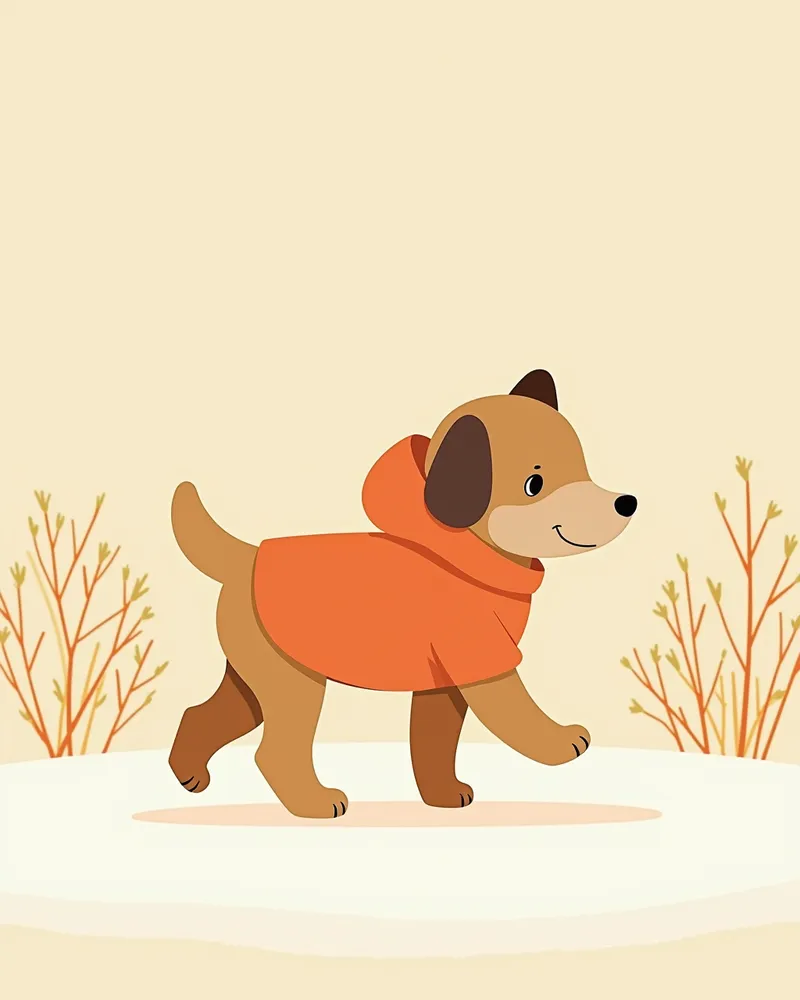
Small Breeds and Senior Dogs Are More Susceptible to Hypothermia, So Caution Is Needed
Small and senior dogs have less body fat and a reduced ability to regulate their body temperature, making them highly susceptible to hypothermia. It is especially important to minimize outdoor exposure during winter and ensure adequate warmth indoors for lightweight dogs. When going out, keep trips as short as possible, and if their fur gets wet, dry it promptly.
Reviewed by a veterinarian

Dr. Tony — Punnawat Phongkittirak
VeterinarianA veterinarian who majored in veterinary medicine at Khon Kaen University, Thailand, and completed the IVSA program at North Carolina State University in the United States. Drawing on clinical experience at animal hospitals, he works in the pet healthcare field and is dedicated to building a digital care environment that connects pet parents with veterinarians.
Reviewed 2026-06-29
Frequently Asked Questions
Is your dog shivering because of hypothermia?
Should I dress my pet in warm clothes before going outside?
Can I use hot water when treating hypothermia?
Are senior dogs more susceptible to hypothermia?
Why is recovery slow after hypothermia?
Share
Related Guides
Top Recommendations and Selection Criteria for Cat FIV and FeLV Testing
Top Microchip Implantation Management Recommendations for Dogs and Key Selection Criteria
Complete Guide to Choosing, Comparing, and Managing the Best Heartworm Preventives for Dogs
If Your Dog’s Heart Is Beating Too Slowly — Causes and Treatment Timing for Bradycardia and Atrioventricular Block
If Your Dog’s Abdomen Is Gradually Swelling — Symptoms of Cardiac Ascites and Paracentesis Treatment
If Your Cat’s Heart Rate Suddenly Increases — Warning Signs of Ventricular Tachycardia and When to Visit the Vet

Is My Cat’s Food Okay? — Warning Signs of Taurine-Deficient Cardiomyopathy and Dietary Management
Complete Guide to Spironolactone for Cats: Efficacy, Dosage, and Side Effects
Comprehensive Guide to Monitoring Cat Respiratory and Heart Rates During Sleep: Symptoms, Causes, Diagnosis, Treatment, and Management
When Your Cat Suddenly Has Trouble Breathing — Warning Signs of Pulmonary Arterial Hypertension and When to Visit the Vet
References
[1] Brodeur, A., Wright, A., & Cortes, Y. (2017). Hypothermia and targeted temperature management in cats and dogs. J. Vet. Emerg. Crit. Care, 27, 151–163.
[2] Stoppler, M.C. (2022). Frostbite. eMedicineHealth. https://www.emedicinehealth.com/frostbite/article_
[3] Small Animal Critical Care Medicine, 3rd Ed. (2023). Chapter 10: Thermal Regulation and Cold Injury Management.