
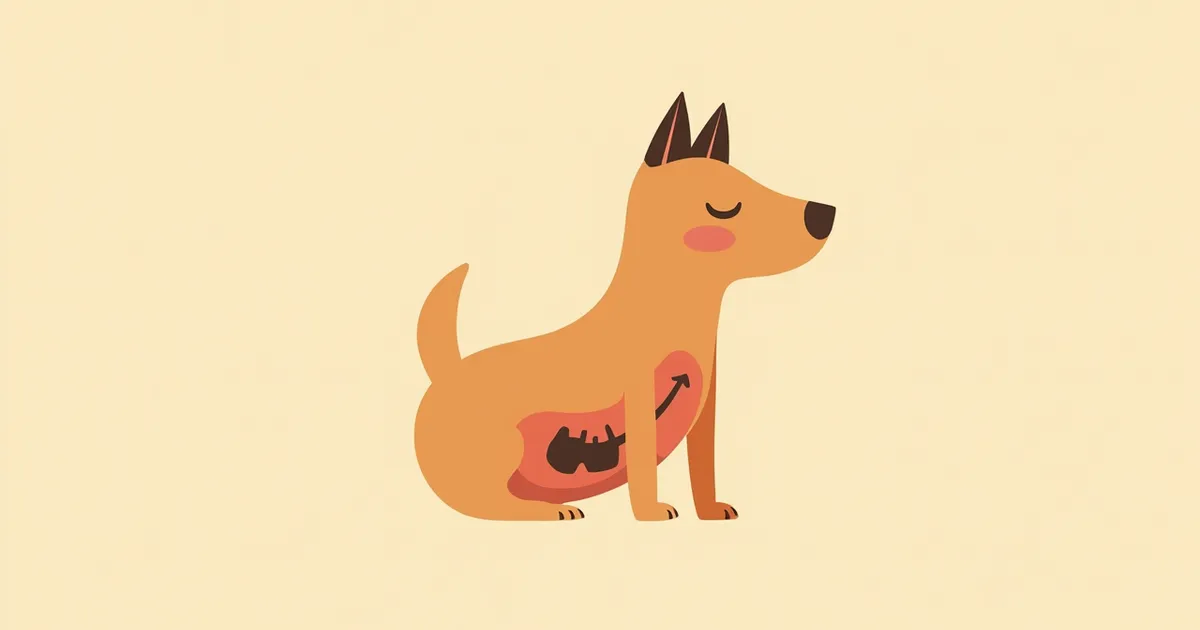
Complete Guide to Canine Urinary Tract Stones: Prevention, Diet, Symptoms, Causes, Diagnosis, Treatment, and Management
Urinary tract stones in dogs are a condition where stones form in the urinary tract, with struvite and calcium oxalate stones being the most common. Preventive diet and early diagnosis are key.
Urinary tract stones in dogs are a condition in which stones form in the urinary tract
The main causes of urinary tract stones are infection and diet
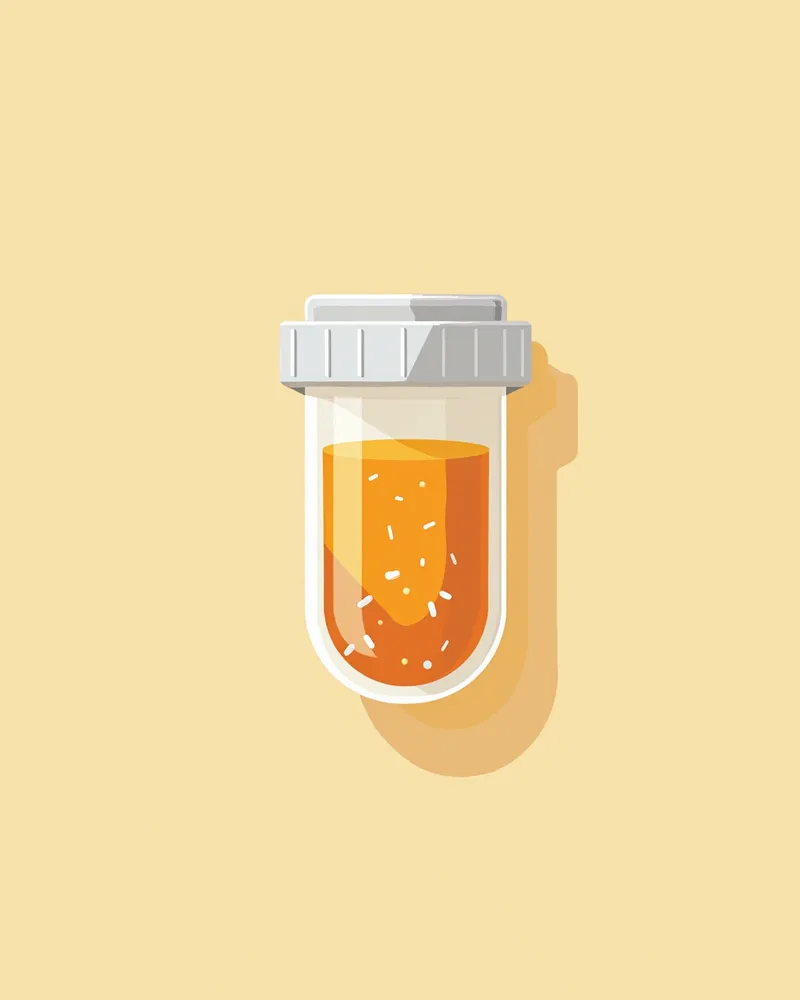
The main symptoms of urinary tract stones are difficulty urinating and pain
Emergency signs requiring immediate veterinary care
If your dog is unable to urinate at all, shivering, or assuming a painful posture, you should seek veterinary care immediately. This could indicate a complete urinary tract obstruction, which can be life-threatening. Struvite stones, in particular, can cause sudden pain and frequent urination, making early diagnosis essential. At the clinic, your vet will use ultrasound or X-rays to confirm the diagnosis and may perform surgery or endoscopic treatment if necessary.
Diagnosis is confirmed through urinalysis and imaging
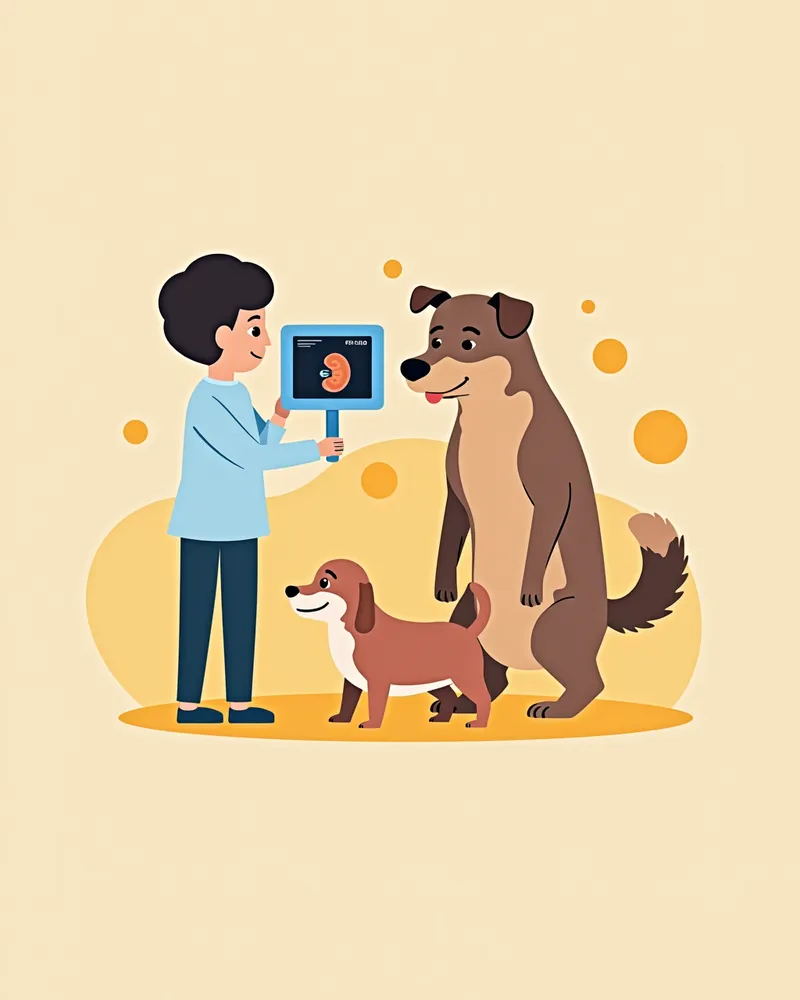
Treatment methods vary depending on the type of stone
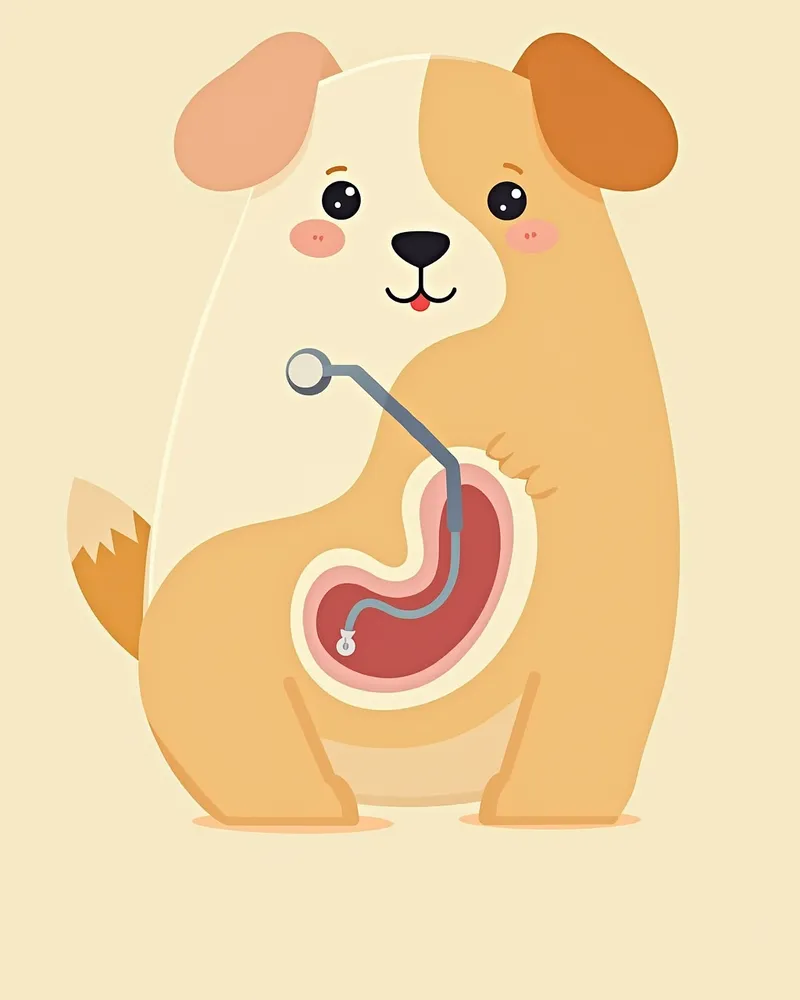
Home care focuses on dietary management and hydration
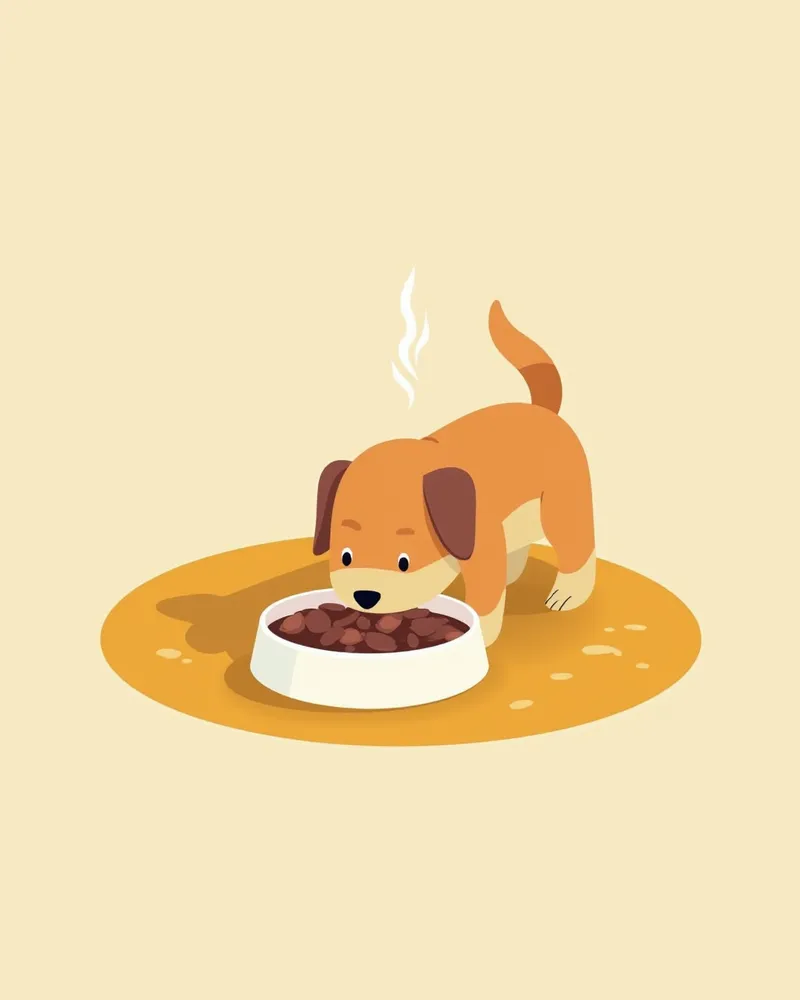
Certain breeds are at higher risk for urinary tract stones
Miniature Schnauzers, Miniature Poodles, Yorkshire Terriers, Lhasa Apsos, Bichon Frises, and Shih Tzus are breeds prone to urinary tract stones. Specifically, Miniature Schnauzers, Miniature Poodles, Yorkshire Terriers, Lhasa Apsos, Bichon Frises, and Shih Tzus may be susceptible to calcium oxalate stones, while Miniature Schnauzers, Bichon Frises, Cocker Spaniels, and Miniature Poodles require particular attention to struvite stones. Additionally, Dalmatians and English Bulldogs have a high risk of urate stones. For these breeds, regular check-ups and dietary management in consultation with your veterinarian are essential.
Reviewed by a veterinarian

Dr. Tony — Punnawat Phongkittirak
VeterinarianA veterinarian who majored in veterinary medicine at Khon Kaen University, Thailand, and completed the IVSA program at North Carolina State University in the United States. Drawing on clinical experience at animal hospitals, he works in the pet healthcare field and is dedicated to building a digital care environment that connects pet parents with veterinarians.
Reviewed 2026-06-29
Frequently Asked Questions
Can urinary tract stones in dogs be completely cured?
How should I choose a preventive diet for my pet at home?
Is surgery always necessary when urinary stones develop?
Is it dangerous if my dog can't urinate?
Can stones still form even if my pet is on a preventive diet?
Comparison Table of Preventive Diets for Urinary Tract Stones
| Item | Main Ingredients | Suitable Breeds | Precautions |
|---|---|---|---|
| Struvite-Prevention Diet | Acidifying ingredients, low phosphorus, low magnesium | Miniature Schnauzer, Bichon Frise, Cocker Spaniel, Miniature Poodle | Use caution if an infection is present |
| Calcium Oxalate-Prevention Diet | High moisture, increased water intake, canned (wet) food | Miniature Schnauzer, Miniature Poodle, Yorkshire Terrier, Lhasa Apso, Bichon Frise, Shih Tzu | Must ensure adequate water intake |
| General Urinary Health Diet | Balanced control, high moisture content | All breeds | Regular checkups needed |
Choose after consulting with your veterinarian. Dietary changes should be made gradually.
Share
Related Guides
Top 5 Prescription Diets for Feline FLUTD — Comparison by Struvite and Calcium Oxalate Stones
Top 7 Prescription Diets for Feline Bladder and Urinary Tract Health Recommended by Veterinarians — Including Selection Criteria

Top 5 Cranberry Urinary Supplements for Dogs — Preventing Cystitis
SAMe vs. Milk Thistle for Dog Liver Protectants — Which Is Right for Your Pet?
If Your Cat Keeps Getting Drowsy After Meals — Causes and Treatment Timing for Portosystemic Shunt (PSS)
If Your Cat’s Eyes and Gums Are Yellow — Causes of Feline Jaundice and When to Visit the Vet
If Your Cat Keeps Vomiting and Is Lethargic — Symptoms, Causes, and Treatment Timing for Cholecystitis
Can I Give Omega-3 to a Dog with Poor Kidney Function? — Supplement Effects and Precautions
Late-Stage Chronic Kidney Disease in Dogs: A Care Guide for Pain Relief and Quality of Life
Can I Administer Subcutaneous Fluids to My Cat at Home? — Safe Self-Administration and Warning Signs
References
[1] Clinical Medicine of the Dog and Cat, 4th Ed, Chapter 13: Nephrology/Urology, 2020
[2] Notes on Canine Internal Medicine, 4th Ed, 2019
[3] Fundamentals of Veterinary Clinical Pathology, 3rd Edition, 2021