Like
Share
멍실장
고양이 신장 초음파 검사 증상과 원인, 진단·치료와 관리 포인트 총정리

Complete Guide to Feline Renal Ultrasound — From Timing to Result Interpretation

KidneyDiseasesMeongsiljang Veterinary Advisory Board

Feline renal ultrasound is an important tool for the early detection and assessment of the progression of chronic kidney disease. Regular check-ups are key to maintaining your cat’s long-term health.

What is a Feline Renal Ultrasound?
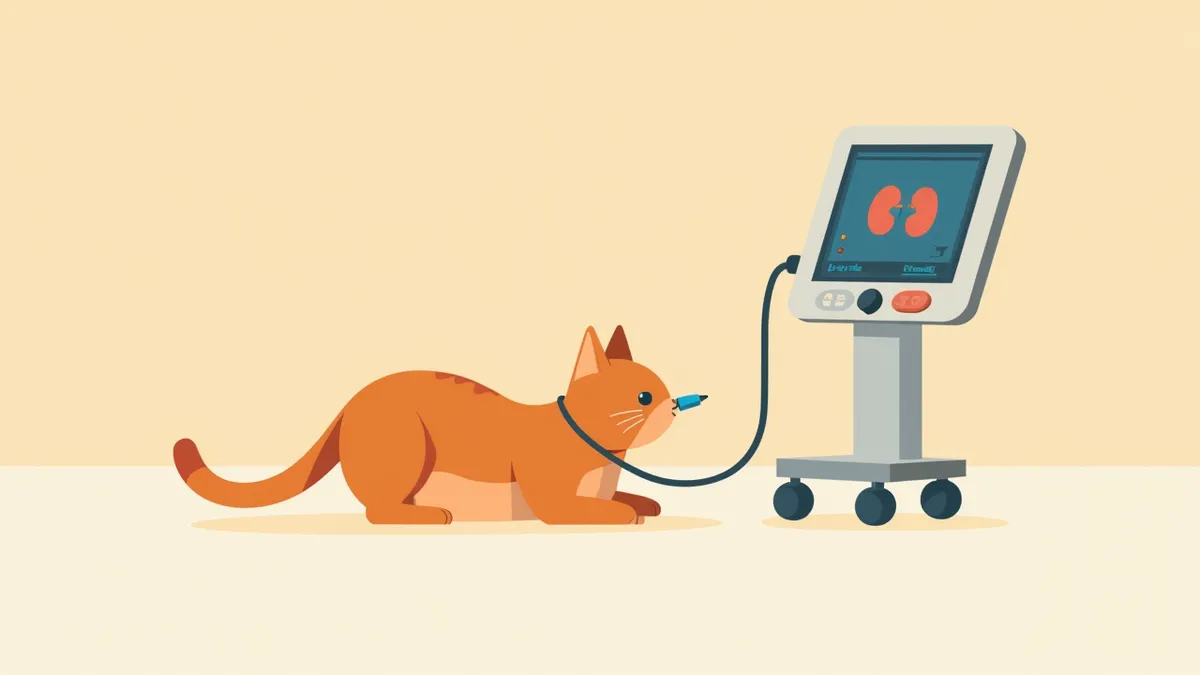
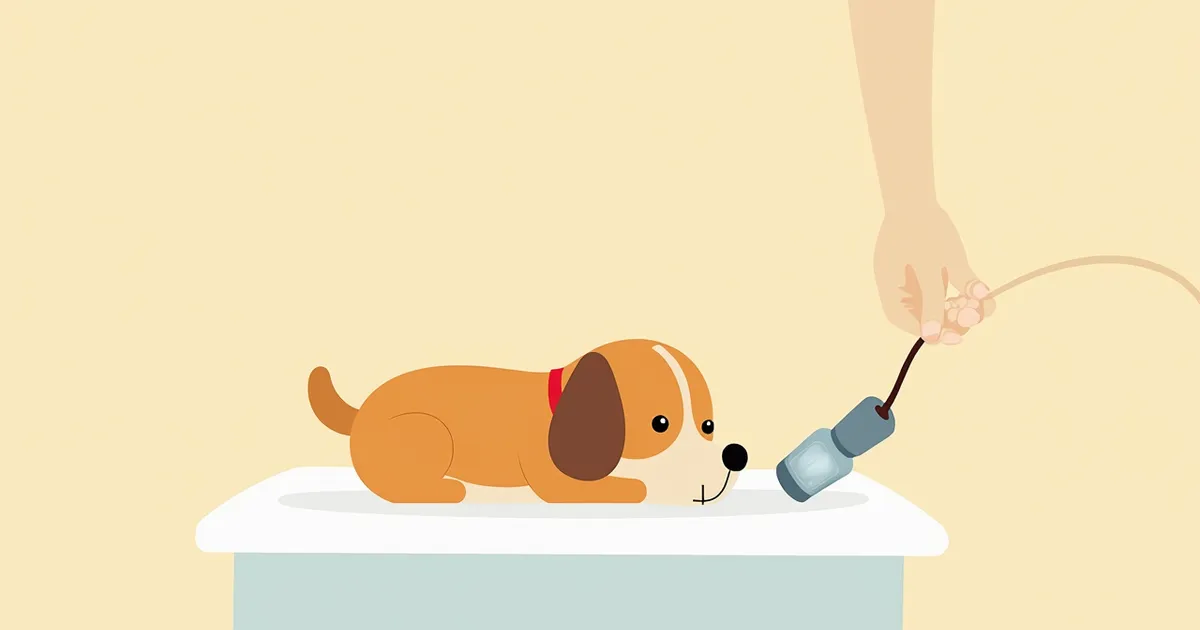
An ultrasound probe is placed on the cat’s abdomen, and the kidney image appears on the screen.
Feline renal ultrasound is a key imaging diagnostic tool that allows us to non-invasively assess the size, shape, and structure of the kidneys. It is widely regarded as the preferred imaging modality for evaluating kidney anatomy and the urinary tract. - Assessment of Renal Structure: Ultrasound provides a detailed evaluation of kidney size, shape, and internal architecture. - Strengths of Imaging: It enables a detailed, non-invasive view of both renal structure and the urinary tract. - Non-Invasive Procedure: The exam is typically performed without anesthesia, though sedation may be necessary for particularly sensitive cats. - Understanding Limitations: Diffuse kidney disease often does not appear on ultrasound until it is quite advanced; therefore, a normal ultrasound result does not completely rule out kidney disease. - Recommended Combined Testing: For this reason, we recommend regular monitoring of senior cats using both blood and urine tests alongside ultrasound.

Main Causes and Pathogenesis of Renal Ultrasound Examination
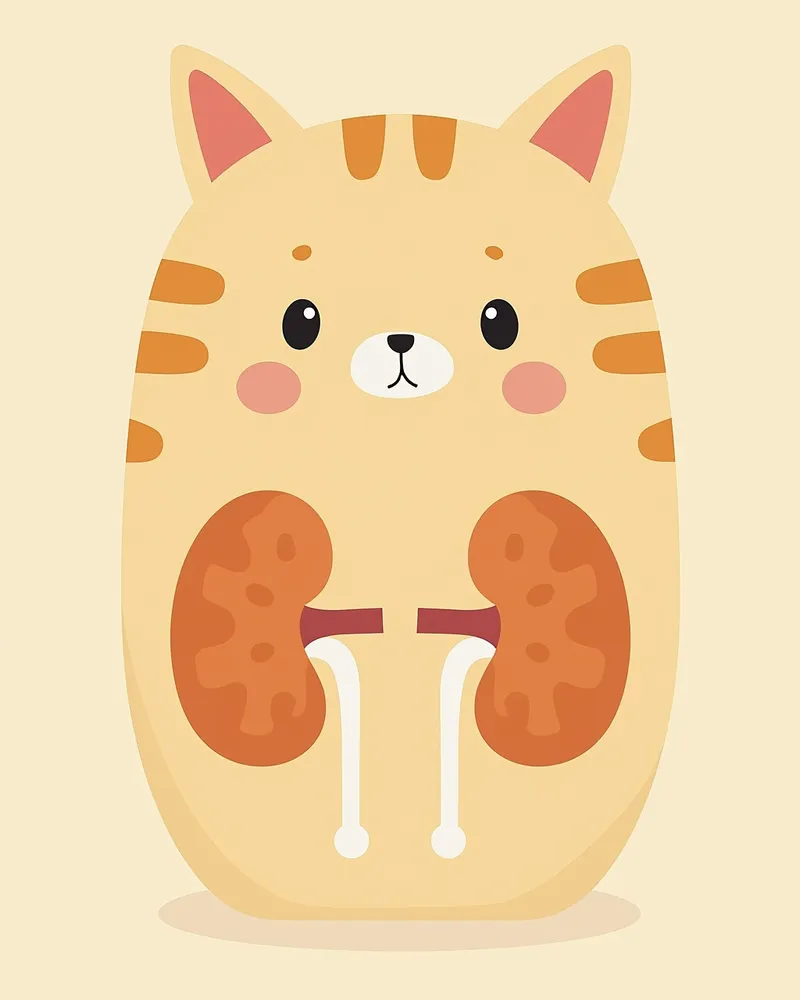
The main reasons a cat may need a renal ultrasound include chronic kidney disease, renal enlargement, cysts, inflammation, and impaired blood flow. - Chronic kidney disease: A common condition in older cats, where early detection is crucial for effective treatment. - Renal enlargement: An increase in kidney size that may indicate underlying functional abnormalities. - Cyst formation: Fluid-filled spaces within the kidney that can impair function if they grow large. - Impaired blood flow: Reduced blood supply to the kidneys, which can lead to decreased function. - Inflammatory response: Inflammation of kidney tissue, which can be detected via ultrasound by observing structural changes.
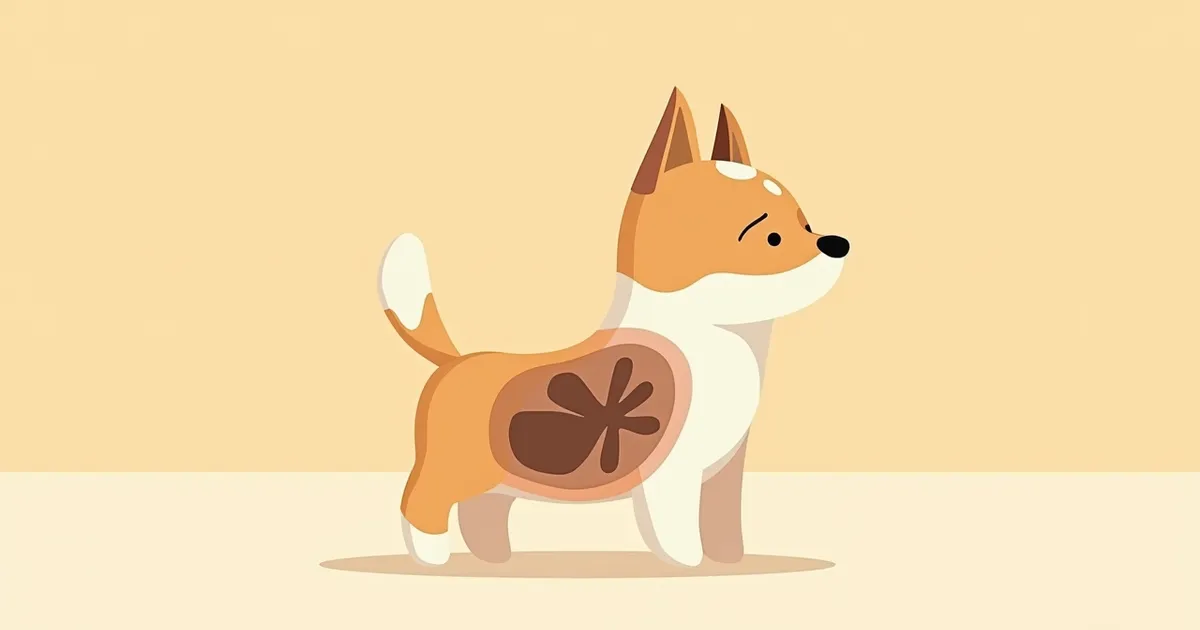
Comparison of ultrasound images of a healthy kidney and an enlarged kidney

Main Symptoms and Signs

The main symptoms that may indicate your cat needs a kidney ultrasound include the following. Recognizing these signs early can help with early detection and management.
Excessive thirst: Your cat drinks water more frequently or noticeably increases the amount consumed (polydipsia).
Frequent or increased urination: Your cat visits the litter box more often, or produces larger volumes of urine at once, causing the litter to clump significantly.
Weight loss: Muscle mass decreases, leading to weight loss and a visibly thinner body condition.
Decreased appetite: Your cat shows little interest in food or treats, or eats smaller amounts than usual.
Vomiting: Nausea may lead to more frequent vomiting, which is associated with the buildup of uremic toxins in the blood.
Lethargy: Your cat appears sluggish throughout the day or loses interest in play.
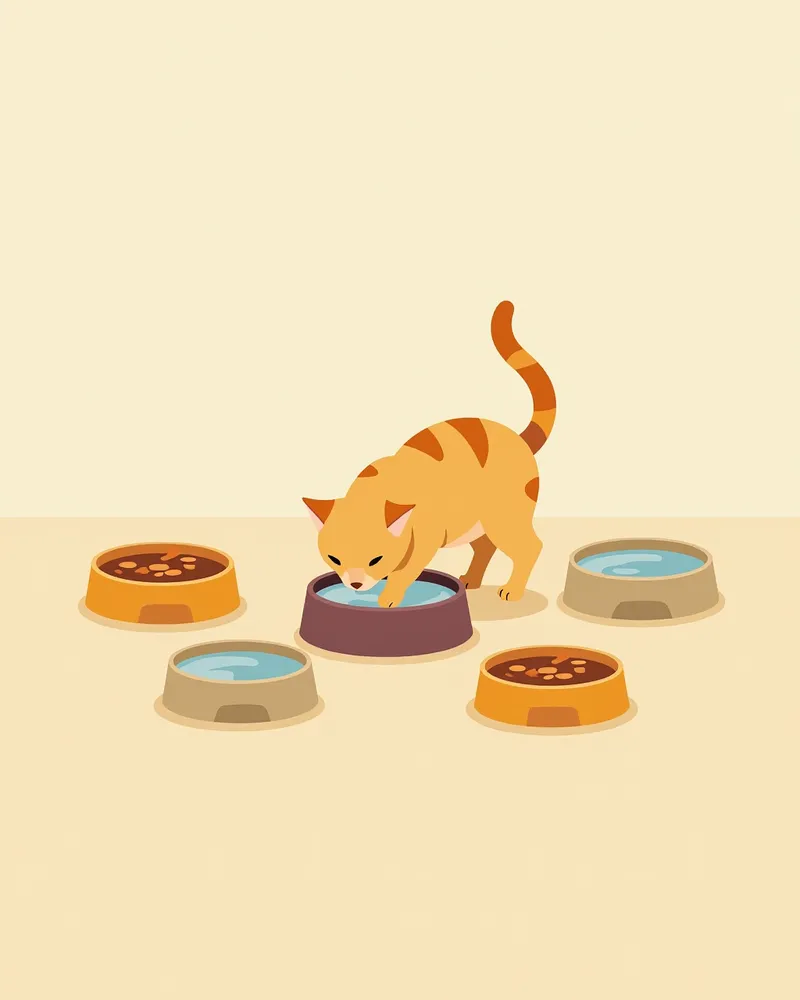
A cat drinking water from multiple bowls and sitting near the litter box

Symptoms Requiring Immediate Veterinary Visit

If your cat suddenly starts drinking excessive amounts of water, frequently using the litter box, and experiencing vomiting or lethargy, it could indicate a sudden decline in kidney function. Please consult a veterinarian immediately.

Diagnostic Methods and Examination Procedure
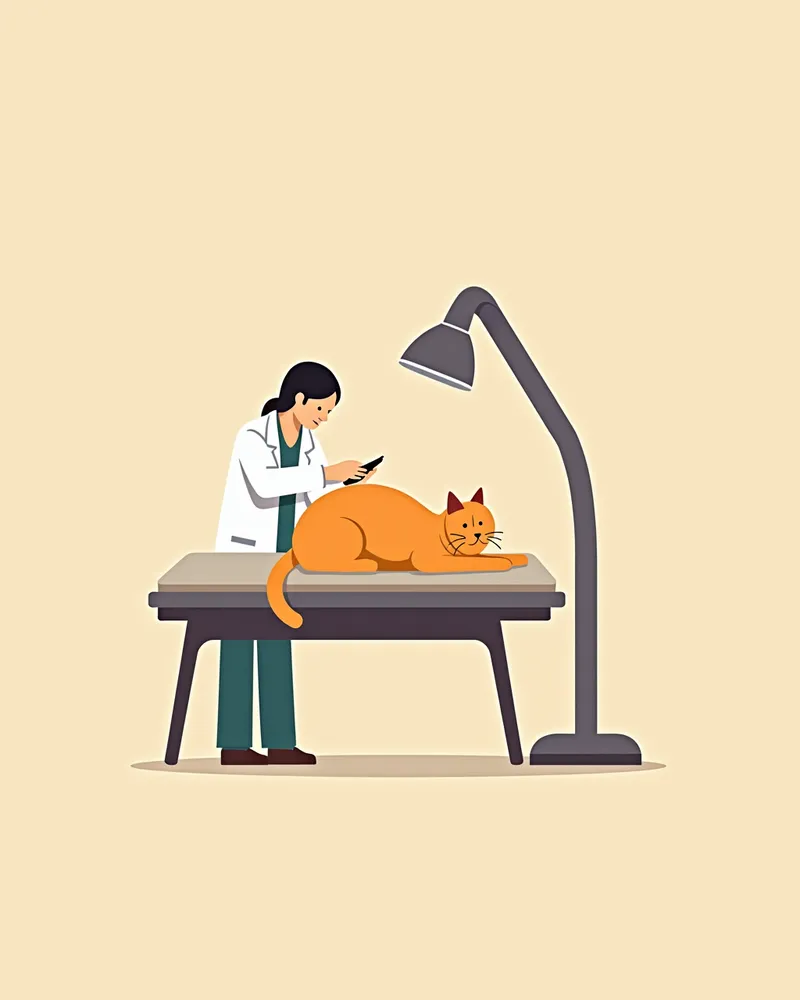
Feline kidney ultrasound is typically performed alongside blood and urine tests. - Pre-exam preparation: Clean the abdominal area and keep your cat calm. - Procedure: The ultrasound probe is placed on the abdomen to capture images, without the need for anesthesia. - Image analysis: The size, shape, and blood flow of the kidneys are carefully evaluated. - Result interpretation: The veterinarian makes a diagnosis based on the ultrasound images. - Duration: The exam usually takes about 15 to 30 minutes.
A veterinarian performing an ultrasound examination on a cat’s abdomen with a probe.

Treatment Methods and Step-by-Step Management
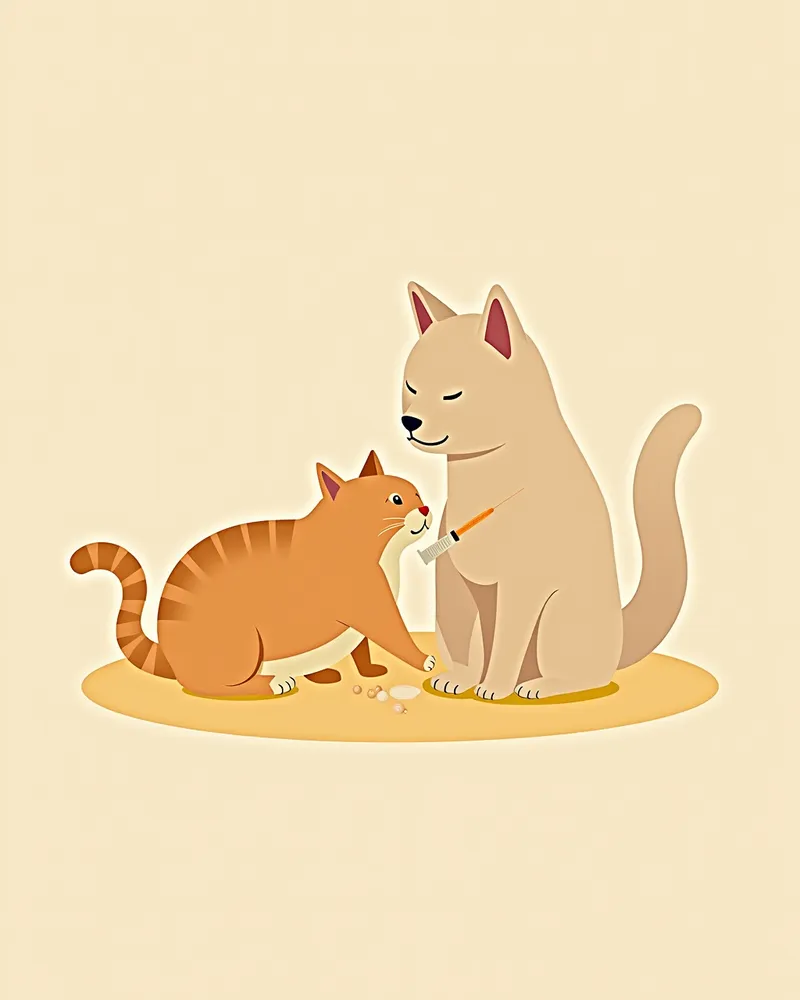
Treatment plans for cats are determined based on kidney ultrasound results. Main treatments include fluid therapy, dietary management, medications, and dialysis.
Fluid Therapy: Fluids are administered intravenously or subcutaneously to prevent dehydration and protect the kidneys. Subcutaneous fluids are typically given at 75–150 mL every 1–3 days.
Dietary Management: A renal prescription diet low in protein and phosphorus is recommended, and phosphate binders may be used alongside it. Canned (wet) food is beneficial for hydration.
Medication Therapy: Medications are prescribed to manage high blood pressure, anemia, and gastrointestinal symptoms, with potassium supplementation provided if necessary.
Dialysis: In cases of severe kidney dysfunction, peritoneal or hemodialysis is used to temporarily replace kidney function.
A veterinarian administering a subcutaneous injection to a cat

Home Care and Management Points

Proper home care after a cat’s renal ultrasound is crucial, as daily management habits can slow disease progression.
Ensure adequate water intake: Always provide fresh water and place multiple water bowls around the home.
Dietary management: Consistently feed the diet recommended by your veterinarian and limit treats.
Regular check-ups: Repeat blood and urine tests every six months.
Minimize stress: Maintain a stable and consistent daily environment for your cat.
Monitor weight: Weigh your cat weekly and report any sudden changes.
A cat using multiple water bowls and food bowls.

Precautions for Senior Cats and Breed-Specific Considerations

Senior cats are more susceptible to chronic kidney disease, making regular check-ups essential. Breeds predisposed to polycystic kidney disease, such as Persians, may appear normal in their youth but can develop kidney enlargement and chronic kidney disease as they mature. Therefore, regular ultrasounds, along with blood and urine tests, are recommended.

Reviewed by a veterinarian

Dr. Tony — Punnawat Phongkittirak

Dr. Tony — Punnawat Phongkittirak

Veterinarian

A veterinarian who majored in veterinary medicine at Khon Kaen University, Thailand, and completed the IVSA program at North Carolina State University in the United States. Drawing on clinical experience at animal hospitals, he works in the pet healthcare field and is dedicated to building a digital care environment that connects pet parents with veterinarians.

Frequently Asked Questions

Does a kidney ultrasound for cats cause any pain?
No, cats experience very little pain during the procedure. They may only feel a slight sense of pressure during the examination.
Is any special care needed after the ultrasound?
No special care is needed; your cat can return to its normal routine right away. If your cat seems uncomfortable after the examination, please allow it to rest.
Do senior cats need an annual ultrasound examination?
Yes, regular health check-ups are especially important for senior cats. Early detection of chronic kidney disease primarily relies on blood and urine tests, while ultrasound serves as a complementary tool to assess kidney structure.
Should I still have the test done even if the ultrasound results are normal?
Yes. Diffuse kidney disease often doesn't show up clearly on ultrasound until it's quite advanced, so even a normal ultrasound can't completely rule out kidney issues. That's why regular check-ups, including blood and urine tests, are important even if your pet isn't showing symptoms.
What should I do if my cat is afraid of ultrasound exams?
The veterinarian provides calming techniques tailored to your cat’s personality. For particularly sensitive cats, mild sedatives may be used when necessary.

Share

Related Guides

References

[1] Langston, C.E. et al. (2023) Small Animal Critical Care Medicine, 3rd Edition. Elsevier.

[2] The Cat, Clinical Medicine and Management, 2nd Edition (2022). Elsevier.

[3] The Veterinary Workbook of Small Animal Clinical Cases (2021). Wiley-Blackwell.

This information is based on veterinary literature and does not replace diagnosis or treatment. Please consult a veterinarian for specific health concerns.

Metapet Co., Ltd. | CEO: Park Sung-yong | Business Reg. No. 417-88-02562 | Seoul, South Korea | Customer Center

Feline Renal Ultrasound: From Timing to Interpreting Results | Meongsiljang