
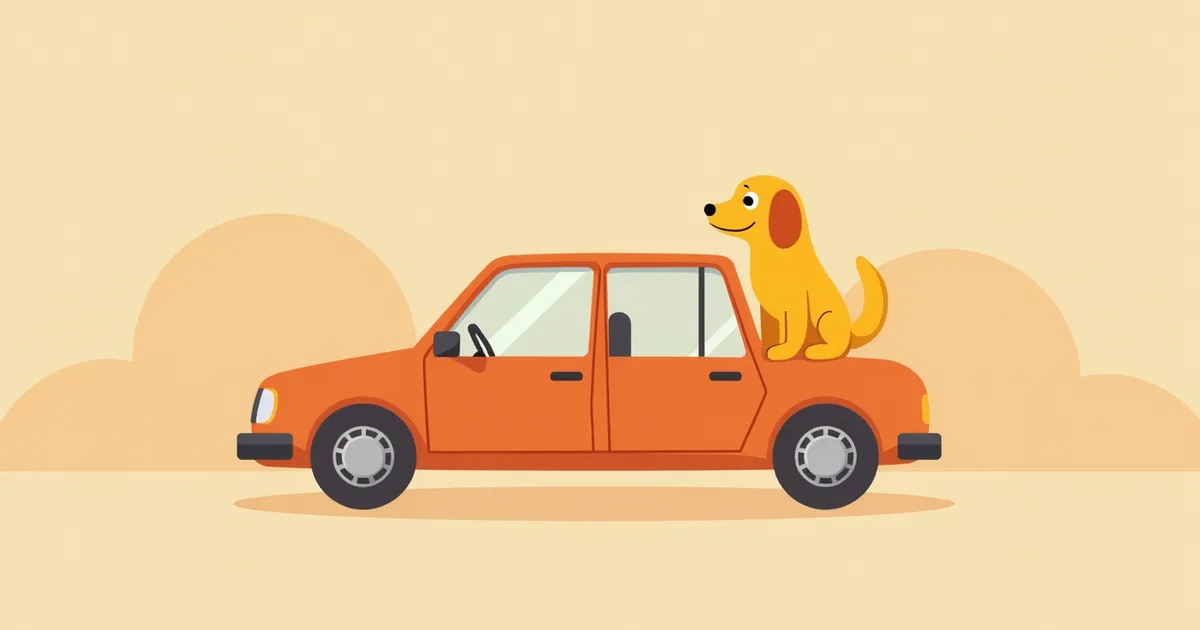
If Your Dog Trembles in the Car — Causes of Car Anxiety and Motion Sickness, and Key Points for Calming and Prevention
If your dog shows vomiting, trembling, or whining while in the car, it could be due to fear, motion sickness, or a combination of both. We’ve compiled a veterinary-based guide covering how to distinguish between these symptoms, as well as medication options and home care strategies.
What Is Canine Car Anxiety and Motion Sickness?

Why Do Fear and Motion Sickness Occur?
Checklist of Main Symptoms

When to Go to the Vet Immediately
If your pet experiences repeated vomiting with signs of dehydration, exhibits extreme panic leading to self-harm (such as bumping into objects or chewing at their paws), or shows difficulty breathing, you should take them to the nearest veterinary clinic immediately, even if you are in transit. Brachycephalic breeds (such as Shih Tzus, Bulldogs, and Pugs) are at increased risk, as their condition can deteriorate rapidly when respiratory issues are involved.
How Is It Diagnosed?
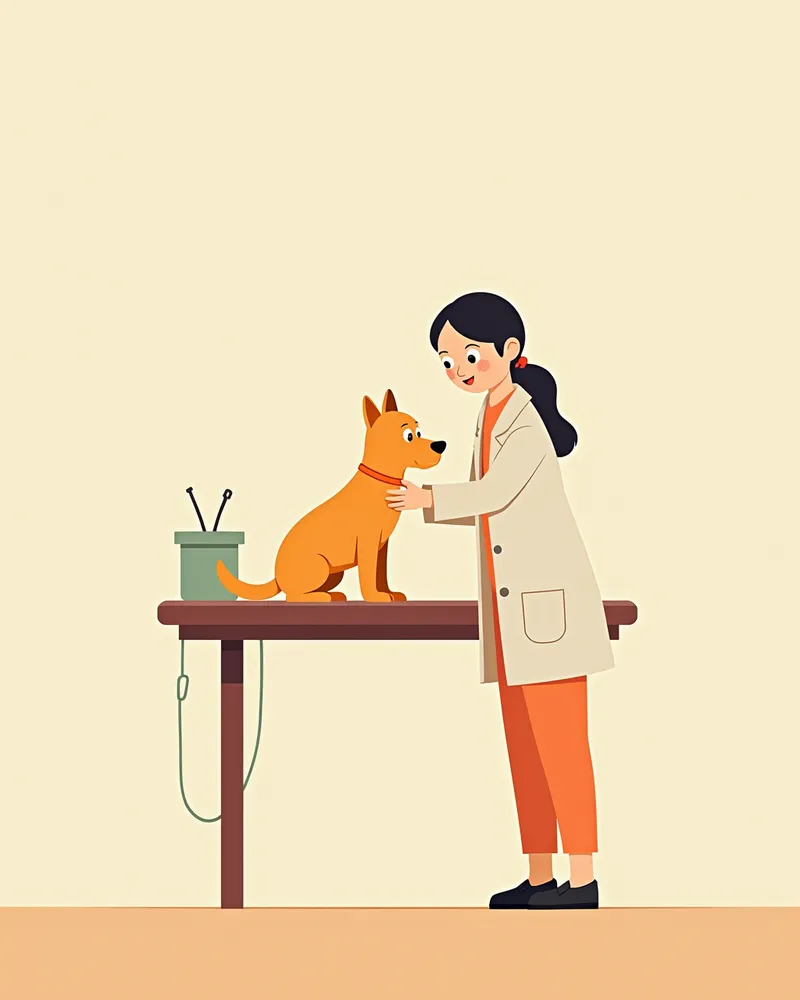
Treatment Options — Medication and Behavioral Modification

Home Care Tips
Dogs to Watch Closely
Dogs from shelters, those with limited exposure to cars during puppyhood, and those who have previously associated vehicles with long, uncomfortable journeys or dangerous situations are more likely to experience severe car anxiety. Dogs with other anxiety issues, such as separation anxiety, may also react more sensitively in the car.
Reviewed by a veterinarian

Dr. Tony — Punnawat Phongkittirak
VeterinarianA veterinarian who majored in veterinary medicine at Khon Kaen University, Thailand, and completed the IVSA program at North Carolina State University in the United States. Drawing on clinical experience at animal hospitals, he works in the pet healthcare field and is dedicated to building a digital care environment that connects pet parents with veterinarians.
Reviewed 2026-06-01
Frequently Asked Questions
Will my puppy’s car sickness go away on its own as they grow older?
How long should I withhold food before a car ride?
Is it safe to give my pet motion sickness medication every time?
Which is better, a carrier or a safety belt?
Can car anxiety be treated at home?
Share
Related Guides

7 Behavioral Enrichment Strategies for Mental Stimulation Recommended by Veterinarians

Top 5 Calming Supplements for Dogs and Cats in 2026

L-Theanine Effects and Calming Support
High Blood Pressure and Proteinuria in Dogs: Symptoms, Causes, Diagnosis, Treatment, and Management Essentials

Dog Calcium Oxalate Uroliths: Symptoms, Causes, Diagnosis, Treatment, and Management Essentials

Dog Bladder Nerve Stimulation Therapy: Symptoms, Causes, Diagnosis, Treatment, and Management Essentials

Canine Amyloid Nephropathy: Symptoms, Causes, Diagnosis, Treatment, and Management Essentials

Feline Struvite Urinary Stones: Symptoms, Causes, Diagnosis, Treatment, and Management Essentials

Feline Stress-Induced Cystitis: A Complete Guide to Symptoms, Causes, Diagnosis, Treatment, and Management

Feline Urethrostomy and Ureteral Transplant Surgery: Symptoms, Causes, Diagnosis, Treatment, and Key Management Points
References
[1] Veterinary Guide to Preventing Behavior Problems in Dogs and Cats, Wiley-Blackwell. Car Ride Anxiety, Table 9.3 General treatment plan for car ride anxiety.
[2] Introduction to Animal Behavior and Veterinary Behavioral Medicine, Ch. 17. Motion Sickness and Reactivity during transport.
[3] Pratsch, L. et al. (2018). Carrier training cats reduces stress on transport to a veterinary practice. Veterinary Record, 182(10), 298.