Like
Share
멍실장
고양이 치은염 증상과 원인, 진단·치료와 관리 포인트 총정리

If Your Cat’s Gums Are Red and Swollen — Causes of Gingivitis and When to Treat

Oral HealthDiseasesMeongsiljang Veterinary Advisory Board

Feline gingivitis is an inflammation of the tissues surrounding the teeth, which can cause bad breath, decreased appetite, and difficulty opening the mouth. Early detection and proper management are essential.

Feline Gingivitis Is an Inflammation of the Gum Tissue Surrounding the Teeth

Photo of a cat's gums with inflammation
Feline gingivitis is an inflammatory condition affecting the gum tissue surrounding the teeth. In its early stages, the gums may appear red and slightly swollen, and bleeding might occur during brushing. - Plaque accumulation: Plaque, a bacterial film that builds up on tooth surfaces, is the direct cause of inflammation. Over time, it hardens into tartar. However, the amount of tartar does not necessarily correlate with the severity of the condition. - Gum bleeding: Bleeding from the gums during brushing or while eating treats warrants attention. - Worsening bad breath: As bacteria in the mouth multiply, they produce an odor that can serve as a warning sign of gingivitis. - Decreased appetite: Pain may cause your cat to avoid eating or reduce their food intake. - Inflammation confined to the gums: Gingivitis itself is limited to the gum tissue and can be reversed with proper care. However, if left untreated and progresses to periodontitis, the gums may recede and the bone surrounding the teeth may be lost, leading to loose or missing teeth. Therefore, early detection and management are key to preserving your cat’s teeth.

The Main Causes of Gingivitis Are Tartar and Bacterial Accumulation

The primary cause of gingivitis in cats is the buildup of plaque—a bacterial biofilm—on the tooth surfaces, which triggers gum inflammation through the bacteria within the plaque and the body’s immune response to it. - Plaque accumulation: Plaque is a biofilm composed of oral bacteria and serves as the direct cause of periodontal disease. - Inadequate oral hygiene: Without regular brushing or dental care, plaque accumulates rapidly and bacteria proliferate. - Dietary habits: Feeding only soft food or providing insufficient chewing activity can facilitate easier plaque buildup. - Systemic health status: Viral infections such as FIV and FeLV, as well as other systemic diseases, have been reported to be associated with oral inflammation, so it is advisable to evaluate these factors concurrently. - Young age: Juvenile gingivitis can occur in cats under one year of age; if left untreated, it can lead to significant tooth loss. Since these factors can interact in complex ways, preventive care is essential.
A close-up image of a cat's teeth with tartar buildup

Check for Key Symptoms and Signs

The main symptoms of feline gingivitis include the following. It often starts with bad breath, followed by a decreased appetite, dropping food, chewing on only one side, and frequent drooling. If the gums become red and bleed, a visit to the vet is essential.
Bad breath: A noticeable foul odor develops as bacteria multiply in the mouth.
Decreased appetite: Your cat may refuse to eat or eat less due to mouth pain.
Difficulty chewing: Your cat may hesitate to open its mouth or chew, or chew on only one side.
Increased drooling: Pain can cause frequent drooling.
Gum bleeding: Bleeding from the gums may occur during brushing or chewing.
Pain response in the face and mouth: Your cat may avoid or dislike having the area around its mouth touched, or it may scratch its face with its paws.
A photo of a cat that seems uncomfortable when its mouth is touched.

Signs That Require an Immediate Vet Visit

If your cat has completely lost its appetite, is bleeding from the mouth, or shows signs of pain by grimacing, consult a veterinarian immediately. This is because gingivitis can lead to severe tooth damage or bone loss.

Diagnosis Is Performed Through Oral Examination and Radiography
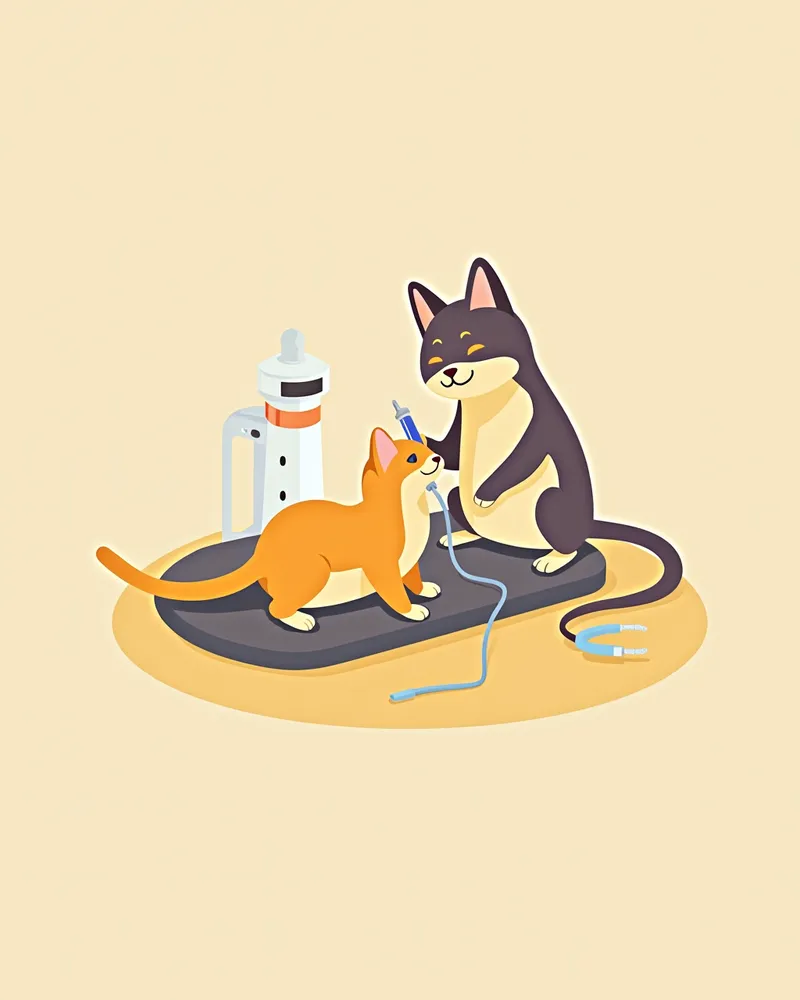
The veterinarian will directly examine your cat’s mouth, assessing for gum swelling, bleeding, and tooth mobility. - Oral examination: Radiographs are essential to detect deep inflammation or bone damage that cannot be seen with the naked eye. - Radiography: This allows for a precise evaluation of the tooth roots and surrounding bone structure. - Need for anesthesia: Anesthesia is administered during the examination and imaging process to minimize your cat’s stress and anxiety. - Accurate assessment: Multiple diagnostic tests are performed concurrently to determine the extent and severity of the inflammation. - Treatment planning: Based on the diagnostic results, we will decide whether scaling, medication, or tooth extraction is necessary. Effective treatment is difficult without an accurate diagnosis, so a visit to the clinic is essential.
A photo of a veterinarian performing a dental examination on an animal under anesthesia.

Treatment Involves Scaling and Medication

The cornerstone of treatment is scaling to remove tartar and plaque from the tooth surfaces under anesthesia. - Scaling: This involves deep cleaning down to the tooth roots to eliminate the source of inflammation. - Medication: Antibiotics or anti-inflammatory drugs may be prescribed to reduce inflammation and alleviate pain. - Pain Management: Since discomfort can persist after treatment, pain relievers may be used concurrently. - Tooth Extraction: If a tooth is severely loose or there is significant bone damage, extraction may be necessary. - Preventing Recurrence: Consistent oral care remains essential after treatment. The success of the treatment largely depends on maintaining good care habits.
A photo of a cat recovering after dental treatment

Home Care and Prevention Tips

Consistent care remains essential even after treatment. Make brushing your pet’s teeth a daily habit. Specialized dental diets and treats can also support oral health. Toothpaste or water additives recommended by your veterinarian are effective options.
Daily tooth brushing: Use a soft-bristled toothbrush and toothpaste formulated specifically for cats.
Choosing specialized diets: Select foods containing ingredients that help inhibit tartar formation.
Using dental treats: Offer treats designed to help clean teeth.
Regular check-ups: Schedule oral examinations every six months.
Water additives: Add veterinarian-recommended products to your pet’s drinking water.
A cat grooming its teeth

Breed-Specific Precautions and Recurrence Prevention

Inflammatory oral diseases are more commonly reported in certain purebred cats, such as Burmese, Siamese, and Maine Coon cats. For these cats, regular oral care is especially important. Even after treatment, if consistent home care is discontinued, the likelihood of recurrence is high; therefore, maintaining daily care habits, such as brushing your cat's teeth, is the most crucial step.

Reviewed by a veterinarian

Dr. Tony — Punnawat Phongkittirak

Dr. Tony — Punnawat Phongkittirak

Veterinarian

A veterinarian who majored in veterinary medicine at Khon Kaen University, Thailand, and completed the IVSA program at North Carolina State University in the United States. Drawing on clinical experience at animal hospitals, he works in the pet healthcare field and is dedicated to building a digital care environment that connects pet parents with veterinarians.

Frequently Asked Questions

Is feline gingivitis untreatable?
Treatment is possible. Scaling and medication can help reduce inflammation and preserve the teeth. However, consistent care is necessary to prevent recurrence.
How do I brush my pet’s teeth at home?
Use a soft toothbrush and toothpaste specifically designed for cats. Start by applying a small amount of toothpaste to your finger and gently letting your cat get used to the sensation. Gradually introduce the toothbrush to help them become comfortable with it.
If gingivitis becomes severe, does the tooth need to be extracted?
If the teeth are severely loose or there is significant bone damage, extraction may be the best option. Your veterinarian will evaluate the condition of the teeth and make the final decision.
Is gingivitis the only reason why cats have bad breath?
No. Bad breath can be caused not only by gingivitis but also by kidney disease, diabetes, and gastrointestinal issues. Persistent bad breath warrants a veterinary checkup.
What kind of dental care treats are good?
Treats containing ingredients that inhibit tartar buildup are a good choice. For the safest option, go with products recommended by veterinarians.

Comparison of Management Methods for Preventing Gingivitis

ItemEffectivenessCostDifficulty of Practice
Daily tooth brushingVery highInexpensiveModerate
Using special foodModerateModerateLow
Using treatsModerateLowLow
Dental water additiveLowInexpensiveLow

Daily tooth brushing is the most effective, but it can be hard to keep up. A combination of methods works best.

Share

Related Guides

References

[1] The Cat, Clinical Medicine and Management, 2nd Edition, 2023

[2] Clinical Medicine of the Dog and Cat, 4th Ed, 2021

[3] Veterinary Dentistry: Principles and Practice, 2020

This information is based on veterinary literature and does not replace diagnosis or treatment. Please consult a veterinarian for specific health concerns.

Metapet Co., Ltd. | CEO: Park Sung-yong | Business Reg. No. 417-88-02562 | Seoul, South Korea | Customer Center

Cat's Gums Red & Swollen? Gingivitis Causes & Treatment | Meongsiljang