Like
Share
멍실장
강아지 문맥 단락 수술 교정 증상과 원인, 진단·치료와 관리 포인트 총정리

My Dog Is Constantly Lethargic and Weak — Symptoms of Portosystemic Shunt and Surgical Timing

Liver HealthDiseasesMeongsiljang Veterinary Advisory Board

Surgical correction of a portosystemic shunt in dogs is a procedure that addresses abnormal blood flow caused by liver dysfunction. The symptoms typically involve a combination of neurological and gastrointestinal issues.

What Is Surgical Correction of a Portosystemic Shunt in Dogs?
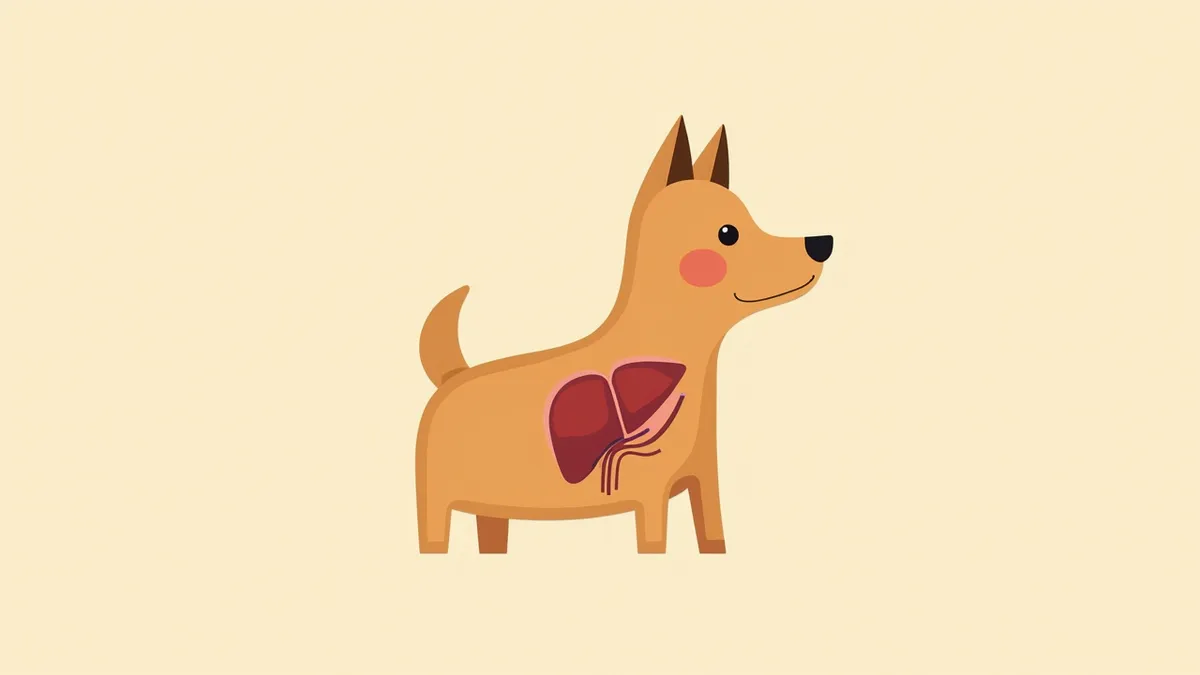
Anatomical diagram for surgical correction of portosystemic shunt in dogs
Portosystemic shunt surgery in dogs is a corrective procedure for a condition in which normal blood flow to the liver is disrupted, causing blood to bypass the liver through an abnormal shunt. This surgery plays a critical role in preventing the accumulation of toxic substances due to impaired liver function and in averting neurological complications. - Portosystemic shunt: An abnormal blood flow pattern in which blood that should travel to the liver instead bypasses it and returns to the heart via abdominal blood vessels. - Surgical objective: To support the restoration of liver function and prevent the buildup of toxic substances in the brain. - Surgical approach: The procedure typically involves occluding or regulating the shunt. Postoperative pain management and infection prevention are essential. - Treatment outcomes: In most cases, neurological symptoms improve and the dog’s quality of life is significantly enhanced.

What Are the Main Causes of Portosystemic Shunt?
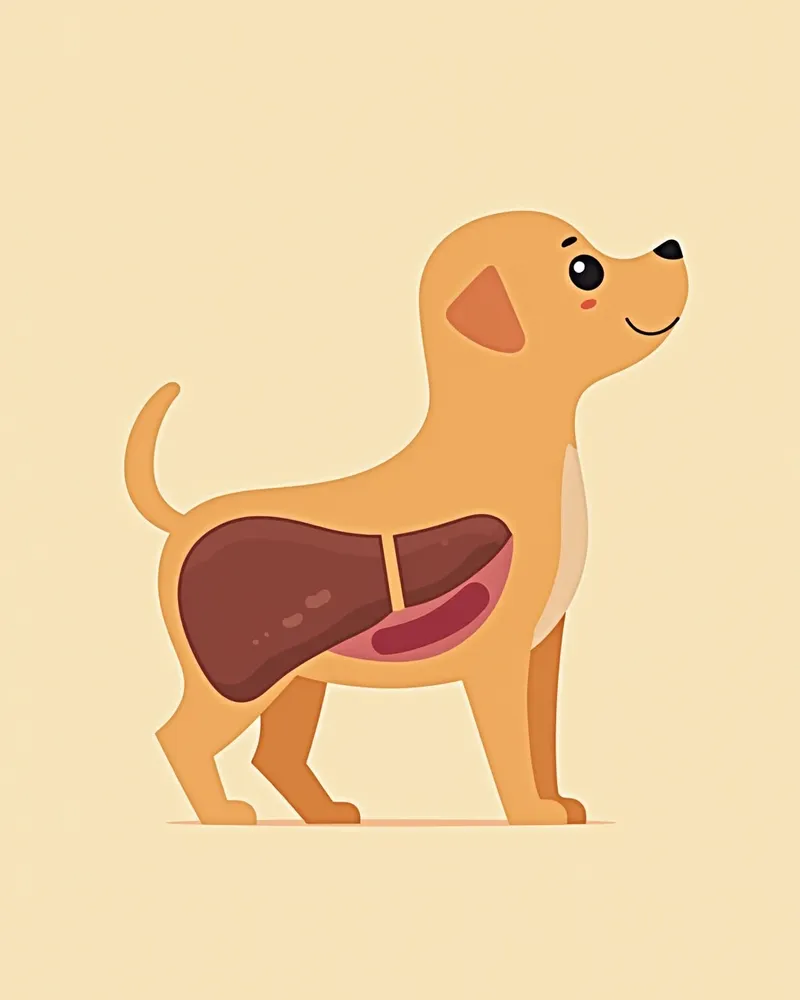
The primary cause of portosystemic shunt surgery in dogs is a congenital vascular anomaly. Congenital portosystemic shunts occur when the liver fails to receive adequate nutrients and growth factors, resulting in improperly developed normal vascular structures. Symptoms often appear in puppies under one year of age. - Congenital anomalies: This condition involves the absence of normal hepatic vascular structures from birth, causing blood to bypass the liver and flow abnormally. - Acquired causes: In chronic liver diseases such as cirrhosis, increased portal pressure can lead to the formation of new collateral vessels (acquired shunts) that allow blood to bypass the liver. - Risk factors: Extrahepatic shunts are more common in small-breed dogs, while intrahepatic shunts are more common in large-breed dogs. The condition frequently affects Lhasa Apsos, Shih Tzus, Miniature Schnauzers, Pugs, and Terrier breeds. - Mechanism: When blood bypasses the liver and flows directly into systemic circulation, toxic substances such as ammonia absorbed from the intestines are not filtered by the liver. These toxins then affect the brain, leading to symptoms of hepatic encephalopathy.
The anatomical structure of the hepatic portal system in dogs

What Are the Main Symptoms and Signs?
The main symptoms of portosystemic shunt surgery in dogs are a combination of neurological abnormalities and gastrointestinal symptoms. This is due to the accumulation of toxic substances caused by decreased liver function. Symptoms include behavioral changes, seizures, lethargy, vomiting, and loss of appetite. Early detection is key to increasing the success rate of treatment.
Behavioral changes: Sudden drowsiness or sluggish responses.
Seizures: Sudden trembling or arching of the body.
Repeated vomiting: Frequent vomiting after meals.
Loss of appetite: No interest in treats or food.
Lethargy: Staying in the same spot all day without moving.
Key symptoms and signs associated with surgical correction of portosystemic shunts in dogs

Emergency Signs Requiring Immediate Veterinary Visit

If your dog suddenly experiences seizures or loses consciousness, you should visit a veterinary clinic immediately. This may be a sign that toxic substances have accumulated in the brain, causing severe neurological damage. Additionally, if persistent vomiting or bloody stools occur, a pre-surgical evaluation is necessary.

Diagnostic Tests for Accurate Diagnosis
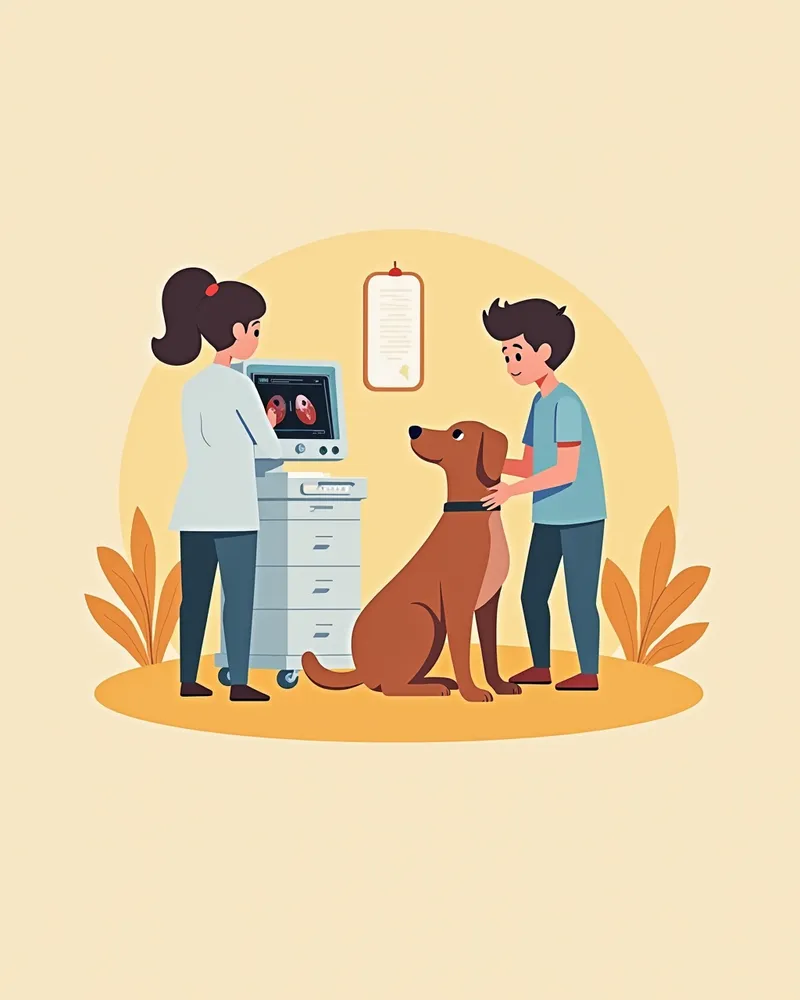
To accurately diagnose portosystemic shunt surgery correction in dogs, multiple tests are conducted in parallel. - Blood tests: Liver function markers and ammonia levels are checked to assess whether liver function is impaired. - Ultrasound examination: The structure of the liver and blood flow patterns are visually examined to determine the presence of a portosystemic shunt. - CT or MRI: These provide more detailed anatomical information, aiding in preoperative planning. - Correlation with clinical symptoms: When neurological abnormalities and gastrointestinal symptoms occur together, these test results are interpreted comprehensively. - Diagnostic criteria: Symptoms, test results, and imaging findings are evaluated together to determine surgical suitability.
Ultrasound examination scene for diagnosing portosystemic shunt correction surgery in dogs

Surgical Treatment Steps and Methods
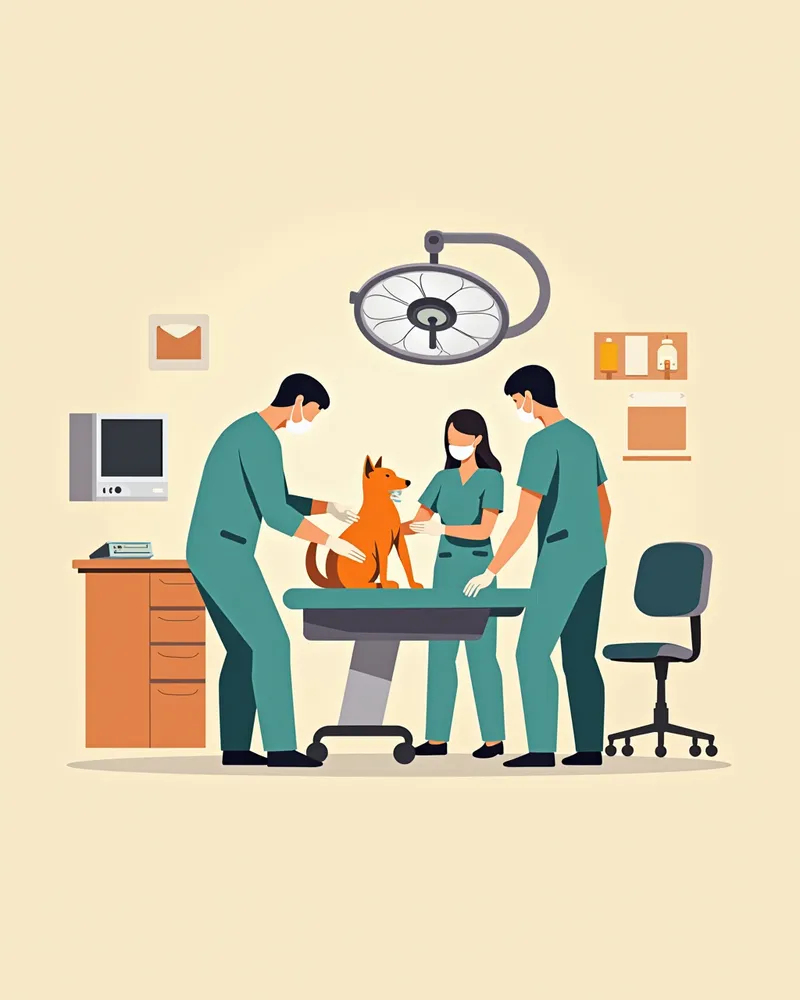
Surgical correction of a portosystemic shunt is performed through surgery, primarily by blocking or regulating the abnormal blood vessel. Pain management and infection prevention are essential before and after the procedure. Neurological responses must be closely monitored within 24 hours post-surgery. The success rate of the surgery varies significantly depending on early diagnosis and appropriate management.
Preoperative preparation: Fasting, blood tests, and electrocardiogram (ECG) measurements are required.
Intraoperative care: General anesthesia and blood pressure monitoring are essential.
Postoperative care: Administration of pain medication, infection prevention, and dietary management are necessary.
Preventing recurrence: Regular check-ups and blood tests are important.
Operating room scene for surgical correction of portosystemic shunt in dogs

Post-Surgical Home Care Points

Post-surgical home care for your dog is crucial. Dietary management, medication adherence, and activity restriction are essential. In particular, you should regulate protein intake and avoid foods that place a burden on the liver. Additionally, carefully monitor your dog’s skin condition and bowel movement patterns within the first week after surgery. Regular check-ups are also necessary to prevent recurrence.
Dietary Management: A low-protein diet is recommended.
Medication: Administer medications exactly as directed by your veterinarian.
Activity Restriction: Minimize all activities other than walks for two weeks.
Skin Monitoring: Check the surgical site for swelling or bleeding.
Bowel Movement Patterns: Record any changes in stool color and consistency.
Home care scene after a puppy’s portosystemic shunt surgery

Breed-Specific Precautions and Prevention of Recurrence

Congenital portosystemic shunts are most commonly seen in small-breed dogs, particularly Lhasa Apsos, Shih Tzus, Miniature Schnauzers, Pugs, and Terriers. Because the surgical treatment involves gradually occluding the abnormal vessel, the shunt may not close completely or portal hypertension may develop over time. Therefore, regular check-ups and blood tests are essential to monitor your dog’s condition even after surgery. If neurological signs such as lethargy, behavioral changes, or seizures reappear, please visit the clinic immediately, regardless of how much time has passed since the procedure.

Reviewed by a veterinarian

Dr. Tony — Punnawat Phongkittirak

Dr. Tony — Punnawat Phongkittirak

Veterinarian

A veterinarian who majored in veterinary medicine at Khon Kaen University, Thailand, and completed the IVSA program at North Carolina State University in the United States. Drawing on clinical experience at animal hospitals, he works in the pet healthcare field and is dedicated to building a digital care environment that connects pet parents with veterinarians.

Frequently Asked Questions

Is surgery always necessary for correcting a deviated septum?
Surgery is the most effective way to restore liver function. Since complete recovery is difficult with medication alone, surgery is recommended based on the veterinarian’s assessment.
How long does the recovery period after surgery take?
It generally takes about 2 to 4 weeks, and activity restriction along with regular check-ups are necessary. There may be variations depending on each individual's condition.
How should I manage my pet’s diet after surgery?
A low-protein diet is recommended, and using a special prescription diet recommended by your veterinarian is the safest option. Excessive protein intake can put a strain on the liver.
Is the likelihood of recurrence high?
The procedure gradually narrows the blood vessel, so it may not become completely occluded, or portal hypertension may develop later. Regular check-ups and blood tests are essential to monitor your pet’s condition, and if neurological symptoms reappear, please visit the clinic immediately regardless of the time since the procedure for safety.
Is fasting required before surgery?
Yes, fasting for 8 to 12 hours before surgery is necessary. This helps prevent stomach contents from being aspirated into the airway during anesthesia.

Share

Related Guides

References

[1] Fossum TW. Preoperative and intraoperative care of the surgical patient. In: Fossum TW, Duprey LP, O’Connor D, editors. Small animal surgery. 3rd ed. Boston, MA: Elsevier; 2007.

[2] Hosgood G, Scholl DT. Evaluation of age as a risk factor for perianesthetic morbidity and mortality in the dog. J Vet Emerg Crit Care. 1998;8(3):222-36.

[3] Reader RC, McCarthy RJ, Schultz KL, et al (2020) Comparison of liposomal bupivacaine and 0.5% bupivacaine hydrochloride for control of postoperative pain in dogs undergoing tibial plateau leveling osteotomy. J Am Vet Med Assoc 256:1011–19.

This information is based on veterinary literature and does not replace diagnosis or treatment. Please consult a veterinarian for specific health concerns.

Metapet Co., Ltd. | CEO: Park Sung-yong | Business Reg. No. 417-88-02562 | Seoul, South Korea | Customer Center

Dog Lethargic & Weak: Portosystemic Shunt Surgery Timing | Meongsiljang