

Complete Guide to Monitoring Your Cat’s Respiratory Rate (RR) During Sleep: Heart Symptoms, Causes, Diagnosis, Treatment, and Management
A cat’s respiratory rate (RR) during sleep can serve as an early warning sign of heart disease. If it falls outside the normal range, consult your veterinarian immediately.
What Is Monitoring Your Cat’s Respiratory Rate (RR) During Sleep?

What Are the Main Causes of an Elevated Respiratory Rate During Sleep?
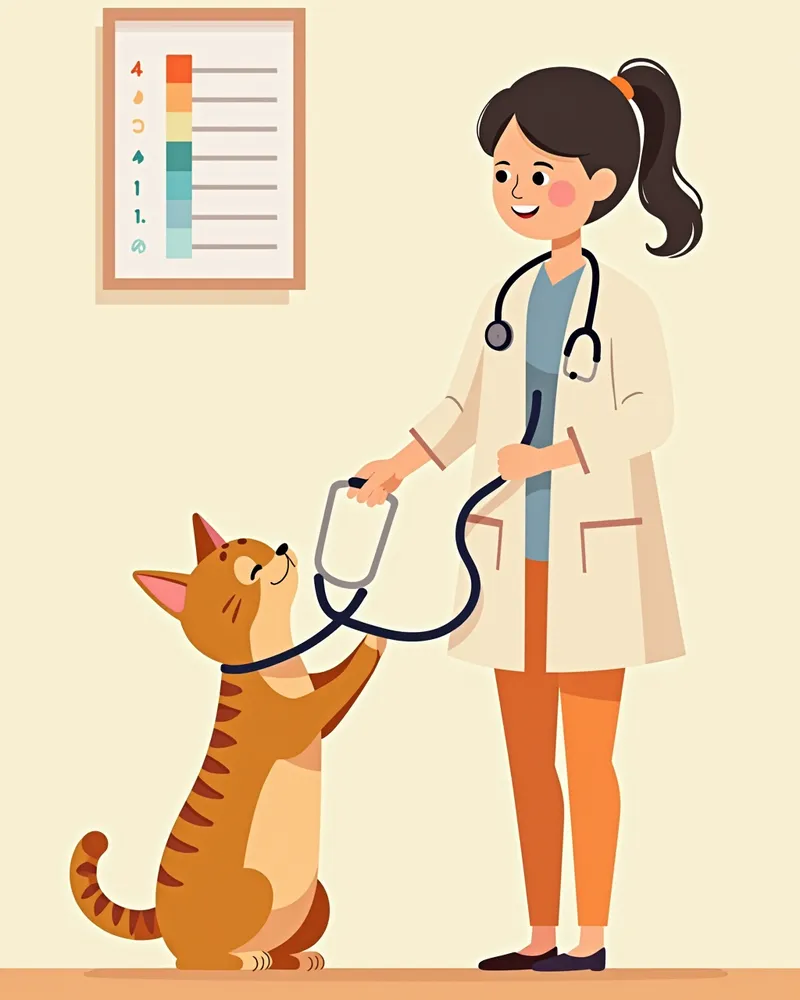
Checklist of Key Symptoms Related to Heart Problems

Emergency Signs Requiring Immediate Veterinary Visit
If your cat’s resting or sleeping respiratory rate suddenly and persistently exceeds its normal baseline, or if it begins breathing with its mouth open or develops bluish gums or lips, seek veterinary care immediately. These signs may indicate heart failure or acute respiratory distress. Respiratory distress is a true, life-threatening emergency in cats that requires prompt diagnosis and treatment. Do not delay—contact your veterinarian right away.
Comparison of Symptoms and Responses by Stage of Heart Disease
| Item | Respiratory Rate (per minute) | Key Symptoms | Response Method |
|---|---|---|---|
| Mild | 30–35 | Slightly short of breath after activity, occasional coughing | Diet and weight control, stress reduction, regular checkups |
| Moderate | 36–40 | Breathing difficulty during sleep, increased fatigue | Start medication such as diuretics, restrict activity, manage diet and weight |
| Severe | 40 or more | Open-mouth breathing, blue lips, lethargy | Visit the hospital immediately, emergency treatment such as oxygen supply and diuretics |
The respiratory rate ranges in the table are approximate reference values. The actual stage of heart disease and the appropriate response are not determined by respiratory rate alone; they are determined by a veterinarian's examination and tests such as echocardiography and chest X-ray (especially left atrial size and clinical signs), and there may be individual variation.
Diagnostic Tests for an Accurate Diagnosis

Treatment Methods: Step-by-Step Management Strategies

Home Management and Daily Care Tips

Certain Breeds Are More Susceptible to Heart Disease
Certain breeds, such as Maine Coons and Ragdolls, have a higher risk of developing hypertrophic cardiomyopathy (HCM) due to genetic factors. HCM is the most common form of cardiomyopathy in cats, though restrictive cardiomyopathy (RCM) can also occur. Meanwhile, long-haired breeds like Persians and Himalayans are known to be predisposed to congenital conditions such as peritoneopericardial diaphragmatic hernia (PPDH). It is important to research breed-specific traits and genetic disease risks before adoption and to ensure regular cardiac screenings.
Reviewed by a veterinarian

Dr. Tony — Punnawat Phongkittirak
VeterinarianA veterinarian who majored in veterinary medicine at Khon Kaen University, Thailand, and completed the IVSA program at North Carolina State University in the United States. Drawing on clinical experience at animal hospitals, he works in the pet healthcare field and is dedicated to building a digital care environment that connects pet parents with veterinarians.
Reviewed 2026-06-29
Frequently Asked Questions
Is a resting respiratory rate of 35 breaths per minute a cause for concern in cats?
When is the best time to measure respiratory rate?
Will giving heart medication reduce the respiratory rate?
Is it okay not to take my cat to the vet if its breathing rate is elevated?
Is there an app that records breathing rate during sleep?
Share
Related Guides

Top Recommended Feline Bronchodilators and Selection Criteria: A Complete Guide

Best Recommendations and Selection Criteria for Monitoring Your Cat’s Respiratory Rate (RR) During Sleep for Heart Care

Top Recommended Products for Managing Canine Tracheal Collapse and Selection Criteria

When to Start Oral Check-ups for Your Cat? — Signs Not to Miss and Recommended Frequency

Is Feline Anesthesia for Dental Procedures Safe? — Warning Signs and Safety Management Checklist

Canine Squamous Cell Carcinoma: Causes, Symptoms, Diagnosis, Treatment, and Management Tips

Cat Cancer Screening: A Complete Guide to Early Detection Warning Signs and Timing

Worried About Your Cat’s Cancer-Related Loss of Appetite? Key Dietary Management for Tumor Nutritional Support

My Dog Is Constantly Lethargic and Weak — Symptoms of Portosystemic Shunt and Surgical Timing

If Your Dog’s Liver Is Hardening — Symptoms, Diagnosis, and Management of Cirrhosis and Hepatic Fibrosis
References
[1] Feline Emergency and Critical Care Medicine, 2nd Ed. (2023). Elsevier.
[2] Advanced Monitoring for Small Animal Emergency and Critical Care, 2nd Ed. (2020). Wiley-Blackwell.
[3] Small Animal Critical Care Medicine, 3rd Ed. (2021). Saunders.