Like
Share
멍실장
고양이 음수량 모니터링 증상과 원인, 진단·치료와 관리 포인트 총정리

Complete Guide to Cat Water Intake Monitoring: Symptoms, Causes, Diagnosis, Treatment, and Management

Lifestyle & Age CareDiseasesMeongsiljang Veterinary Advisory Board

Changes in a cat’s water intake can be an early warning sign of various health issues, such as kidney disease, urinary tract problems, or stress. Regular monitoring is key to catching these conditions early.

Monitoring Cat Water Intake is Key to Health Checks
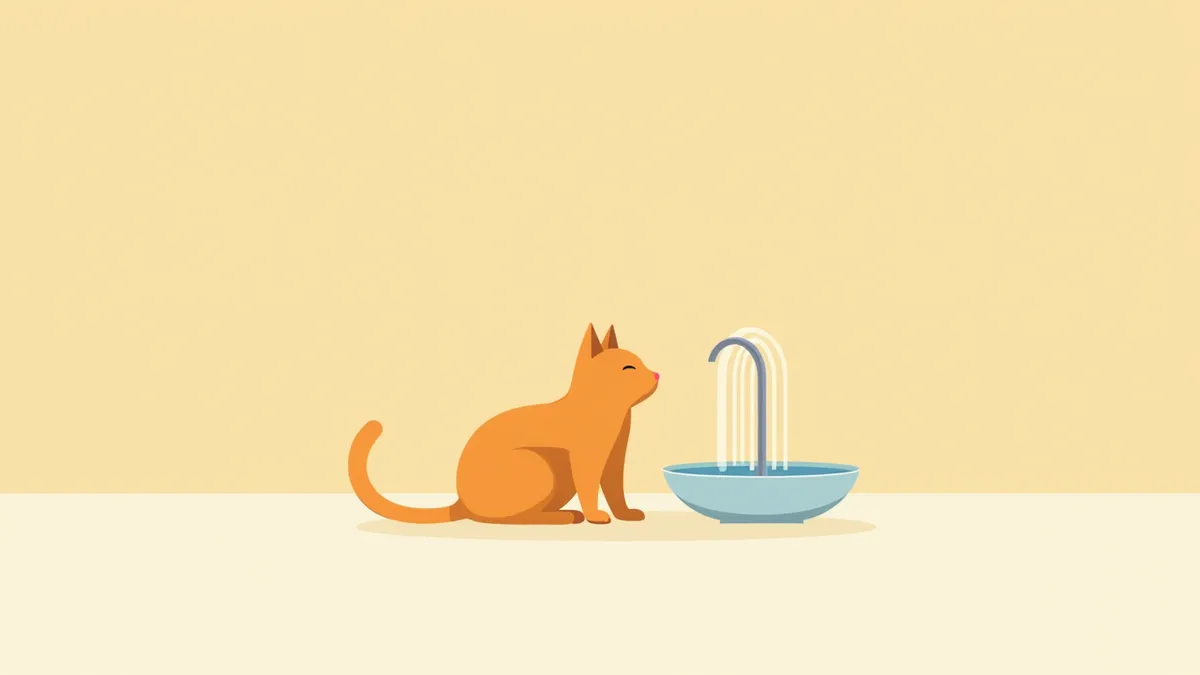
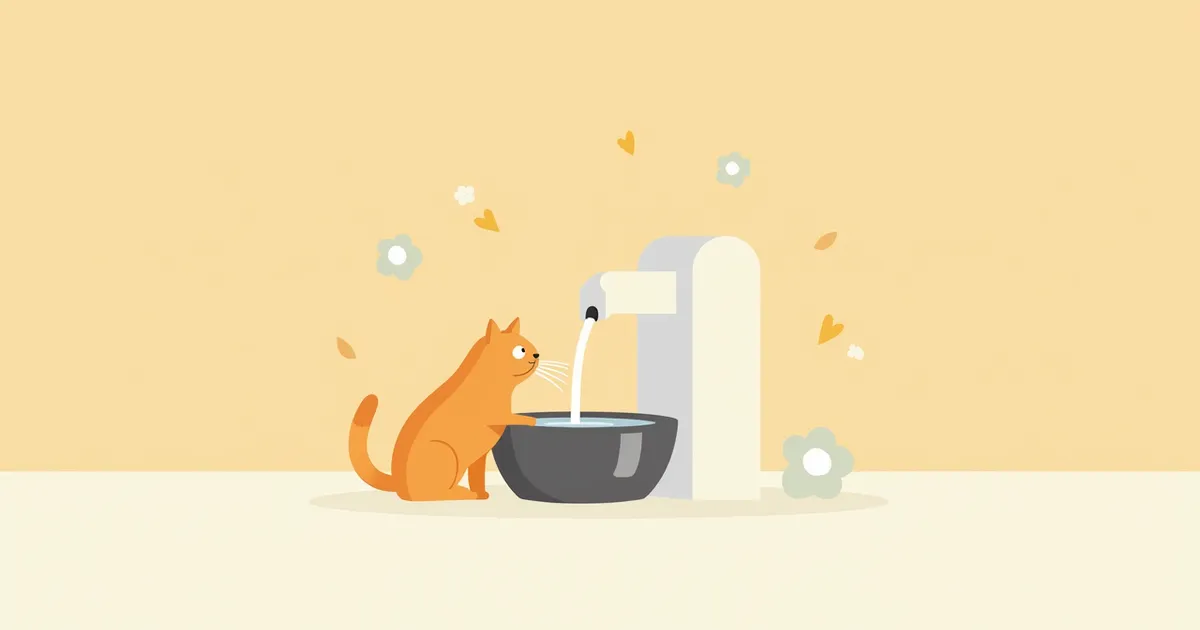
A cat sitting beside a flowing water fountain, drinking from it.
Changes in a cat’s water intake can be an early warning sign of various conditions, including chronic kidney disease, diabetes mellitus, and hyperthyroidism. If a cat’s daily water consumption exceeds 45 mL per kilogram of body weight, it is considered polydipsia (excessive thirst). If this persists, veterinary evaluation may be necessary. - Decreased kidney function: In chronic kidney disease, the kidneys cannot properly concentrate urine, leading to increased urine output. To compensate for this fluid loss, cats tend to drink more water. - Diabetes mellitus: High blood sugar causes glucose to spill into the urine, which draws water out through osmosis, increasing urine volume and triggering increased thirst. - Hyperthyroidism: This endocrine disorder, characterized by excess thyroid hormone, can also cause polydipsia and polyuria, often accompanied by weight loss. - Urinary tract issues: While there is no clear evidence that urinary tract infections directly increase water intake, they can co-occur with conditions like diabetes that do cause increased thirst. Therefore, it’s important to evaluate for both. Consistent monitoring is key for early detection and treatment.

What Are the Main Causes of Increased Water Intake?
There are several reasons why a cat’s water intake may increase. - Chronic kidney disease: When the kidneys can’t properly concentrate urine, urine volume increases, and the cat drinks more water to compensate. - Diabetes mellitus: Elevated blood sugar causes glucose to spill into the urine, leading to osmotic diuresis and increased urine output, which in turn triggers compensatory increases in water consumption. - Hyperthyroidism: Excess thyroid hormone can cause symptoms such as polydipsia (increased thirst), polyuria (increased urination), weight loss, and increased appetite. - Urinary tract issues: While urinary tract infections don’t directly cause increased water intake, they can occur as a complication of diabetes, so both conditions should be evaluated together. - Dietary factors: A diet centered on dry food provides less moisture, so cats may naturally drink more water to make up for it. To identify the underlying cause, please consult your veterinarian.
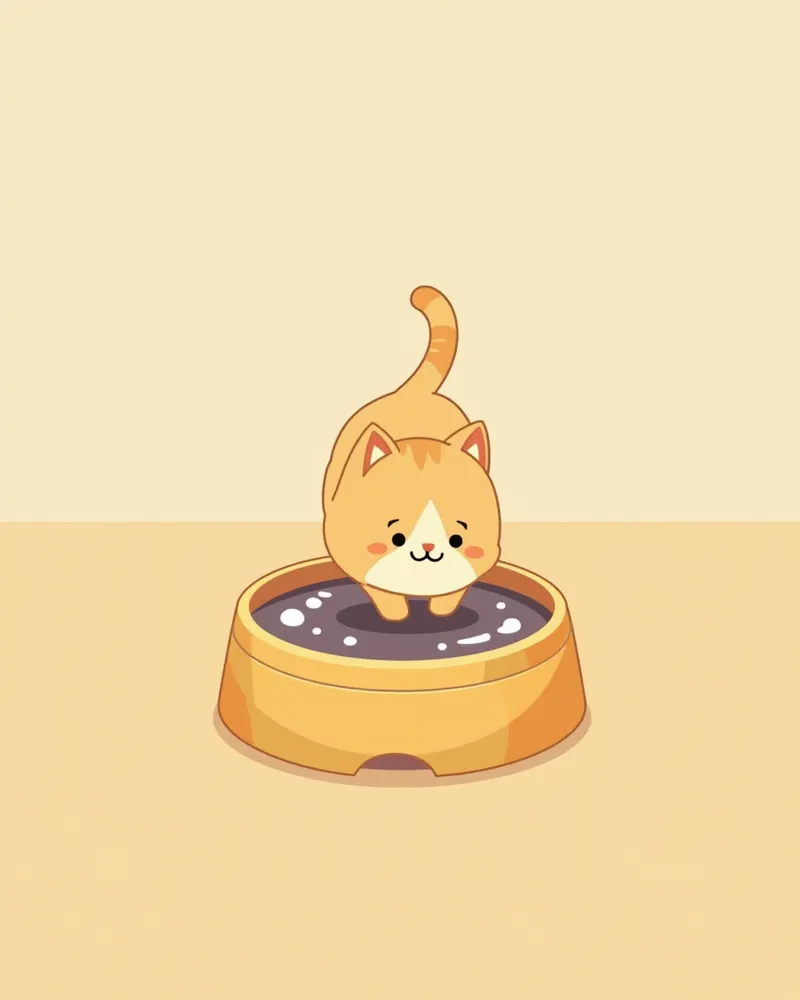
A cat's water bowl with little water left

Checklist of Main Symptoms of Changes in Water Intake
Here are the warning signs to watch for when monitoring your cat’s water intake. These behaviors can be early indicators of illness, so please check for them carefully.
Excessive drinking: Be alert if your cat consistently drinks more than 45 mL per kilogram of body weight, or if you notice repeated episodes of frequent drinking.
Frequent urination: Your cat may use the litter box more often or produce larger volumes of urine.
Decreased appetite: Your cat may drink more water while eating less food.
Increased fatigue: Your cat may rest for longer periods and show little activity throughout the day.
Changes in coat condition: The fur may become dry or shed more easily.
Weight loss: Your cat may maintain a normal appetite but experience rapid weight loss.
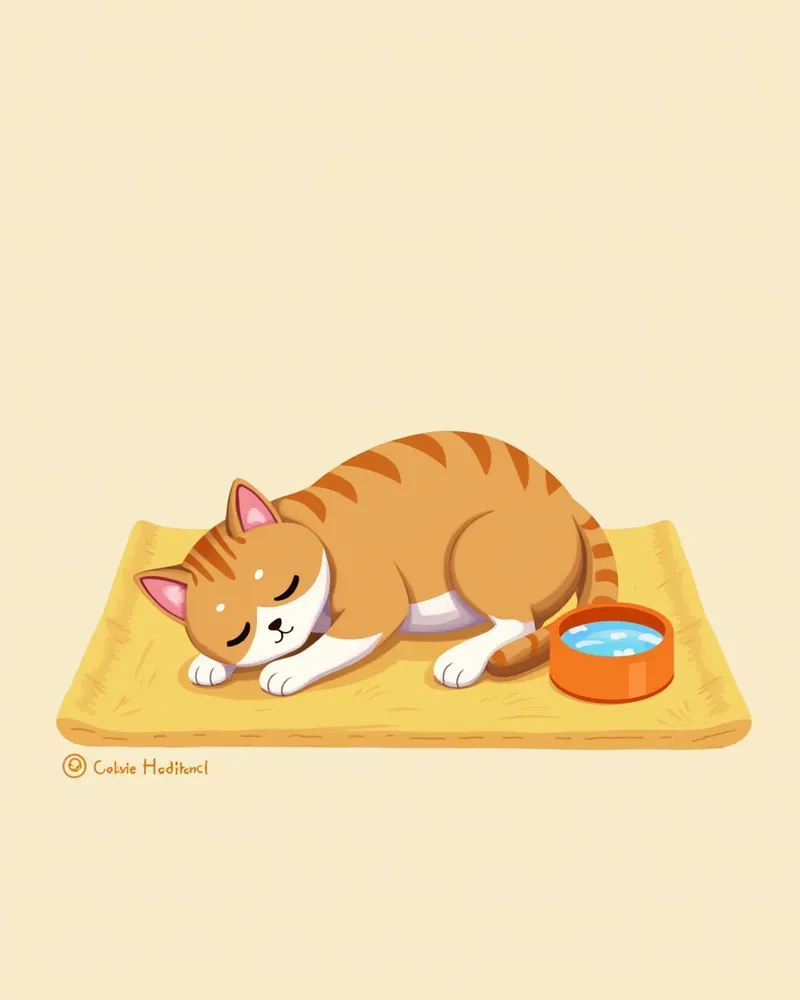
A cozy scene of a cat lying comfortably next to its water bowl.

When to Visit the Vet Immediately

If your cat consistently drinks large amounts of water, urinates more frequently than usual, or shows a significant decrease in appetite, it is advisable to consult a veterinarian. These symptoms could indicate conditions such as kidney dysfunction, diabetes, or hormonal imbalances, making early diagnosis and treatment essential.

What Are the Diagnostic Tests?
If increased water intake is suspected, we identify the underlying cause through various tests. - Blood tests: Assess kidney function by measuring blood urea nitrogen and creatinine levels. - Urinalysis: Check urine concentration and screen for abnormalities such as protein or glucose. - Blood glucose test: A key test to determine whether diabetes is present. - Kidney function tests: Provide a comprehensive evaluation of kidney size and functional status. - Ultrasound examination: Visually assess kidney structure and detect any abnormal lesions. A combination of tests is necessary to accurately identify the cause.
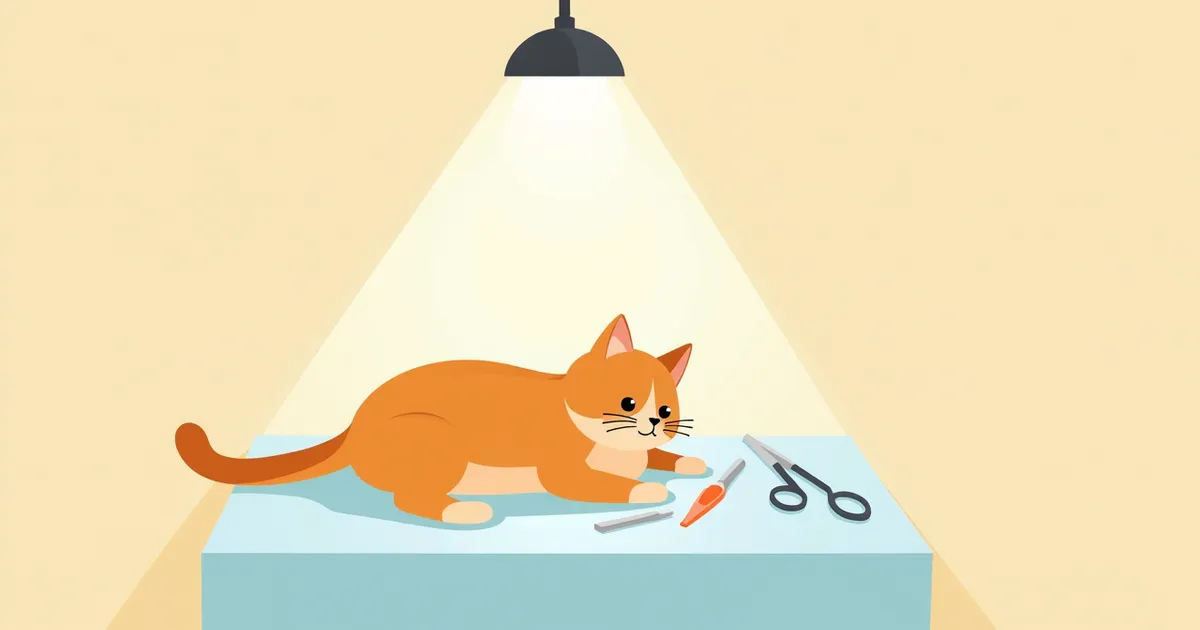
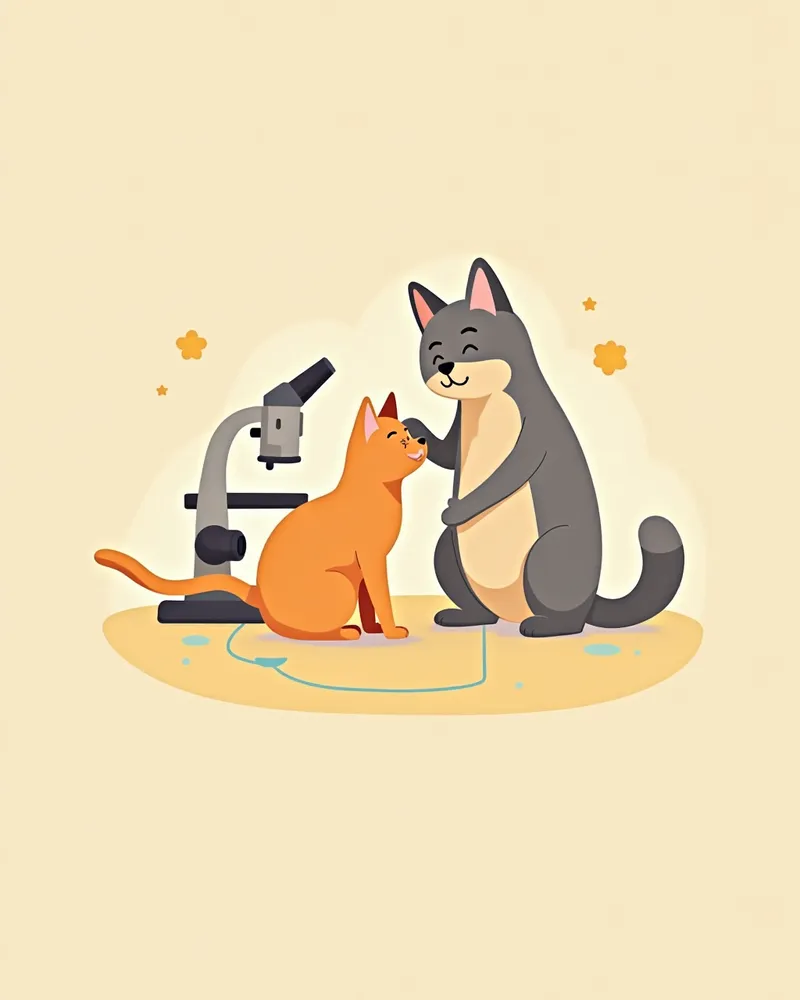
A veterinarian examining a cat’s urine sample under a microscope.

How Is Treatment Conducted?

Treatment depends on the underlying cause. - Kidney disease: Protect kidney function and regulate fluid balance with prescription diet and medication. - Diabetes: Stabilize blood sugar levels through insulin injections and dietary management. - Urinary tract infection: Eliminate the infection with antibiotics and help relieve pain. - Stress-related symptoms: Reduce stress by improving the environment and maintaining a stable daily routine. - Dietary factors: Increase water intake by switching to wet food or placing water bowls in more accessible locations. Work with your veterinarian to create a tailored treatment plan.
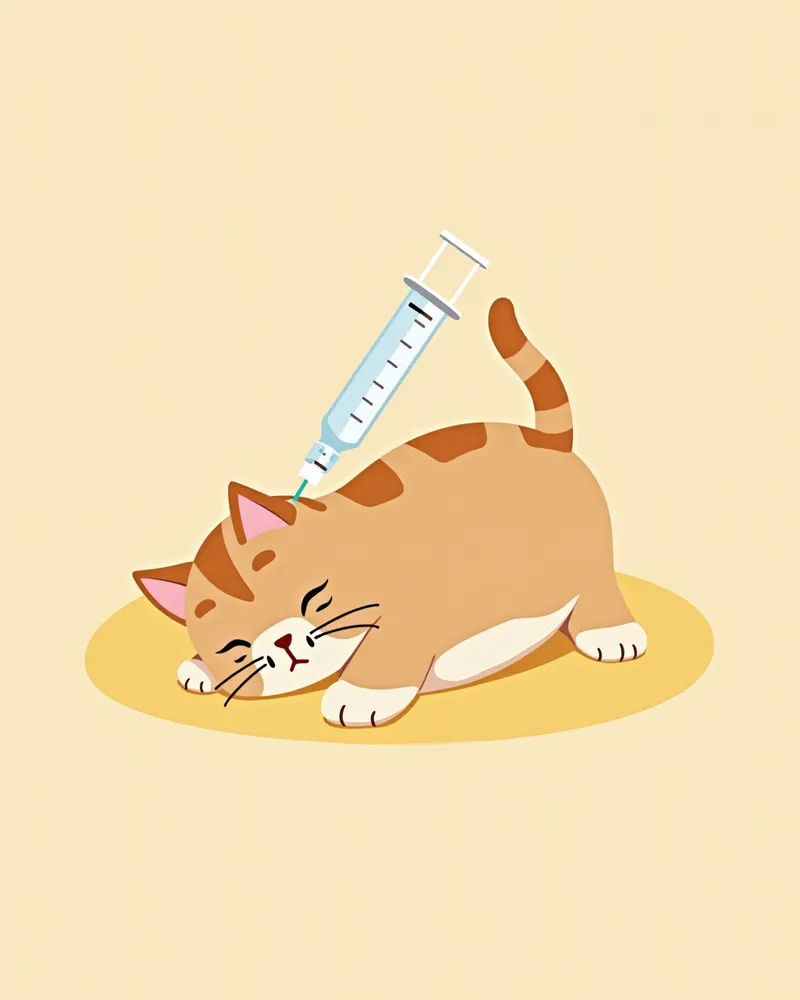
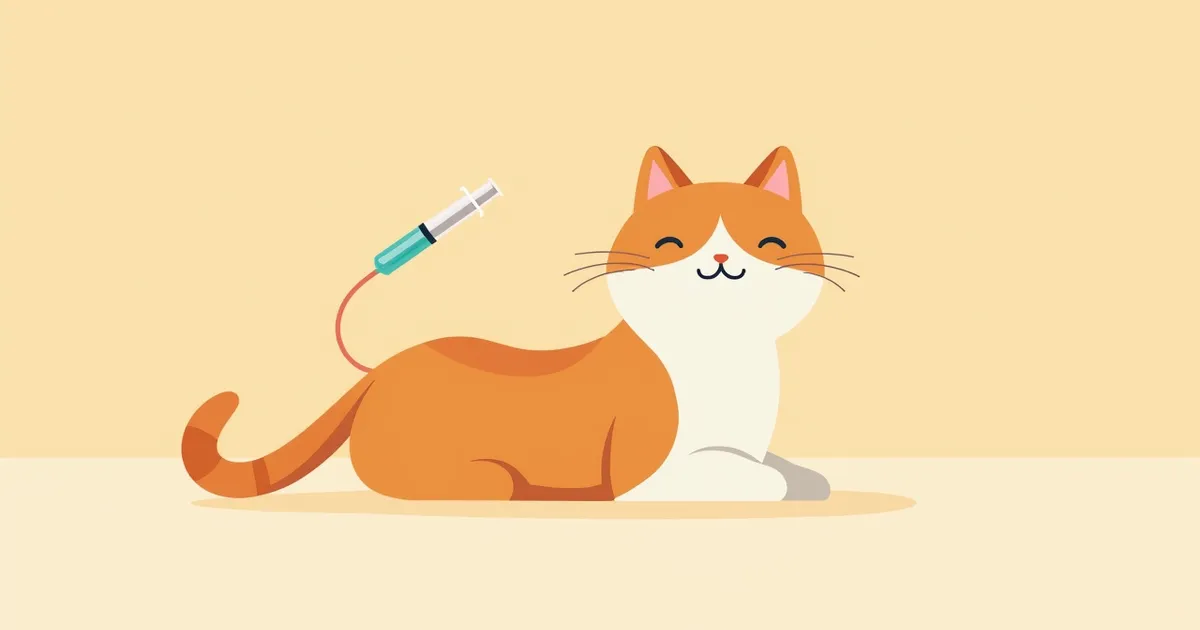
A veterinarian administering a subcutaneous injection to a cat.

Management Points at Home

Here are some daily management tips for monitoring your cat’s water intake. Building this habit can greatly help prevent illness. Change the water bowl frequently: Refresh the water once or twice a day. Cats tend to avoid dirty water. Offer water in various ways: Try different options such as flowing water fountains, open bowls, or bowls placed at higher levels. Introduce wet food: Wet food has a higher moisture content than dry food, which can naturally increase water intake. Adjust the water bowl location: Place it in a quiet area and avoid spots where your cat might compete with other animals. Record water intake: Measure and note the water level every morning and evening. This helps you track overall trends.
A variety of water bowl sets for cats

Certain Breeds Require More Attention to Changes in Water Intake

Certain breeds may have a genetic predisposition to specific diseases. For example, Burmese cats have been reported to be prone to diabetes, while long-haired breeds such as Persians and Maine Coons are known to have a predisposition to certain congenital conditions. However, regardless of breed, early screening is helpful if changes in water intake are observed, and it is important to proactively assess risks through regular health checkups.

Reviewed by a veterinarian

Dr. Tony — Punnawat Phongkittirak

Dr. Tony — Punnawat Phongkittirak

Veterinarian

A veterinarian who majored in veterinary medicine at Khon Kaen University, Thailand, and completed the IVSA program at North Carolina State University in the United States. Drawing on clinical experience at animal hospitals, he works in the pet healthcare field and is dedicated to building a digital care environment that connects pet parents with veterinarians.

Frequently Asked Questions

How many milliliters of water should a cat drink per day?
Generally, a normal water intake is 45 mL or less per kilogram of body weight. For example, a 4 kg cat typically drinks 180 mL or less per day. Exceeding this threshold may indicate polydipsia.
Should I change the water in my pet’s bowl frequently?
Yes, it's best to change the water once or twice a day. Contaminated water may make your cat reluctant to drink, so it's important to be careful.
Do flowing water fountains really work?
Yes, many cats prefer running water. The flow gives them a sense of freshness, which naturally encourages them to drink more.
Is it okay to feed only wet food?
Wet food helps increase your pet’s water intake, but for a balanced diet, it’s best to combine it with dry food. Consult your veterinarian for personalized advice.
What should I do if my pet is drinking less water?
A decrease in water intake can be a sign of dehydration. In such cases, rather than administering supplements on your own, it is best to consult a veterinarian as soon as possible to identify the underlying cause and receive appropriate treatment, such as fluid and electrolyte supplementation, if needed.

Comparison of Response Methods for Increased Water Intake by Stage

ItemMain CauseAppropriate ResponsePrecautions
MildTemporary stress, hot environmentChange water bowl location, introduce a running-water fountainA temporary symptom, so observation alone is sufficient
ModerateEarly diabetes, urinary tract infectionConsult a veterinarian, perform a urinalysisIf it persists, a hospital visit is essential
SevereChronic kidney disease, severe dehydrationVisit the hospital immediately, begin blood tests and treatmentDelay may pose a life-threatening risk

Changes in water intake can be an early sign of disease, so if symptoms persist, consult a specialist immediately.

Share

Related Guides
References

[1] The Cat, Clinical Medicine and Management, 2nd Edition. Elsevier, 2023.

[2] A Professional’s Guide to Feline Behaviour. Wiley-Blackwell, 2021.

[3] International Society of Feline Medicine Consensus Guidelines on Feline Lower Urinary Tract Disease. Journal of Feline Medicine and Surgery, 2022.

This information is based on veterinary literature and does not replace diagnosis or treatment. Please consult a veterinarian for specific health concerns.

Metapet Co., Ltd. | CEO: Park Sung-yong | Business Reg. No. 417-88-02562 | Seoul, South Korea | Customer Center

Cat Water Intake Monitoring: Symptoms, Causes & Care | Meongsiljang