Like
Share
멍실장
강아지 요도 카테터 삽입 관리 증상과 원인, 진단·치료와 관리 포인트 총정리

Complete Guide to Canine Urethral Catheter Management: Symptoms, Causes, Diagnosis, Treatment, and Care Points

UrinaryDiseasesMeongsiljang Veterinary Advisory Board

Managing a urinary catheter in dogs is an essential surgical intervention when dealing with urinary obstruction or voiding difficulties. Without proper care, it can lead to infections or kidney damage.

What is Canine Urethral Catheter Management?
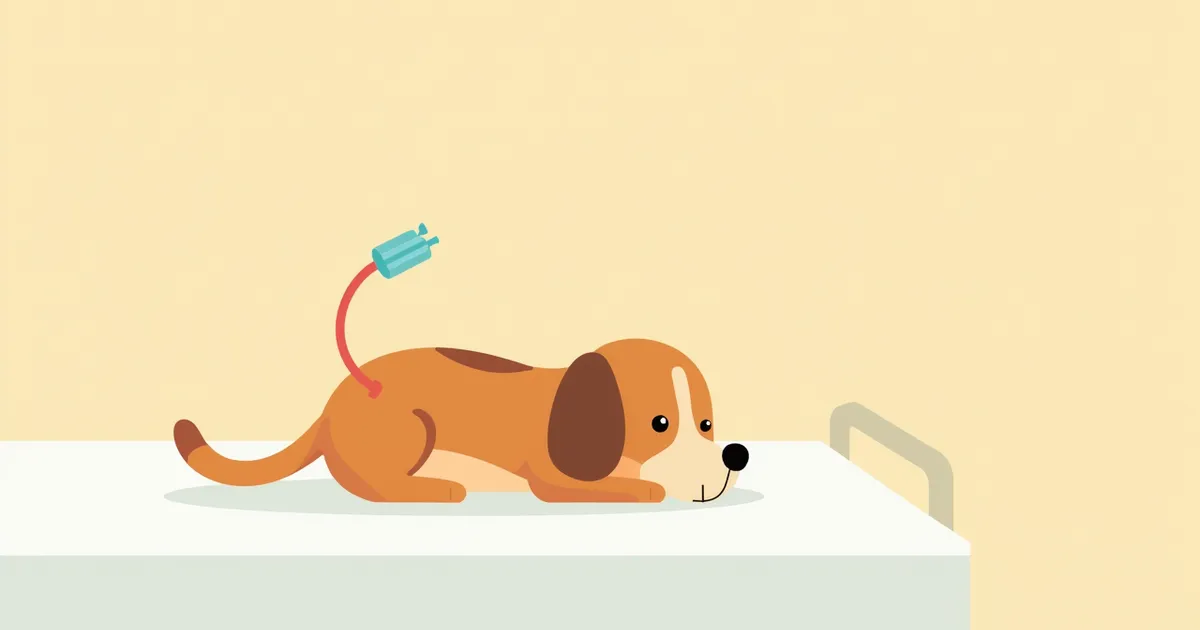
A veterinarian inserting a catheter into a dog’s urethra under sterile conditions.
Urethral catheter management in dogs is a medical procedure in which a catheter is inserted through the urethra to drain urine externally when it cannot be properly expelled due to urinary obstruction or voiding dysfunction. This intervention plays a critical role in preventing acute kidney injury and preserving renal function. - Prevention of urinary obstruction: The catheter keeps the urethra continuously open to maintain urine flow. - Infection control: The catheter is inserted under sterile conditions, and regular cleaning helps reduce the risk of infection. - Kidney protection: By preventing urine accumulation, the catheter helps avoid kidney damage. - Regular monitoring: The catheter’s position and urine flow must be checked daily. - Caregiver role: Care at home significantly influences treatment success, so close observation is essential.

What are the Main Causes of Urethral Catheterization?
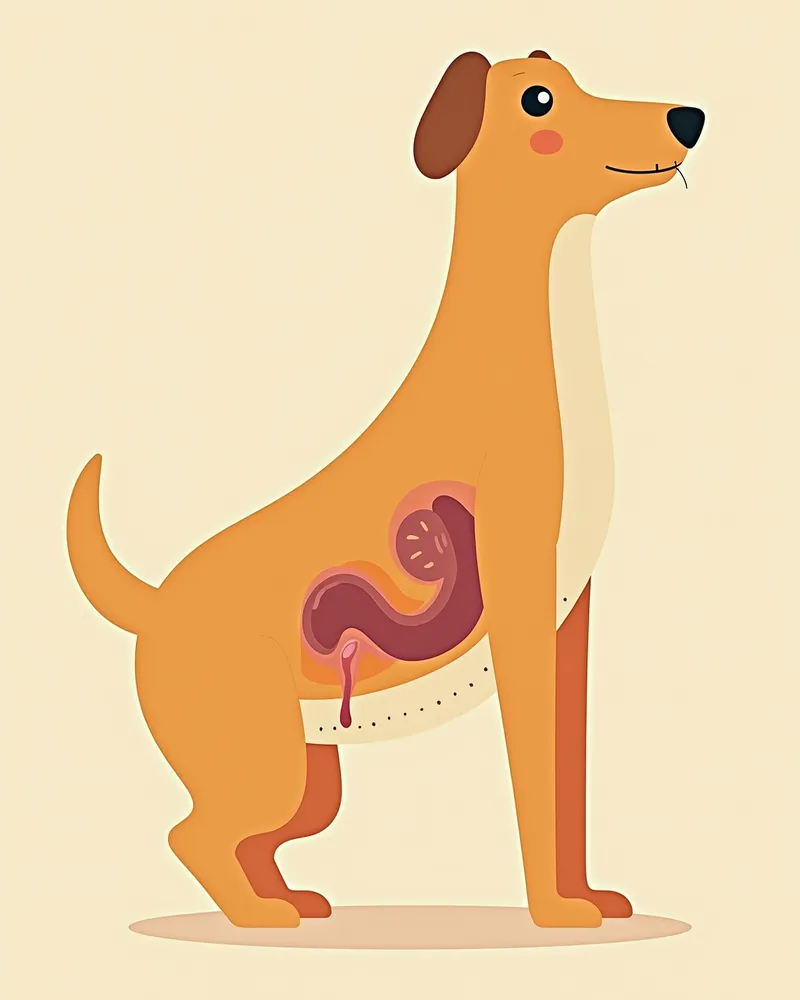
Urethral catheterization in dogs is primarily required in cases of urinary obstruction. - Stone formation: Urinary stones (calculi) can accumulate in the urethra, causing narrowing or complete blockage. - Inflammatory response: Irritation or inflammation of the urethra can lead to swelling and narrowing, making urination difficult. - Tumors or trauma: Tumors in the urethra or bladder, or structural damage from trauma, can obstruct urine flow. - Risk in males: Male dogs have a longer urethra, and catheter insertion often encounters resistance behind the os penis and at the ischiatic arch, making obstruction more likely. - Prevention of acute kidney failure: Catheterization is a critical intervention that restores urine flow and helps prevent kidney damage.
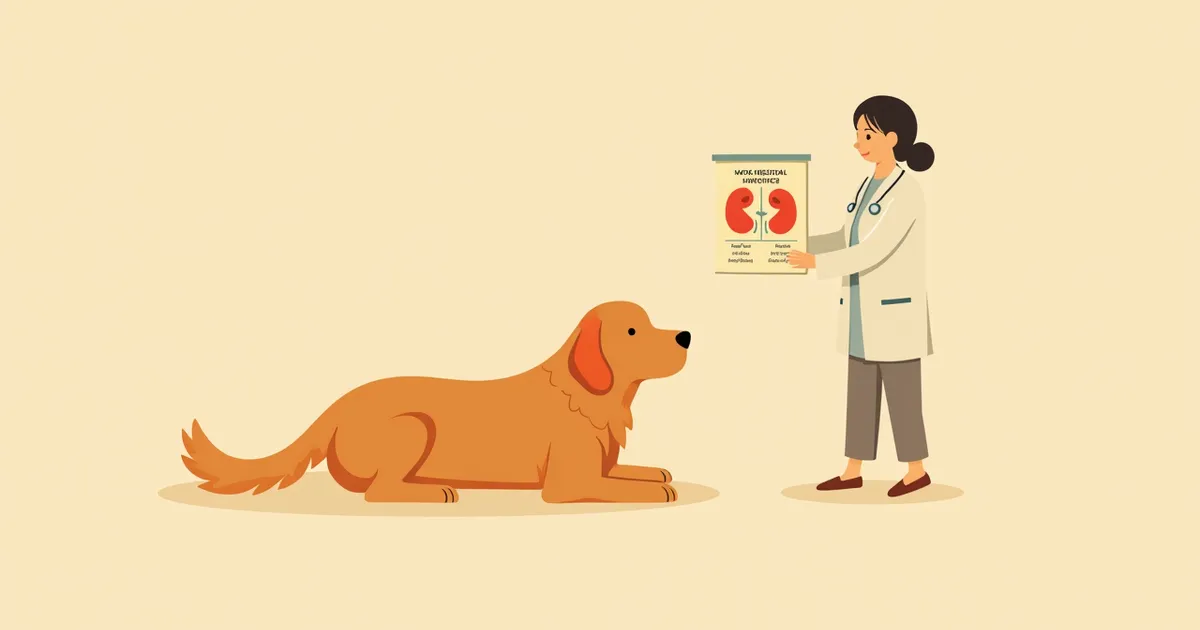
An anatomical diagram showing a dog’s urethra blocked by a stone.

Main Symptoms That May Occur After Urethral Catheter Insertion

After catheter insertion, owners should closely monitor for the following signs, which help detect infection or catheter displacement at an early stage.
Changes in urine color or clarity: If urine that was becoming clear suddenly turns red or cloudy, it may indicate hematuria or infection.
Signs of pain: Your pet may cry out during urination or tremble with its hind legs, expressing discomfort.
Signs suggesting infection: Fever, along with redness, swelling, discharge, or odor around the catheter site, raises suspicion of infection.
Catheter displacement: If the catheter comes out completely or moves excessively, immediate veterinary attention is required.
Poor urine output: If the catheter becomes blocked and no urine is passing, urgent intervention is necessary.
A dog’s expression showing discomfort after catheter insertion

Emergency Signs Requiring Immediate Veterinary Visit

If your pet is unable to urinate at all, has a distended abdomen, or is showing signs of severe pain, you should visit the vet immediately. This could indicate a recurrence of urinary obstruction or a blocked catheter. Delaying treatment can lead to kidney damage or even death.

Diagnostic Methods for Urethral Catheterization
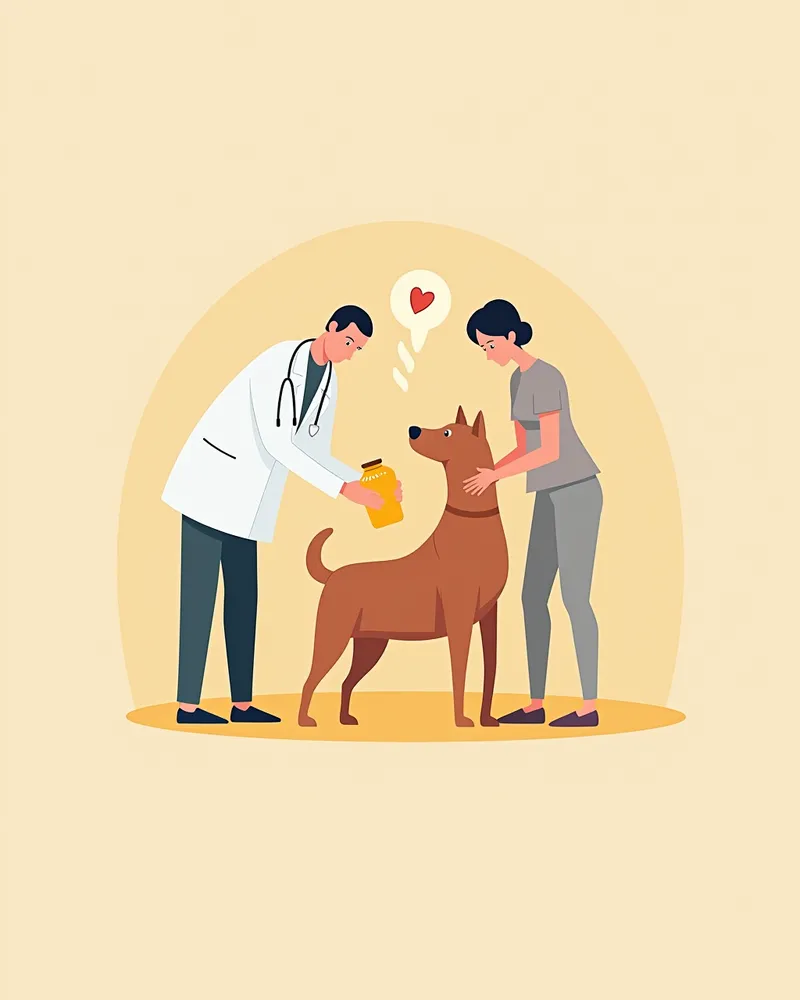
Accurate diagnosis is essential before inserting a urethral catheter. - Ultrasound: Evaluates the bladder and urinary tract to check for stones or tumors (masses). - Radiography: Since most urinary stones are not detectable through physical examination alone, imaging is crucial to determine the location and size of the stones. - Urinalysis: Assesses for signs of infection, such as hematuria (blood in urine) or turbidity. If necessary, cystocentesis (bladder tap) is performed to confirm urinary tract infection. - Blood tests: Measures kidney function indicators (creatinine, BUN) to assess overall health status. - Diagnostic catheterization and imaging: Identifies the cause and location of the obstruction to determine the appropriateness and method of catheter insertion.
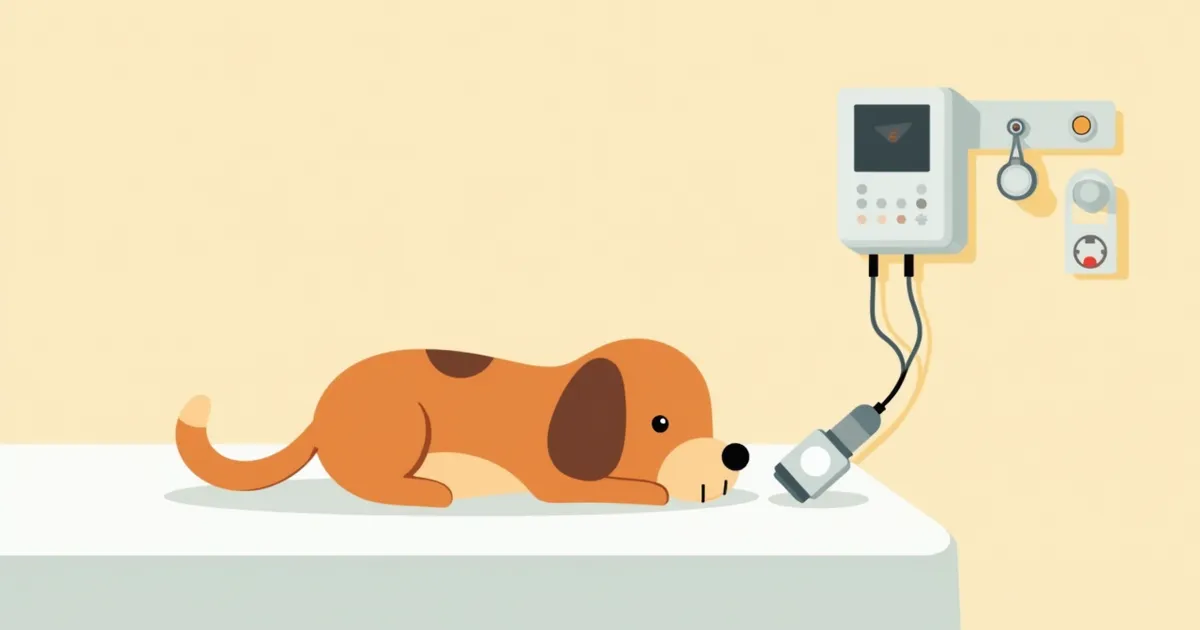
A veterinarian examining a puppy’s urinary tract through an abdominal ultrasound.

Step-by-Step Procedure for Urethral Catheter Treatment
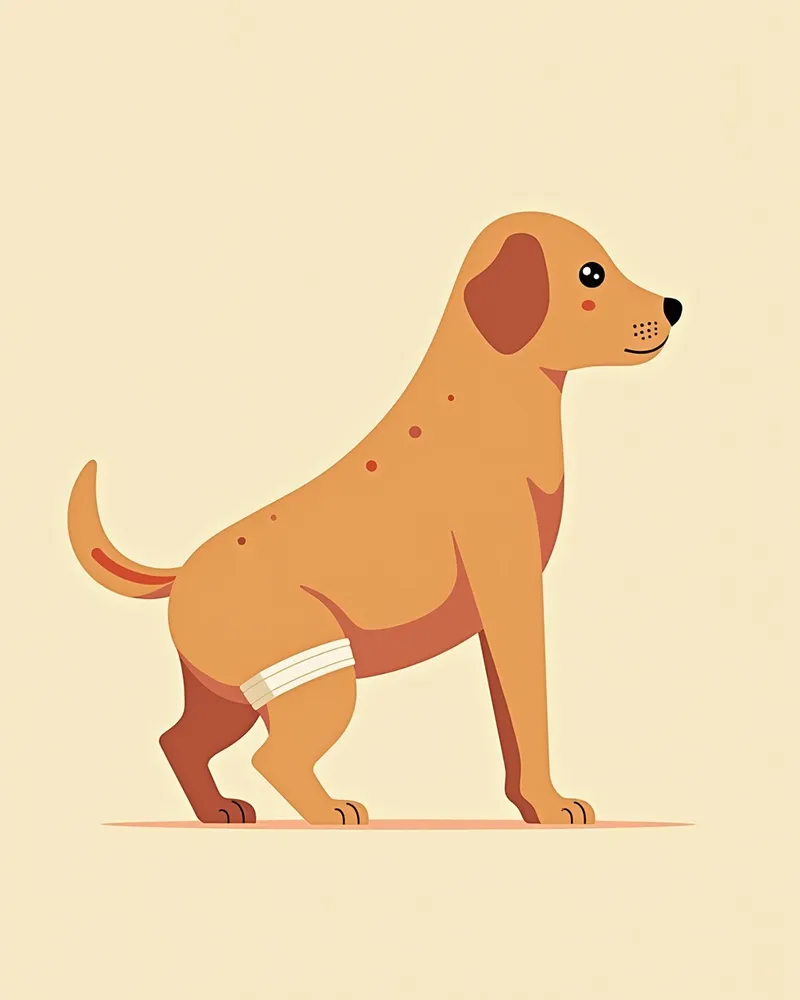
Urethral catheterization is performed through a systematic, step-by-step process. - Aseptic preparation: The veterinarian thoroughly washes their hands and prepares the catheter under sterile conditions using sterile gloves, sterile drapes, and sterile lubricant. - Insertion: After alleviating pain and tension with a local anesthetic or, if necessary, sedation, the catheter is gently inserted along the urethra. - Urine verification: The veterinarian confirms that the catheter is correctly positioned in the bladder and that urine is draining properly. - Securing and management: The catheter is secured in place, and a closed urine collection system is attached. - Infection control: Maintaining sterility is essential. Antibiotics are used only when an infection is confirmed and at the veterinarian’s discretion. - Regular monitoring: The catheter’s condition and urine flow are checked regularly, and any abnormalities are addressed immediately.
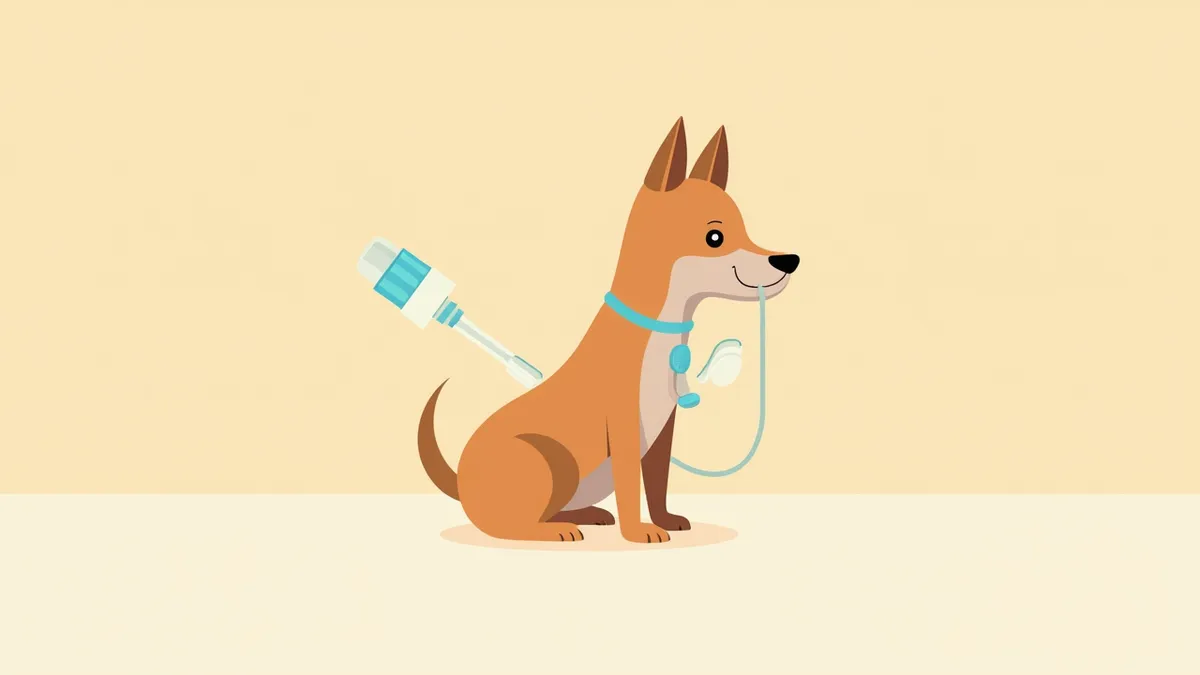
A veterinarian securing a catheter to a puppy’s hind leg with tape

Key Points for Urethral Catheter Care at Home
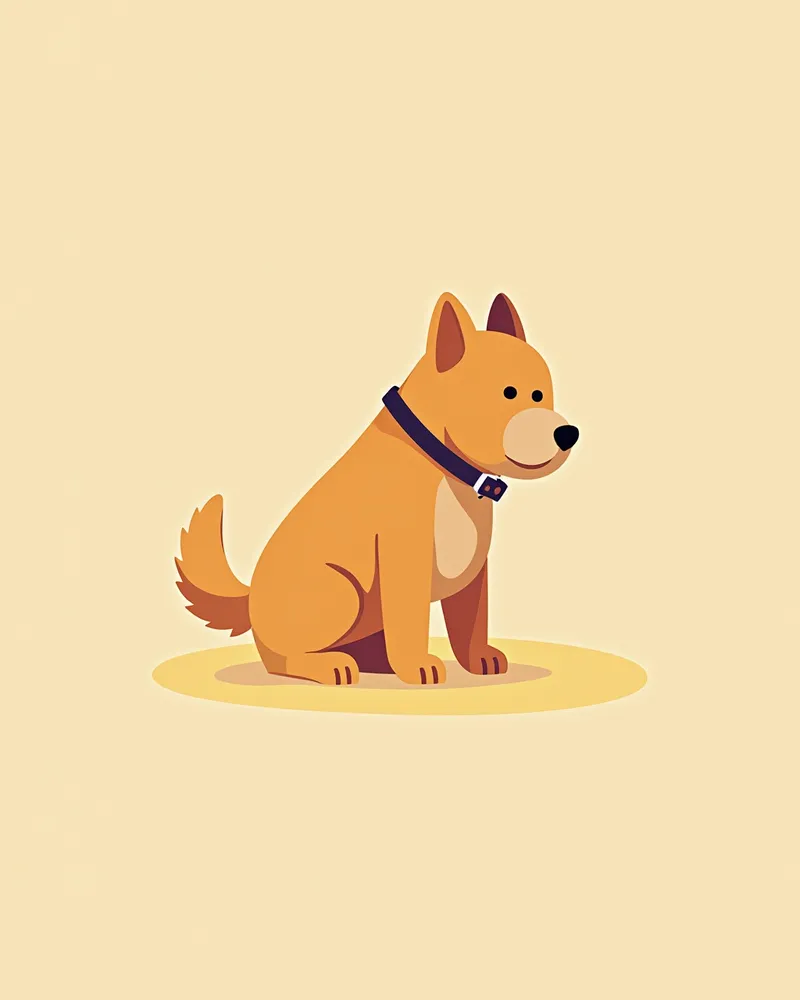
Proper catheter care at home is key to successful treatment. - Maintain cleanliness around the catheter: Wipe the area around the catheter daily with antiseptic wipes to prevent infection. - Change the collection container: Replace the urine collection container at least once or twice a day, and immediately if it becomes contaminated. - Manage your dog’s behavior: Use an Elizabethan collar to prevent your dog from licking or chewing on the catheter. - Limit physical activity: Avoid excessive running or rolling to prevent dislodging the catheter. - Be careful during bowel movements: Handle the catheter gently to ensure it doesn’t slip out while your dog is defecating. - Monitor symptoms: Keep a detailed record of any changes in urine color, odor, or flow.
The puppy is wearing a protective collar to prevent it from licking the catheter.

Breed-Specific Precautions and Prevention of Recurrence

Male dogs, especially toy breeds, have narrow urethras, which increases the risk of recurrence after catheter insertion. Early detection through regular check-ups and urinalysis is crucial. While increasing water intake can be beneficial, avoiding high-protein diets is not necessarily helpful, and dietary adjustments should be determined by a veterinarian’s professional judgment.

Reviewed by a veterinarian

Dr. Tony — Punnawat Phongkittirak

Dr. Tony — Punnawat Phongkittirak

Veterinarian

A veterinarian who majored in veterinary medicine at Khon Kaen University, Thailand, and completed the IVSA program at North Carolina State University in the United States. Drawing on clinical experience at animal hospitals, he works in the pet healthcare field and is dedicated to building a digital care environment that connects pet parents with veterinarians.

Frequently Asked Questions

How long should the catheter remain in place after insertion?
Once urine flow stabilizes and the urinary obstruction is resolved, the catheter can be removed. The duration of catheterization varies depending on the patient’s condition and the veterinarian’s assessment, and is adjusted to suit each individual case.
Will it be very painful when the catheter is removed?
While there may be some temporary discomfort when removing the catheter, severe pain is generally not experienced. The veterinarian will carefully remove it to minimize any discomfort.
Can I manage the catheter at home?
Basic hygiene care and monitoring for signs of infection can be handled by pet owners at home. However, confirming an infection, checking urine flow, and performing any complex procedures must be done in collaboration with a veterinarian, with specialized treatments carried out at the clinic.
What should I do if an infection develops after catheter insertion?
If you notice signs of infection such as fever, cloudy urine, or redness and discharge around the catheter, please visit the clinic immediately. A urinalysis and other tests will be needed for diagnosis, as leaving the condition untreated can lead to complications.
Can urinary obstruction recur after catheter placement?
Yes, there is a risk of recurrence, especially if stones are present. Regular check-ups and management under a veterinarian’s guidance, including dietary adjustments and increased water intake, are important.

Share

Related Guides

References

[1] Advanced Monitoring for Small Animal Emergency and Critical Care, 2nd Ed, 2022

[2] Small Animal Critical Care Medicine, 3rd Ed, 2021

[3] Hayashi K, Hardie RJ: Use of cystostomy tubes in small animals, Compend Contin Educ Pract Vet 25(12):928-935, 2003

This information is based on veterinary literature and does not replace diagnosis or treatment. Please consult a veterinarian for specific health concerns.

Metapet Co., Ltd. | CEO: Park Sung-yong | Business Reg. No. 417-88-02562 | Seoul, South Korea | Customer Center

Dog Urethral Catheter Care: Symptoms, Causes, Treatment & Management | Meongsiljang