Like
Share
멍실장
강아지 지루성피부염 증상과 원인, 진단·치료와 관리 포인트 총정리

If Your Dog Has Dandruff and Oily Skin — Causes and Treatment Timing for Seborrheic Dermatitis

Skin & CoatDiseasesMeongsiljang Veterinary Advisory Board

Canine seborrheic dermatitis is a chronic condition characterized by recurring dandruff, unpleasant odor, and oily skin due to abnormal shedding of skin cells and sebum production. We’ve summarized the key points, from distinguishing between primary and secondary causes to medicated bath treatments and preventive care strategies to help avoid flare-ups.

What Is Canine Seborrheic Dermatitis?
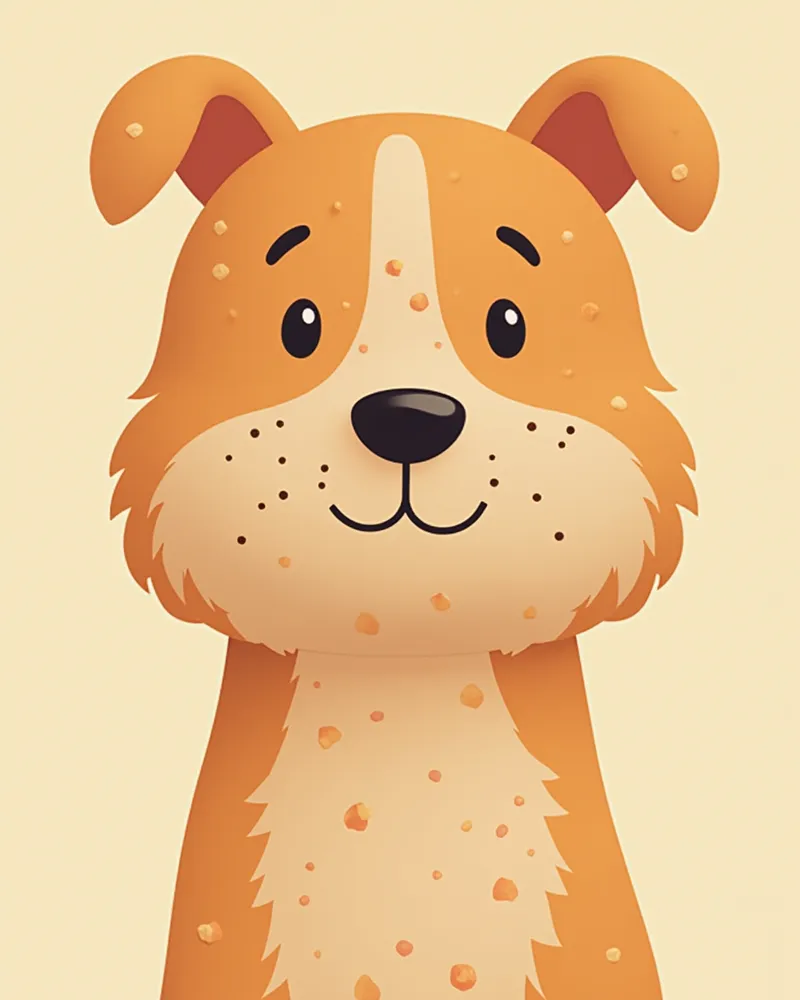
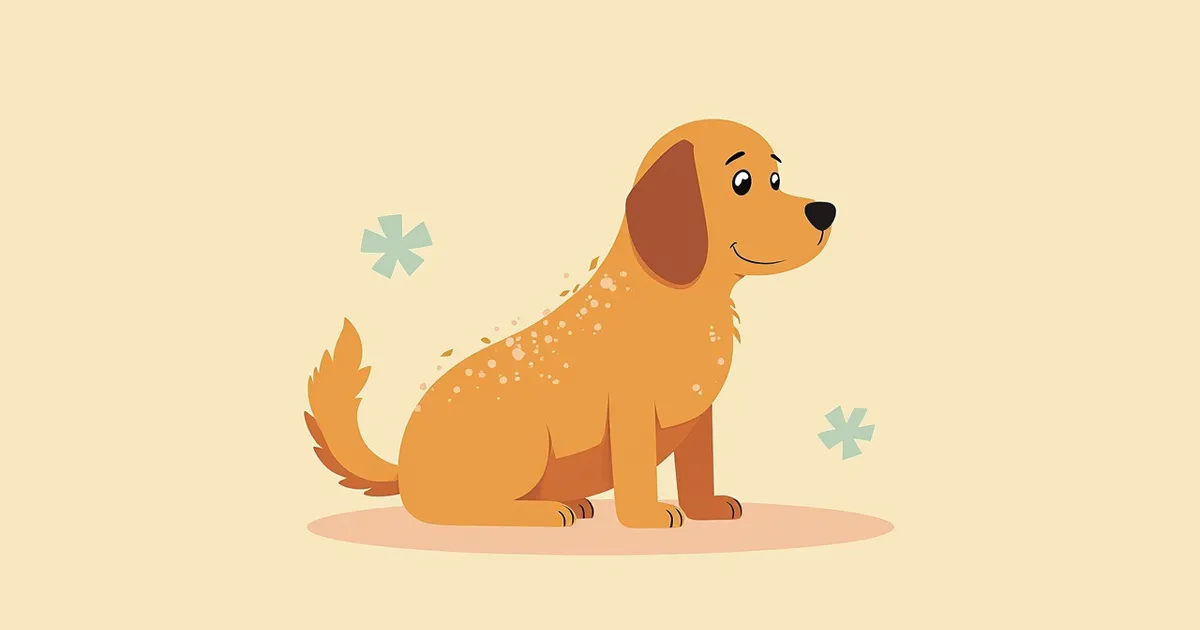
Canine seborrheic dermatitis — symptoms of dandruff and oily skin
Canine seborrheic dermatitis is a chronic skin condition characterized by abnormal keratinization of the stratum corneum and excessive sebum production, leading to recurring dandruff, greasiness, and foul odor. The most critical point is that this condition is classified as either primary (genetic keratinization abnormality) or secondary (caused by other conditions such as hormonal imbalances, allergies, or parasites). Since secondary cases are far more common, simply treating the skin is not enough; the underlying cause must be identified to achieve lasting improvement.

Primary vs. Secondary — The Causes Differ

Primary Seborrheic Dermatitis: This condition arises from a genetic abnormality in the skin's keratinization cycle. It is relatively common in Cocker Spaniels, Basset Hounds, Shih Tzus, Lhasa Apsos, and German Shepherds.
Secondary Seborrheic Dermatitis: This occurs as a result of another disease affecting the skin. Because the underlying causes are diverse, an accurate diagnosis is essential.
- Hormonal imbalances, such as hypothyroidism and hyperadrenocorticism - Food allergies and environmental allergies - Parasitic infestations, including mites and fleas - Overgrowth of yeast (Malassezia) or bacteria

Key Symptom Checklist

Dandruff (dry seborrhea): White flakes of dead skin shed from the skin and cling to the fur like snowflakes. Oily skin (seborrhea oleosa): The skin and coat appear greasy and feel sticky to the touch. Unpleasant odor: An overgrowth of yeast or bacteria produces a distinct, musty smell. Hair loss and scaling: Hair thins or falls out in areas where thick scales have accumulated. Redness and itching: The skin becomes red and inflamed, leading to increased scratching or licking. The more symptoms that appear simultaneously, the sooner a diagnosis is recommended.
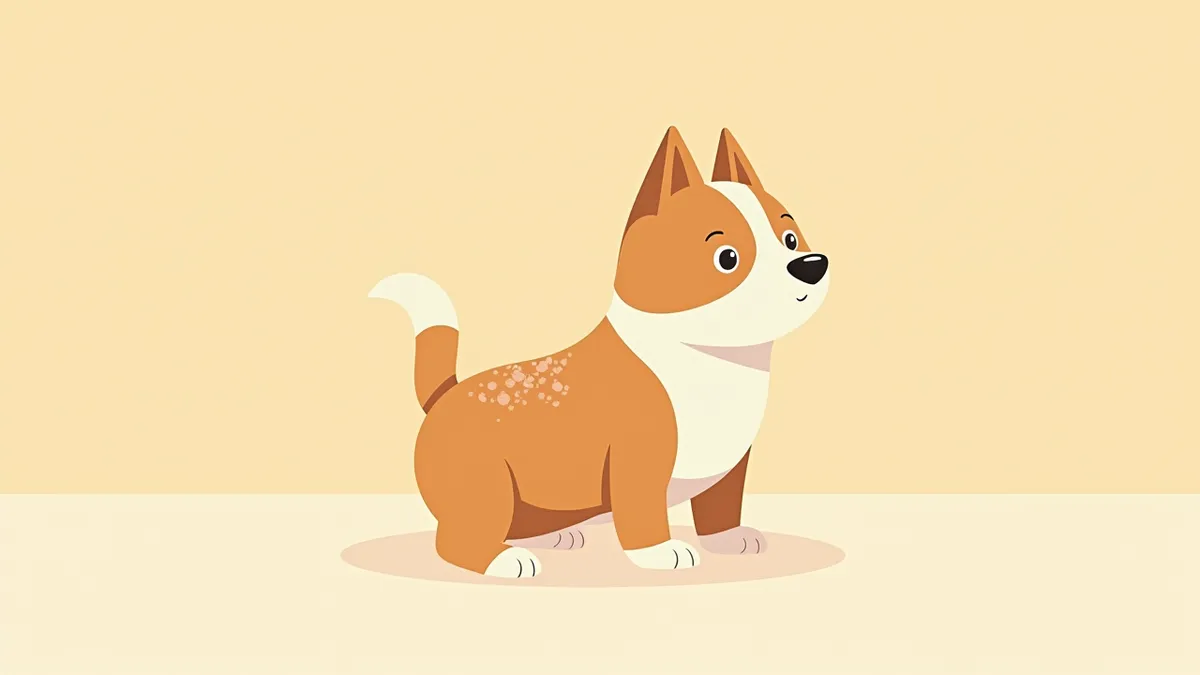
Symptoms of Canine Seborrheic Dermatitis — Dandruff, Redness, Hair Loss

Visit the Vet Immediately If You See These Symptoms

If any of the following apply, please visit a veterinary clinic promptly: • The skin is broken and bleeding from scratching • Yellow or green discharge with a foul odor is present • Skin abnormalities are rapidly spreading to the eyes, ears, or paws • Loss of appetite, lethargy, and weight loss are occurring together (possible hormonal disorder) • No improvement is seen within 2–3 weeks despite ongoing treatment

Diagnostic Methods — What the Veterinarian Checks
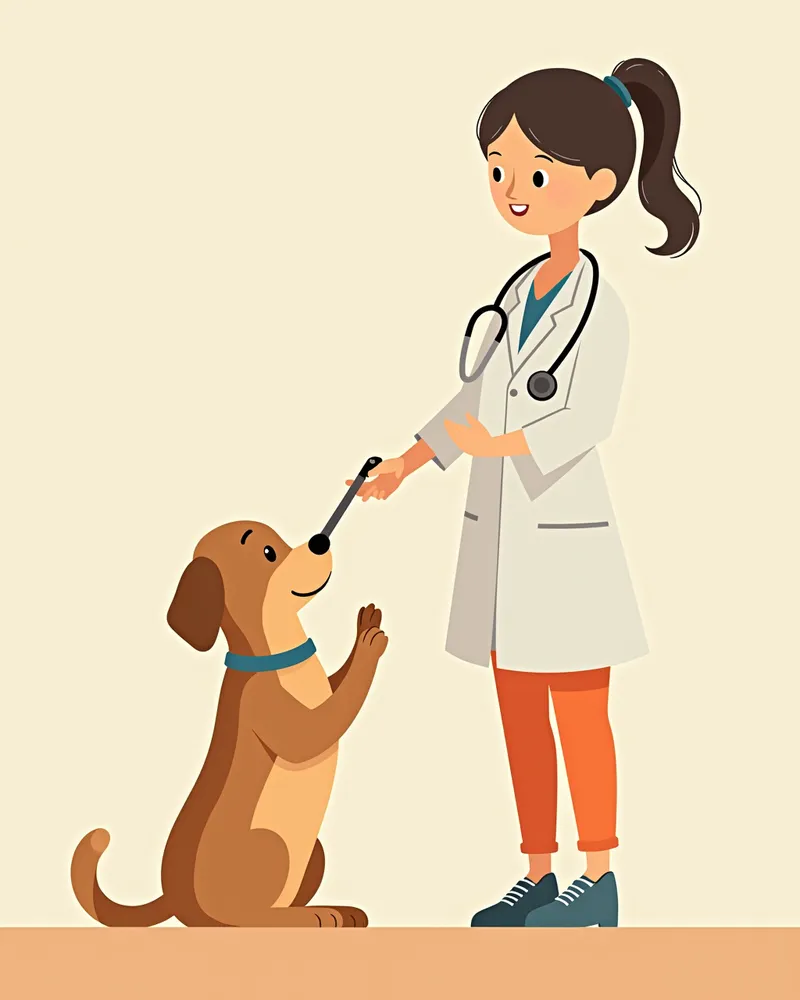
The key to diagnosing seborrheic dermatitis is identifying the underlying cause.
Skin cytology: A sample is taken from the skin surface and examined under a microscope to check for the presence of yeast, bacteria, or parasites.
Skin biopsy: This helps determine if the condition is secondary or, in rare cases, rule out tumors.
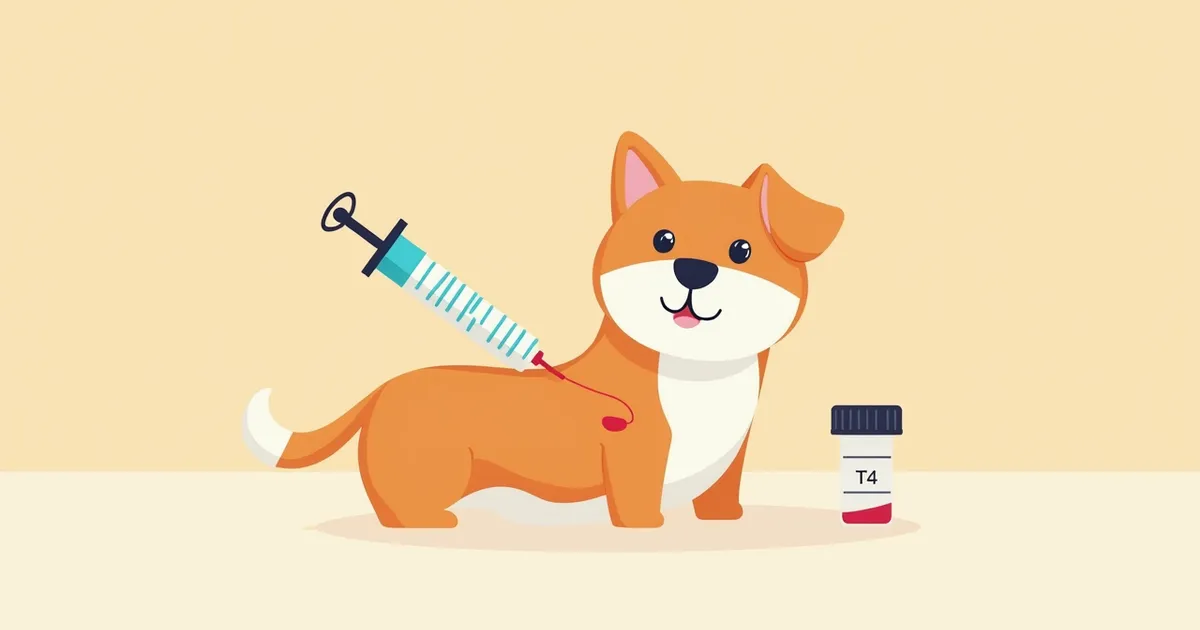
Blood and hormone tests: These are performed to rule out hypothyroidism and hyperadrenocorticism.
Allergy testing and dietary elimination trials: These methods help confirm whether food allergies are the cause.
A veterinarian examining a puppy's skin.

Treatment Methods — A Step-by-Step Approach

Treating the Underlying Condition (Secondary Cases): If hormonal imbalances or allergies are the root cause, addressing those issues first is essential for improving skin health.
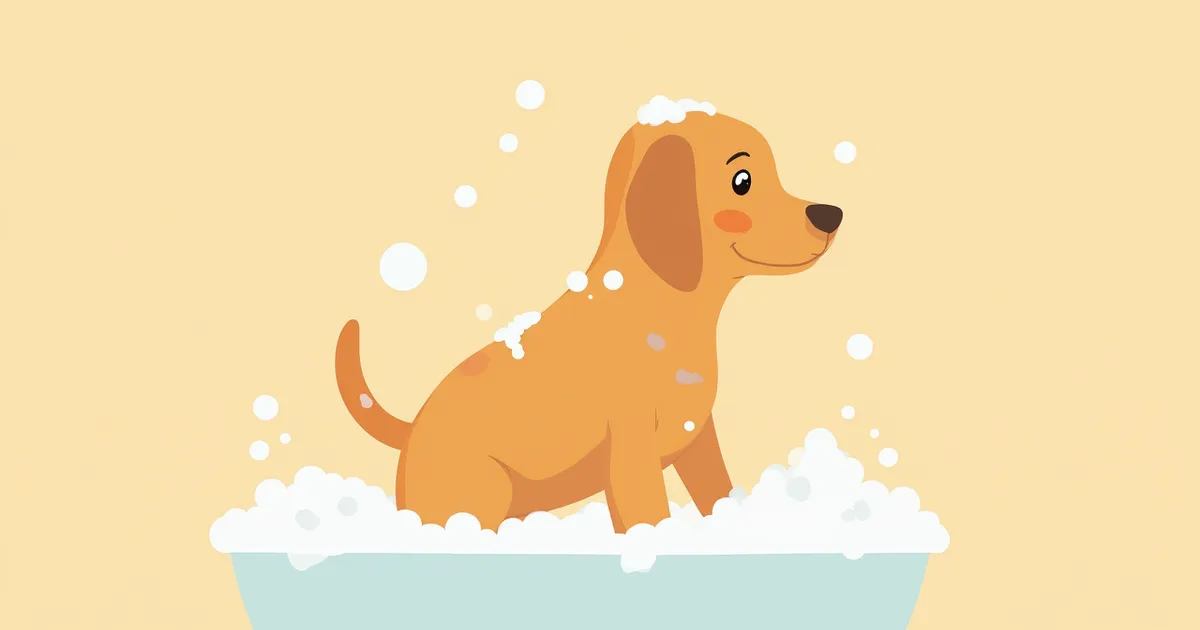
Medicated Shampoos (Therapeutic Baths): Use prescription shampoos containing antibacterial, antifungal, or keratolytic ingredients on the schedule recommended by your veterinarian. Regular cosmetic shampoos will not be effective.
Antibiotics and Antifungals: If bacterial or yeast overgrowth is confirmed, your vet will prescribe oral or topical medications.
Essential Fatty Acid Supplementation: Supplementing with omega-3 and omega-6 fatty acids may help strengthen the skin barrier.
Treating Canine Atopic Dermatitis: A Dog Being Bathed with Medicinal Shampoo

Management Tips You Can Do at Home

The key to management is preventing recurrence.
Maintain regular medicated baths: Strictly follow the shampoo and bathing schedule prescribed by your veterinarian. Reducing the frequency arbitrarily or switching to regular grooming shampoos can lead to quicker relapses.
Diet and nutrition management: Nutritional support aimed at improving skin barrier function can aid recovery. If food allergies are the cause, a dietary elimination trial or prescription diet may be necessary, so please consult with your veterinarian.
Environmental and skin care: Excessive skin dryness can worsen dry seborrhea (dandruff), so please maintain appropriate hydration and a comfortable indoor environment.
Regular check-ups: If hormonal imbalances such as hypothyroidism or hyperadrenocorticism are suspected as underlying causes, it is advisable to periodically monitor your pet’s condition through blood and hormone tests.

Breed-Specific Precautions — These Breeds Require Closer Attention

The following breeds are genetically predisposed to primary seborrheic dermatitis, so consistent care from an early age is essential. • Cocker Spaniel, Basset Hound: Pay attention to the skin inside the ears as well. • Shih Tzu, Lhasa Apso: Dead skin cells can easily accumulate in skin folds. • German Shepherd: Dermatitis on the back and tail may recur. If flare-ups are frequent, keeping a daily log of seasonal changes, diet, and stress triggers can help you identify patterns.

Reviewed by a veterinarian

Dr. Tony — Punnawat Phongkittirak

Dr. Tony — Punnawat Phongkittirak

Veterinarian

A veterinarian who majored in veterinary medicine at Khon Kaen University, Thailand, and completed the IVSA program at North Carolina State University in the United States. Drawing on clinical experience at animal hospitals, he works in the pet healthcare field and is dedicated to building a digital care environment that connects pet parents with veterinarians.

Frequently Asked Questions

Can a dog’s seborrheic dermatitis be transmitted to humans?
Seborrheic dermatitis itself is not contagious to humans. However, some of the bacteria or fungi that may accompany it can rarely affect people with weakened immune systems. It’s a good idea to wash your hands frequently after treatment and to have children or immunocompromised individuals avoid contact with the affected areas.
How often should I use medicated shampoo?
Initially, it’s common to apply it two to three times a week, then reduce to one to two times a week as symptoms improve. However, the frequency can vary depending on the type and severity of the condition, so it’s important to follow your veterinarian’s instructions. Reducing the frequency on your own may lead to a quicker recurrence.
Is it curable, or does it require lifelong management?
If the condition is secondary, successful treatment of the underlying disease can allow the skin to return to normal. In contrast, primary seborrheic dermatitis has a genetic cause, so lifelong management focused on controlling symptoms and preventing recurrence is necessary rather than aiming for a cure.
Will changing the diet help?
If food allergies are the cause, switching to a different diet can be a key part of treatment. Diets or supplements rich in omega-3 fatty acids can help restore the skin barrier. Simply switching to a more expensive food doesn’t necessarily yield clear benefits. It’s best to consult with your veterinarian to determine the right approach.
My dog keeps scratching—could this also be seborrheic dermatitis?
Itching is one of the symptoms of seborrheic dermatitis, but there are many other possible causes, such as allergic dermatitis, mange, and flea infestations. If dandruff, greasiness, and a foul odor are present, seborrheic dermatitis is more likely; however, an accurate diagnosis requires veterinary evaluation, including skin cytology.

Share

Related Guides

References

[1] Miller WH, Griffin CE, Campbell KL. Muller and Kirk's Small Animal Dermatology, 7th Ed. Elsevier, 2013.

[2] Noli C, Colombo S, Cornegliani L et al. BSAVA Manual of Canine and Feline Dermatology, 4th Ed. BSAVA, 2019.

[3] Hall JA, Tooley KA, Gradin JL et al. Effects of dietary n-6 and n-3 fatty acids and vitamin E on the immune response of healthy geriatric dogs. American Journal of Veterinary Research 64, 162–172, 2003.

[4] Gross TL, Ihrke PJ, Walder EJ, Affolter VK. Skin Diseases of the Dog and Cat: Clinical and Histopathologic Diagnosis, 2nd Ed. Blackwell, 2005.

This information is based on veterinary literature and does not replace diagnosis or treatment. Please consult a veterinarian for specific health concerns.

Metapet Co., Ltd. | CEO: Park Sung-yong | Business Reg. No. 417-88-02562 | Seoul, South Korea | Customer Center

Dog Seborrheic Dermatitis: Causes & Treatment Timing | Meongsiljang