Like
Share
멍실장
고양이 하부요로계 질환(FLUTD) 증상과 원인, 진단·치료와 관리 포인트 총정리

Feline Lower Urinary Tract Disease (FLUTD): Symptoms, Causes, Diagnosis, Treatment, and Management Essentials

UrinaryDiseasesMeongsiljang Veterinary Advisory Board

Feline lower urinary tract disease (FLUTD) is a common condition in cats that can cause a variety of symptoms, including frequent urination, painful urination, and blood in the urine. Early detection and proper management are key.

What is Feline Lower Urinary Tract Disease (FLUTD)?
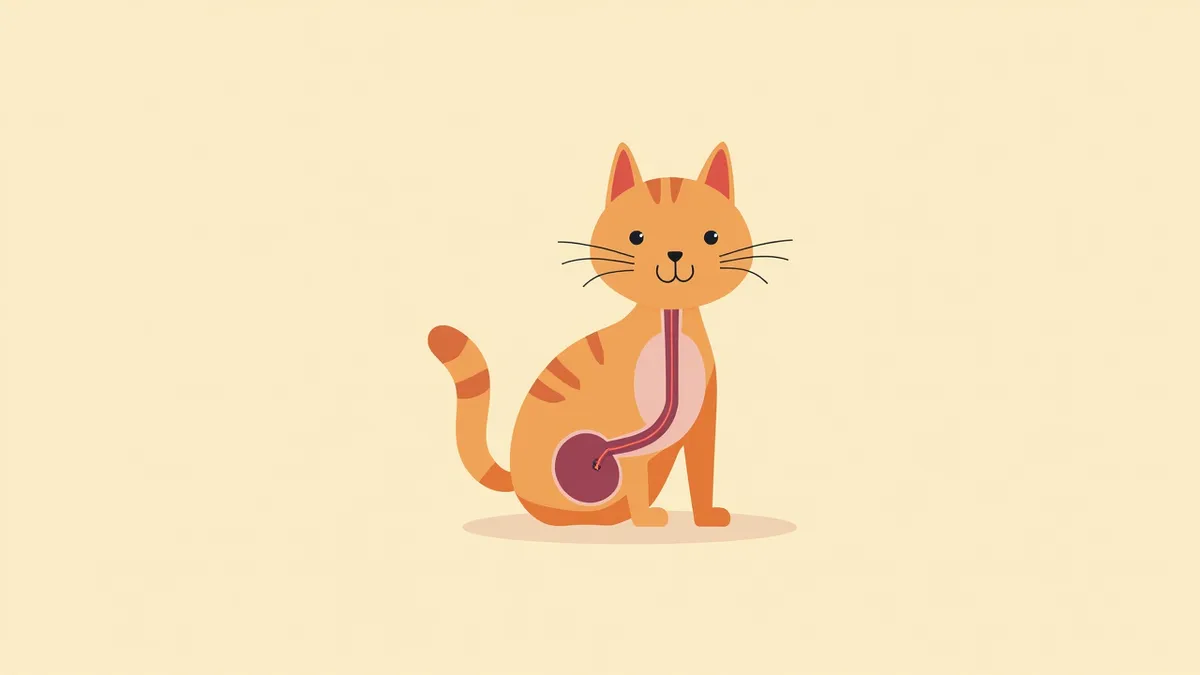
Anatomy of the feline lower urinary tract
Feline Lower Urinary Tract Disease (FLUTD) is an umbrella term for a variety of conditions affecting the bladder and urethra. Symptoms can include frequent urination, painful urination, and blood in the urine. It can be life-threatening, especially in male cats, as it may lead to urethral obstruction. - Urethral Obstruction: Male cats have a narrow urethra that is prone to blockage, particularly at the end, making obstruction more likely and requiring immediate treatment. - Urolith Formation: Stones forming in the bladder can obstruct urine flow. - Stress Factors: Stress from environmental or lifestyle changes is closely linked to the onset of the disease. - Feline Idiopathic Cystitis: Inflammation of the bladder occurs without infection, is strongly associated with stress, and is the most common cause of FLUTD. Early detection and proper management are key to preventing recurrence.

What are the main causes of FLUTD?

FLUTD is caused by a combination of various factors. - Urolith formation: Minerals such as struvite or calcium oxalate clump together in the bladder to form stones, which can obstruct urination. - Bacterial infection: Bacteria invading the urinary tract can cause inflammation, potentially changing the color or odor of the urine. However, bacterial infections are not a common cause in cats. - Idiopathic cystitis: This condition involves bladder inflammation without infection and is closely linked to stress. It is the most common cause of feline lower urinary tract disease. - Urethral obstruction: This occurs frequently in male cats and requires immediate veterinary attention. - Environmental stress: Factors such as changes in the environment or conflicts with other animals can increase the risk of developing the condition. Accurately identifying the underlying cause is the first step toward effective treatment.
Signs of stress in cats

Check for Key Symptoms and Signs

The main symptoms of feline lower urinary tract disease (FLUTD) are as follows. If any of these signs appear, please consult a veterinarian immediately.
Frequent urination: Your cat visits the litter box often but passes only small amounts of urine each time.
Painful urination: Your cat cries, strains, or shows signs of discomfort while urinating.
Hematuria: Blood is visible in the urine.
Urination outside the litter box: Your cat begins urinating in places other than the litter box.
Excessive grooming: Due to discomfort, your cat frequently licks or grooms the lower abdomen or genital area.
Lethargy and loss of appetite: If the condition worsens due to obstruction or other complications, your cat may become less active and experience vomiting or a decreased appetite.
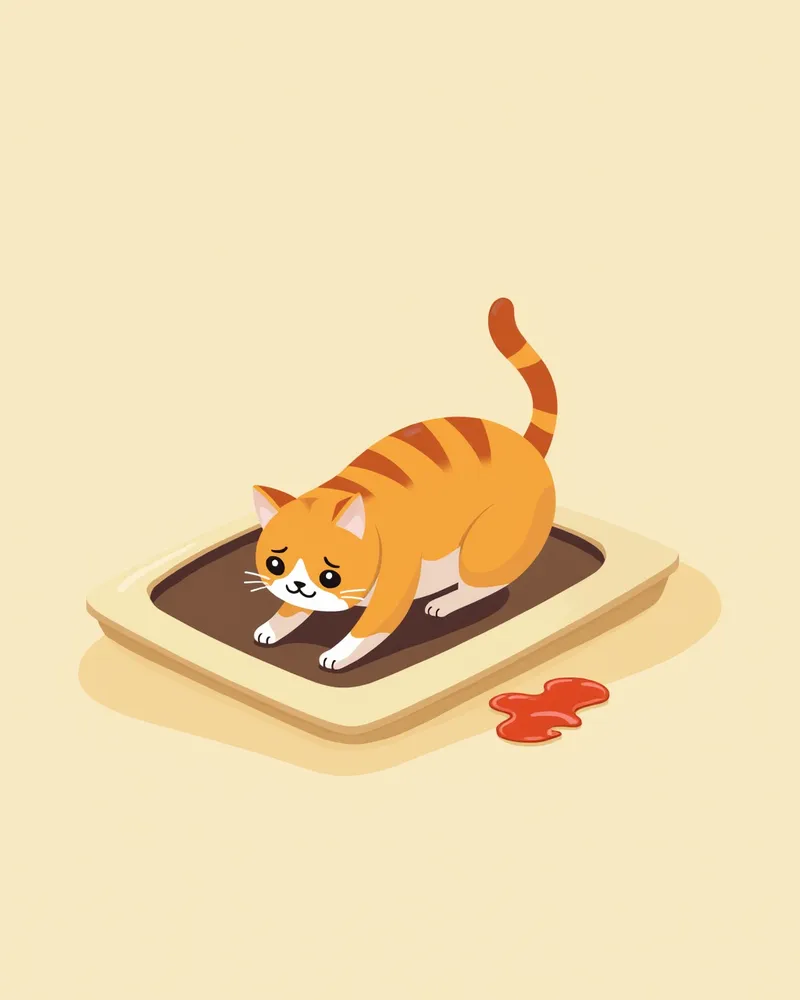
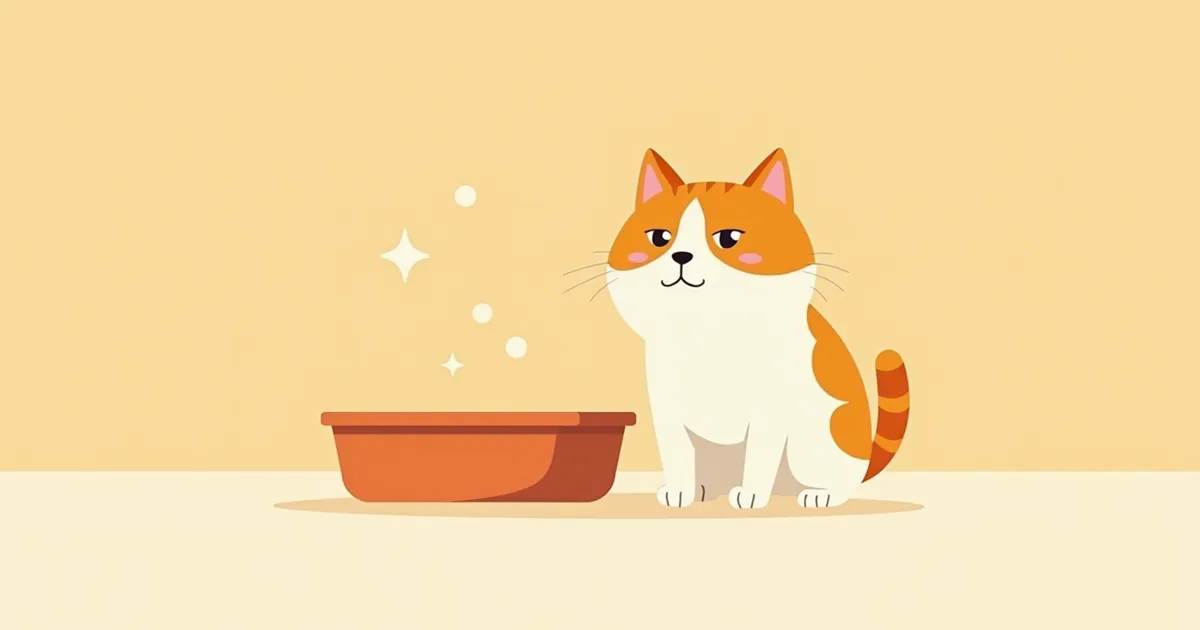
A cat suffering in the litter box

Emergency Situations Requiring Immediate Veterinary Visit

If your male cat is straining to urinate but passing little to no urine, showing signs of pain, or crouching while trying to void, it may indicate a urethral obstruction. This is a life-threatening emergency that can rapidly lead to kidney dysfunction and electrolyte imbalances, such as hyperkalemia. Do not delay—seek immediate veterinary care.

Diagnostic Tests for Accurate Diagnosis
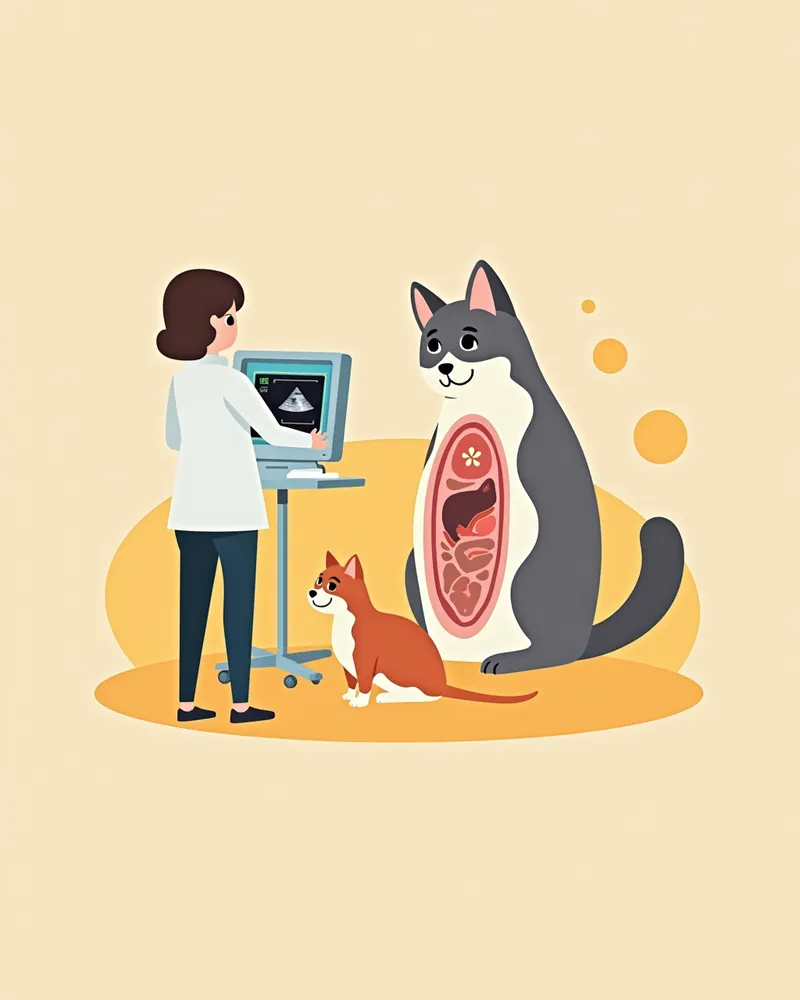
Accurate diagnosis of FLUTD requires several tests. - Urinalysis: Identifies abnormalities such as hematuria, white blood cells, protein, and crystals. - Urine culture: Confirms bacterial infection; a negative result suggests idiopathic cystitis. - Ultrasound: Provides a detailed assessment of bladder condition and the presence of uroliths, often more useful than X-ray for evaluating stones. - X-ray: Determines the location and size of calculi throughout the urinary tract. - Blood tests: Evaluates kidney function and electrolyte levels. - Urethrocystography: Helps identify urethral strictures in cases of recurrent obstruction. Idiopathic cystitis is diagnosed after ruling out other causes.
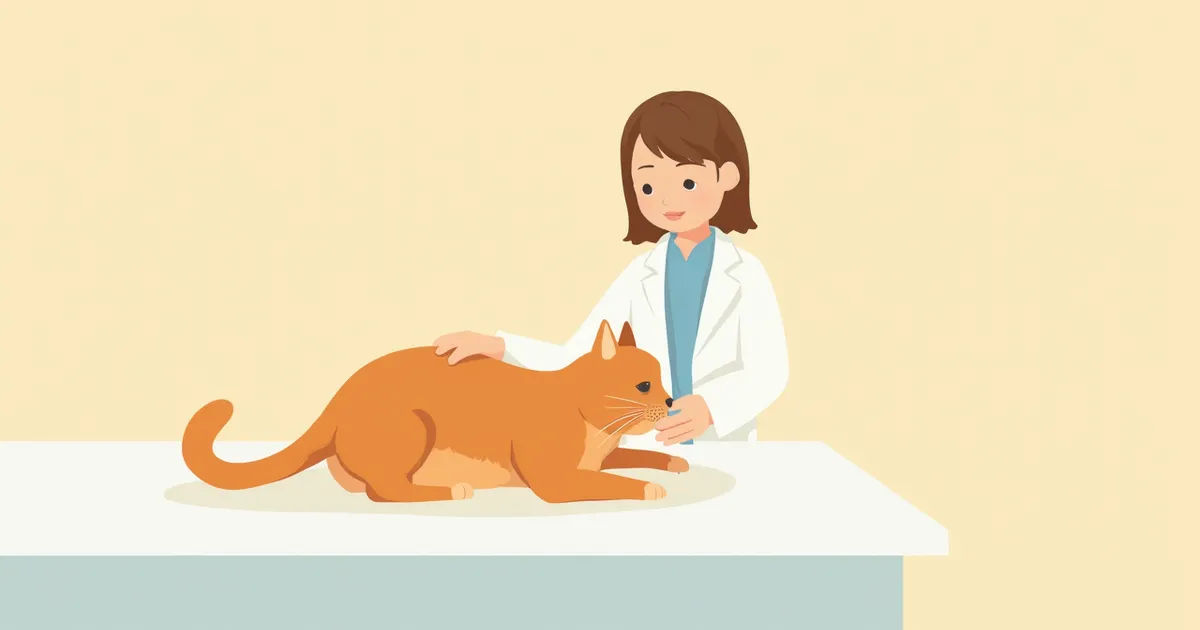
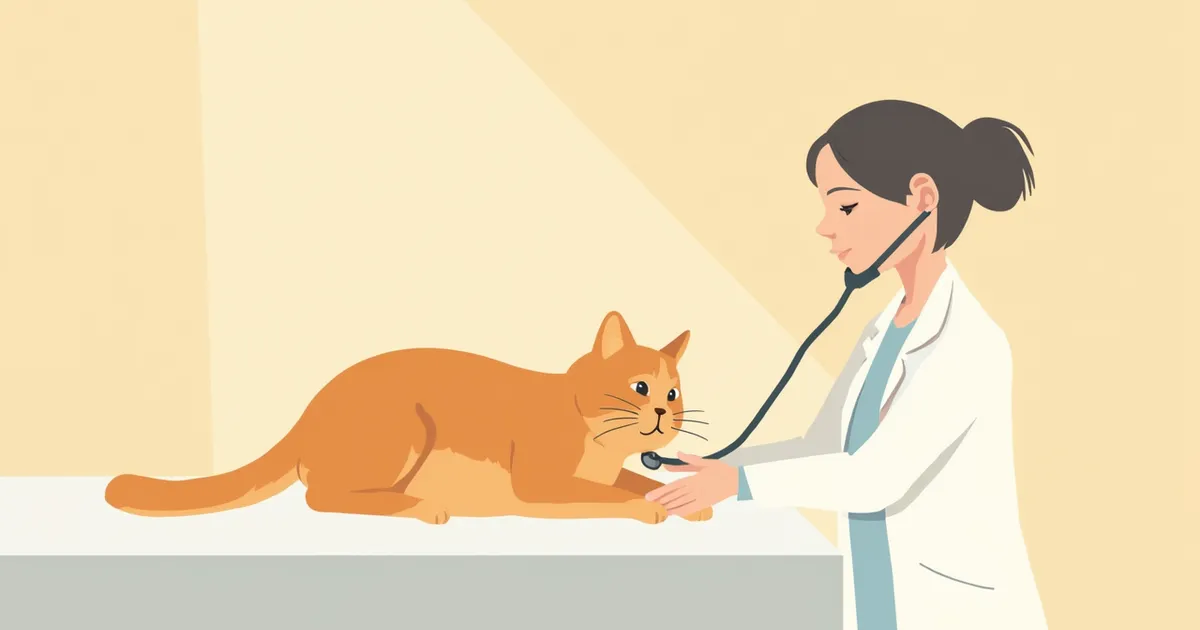
A veterinarian performing an abdominal ultrasound on a cat

Treatment Methods and Step-by-Step Management
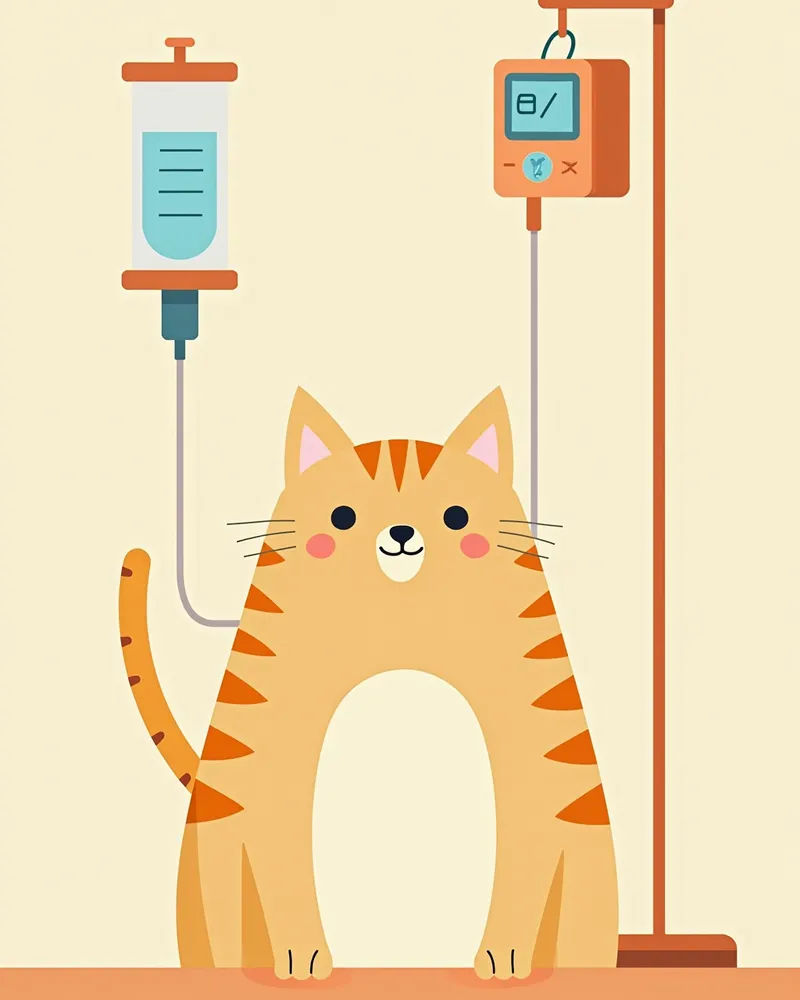
Treatment for Feline Lower Urinary Tract Disease (FLUTD) varies depending on the underlying cause. - In cases of urethral obstruction: The immediate priority is to relieve the blockage by inserting a urethral catheter to drain the urine, followed by fluid therapy to correct electrolyte and acid-base imbalances. - If an infection is confirmed: Antibiotics are administered based on the results of culture and sensitivity testing to eliminate the bacteria. - If urinary stones are present: Stones are managed through dietary adjustments or surgical removal, depending on the type of stone. - For feline idiopathic cystitis: Stress management and environmental enrichment are central to treatment. - Preventing recurrence: Work with your veterinarian to establish a long-term management plan. Effective treatment extends beyond short-term interventions and requires ongoing care.
A veterinarian administering semen to a cat

Home Care and Management Tips

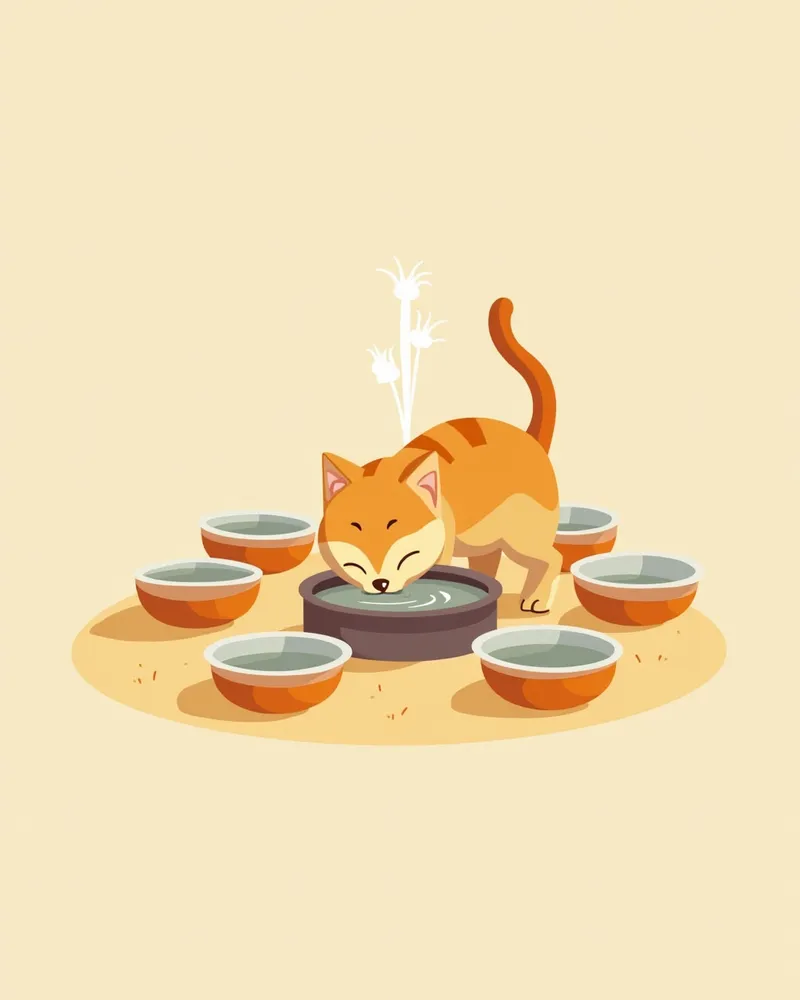
Home care is key to preventing recurrence. - Increase water intake: Place water bowls in multiple locations and always provide fresh, clean water to encourage adequate drinking. - Stabilize the environment: Create a dedicated space for your cat to reduce stress and minimize sympathetic nervous system stimulation. - Play and interaction: Help maintain emotional stability through regular playtime. - Dietary management: Provide prescription diet food as directed by your veterinarian. - Provide ample resources: Place litter boxes, water bowls, and resting spots in multiple locations to reduce conflict and stress in multi-cat households. - Monitor behavior: Carefully track any changes in urination patterns for early detection, and visit the clinic immediately if abnormalities are noticed.
A cat drinking water from a fountain

Pay Attention to Male Cats and Stress

Male cats have a narrow urethra that is prone to blockage at the distal end, placing them at higher risk for urethral obstruction. Stressful environments can worsen or trigger recurrence of symptoms, so it’s important to closely monitor your cat for behavioral changes during times of environmental change and intervene early.

Reviewed by a veterinarian

Dr. Tony — Punnawat Phongkittirak

Dr. Tony — Punnawat Phongkittirak

Veterinarian

A veterinarian who majored in veterinary medicine at Khon Kaen University, Thailand, and completed the IVSA program at North Carolina State University in the United States. Drawing on clinical experience at animal hospitals, he works in the pet healthcare field and is dedicated to building a digital care environment that connects pet parents with veterinarians.

Frequently Asked Questions

Does FLUTD only occur in cats?
No, while it is common in male cats, female cats can also develop the condition. However, male cats have a narrower urethra, which puts them at a higher risk of urinary blockage.
How does stress affect FLUTD?
Stress can stimulate the stress response system that connects the brain and the bladder, potentially worsening bladder inflammation. Environmental changes, introducing a new cat, and loud noises are some of the potential triggers.
Can FLUTD be cured with dietary management alone?
The approach depends on the underlying cause. If bladder stones are present, dietary management can be helpful, but infections or anatomical abnormalities require medication or surgery. Consulting with a veterinarian is essential.
What are the methods to prevent recurrence?
It’s important to encourage increased water intake, maintain a stable environment, ensure regular playtime, and schedule routine check-ups. The key is to minimize stressors and provide a sense of stability in your cat’s daily routine.
Could it be FLUTD if my pet is frequently going to the bathroom?
Not all frequent urination is Feline Lower Urinary Tract Disease (FLUTD). However, if frequent urination is accompanied by pain, blood in the urine, or urination outside the litter box, immediate veterinary examination is necessary.

Share

Related Guides

References

[1] Clinical Medicine of the Dog and Cat, 4th Ed, 2023

[2] The Cat, Clinical Medicine and Management, 2nd Edition, 2021

[3] A Professional’s Guide to Feline Behaviour: Understanding, Improving and Resolving Problems, 2020

This information is based on veterinary literature and does not replace diagnosis or treatment. Please consult a veterinarian for specific health concerns.

Metapet Co., Ltd. | CEO: Park Sung-yong | Business Reg. No. 417-88-02562 | Seoul, South Korea | Customer Center

Feline Lower Urinary Tract Disease (FLUTD): Complete Guide | Meongsiljang