Like
Share
멍실장
고양이 동맥관개존증 증상과 원인, 진단·치료와 관리 포인트 총정리

When Your Cat Is Constantly Short of Breath and Lethargic — Causes and Surgical Treatment Timing for Patent Ductus Arteriosus

HeartDiseasesMeongsiljang Veterinary Advisory Board

Feline patent ductus arteriosus (PDA) is a congenital heart defect in which the ductus arteriosus, a blood vessel that should close automatically after birth, remains open, leading to abnormal blood circulation. Here’s a comprehensive overview covering symptoms, causes, diagnosis, treatment, and home care.

What Is Feline Patent Ductus Arteriosus?
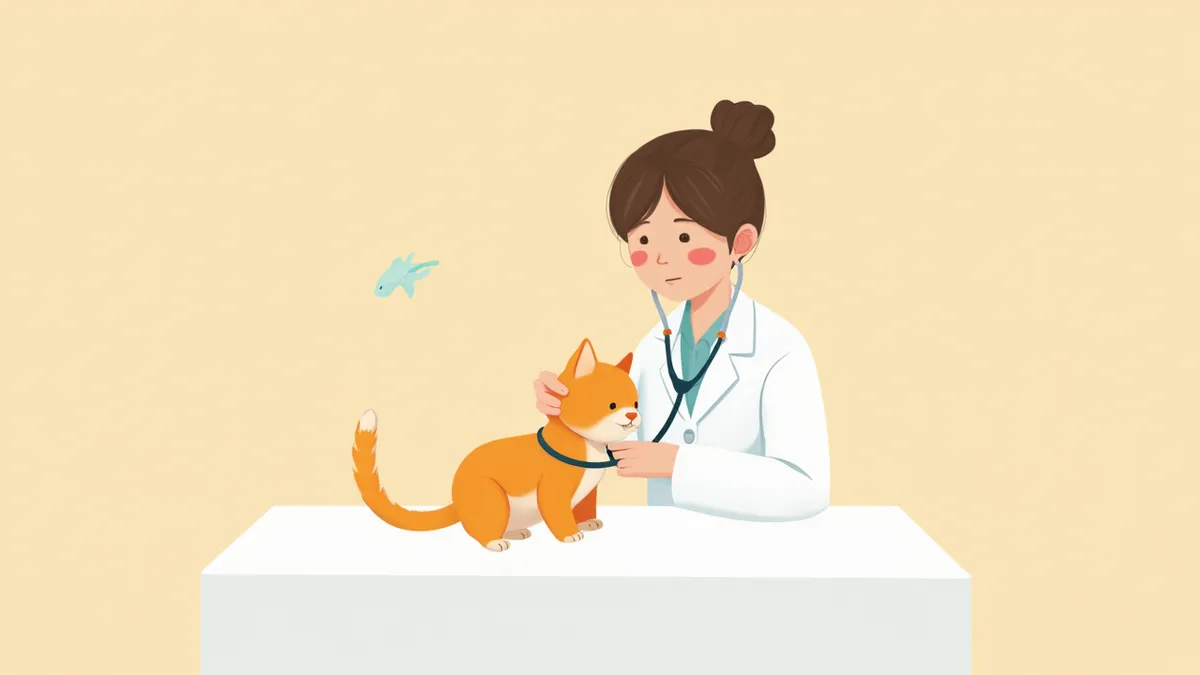
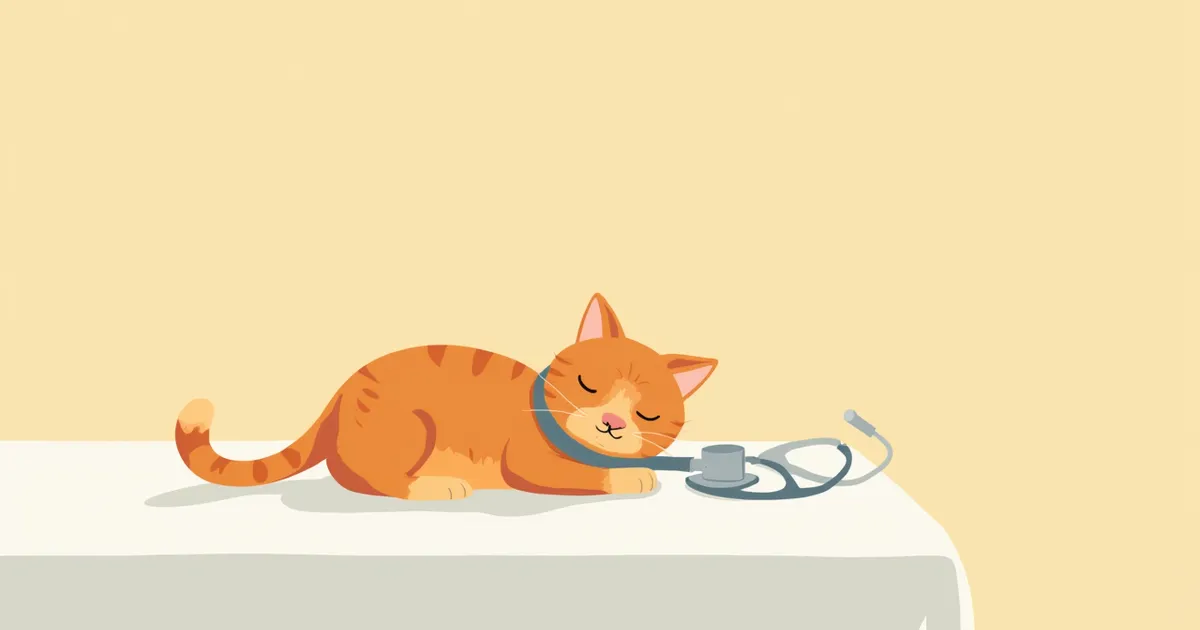
A veterinarian auscultating the heart of a young cat.
Feline Patent Ductus Arteriosus (PDA) is a congenital heart defect in which the ductus arteriosus, a vessel that bypasses pulmonary circulation during fetal development, fails to close after birth, allowing blood to flow abnormally. Early detection is crucial. In cases with a left-to-right shunt, high-pressure blood from the aorta inappropriately leaks into the pulmonary artery, placing excessive strain on the lungs, left atrium, and left ventricle, which can lead to congestive heart failure. The prognosis varies depending on the size and direction of the shunt, as well as the presence of heart failure, so identifying and treating the condition before symptoms or heart failure become severe significantly improves outcomes.

Why Does the Ductus Arteriosus Fail to Close?

The ductus arteriosus is a blood vessel that allows blood to bypass the lungs during fetal development. Since the fetal lungs are not yet functional, they receive only a small portion (about 8–10%) of the cardiac output. The ductus arteriosus remains open due to low oxygen partial pressure and the effects of prostaglandins. After birth, as oxygen levels rise, the ductus arteriosus typically begins to close within 2–3 days and, by about one month of age, only elastic fibrous tissue known as the ligamentum arteriosum remains. If this closure process does not occur properly, the ductus arteriosus stays open, resulting in patent ductus arteriosus (PDA).
Genetic and breed predisposition: Certain breeds and families show a higher incidence, and some studies report that it is more common in females than in males.
Incomplete closure mechanism: After birth, the ductus arteriosus should constrict and close in response to increased oxygen levels. If this structural closure process is incomplete, the ductus arteriosus remains open.
Left-to-right shunt formation: When the ductus arteriosus remains open, high-pressure blood from the aorta flows into the pulmonary artery, creating a left-to-right shunt. This places a continuous burden on the lungs and the left side of the heart.

Key Symptom Checklist

Persistent heart murmur: A characteristic murmur that sounds like a mechanical noise can be heard during auscultation.
Abnormal breathing: Rapid, labored, or open-mouth breathing may occur.
Exercise intolerance: The pet tires easily with minimal activity and shows reduced overall activity levels.
Growth retardation: Weight gain is slower than peers, or physical development is stunted.
Coughing and post-tussive gasping: Fluid accumulation in the lungs can lead to recurrent coughing.
Changes in mucous membrane color: Pale or purplish gums or tongue indicate decreased oxygen saturation.
Cats showing signs of respiratory distress

Emergency Signs Requiring Immediate Veterinary Care

If any of the following symptoms appear, seek emergency veterinary care as soon as possible, as the condition can rapidly worsen into acute heart failure or pulmonary edema. • Breathing with the mouth open or stretching the neck to breathe • Gums or tongue turning blue or purple • Sudden collapse or inability to stand • Complete loss of appetite for more than 24 hours

How Is Diagnosis Performed?

Diagnosis of patent ductus arteriosus (PDA) follows these steps:
Auscultation: The veterinarian listens for a continuous heart murmur that sounds like machinery.
Thoracic radiographs (X-rays): These assess for cardiac enlargement and pulmonary vascular overload.
Echocardiography (cardiac ultrasound): This key diagnostic test uses Doppler imaging to directly visualize the location and size of the ductus arteriosus, as well as the direction of blood flow.
Electrocardiogram (ECG): This checks for arrhythmias and evaluates the degree of cardiac strain.
If a heart murmur is detected in a young kitten, it is important to perform an echocardiogram as soon as possible.

Treatment Options — Surgery or Transcatheter Closure
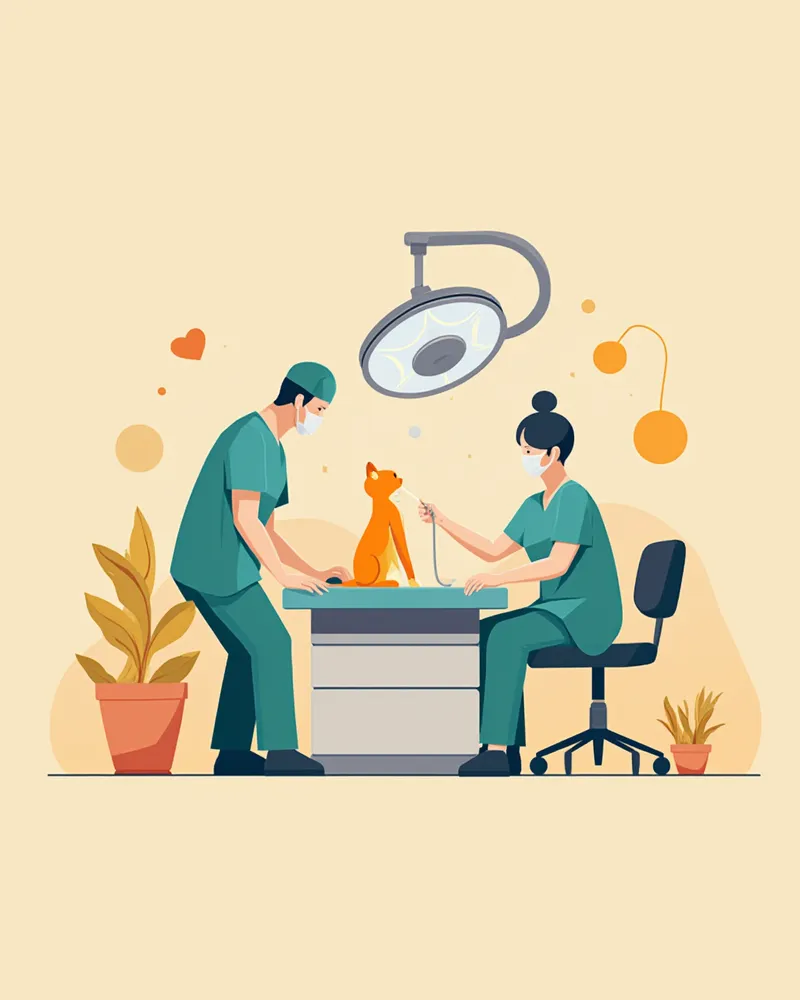
The definitive treatment for patent ductus arteriosus (PDA) is to close the open ductus arteriosus.
Surgical ligation: This procedure involves opening the chest cavity to directly tie off the ductus arteriosus. It is the most commonly used method.
Transcatheter closure: A catheter is inserted through a blood vessel to occlude the ductus arteriosus using a coil or other device. While this approach is less invasive and allows for faster recovery, it requires specialized facilities and a skilled veterinary cardiologist.
Medical management: Diuretics and cardiac stimulants can help alleviate symptoms, but they do not close the ductus arteriosus itself, so this approach does not provide a definitive cure.
Veterinarian performing heart surgery on a cat

Post-Operative Home Care Points

Ongoing care is essential even after treatment.
Ensure a recovery period: Restrict vigorous activity for at least 2–4 weeks following surgery or procedures.
Regular cardiac check-ups: Schedule follow-up cardiac ultrasounds and X-rays every 3–6 months.
Maintain medication regimen: It is crucial not to discontinue prescribed diuretics or cardiac support medications without veterinary guidance.
Weight management: Obesity places additional strain on the heart, so please maintain an appropriate body weight.
Monitor water intake: Inform your veterinarian if your pet suddenly drinks significantly more water or barely drinks at all.
A cat recovering at home after surgery

Breed-Specific Precautions and Prevention of Recurrence

If there’s a genetic predisposition, PDA can also occur in sibling or parent cats. It’s important to have a heart auscultation during your kitten’s first health checkup. Even after treatment, there’s a risk of secondary heart failure, so regular cardiac specialist visits at least twice a year are recommended. Additionally, breeding should only be considered after thorough consultation with your veterinarian.

Reviewed by a veterinarian

Dr. Tony — Punnawat Phongkittirak

Dr. Tony — Punnawat Phongkittirak

Veterinarian

A veterinarian who majored in veterinary medicine at Khon Kaen University, Thailand, and completed the IVSA program at North Carolina State University in the United States. Drawing on clinical experience at animal hospitals, he works in the pet healthcare field and is dedicated to building a digital care environment that connects pet parents with veterinarians.

Frequently Asked Questions

Can patent ductus arteriosus resolve on its own?
Spontaneous closure of the ductus arteriosus is uncommon. Normally, the ductus arteriosus closes within a few days after birth, leaving behind only the ligamentum arteriosum. When this closure fails to occur, resulting in patent ductus arteriosus (PDA), it rarely closes on its own. Therefore, once diagnosed, it is standard practice to actively consider closure treatments, such as surgery or catheter-based procedures.
What happens if it’s left untreated?
If left untreated, the ongoing strain on the lungs and heart can worsen, leading to heart failure and pulmonary edema. This can significantly shorten your pet’s life expectancy, so it’s crucial to make a treatment decision as soon as possible.
What is the success rate of the surgery?
When symptoms are mild and heart function is still relatively good before heart failure develops, early treatment generally leads to a better prognosis. The standard treatment for patent ductus arteriosus (PDA) is surgery or a catheter-based procedure to close the open ductus arteriosus. Once the shunt is closed, the excessive burden on the heart is reduced. However, the outcome can vary depending on the size and direction of the shunt, as well as whether heart failure is present, so it’s best to consult with your veterinarian for accurate information on success rates and prognosis.
Is it safe to breed a cat with this condition?
We do not recommend it. There may be a genetic predisposition, which increases the likelihood of the same deformity appearing in the next generation. Please consult with a veterinarian before breeding.
Can my pet return to normal daily activities after surgery?
If your pet's heart function has recovered sufficiently, they can resume daily activities. However, regular follow-up check-ups and weight management should be maintained for life. It's best to consult with your veterinarian before allowing any strenuous exercise.

Share

Related Guides

References

[1] Chetboul V, Damoiseaux C, Behr L et al., Textbook of Cardiovascular Medicine in Dogs and Cats, 2022

[2] Bussadori C, Domenech O, Longo A et al., Percutaneous catheter-based treatment of pulmonic stenosis and patent ductus arteriosus in a dog, J Vet Cardiol, 2002, 4:29–34

[3] Ware WA, Cardiovascular Disease in Small Animal Medicine, 3rd Ed, Manson Publishing, 2011

This information is based on veterinary literature and does not replace diagnosis or treatment. Please consult a veterinarian for specific health concerns.

Metapet Co., Ltd. | CEO: Park Sung-yong | Business Reg. No. 417-88-02562 | Seoul, South Korea | Customer Center

Cat Patent Ductus Arteriosus (PDA): Causes & Surgery Timing | Meongsiljang