

The Ultimate Guide to Kidney Stones in Dogs by Type (Struvite & Calcium Oxalate)
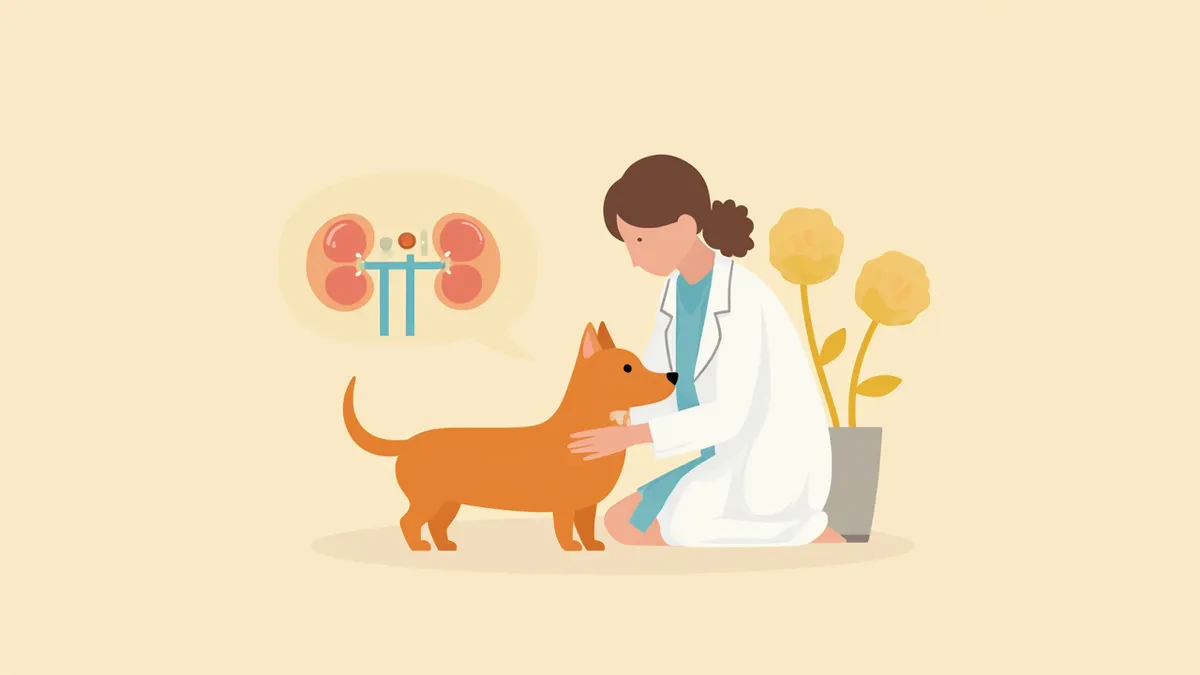
Kidney stones in dogs are classified into struvite and calcium oxalate types based on their composition, and the causes, treatments, and dietary management strategies differ significantly between the two. Identifying the specific type of stone is the essential first step in treatment.
What Are Kidney Stones in Dogs? Know the Types First
Causes of Struvite Stones
Causes of Calcium Oxalate Stones

Struvite vs. Calcium Oxalate: A Quick Comparison
| Item | Struvite | Calcium Oxalate |
|---|---|---|
| Main Cause | Urinary tract bacterial infection | Metabolic, genetic, and dietary factors |
| Predisposed Sex | More common in females | More common in males |
| Urine pH | Alkaline | Acidic |
| Dietary Dissolution | Possible | Not possible |
| Recurrence Rate | Low (when infection is controlled) | High (frequent recurrence) |
| Predisposed Breeds | Miniature Poodle, Cocker Spaniel | Miniature Schnauzer, Yorkshire Terrier |
Based on veterinary textbooks (Clinical Medicine of the Dog and Cat, 4th ed., etc.)
Checklist of Main Symptoms of Kidney Stones in Dogs
Emergency Signs Requiring Immediate Veterinary Care
If you notice these symptoms, there is a high likelihood that a stone is obstructing the ureter. This can lead to acute kidney failure, so emergency veterinary care is needed within 24 hours. - Inability to urinate for more than 12 hours - Repeated vomiting and severe lethargy - Severe pain when the abdomen is touched, causing the pet to cry out - Pale gums or a drop in body temperature
Diagnostic Methods for Kidney Stones

Treatment Methods by Type

Home Care and Recurrence Prevention Tips
Breed-Specific Precautions
Miniature Schnauzers, Yorkshire Terriers, Bichon Frises, Lhasa Apsos, and Shih Tzus have a genetic predisposition to calcium oxalate stones. For these breeds, we recommend annual routine urinalysis starting in middle age (5–7 years). Dalmatians are more prone to uric acid stones and require specific management, while Miniature Poodles and Cocker Spaniels have a relatively higher incidence of struvite stones. Understanding your dog’s breed-specific risks can help with early detection.
Reviewed by a veterinarian

Dr. Tony — Punnawat Phongkittirak
VeterinarianA veterinarian who majored in veterinary medicine at Khon Kaen University, Thailand, and completed the IVSA program at North Carolina State University in the United States. Drawing on clinical experience at animal hospitals, he works in the pet healthcare field and is dedicated to building a digital care environment that connects pet parents with veterinarians.
Reviewed 2026-04-29
Frequently Asked Questions
What is the recurrence rate of kidney stones in dogs?
Is it really necessary to analyze the type of stone?
Is there a good way to drink water to help prevent stones?
Can small stones be passed naturally?
Do I need to give my pet this prescription medication for life?
Share
Related Guides
Top 5 Prescription Diets for Cats with Chronic Kidney Disease — Stage-Specific Protein Adjustment

7 Emergency Signs and Causes of Acute Kidney Failure in Dogs You Must Not Miss

Top 5 Cat Kidney Supplements Recommended for 2026
Dog Rodenticide Poisoning: Symptoms, Emergency Response, Dangerous Dosage, and Prevention – A Complete Guide

My Dog Ate Grapes — A Complete Guide from Kidney Failure Warning Signs to Emergency Treatment

If Your Dog Has One-Sided Nasal Obstruction and Nosebleeds — Causes and Timing for Diagnosis of Nasal Tumors

If Your Dog Keeps Rubbing Its Eyes — Causes of Conjunctivitis and a Guide to Using Eye Drops

Chronic Kidney Disease in Dogs: Symptoms by IRIS Stage and Lifelong Management Guide

Fungal Dermatitis (Ringworm) in Humans and Pets (Zoonotic)

If Your Dog or Cat Is Exposed to Pesticides — Warning Signs of Drooling and Seizures, and Emergency Response
References
[1] Ettinger SJ, Feldman EC, Cote E. Textbook of Veterinary Internal Medicine, 8th Edition. Chapter on Urolithiasis
[2] Nelson RW, Couto CG. Small Animal Internal Medicine, 6th Edition. Urinary System chapter
[3] Bartges JW, Polzin DJ. Nephrology and Urology of Small Animals, 2011