

If Your Cat’s Eyes Are Always Wet — Causes of Excessive Tearing and Tear Staining, and When to Visit the Vet
Excessive tearing and tear staining in cats occur when tears aren’t draining properly. Because the underlying causes can vary—ranging from anatomical eye structure to allergies or infections—an accurate diagnosis is essential.
What Are Excessive Tearing and Tear Staining in Cats?

What Are the Main Causes?
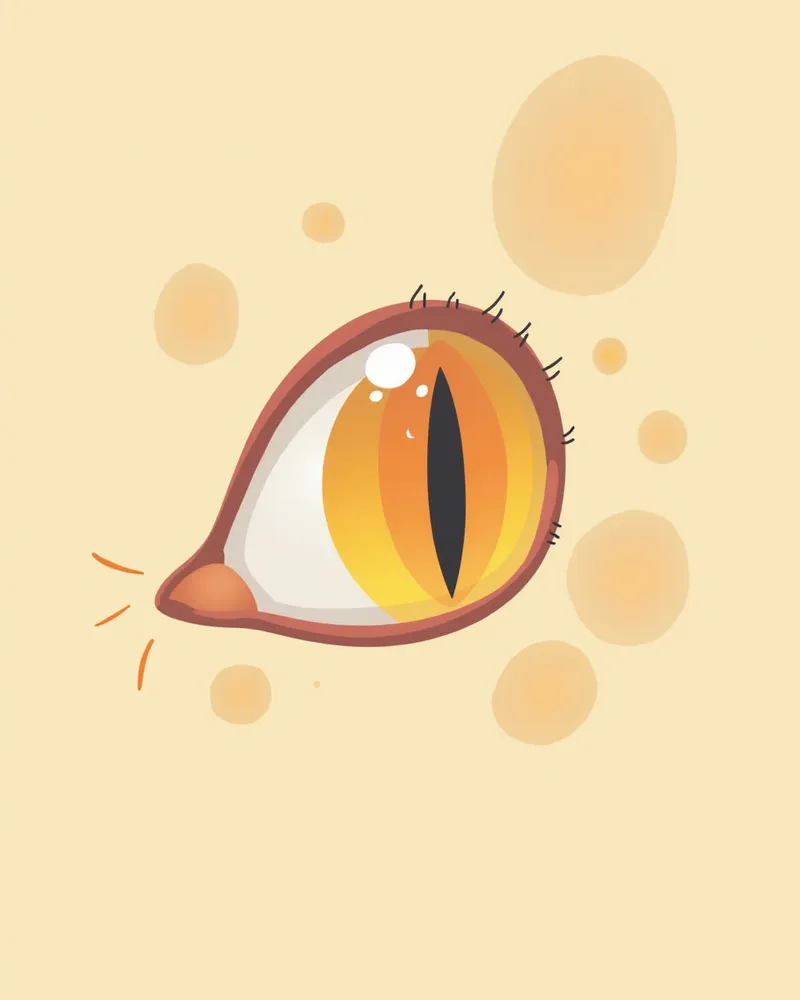
Main Signs and Symptoms

When to Visit the Vet Immediately
If you notice a sudden increase in tearing, redness of the eyes, or behaviors such as squinting or rubbing the eyes, consult your veterinarian immediately. These symptoms may indicate corneal damage or a severe infection. Delayed treatment can lead to vision loss.
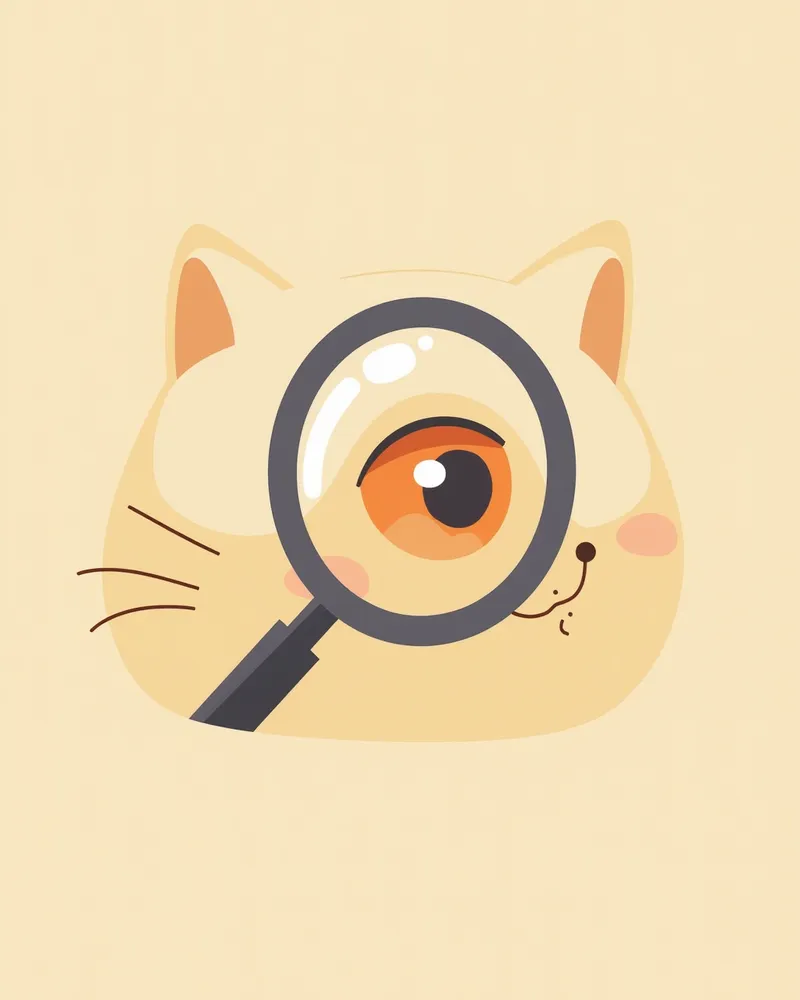
Accurate Diagnostic Methods
Treatment Options and Step-by-Step Management

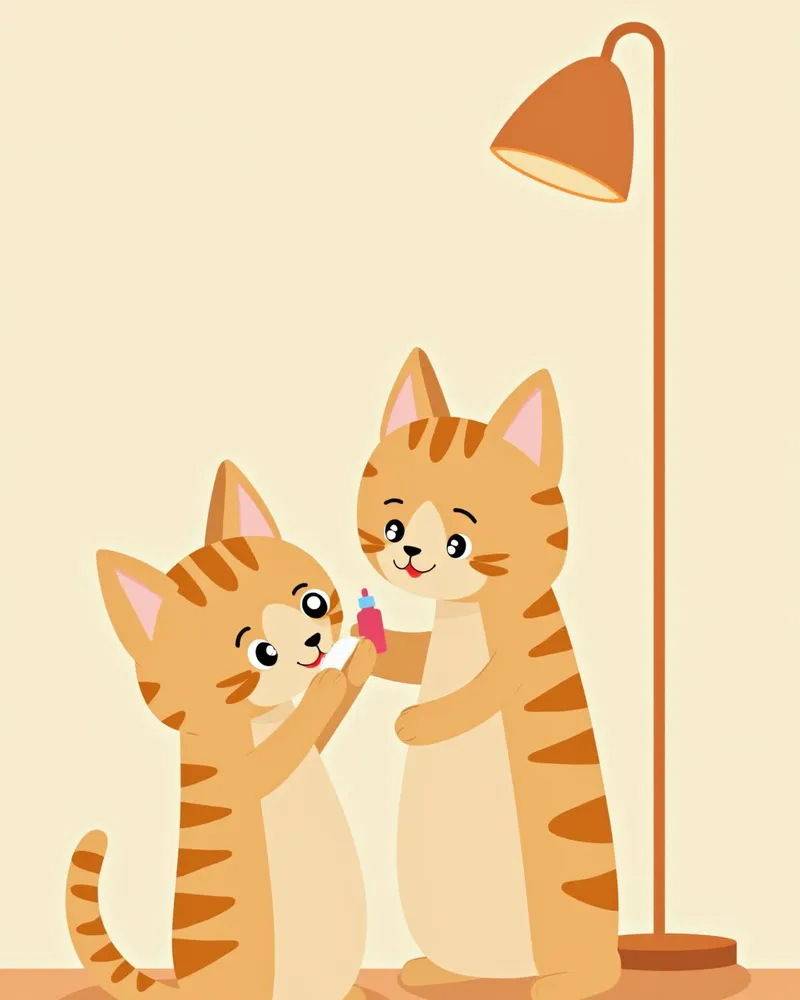
Home Care Tips
Special Attention Needed for Certain Breeds
Brachycephalic breeds—those with flat faces and short muzzles, such as Persians, Himalayans, and Exotic Shorthairs—are prone to chronic tearing due to entropion (inward-turning eyelids) and abnormally curved nasolacrimal ducts. For cats of these breeds, regular eye care and routine veterinary check-ups are especially important. Preventive care can make a significant difference.
Reviewed by a veterinarian

Dr. Tony — Punnawat Phongkittirak
VeterinarianA veterinarian who majored in veterinary medicine at Khon Kaen University, Thailand, and completed the IVSA program at North Carolina State University in the United States. Drawing on clinical experience at animal hospitals, he works in the pet healthcare field and is dedicated to building a digital care environment that connects pet parents with veterinarians.
Reviewed 2026-06-02
Frequently Asked Questions
Are tear stains dangerous for cats?
Can excessive tearing be prevented?
What should you keep in mind when managing your pet’s tear stains at home?
In what cases does excessive tearing commonly occur?
When is surgery necessary?
Comparison of Characteristics and Management by Cause of Excessive Tearing
| Item | Cause | Main Features | Treatment | Prevention Points |
|---|---|---|---|---|
| Tear duct blockage | Tears are not drained | Continuous tearing | Surgical opening | Regular checkups |
| Punctal adhesion (symblepharon) | Punctum blocked by conjunctival adhesion | Tears overflow | Surgical procedure | Management of underlying disease |
| Eye infection | Red eye, discharge | Cloudy tears | Antibiotic/antiviral treatment | Strengthened hygiene management |
| Eyelid abnormality | Hair irritates the eye | Repeated excessive tearing | Surgical correction | Regular hair grooming |
The treatment direction differs depending on the cause, so an accurate diagnosis is essential.
Share
Related Guides
Top 5 Dog Tear Supplements Recommended for 2026

What is Lutein? Effects on Dog Eye Health

The Best Canine Uveitis Management Products and Selection Criteria: A Comprehensive Guide
Puppy Drinking Excessive Water and Losing Weight — Causes and Treatment Timing for Chronic Kidney Disease (CKD)
Dog Herbicide Poisoning: Symptoms, Emergency Response, Dangerous Dosages, and Prevention – A Complete Guide
If You Notice a Black Spot on Your Dog’s Skin — A Guide to Canine Cutaneous Melanoma Symptoms, Diagnosis, and Treatment
Canine Pulmonary Adenocarcinoma: Early Symptoms, Diagnosis, Treatment, Prognosis, and Management Guide
Treatment of Canine Otitis Externa by Type (Bacterial, Fungal, Parasitic)
The Complete Guide to Tick-Borne Lyme Disease in Dogs
Ear Mites in Dogs: Symptoms, Causes, Diagnosis, Treatment, and Care Essentials
References
[1] Esson DW, Calvarese S (2022). Clinical Atlas of Canine and Feline Ophthalmic Disease, 2nd Ed. Wiley-Blackwell.
[2] Gelatt KN et al. (2013). Veterinary Ophthalmology, 2nd Ed. Wiley-Blackwell.
[3] Ny Y et al. (2006). Medial canthoplasty for epiphora in dogs: a retrospective study of 23 cases. J Am Anim Hosp Assoc, 42:435–439.