Like
Share
멍실장
고양이 화장실 기피 증상과 원인, 진단·치료와 관리 포인트 총정리

If Your Cat Is Avoiding the Litter Box — Causes from Urinary Tract Disease to Behavioral Issues

Brain & CognitionDiseasesMeongsiljang Veterinary Advisory Board

Based on veterinary resources, we’ve compiled a guide covering the causes, symptoms, diagnosis, treatment, and home care for cats that suddenly refuse to use the litter box.

What Is Litter Box Aversion?
Cats that avoid the litter box
Litter box aversion is a behavioral issue in which a cat refuses to use its designated litter box and repeatedly eliminates in other areas. The most important first step is to determine whether the cause is medical, involving pain, or behavioral, stemming from environmental or psychological factors. Conditions such as cystitis or lower urinary tract disease can cause pain during elimination, leading the cat to associate the litter box itself with discomfort and fear. If the aversion has started suddenly, a veterinary examination should precede any behavioral modification.

Main Causes of Litter Box Aversion

The causes can be divided into medical and environmental or behavioral factors.
Medical causes: cystitis, lower urinary tract disease, urethral obstruction, constipation, arthritis (pain when entering the litter box), cognitive dysfunction (in senior cats)
Environmental and behavioral causes: poor cleanliness (cleaning less than once or twice a day), sudden changes in litter type, a litter box that is too small or covered, a noisy location or one near food and water bowls, and territorial conflicts in multi-cat households
Since both types of causes often occur simultaneously, it’s best to pursue veterinary care alongside environmental improvements.

Signs That Indicate Litter Box Aversion
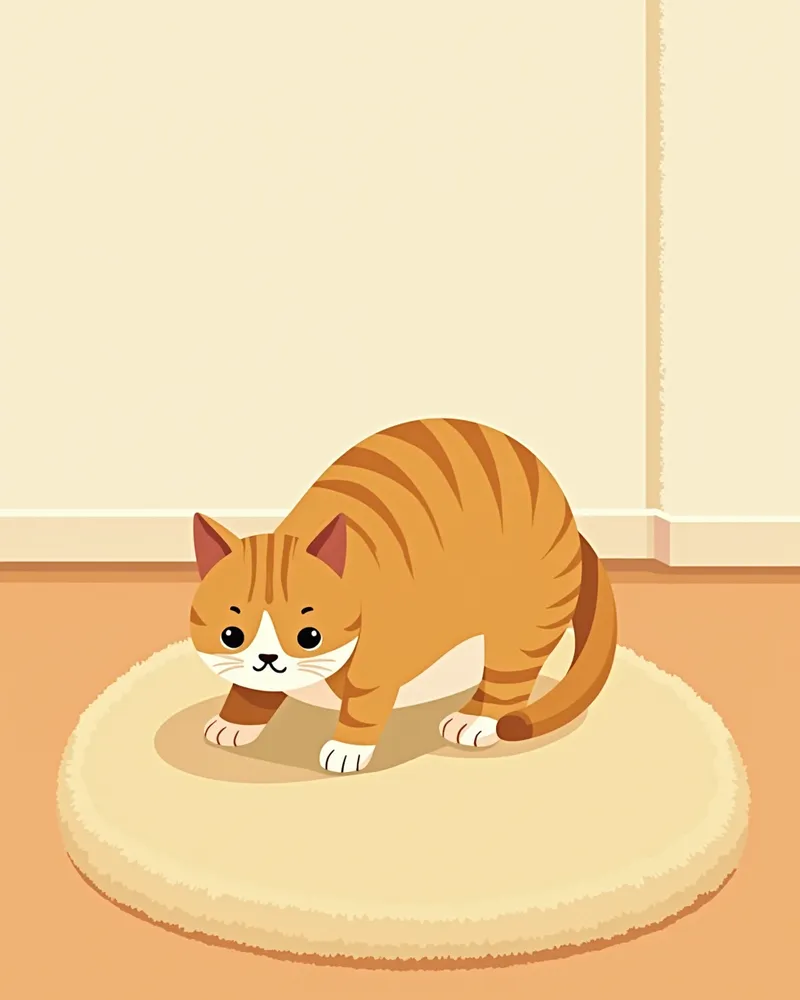
Eliminating outside the litter box: Repeatedly urinating or defecating in other areas, such as on carpets, bathroom floors, or sofas. Approaching the litter box then turning away: Going to the litter box but not entering and leaving instead. Exiting quickly after a short stay: Coming out immediately after entering without eliminating. Vocalizing or grimacing: Showing signs of pain during urination or defecation. Excessive licking: Repeatedly licking the genital area. If urine output is extremely reduced or blood is present in the urine, immediate veterinary care is necessary.
A cat attempting to eliminate outside the litter box

When to Seek Immediate Emergency Veterinary Care

If your male cat is frequently visiting the litter box but passing little to no urine, he may be experiencing a urethral obstruction. Male cats are at higher risk because their urethra is narrower, and this condition is a life-threatening emergency that can deteriorate rapidly. As the obstruction progresses, it can lead to hyperkalemia, severe azotemia, bradycardia, and circulatory failure. If you notice blood in the urine, vocalization during urination, a firm and distended bladder that doesn’t yield to pressure, or lethargy and loss of appetite, seek emergency veterinary care immediately.

How Is It Diagnosed?

Veterinarians first rule out medical causes by taking a behavioral history, performing a physical exam, and conducting blood, urine, and imaging tests (X-rays and ultrasounds). Urinalysis checks for cystitis, crystals, and hematuria, while imaging assesses for bladder stones or tumors. If no medical cause is found, a veterinary behaviorist analyzes the behavioral history to identify environmental or psychological factors. According to veterinary behavior textbooks, many cases of avoidance behavior involve both medical and behavioral causes.

Treatment — Approaches by Cause

Treating the underlying medical cause: The most common form of feline cystitis is sterile idiopathic cystitis (FIC), which tests negative on urine culture. In these cases, antibiotics are not routinely necessary and are only used when a bacterial infection is confirmed via culture. Because FIC tends to recur, the cornerstone of management is pain relief through analgesic and anti-inflammatory medications, along with stress and environmental management. If bladder stones are present, prescription diets or surgery are prioritized; for arthritis, pain management takes precedence.
Environmental and behavioral modifications: Key strategies include increasing the number of litter boxes (following the rule of one box per cat plus one extra), maintaining strict cleanliness, restoring the preferred litter type, and adjusting the litter box location.
Anxiety reduction: Veterinarian-prescribed anti-anxiety medications, pheromone diffusers, and nutritional supplements may be used as supportive therapies.
If symptoms recur, it is important to re-evaluate whether the underlying medical cause has been fully resolved.
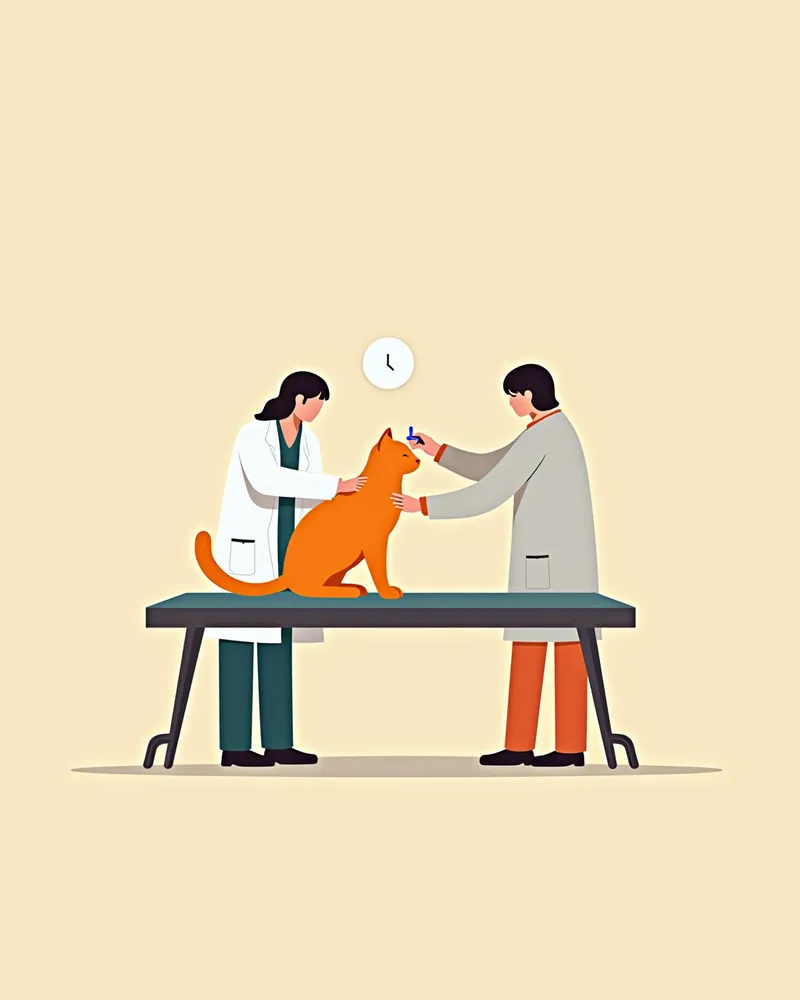
A cat receiving veterinary care

Improving the Litter Box Environment at Home
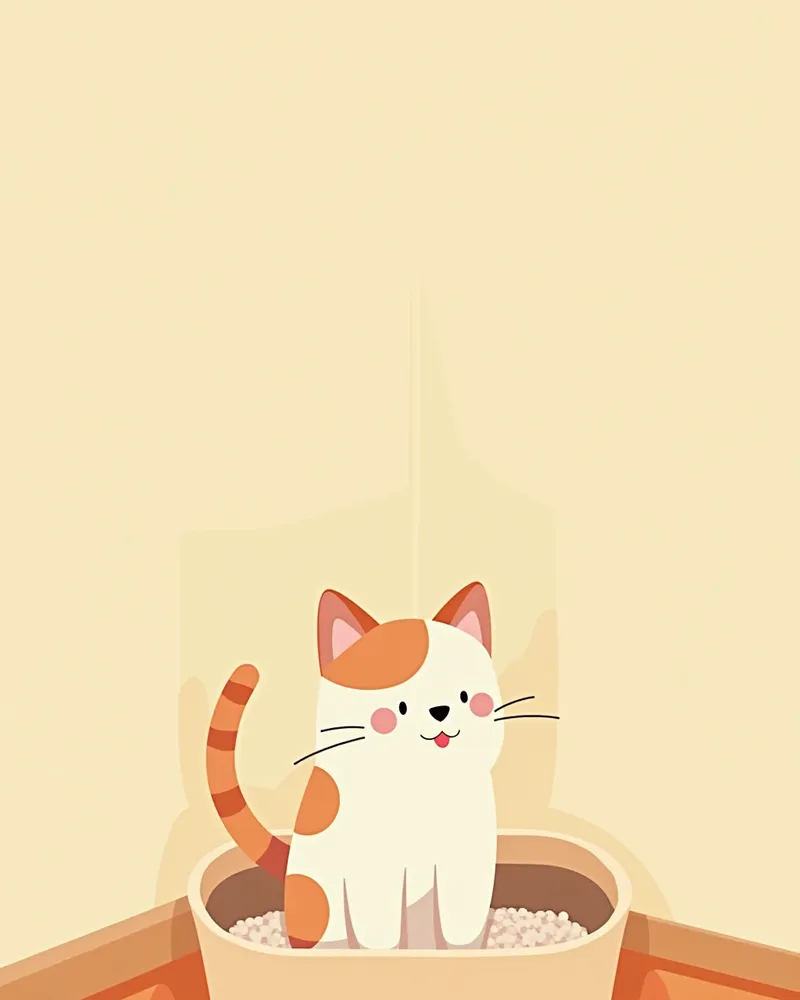
According to veterinary behavior textbooks, cats may refuse to use a litter box if they detect their own waste, so maintaining cleanliness is essential.
Number of boxes: One more than the number of cats
Size: At least 1.5 times the cat's body length
Cleaning: Scoop 1–2 times daily; fully wash once a week
Location: Quiet, easily accessible, and separate from food and water bowls
Litter: Stick to a familiar type; when changing, gradually transition by mixing the new litter with the old
A well-maintained, clean cat litter box

Litter Type and Correcting Preferences for Alternative Elimination Sites

Once a cat uses an alternative spot, it can develop a strong preference for that surface. Identifying the textures your cat favors—such as carpet or bath mats—and adjusting the litter type accordingly can be effective. Most cats prefer unscented, fine-grained clumping litter. Strongly scented deodorizing litters or cleaners may worsen avoidance behavior. To prevent repeat incidents, thoroughly eliminate odors from the avoided area using an enzyme-based cleaner.

Multi-Cat Households and Precautions to Prevent Recurrence

In multi-cat households, territorial conflict is a primary cause. Distribute litter boxes in multiple locations and ensure each cat can use them without interruption. If avoidance behaviors persist, consult a veterinary behaviorist. Adding pheromone diffusers and hiding spots can also help reduce stress.

Reviewed by a veterinarian

Dr. Tony — Punnawat Phongkittirak

Dr. Tony — Punnawat Phongkittirak

Veterinarian

A veterinarian who majored in veterinary medicine at Khon Kaen University, Thailand, and completed the IVSA program at North Carolina State University in the United States. Drawing on clinical experience at animal hospitals, he works in the pet healthcare field and is dedicated to building a digital care environment that connects pet parents with veterinarians.

Frequently Asked Questions

My cat has suddenly stopped using the litter box. What should I do?
Sudden litter box aversion can be caused by medical issues such as cystitis or lower urinary tract disease. The first step is a veterinary examination, including a urinalysis. If there is blood in the urine or difficulty urinating, you should visit the clinic the same day.
Even after cleaning, my pet keeps eliminating in inappropriate places. Why is this happening?
Once a cat develops an aversion to a particular spot, it can become strongly attached to an alternative location. Thoroughly clean the previously avoided area with an odor-neutralizing cleaner that leaves no strong scent, and consider changing the type of litter or the litter box’s location. If the behavioral issue persists, consult a veterinary behavior specialist.
How many litter boxes should I have?
The general rule is to have one more litter box than the number of cats. If you have two cats, you’ll need at least three boxes. It’s important to place them in different locations; clustering them together defeats the purpose, no matter how many you have.
What type of litter helps reduce avoidance behavior?
Cats generally prefer soft, absorbent litter and may avoid strongly scented litter or cleaning agents. When switching litter, it’s best to gradually transition by mixing the new litter with the old one while maintaining a familiar texture.
My male cat keeps going to the litter box but isn’t producing any urine. Is this dangerous?
This could be a very dangerous emergency. Male cats have a narrow urethra, which puts them at high risk for blockages. A urethral obstruction can become life-threatening in a short amount of time. You need to go to an emergency animal hospital immediately.

Share

Related Guides

References

[1] Overall KL. Chapter 13: Feline Elimination Disorders. In: Introduction to Animal Behavior and Veterinary Behavioral Medicine. 2003.

[2] Little SE (Ed.). Chapter 16: Behavioral Problems. In: The Cat: Clinical Medicine and Management, 2nd Edition. Elsevier. 2012.

This information is based on veterinary literature and does not replace diagnosis or treatment. Please consult a veterinarian for specific health concerns.

Metapet Co., Ltd. | CEO: Park Sung-yong | Business Reg. No. 417-88-02562 | Seoul, South Korea | Customer Center

Cat Avoiding the Litter Box? Urinary Disease to Behavior Causes | Meongsiljang