

Dog Whipworm (Trichuris) Infection
Dog whipworms are whip-shaped parasites that live in the cecum and large intestine. They can be a hidden cause of chronic diarrhea and weight loss, making regular deworming essential.
What Is Dog Whipworm Infection?
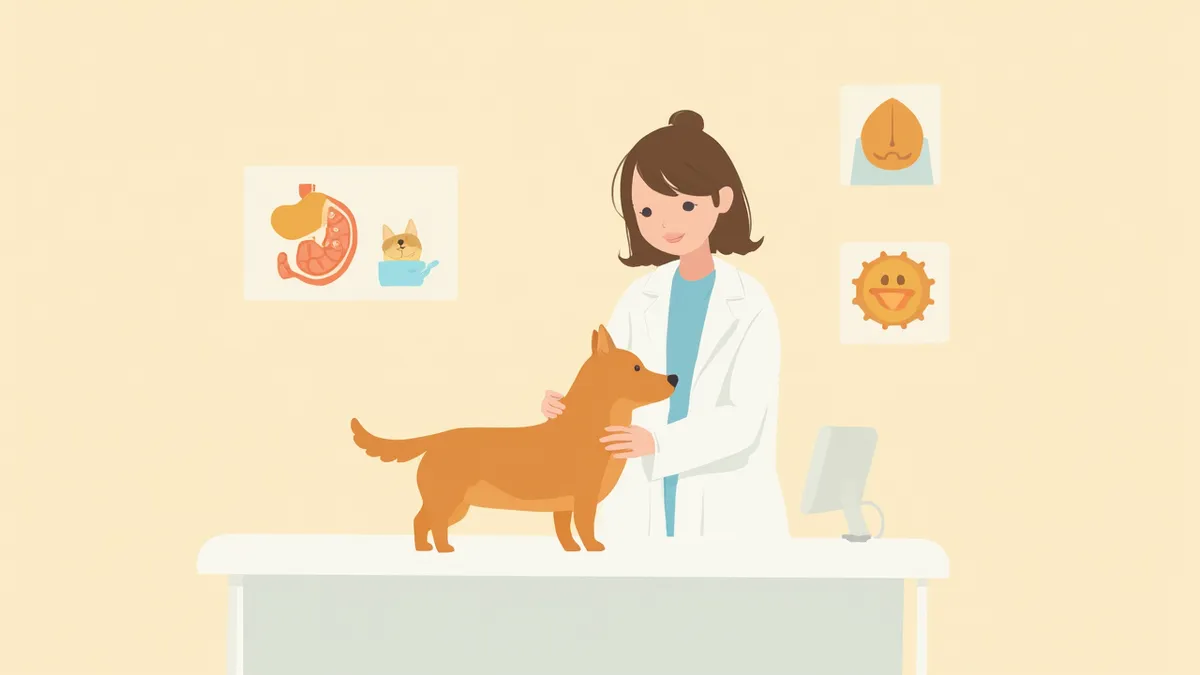
Causes and Routes of Infection
Key Symptom Checklist

Signs Requiring Immediate Veterinary Visit
If you notice any of the following symptoms, please visit the clinic within 48 hours. Severe whipworm infections can lead to colitis and electrolyte imbalances (pseudohypoadrenocorticism), which may become life-threatening emergencies. - Bloody stools occurring three or more times a day - Vomiting accompanied by diarrhea - Pale or grayish gums - Lethargy and loss of appetite - Weight loss of 5% or more within a week
Diagnostic Methods
Treatment Methods and Duration
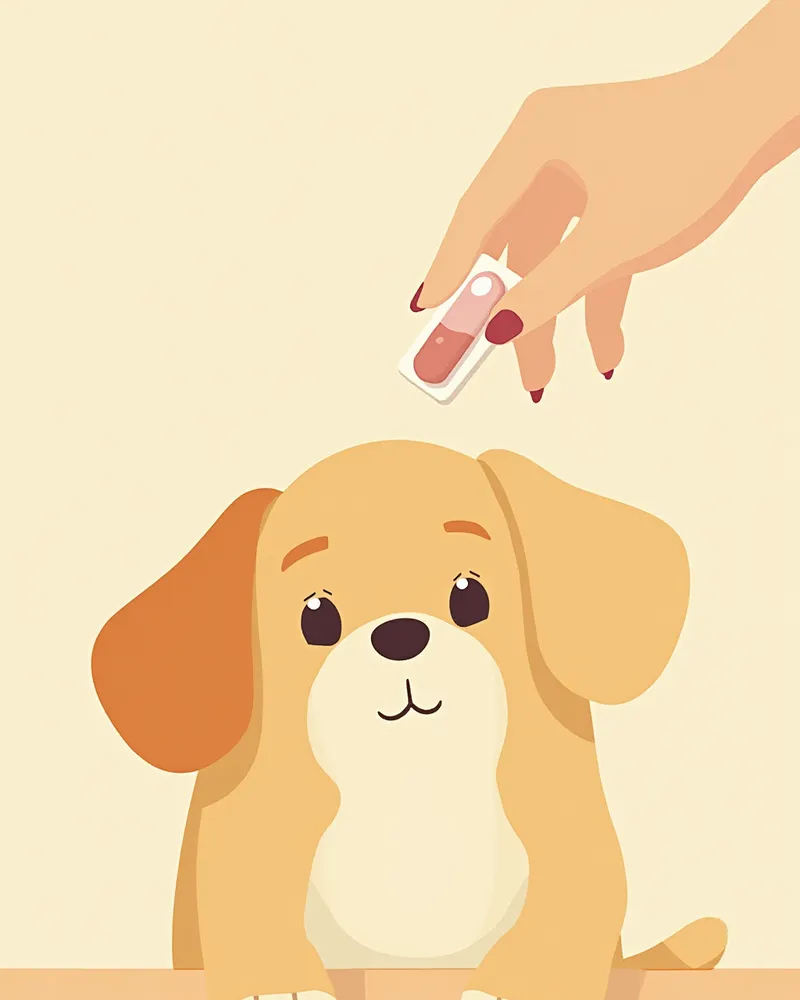
Home Care and Prevention of Recurrence
Precautions by Breed and Environment
Dogs that spend a lot of time outdoors and those with weakened immune systems are especially vulnerable to whipworms. - Hunting and walking breeds: Breeds like Beagles and Retrievers that frequently sniff the ground - Puppies and senior dogs: Symptoms can worsen quickly due to weaker immune systems - Multi-dog households and rescue dogs: Higher risk of group infections - Homes with dirt yards: Environments where whipworm eggs can survive for long periods If any of these apply to your dog, we recommend regular fecal exams every three months.
Reviewed by a veterinarian

Dr. Tony — Punnawat Phongkittirak
VeterinarianA veterinarian who majored in veterinary medicine at Khon Kaen University, Thailand, and completed the IVSA program at North Carolina State University in the United States. Drawing on clinical experience at animal hospitals, he works in the pet healthcare field and is dedicated to building a digital care environment that connects pet parents with veterinarians.
Reviewed 2026-04-28
Frequently Asked Questions
Can roundworms be transmitted to humans?
Can my pet still get pinworms even though I’m already giving them a regular dewormer?
How long after treatment should I schedule a follow-up checkup?
I’ve heard that roundworm eggs can survive for a long time. How should I manage my yard?
Can puppies get roundworms?
Share
Related Guides

My Senior Cat Won’t Eat — A Complete Guide to Choosing Food for Cats with Weak Digestion

Top 5 Prescription Diets for Feline Pancreatitis Recommended by Veterinarians — Low-Fat, Highly Digestible Food Guide

Royal Canin vs Hill’s vs Purina vs Orijen — Which Brand Is Right for Your Pet, According to Veterinarians?

Is It Safe to Walk My Dog with Heart Disease? — Exercise Restriction Guidelines and Warning Signs

If Your Dog’s Heartbeat Is Irregular — Atrial Fibrillation Symptoms and Treatment Timing
ACE Inhibitors for Dogs: A Complete Guide to Effects, Side Effects, and Medication Management

Feline Thoracic X-ray Heart Size: From Cardiomegaly Warning Signs to Diagnosis and Treatment

If Your Cat Suddenly Disappears — Causes of Hypertensive Heart Disease and When to Visit the Vet

Complete Guide to Feline HCM Genetic Testing — How to Know Before Symptoms Appear

Sudden Hindlimb Paralysis in Your Cat — Warning Signs of Aortic Thromboembolism and Emergency Treatment Timing
References
[1] Otranto D, Wall R. Veterinary Parasitology, 5th Edition. John Wiley & Sons Ltd, 2024. Chapter: Parasites of Dogs - Trichuris vulpis
[2] Bowman DD. Georgis' Parasitology for Veterinarians, 11th Edition. Elsevier, 2020. Chapter: Nematodes - Trichuridae
[3] Ettinger SJ, Feldman EC. Textbook of Veterinary Internal Medicine, 8th Edition. Elsevier, 2017. Chapter: Gastrointestinal Parasitism