Like
Share
멍실장
강아지 ACE 억제제 심장 증상과 원인, 진단·치료와 관리 포인트 총정리

ACE Inhibitors for Dogs: A Complete Guide to Effects, Side Effects, and Medication Management

HeartDiseasesMeongsiljang Veterinary Advisory Board

ACE inhibitors for dogs can cause side effects when used to treat heart disease. Since these side effects may impact heart function, it’s important to recognize and manage them early on.

What Is ACE Inhibitor-Induced Cardiomyopathy in Dogs?
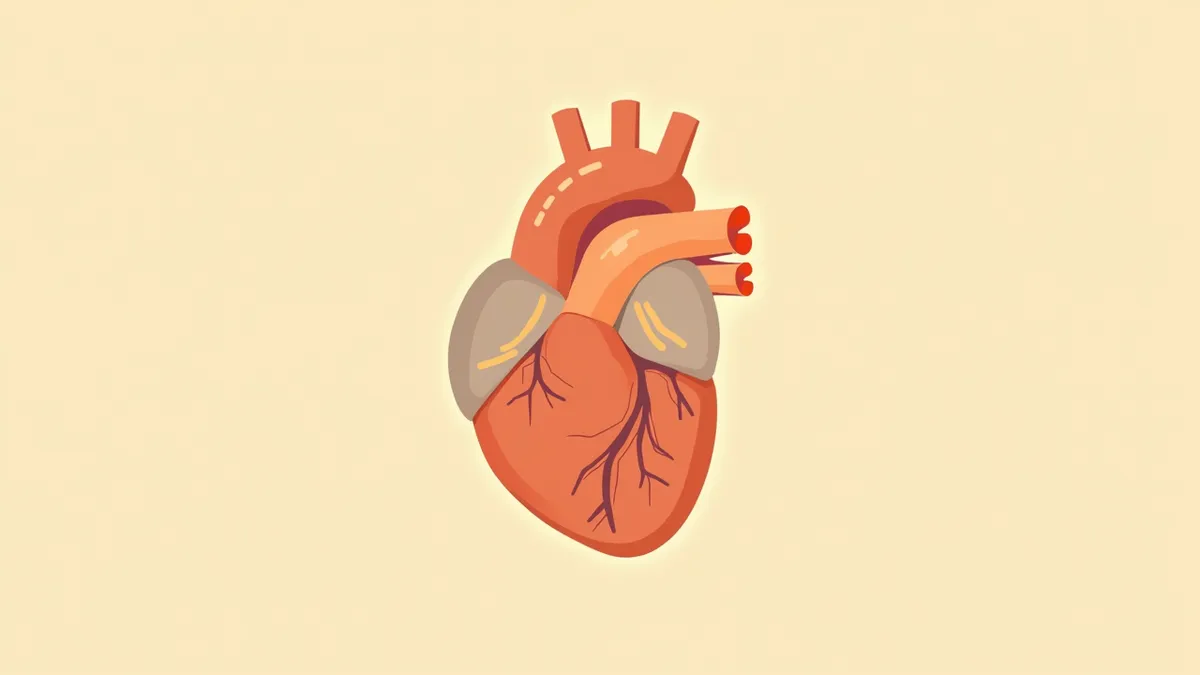
An anatomical diagram of a dog’s heart, showing the flow of medication through the circulatory system.
ACE inhibitors are medications used to manage heart disease in dogs. By dilating blood vessels, they reduce the workload on the heart as it pumps blood, making them a standard treatment option alongside diuretics and positive inotropes for managing heart failure. Therefore, the phrase “heart disease caused by ACE inhibitors” is medically inaccurate. On the other hand, there are cases where certain drugs or toxic substances directly damage heart muscle. Veterinary textbooks note that specific agents, such as the chemotherapy drug doxorubicin and catecholamines, can cause secondary dilated cardiomyopathy. - ACE inhibitors: Medications that dilate blood vessels to reduce cardiac workload, aiding in the management of heart failure. - Drug- or toxin-induced cardiomyopathy: Certain drugs, including some chemotherapy agents, and toxic substances can impair the heart muscle’s contractility, so monitoring is essential when using these medications. - Individual variation: Drug responses may vary depending on underlying heart conditions or kidney function, making it important to adjust dosages under veterinary guidance.

What Are the Main Causes of ACE Inhibitor-Induced Cardiomyopathy?
The main causes of drug- or toxin-induced cardiomyopathy, which damages heart muscle, are certain medications and toxic substances. According to veterinary textbooks, substances such as the chemotherapy drug doxorubicin, catecholamines, cobalt, gossypol, and ionophores are known as relatively common secondary causes that lead to decreased contractility and dilation of the heart muscle. There is no evidence in textbooks suggesting that ACE inhibitors themselves "cause" heart disease. - Specific drugs and toxic substances: Certain chemotherapy drugs like doxorubicin and substances such as catecholamines may be associated with myocardial damage. - Genetically predisposed breeds: Dilated cardiomyopathy is more common in large and giant breeds such as Doberman Pinschers, Great Danes, and Irish Wolfhounds, suggesting a genetic predisposition. There is no evidence linking the condition to "white coat color." - Impact of underlying conditions: The risk of adverse drug reactions may increase if there are pre-existing heart conditions or reduced kidney function, making renal and electrolyte assessments necessary. - Medication management: Medications should be taken and adjusted consistently under veterinary guidance. Never stop medication arbitrarily or combine it with other drugs without consulting your veterinarian.
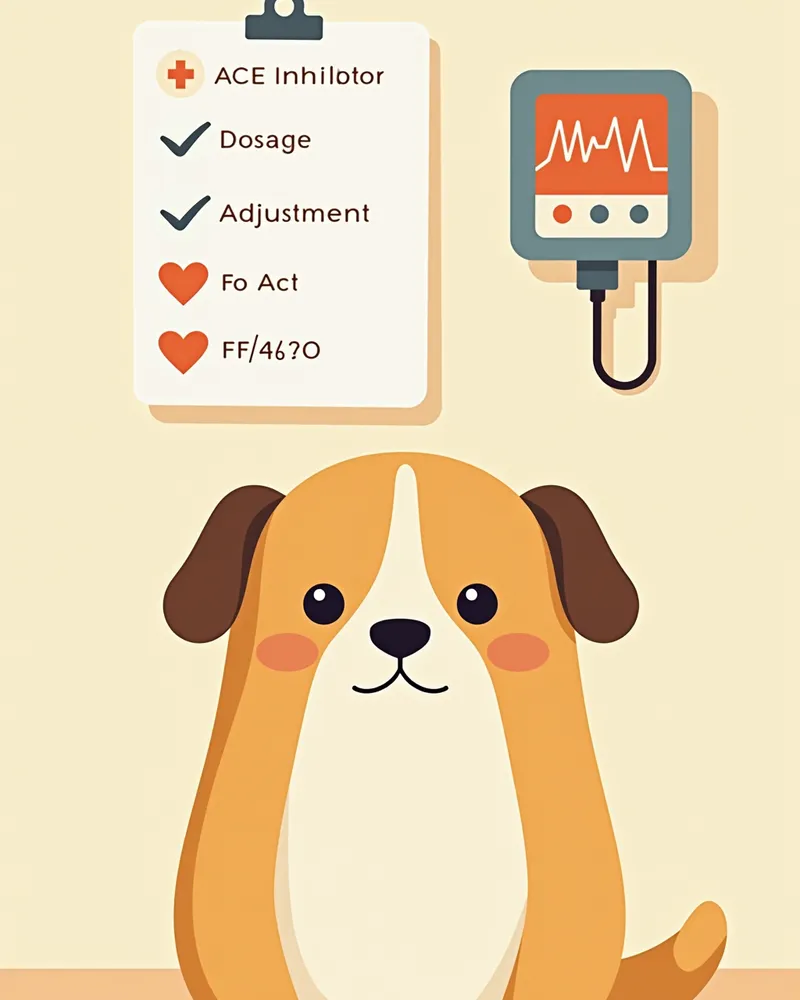
Heart monitoring graph for dogs and medication adjustment chart

Check for Key Symptoms and Signs

When heart function declines or heart failure progresses, common signs include difficulty breathing (rapid breathing), exercise intolerance (tiring easily), coughing, and irregular heartbeats. You may also notice lethargy, fainting, or abdominal swelling (ascites). Because these symptoms stem from impaired heart function, early detection and prompt care are essential.
Difficulty breathing: Your pet may breathe rapidly or pant heavily, even while resting.
Exercise intolerance and fatigue: Everyday activities like walks become difficult, and your pet moves less.
Coughing: Coughing may occur repeatedly after activity or at night. As the heart enlarges, it can press on the airways and cause coughing even without pulmonary edema.
Irregular heartbeat: The heart rate may increase or become irregular, sometimes with skipped beats.
Lethargy and fainting: Your pet may lack energy and refuse to move, or suddenly collapse (faint).
Abdominal swelling: In right-sided heart failure, fluid can accumulate in the abdomen, causing it to swell.
Your dog is panting heavily with labored breathing and showing signs of anxiety.

Symptoms Requiring Immediate Veterinary Visit

If your dog suddenly develops difficulty breathing, severe coughing, or becomes so lethargic that it collapses, you should go to the vet immediately. This is a sign of a rapid deterioration in heart function, so consult with a veterinarian without delay.

Diagnostic Tests for Accurate Assessment
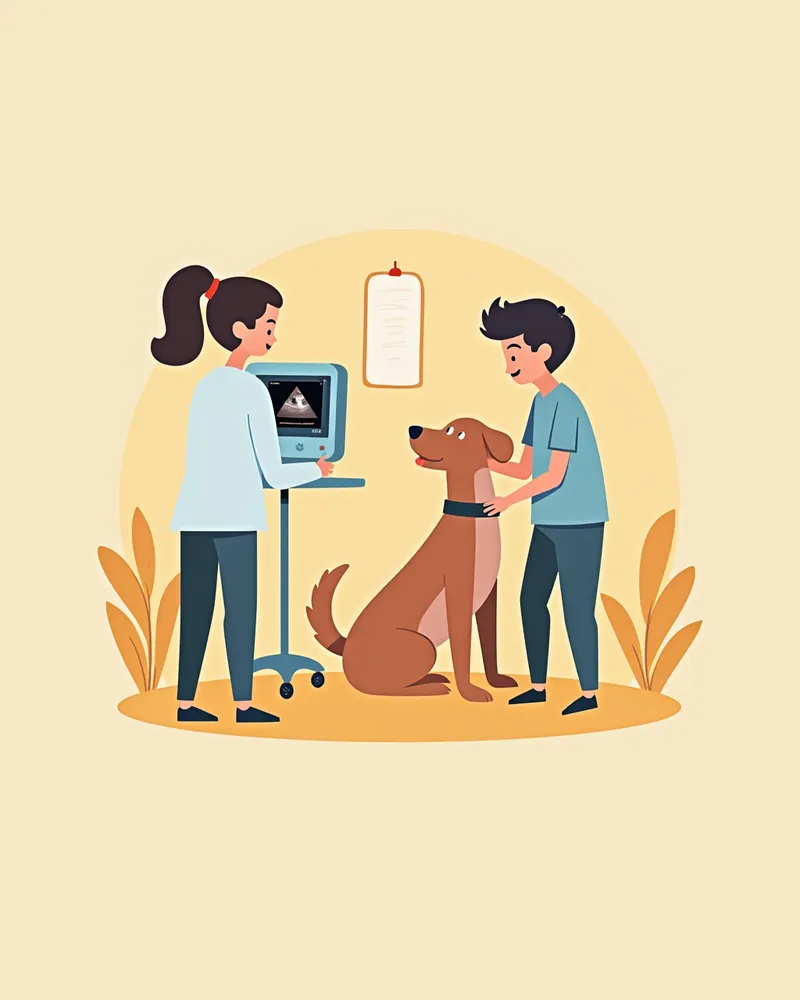
To accurately assess heart function, multiple tests are typically performed together. - Echocardiogram: This is the foundational test when heart disease is suspected, as it allows real-time visualization of the heart’s structure, contractile function, and blood flow. - Electrocardiogram (ECG) and Holter Monitoring: Standard 6-lead ECGs or 24-hour Holter monitoring are essential for diagnosing arrhythmias. - Thoracic Radiographs (X-rays): These help detect pulmonary edema, pleural effusion, and changes in heart size. Thoracic radiography is considered the standard test for identifying pulmonary edema. - Blood Tests: Complete blood counts and biochemical profiles evaluate kidney function and electrolyte levels (such as sodium, potassium, calcium, and phosphorus) to monitor for potential side effects from medications. - Blood Biomarker Tests: Blood tests measuring cardiac biomarkers can be used as an adjunct to assess the degree of cardiac stress. The specific tests chosen and their interpretation are determined by the veterinarian.
A veterinarian uses an ultrasound device on a puppy's chest, with the heart image displayed on the screen.

Treatment Methods and Step-by-Step Management

Treating heart disease focuses on maintaining cardiac function and managing symptoms. According to veterinary guidelines, heart failure management involves using diuretics, cardiotonics (positive inotropic drugs), beta-blockers, ACE inhibitors, and antiarrhythmics, tailored to the stage of the disease. In other words, ACE inhibitors are not medications to be discontinued but rather a cornerstone of treatment, and any dosage adjustments must be made under a veterinarian’s guidance. Additionally, the severity of the disease is classified into stages, and treatment is applied according to the appropriate stage.
Medication Management: Diuretics, cardiotonics, ACE inhibitors, and other drugs are adjusted according to the stage of the disease. Do not discontinue them without consulting your veterinarian.
Nutritional Management: Some cases of dilated cardiomyopathy may be associated with taurine or L-carnitine deficiency, so manage your pet’s diet after consulting with your veterinarian.
Exercise Management: Avoid excessive activity and maintain light exercise appropriate to your pet’s condition.
Regular Check-ups: Monitor your pet’s condition and response to medication through regular cardiac examinations.
A dog strolling slowly down a quiet path alongside its veterinarian

Home Care Points

Consistent home care is crucial for dogs with heart disease. It’s important to administer medication at the exact prescribed times and maintain a steady routine for feeding and exercise. Sudden changes in environment or loud noises can cause stress, so keeping a calm, quiet atmosphere is recommended. Regularly monitor your dog’s weight to track any changes, and if any unusual symptoms arise while on medication, do not stop the treatment on your own; consult your veterinarian immediately. Keeping a medication log is also highly beneficial for monitoring and managing potential side effects. Regular communication with your veterinarian is essential to maintain your dog’s heart health.
An indoor scene of a puppy sleeping comfortably on its bed, with a medication schedule posted on the wall.

Breed-Specific Precautions and Prevention of Recurrence

Heart conditions like dilated cardiomyopathy are more commonly reported in large and giant breeds such as Doberman Pinschers, Great Danes, and Irish Wolfhounds, with a suspected genetic predisposition. There is no evidence in veterinary textbooks to support the claim that dogs with white coats are more sensitive to ACE inhibitors. For dogs with heart disease, it is important to continue regular cardiac check-ups even while on medication, never stop the prescribed drugs without consulting your veterinarian, and maintain open, ongoing communication with your vet.

Reviewed by a veterinarian

Dr. Tony — Punnawat Phongkittirak

Dr. Tony — Punnawat Phongkittirak

Veterinarian

A veterinarian who majored in veterinary medicine at Khon Kaen University, Thailand, and completed the IVSA program at North Carolina State University in the United States. Drawing on clinical experience at animal hospitals, he works in the pet healthcare field and is dedicated to building a digital care environment that connects pet parents with veterinarians.

Frequently Asked Questions

What should I do if my pet develops heart problems after starting an ACE inhibitor?
ACE inhibitors are medications used to treat heart disease. Stopping them abruptly on your own can be dangerous, so if you notice any unusual symptoms, don’t stop the medication—contact your veterinarian first to discuss adjusting the dosage or other options.
ACE inhibitors are used to treat which heart conditions?
It is primarily used to manage conditions such as heart failure, chronic valvular insufficiency, and hypertension. It is one of the therapeutic medications that help reduce the workload on the heart.
What symptoms should prompt a visit to the vet while your pet is on medication?
If symptoms such as difficulty breathing, coughing, fainting (syncope), or lethargy worsen, immediate veterinary care is necessary.
Is it safe to take ACE inhibitors long-term?
It can be taken long-term under a veterinarian’s ongoing monitoring. Regular check-ups help assess your pet’s condition and adjust the dosage as needed.
How does dietary management help?
Some cases of dilated cardiomyopathy may be linked to deficiencies in taurine and L-carnitine, so appropriate dietary management under veterinary guidance can help support heart health.

Comparison of Step-by-Step Management for ACE Inhibitor-Induced Cardiomyopathy

ItemMain SymptomsResponse MeasuresNeed for Veterinary Consultation
MildSlight fatigue, mild coughAdjust medication after veterinary consultation, manage activityYes
ModerateDifficulty breathing, irregular heartbeatAdjust medication after veterinary consultation, perform cardiac examinationYes
SevereSevere difficulty breathing, collapse (fainting)Visit hospital immediately, emergency treatmentImmediately

Hospital visits and medication adjustments vary depending on symptom severity. Do not stop medication arbitrarily; consult your veterinarian, and early detection is important.

Share

Related Guides

References

[1] Handbook of Veterinary Pharmacology. I. Drugs Used in Heart Failure Therapy. 2023.

[2] Textbook of Cardiovascular Medicine in Dogs and Cats. 2021. Chapter 7: ACE Inhibitors in Canine Heart Disease.

[3] Plumb's Veterinary Drug Handbook, 10th Edition. 2022. ACE Inhibitors Section.

This information is based on veterinary literature and does not replace diagnosis or treatment. Please consult a veterinarian for specific health concerns.

Metapet Co., Ltd. | CEO: Park Sung-yong | Business Reg. No. 417-88-02562 | Seoul, South Korea | Customer Center

ACE Inhibitors for Dogs: Effects, Side Effects & Management | Meongsiljang