Like
Share
멍실장
강아지 성견 추가 접종 스케줄 증상과 원인, 진단·치료와 관리 포인트 총정리

Adult Dog Booster Vaccination Schedule: Symptoms, Causes, Diagnosis, Treatment, and Care Essentials

Lifestyle & Age CareDiseasesMeongsiljang Veterinary Advisory Board

Additional vaccinations for adult dogs are a crucial step in disease prevention. Without regular boosters, the risk of infection increases significantly.

The Adult Dog Booster Vaccination Schedule Is Key to Prevention
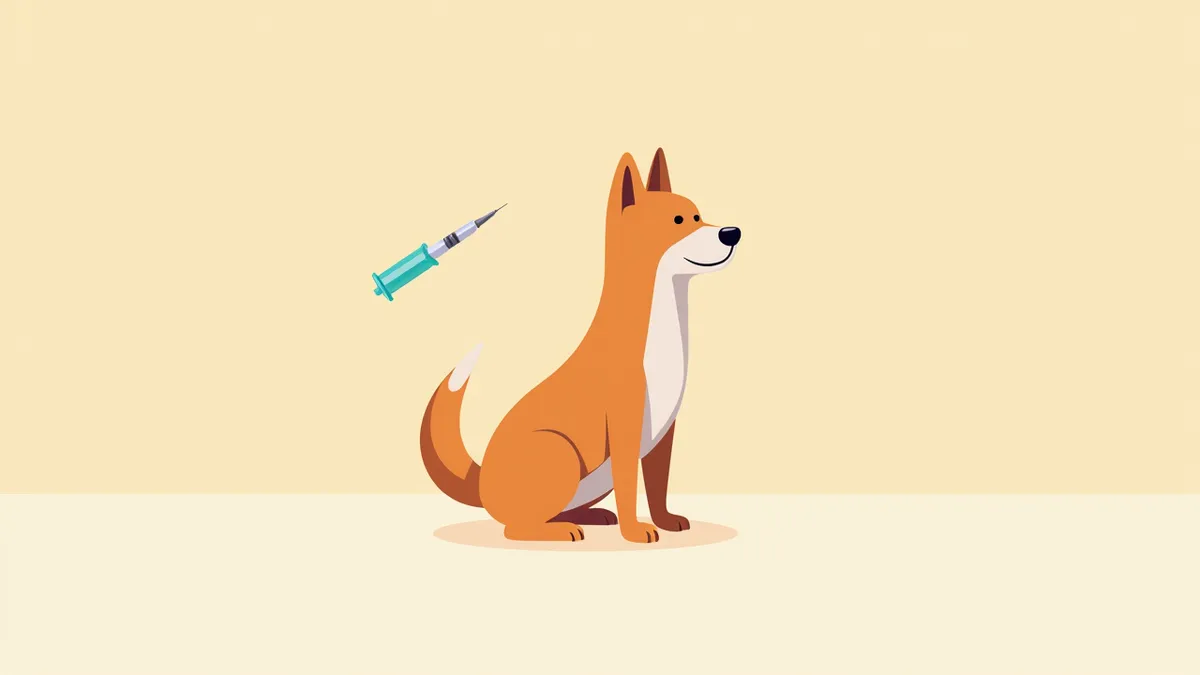
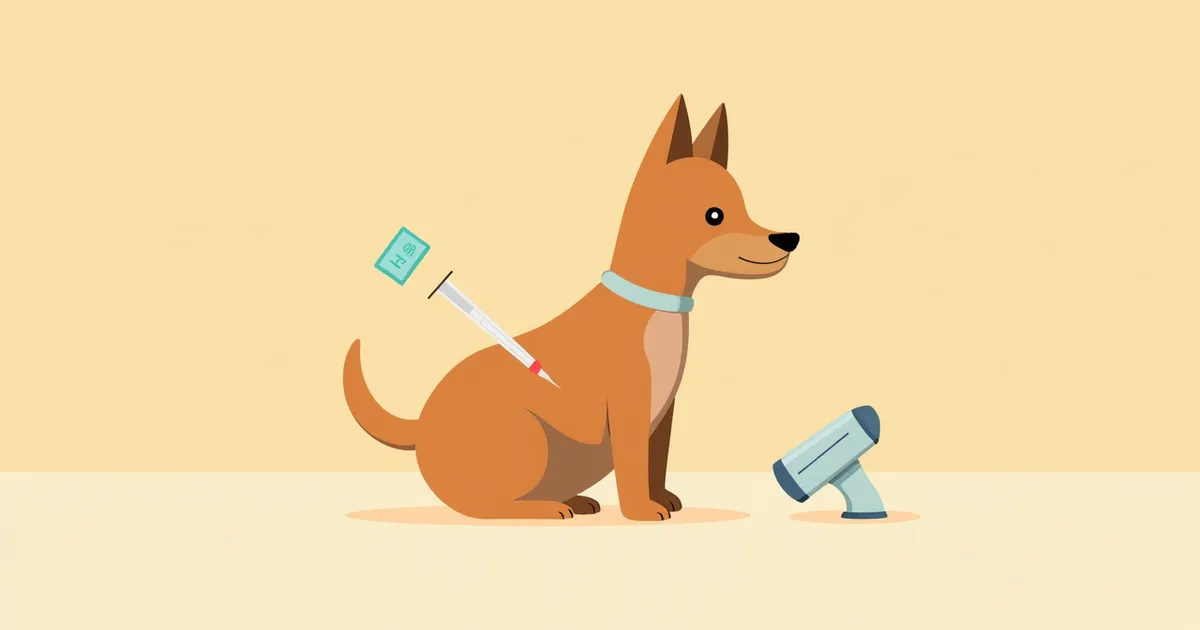
A veterinarian administering a vaccine to an adult dog.
The booster vaccination schedule for adult dogs is a preventive strategy determined by your veterinarian based on your dog’s individual biological status and living environment. Supplemental vaccinations may be considered if there is a risk of exposure to infectious diseases, based on regular health check-ups and vaccination records.
Regular Vaccinations: Core vaccines are typically administered every three years, with adjustments made as needed based on your veterinarian’s assessment.
Vaccine Types: Core vaccines include those for distemper, parvovirus, adenovirus-2, and rabies. The leptospirosis vaccine is a non-core vaccine selected based on the risk level associated with your dog’s living environment.
Vaccination Timing: The first booster is given one year after the initial vaccination series, followed by subsequent boosters typically recommended at three-year intervals.
Pre-Vaccination Testing: To ensure your dog’s health status, we appropriately recommend checking weight, body temperature, complete blood count, and urinalysis.
Vaccination is the first step in prevention. Please work with your veterinarian to create a plan.

The Main Reason for Adult Dog Booster Vaccinations Is Infectious Disease Prevention

The most common reason for additional vaccinations in adult dogs is disease prevention. Vaccines boost immunity and reduce the risk of infection.
Declining immunity: As dogs age, their natural immunity weakens, making vaccinations necessary.
Increased environmental exposure: More outdoor activities, such as walks, visits to parks, and pet cafes, increase the risk of infection.
Waning vaccine efficacy: Immunity gradually decreases after initial vaccinations, so booster shots are needed.
Disease outbreaks: If a specific disease is prevalent in your area, vaccination becomes even more critical.
Prevention is far more important than treatment. Be sure to stay on top of it.
An adult dog enjoying a walk in the park.

Checklist of Key Symptoms Related to Adult Dog Booster Vaccinations
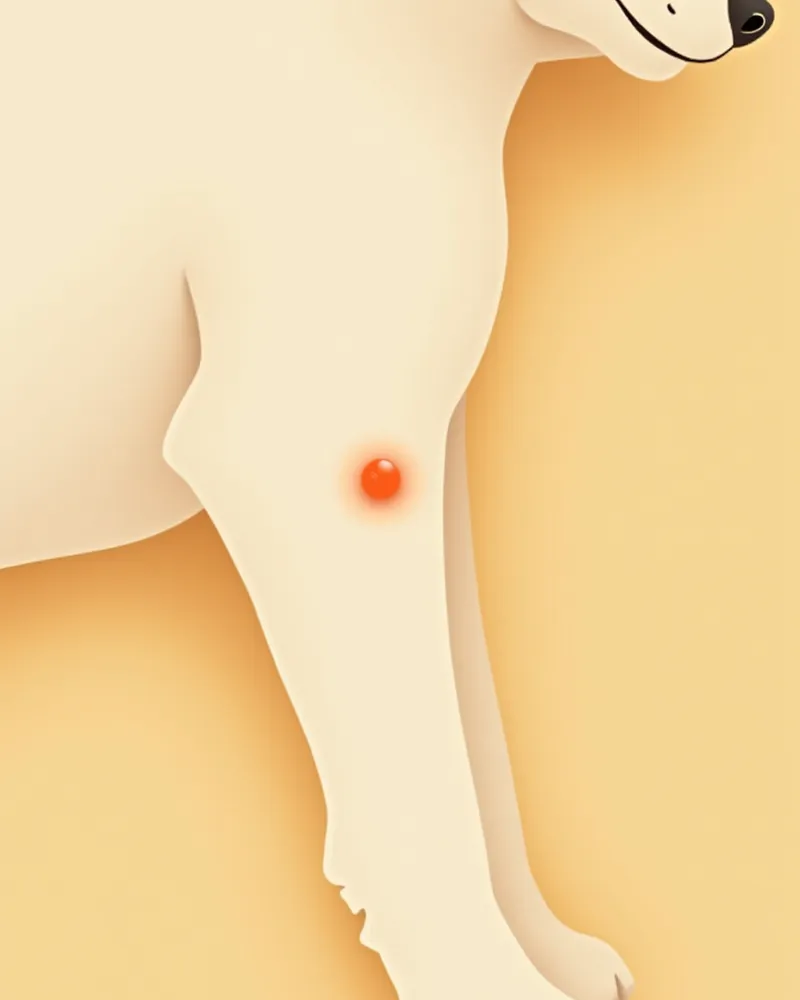
Knowing what reactions might occur after your adult dog’s booster shots can help you feel more prepared. Mild symptoms that appear within 1–2 days after vaccination are generally considered normal.
Swelling at the injection site: Some dogs may experience temporary swelling or mild tenderness at the injection site.
Fever: A slight increase in body temperature may cause your dog to seem less active or more sleepy than usual.
Decreased appetite: A temporary drop in appetite is common; your dog may eat less or skip treats entirely.
Fatigue: Your dog may feel heavy and prefer to rest throughout the day.
Coughing or sneezing: Some dogs may exhibit temporary respiratory symptoms.
These symptoms usually resolve on their own. However, if they persist or worsen, please consult your veterinarian.
A vaccinated adult dog’s leg with slight swelling at the injection site

Symptoms Requiring Immediate Veterinary Visit

If your adult dog shows any of the following symptoms after a booster vaccination, take them to the vet right away.

Comparison Table of Adult Dog Booster Vaccination Types

Item백신 종류접종 주기주요 예방 질병부작용 가능성
디스템퍼(개 홍역) 백신1년 후 보충, 이후 3년에 1회 권고디스템퍼(개 홍역)낮음
파보바이러스 백신3년에 1회 권고파보바이러스낮음
아데노바이러스-2 백신3년에 1회 권고전염성 간염·호흡기 질환낮음
광견병 백신법정 주기에 따라 1년 또는 3년광견병낮음

접종 주기는 수의사의 평가와 개별 위험 요소에 따라 달라질 수 있어요. 부작용 가능성은 개인차가 커요.

Diagnosis for Adult Dog Booster Vaccinations Is Done Through Regular Health Checkups
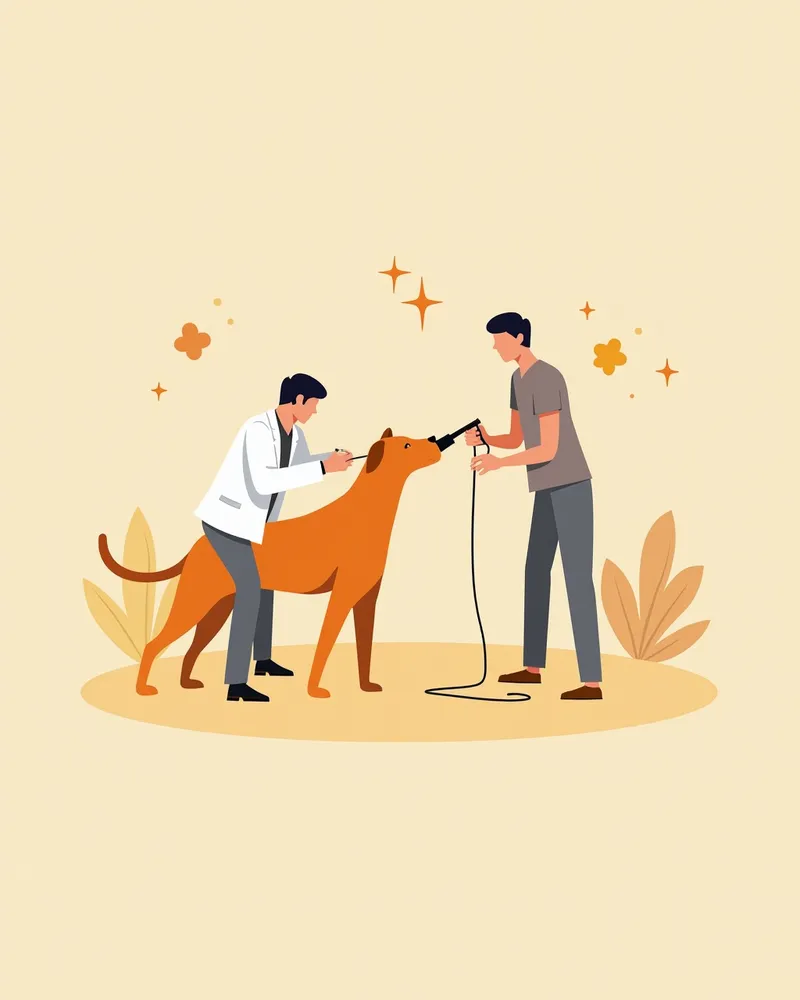
Determining whether an adult dog needs additional vaccinations is done through regular health checkups, during which the veterinarian evaluates the dog’s overall condition.
Physical examination: Checks body temperature, heart rate, respiratory rate, skin condition, and more.
Blood tests: Assesses immune status and internal organ function.
Urinalysis: Evaluates kidney function and checks for infections.
Review of vaccination records: Confirms previous vaccinations and determines the timing for the next dose.
Regular checkups are key to prevention—be sure to keep them on schedule.
A veterinarian examining the mouth and ears of an adult dog.

Treatment and Care Methods for Adult Dog Booster Vaccinations

After your adult dog receives a booster vaccination, proper care is essential to maintain their health. Please follow these guidelines:
Provide Rest: Limit activity and allow your dog to rest for one day after vaccination.
Dietary Management: Start with a light meal and gradually transition back to their regular diet.
Injection Site Care: If swelling or pain occurs, apply a cold compress gently using a cold pack.
Limit Activity: Keep walks short and temporarily suspend outdoor activities.
Enhanced Monitoring: Record any changes in symptoms daily and contact your veterinarian if abnormalities appear or persist.
Proper care helps reduce side effects and supports recovery.
A fully grown dog resting comfortably on its bed.

Home Care Points for Adult Dog Booster Vaccinations

Be sure to familiarize yourself with the care steps you can take at home after your adult dog receives additional vaccinations. Monitor for 24 hours: Check for any abnormal symptoms such as fever, vomiting, or coughing. Encourage hydration: Offer water frequently to prevent dehydration. Regulate temperature: Maintain a comfortable indoor temperature. Minimize stress: Allow your dog to rest in a quiet environment. Keep vaccination records: Accurately document the vaccine types and dates. These care measures support a healthy recovery and help prepare for future vaccinations.
An adult dog drinking water

Breed-Specific Precautions and Tips for Preventing Recurrence

Some breeds may experience more frequent side effects after vaccination. Extra care is especially important for small dogs and sensitive breeds.

Reviewed by a veterinarian

Dr. Tony — Punnawat Phongkittirak

Dr. Tony — Punnawat Phongkittirak

Veterinarian

A veterinarian who majored in veterinary medicine at Khon Kaen University, Thailand, and completed the IVSA program at North Carolina State University in the United States. Drawing on clinical experience at animal hospitals, he works in the pet healthcare field and is dedicated to building a digital care environment that connects pet parents with veterinarians.

Frequently Asked Questions

How often should adult dogs receive vaccinations?
Booster vaccinations for adult dogs are generally recommended every three years, with the specific schedule determined by your veterinarian based on your dog’s individual health status and living environment. Some non-core vaccines, such as those for leptospirosis, may require annual or even more frequent administration.
What should I do if my pet continues to have a fever after vaccination?
If your pet’s body temperature rises slightly and persists, or if symptoms worsen over a period of 24 hours or more, consult your veterinarian. Always administer medications only under veterinary guidance.
My pet has no appetite after vaccination. What should I do?
Offer small amounts of easily digestible food, and encourage frequent water intake. If your pet loses its appetite for more than two days or shows signs of dehydration, a veterinary visit is necessary.
The injection site is still swollen and painful. Is this normal?
Temporary swelling is a common reaction, but if it persists for more than three days, worsens, or becomes increasingly painful, consult your veterinarian.
Why is vaccination important for adult dogs?
Adult dogs are more likely to be exposed to infections due to increased outdoor activity, and vaccines are one of the most effective ways to maintain immunity and prevent diseases.

Share

Related Guides

References

[1] Hutchinson, T. (2019). Chapter 15 BSAVA Manual of Canine Practice: A Foundation Manual, p. 181.

[2] Davis-Wurzler, G.M. (2014). 2013 Update on current vaccination strategies in puppies and kittens. Vet Clin North Am Small Anim Pract, 44(2), 235-263.

[3] Mohamed, A.S., Moore, G.E., & Glickman, L.T. (2009). Prevalence of intestinal nematode parasitism among pet dogs in the United States (2003–2006). J Am Vet Med Assoc, 234(5), 631–637.

This information is based on veterinary literature and does not replace diagnosis or treatment. Please consult a veterinarian for specific health concerns.

Metapet Co., Ltd. | CEO: Park Sung-yong | Business Reg. No. 417-88-02562 | Seoul, South Korea | Customer Center

Adult Dog Booster Shots: Symptoms, Causes & Care Guide | Meongsiljang