Like
Share
멍실장
강아지 강박적 핥기·씹기 증상과 원인, 진단·치료와 관리 포인트 총정리

Why Is My Dog Constantly Licking and Chewing? Causes and When to Treat Compulsive Licking and Chewing

Brain & CognitionDiseasesMeongsiljang Veterinary Advisory Board

If your dog persistently and repeatedly licks or chews a specific area, it may be a sign of compulsive disorder. Here’s a comprehensive overview covering causes, diagnosis, treatment, and home care.

What Is Canine Compulsive Licking and Chewing?
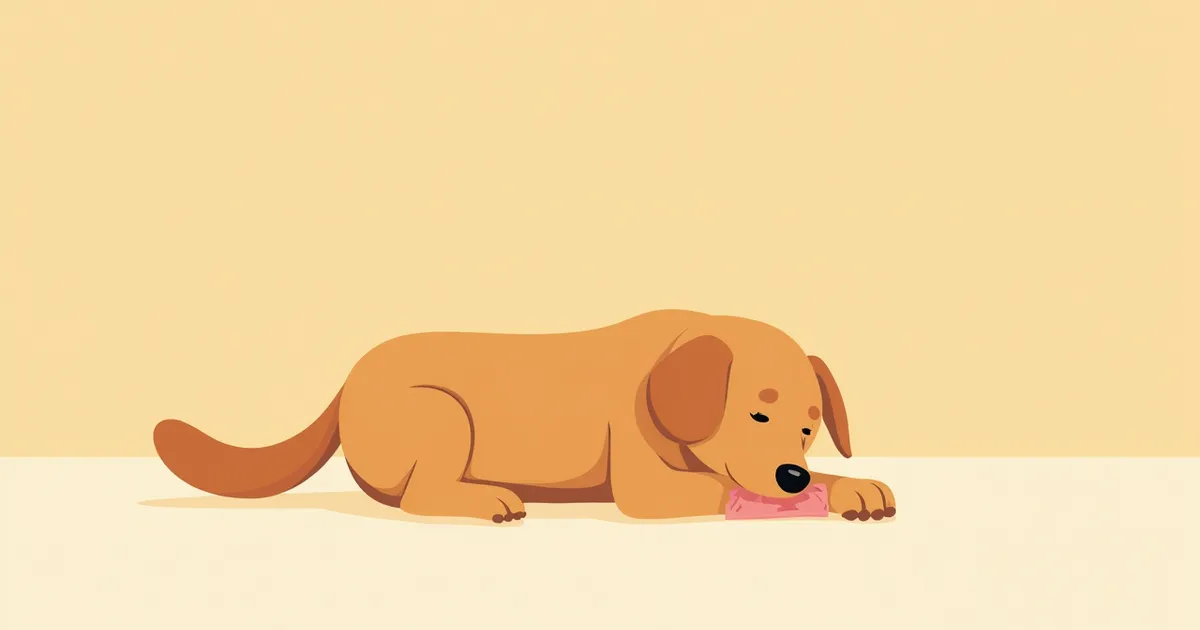
Dogs that repeatedly lick their front paws — compulsive licking and chewing behavioral disorder
Canine compulsive licking and chewing are obsessive-compulsive disorders characterized by repetitive, uncontrollable licking or chewing of specific body parts or objects. The key point is that while these behaviors often start as normal grooming or maintenance activities, they gradually worsen to the point of interfering with daily life and begin to occur in a wider variety of situations over time. Persistent repetitive stimulation can cause the skin to break down, leading to well-defined ulcerative lesions and potentially severe secondary infections. This predisposition to repetitive behaviors, such as lick granulomas, is particularly reported in large-breed dogs, especially those in the Retriever family.

Causes of Compulsive Licking and Chewing

Separation anxiety and chronic stress: When left alone for long periods or placed in anxiety-inducing situations, licking can emerge as a displacement behavior aimed at relieving stress.
Underlying physical conditions as triggers: It is common for itching caused by skin allergies (such as atopy), anal sac inflammation, or pain from joint diseases to initially trigger licking, which then solidifies into a repetitive habit.
Owner attention as a reinforcing factor: If you soothe or pay attention to your pet every time they lick, the behavior may intensify as a way to seek attention.
Genetic predisposition: Lick granulomas are frequently reported in large breeds, particularly Retrievers. Other repetitive behaviors, such as spinning or tail chasing, are more common in Bull Terriers and German Shepherds.

Symptoms That Suggest Compulsive Behavior

Repetitive licking: Your pet may incessantly and repeatedly lick the extremities of their limbs, such as their legs. The most common areas affected are the front ankles (carpal joints) and the back ankles (tarsal joints).
Chewing and biting: They might chew or bite at the affected area, causing skin injuries or hair loss.
Lick granuloma formation: Chronic, repetitive irritation can lead to the development of a well-defined, ulcerated, hairless plaque known as a lick granuloma (Acral Lick Granuloma).
Deep infection: Pressing on the affected area may reveal signs of deep infection, such as discharge or pus.
Recurrent behavior: Even if you distract them, they tend to return to licking the same spot shortly afterward.
Lick granuloma in dogs caused by repetitive licking — a skin lesion

When to Seek Immediate Veterinary Care

If your pet’s skin becomes raw, oozes fluid, or develops pus from excessive licking or chewing, seek veterinary care immediately. A visit is also necessary if pressing on the affected area suggests a deep infection, if self-trauma from chewing has enlarged the ulcer, or if the condition recurs or fails to heal properly. In such cases, referral to a dermatologist or a veterinary behaviorist is recommended. When a skin infection is present, antibiotic treatment and behavioral therapy should be pursued concurrently.

How Is It Diagnosed?

Diagnosing compulsive behavior starts with ruling out physical causes. Veterinarians examine the affected area visually and by touch, and perform tests such as cytology (imprint smears) and skin scrapings to check for bacterial infections, foreign bodies, or skin diseases. Basic tests—including a physical exam, blood work (serum chemistry), fecal analysis, and urinalysis—help identify any underlying systemic conditions. If needed, imaging studies like X-rays of the limbs may be added. Once physical causes are ruled out and the behavior persists, it is diagnosed as compulsive (repetitive) behavior. Owners can greatly assist the diagnosis by recording videos showing when the licking or chewing started, how often it occurs, and how long each episode lasts.

Treatment: Behavioral Modification and Medication Are Key
Behavioral modification therapy: Redirect your pet’s attention as soon as licking or chewing begins, and reinforce alternative behaviors such as using puzzle toys or sitting. Working with a veterinary behaviorist or a certified professional trainer on a structured program is effective, and referral to a board-certified veterinary behaviorist is recommended if symptoms are resistant to treatment or recur.
Pharmacological treatment: Medication alone has limited efficacy and should be used in conjunction with behavioral modification. The type, dosage, and administration schedule of the medication are determined by your veterinarian based on your pet’s weight and clinical condition.
Prioritize treatment of underlying conditions: If there are physical causes such as dermatitis or pain, these must be treated first for behavioral interventions to be effective.
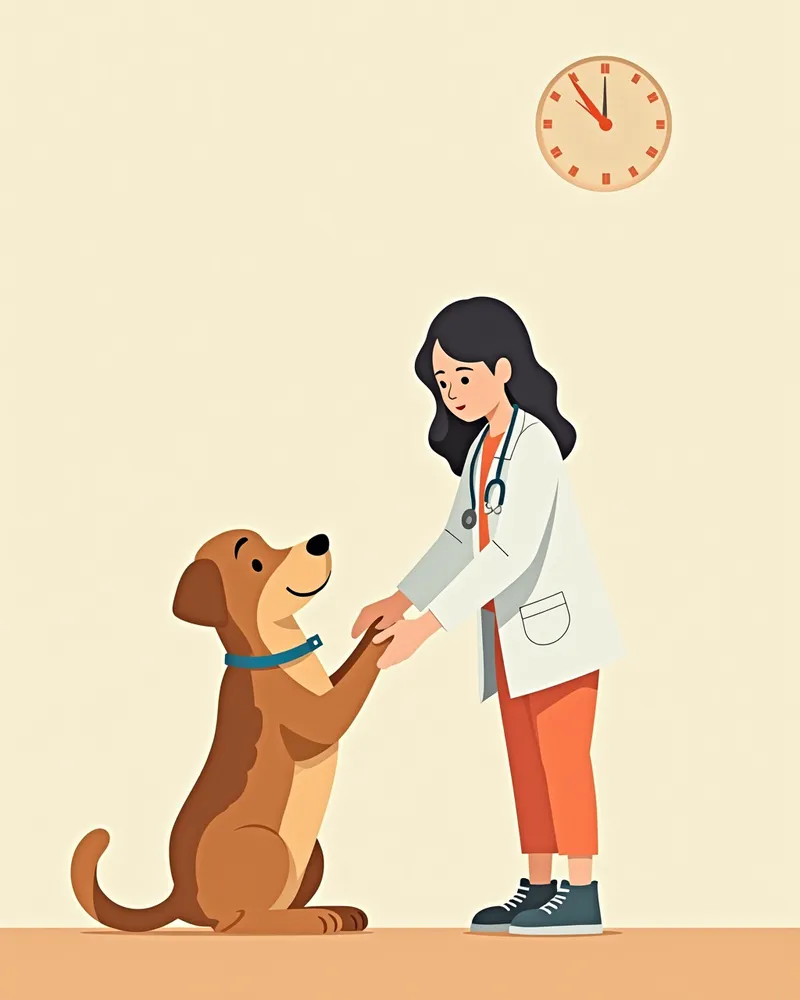
A veterinarian examining a puppy’s paw — Diagnosis and treatment of compulsive behaviors

Home Care Tips

Adequate exercise: Let your pet burn off energy with 30 to 60 minutes of walking and play each day. Physical fatigue helps reduce the frequency of compulsive behaviors.
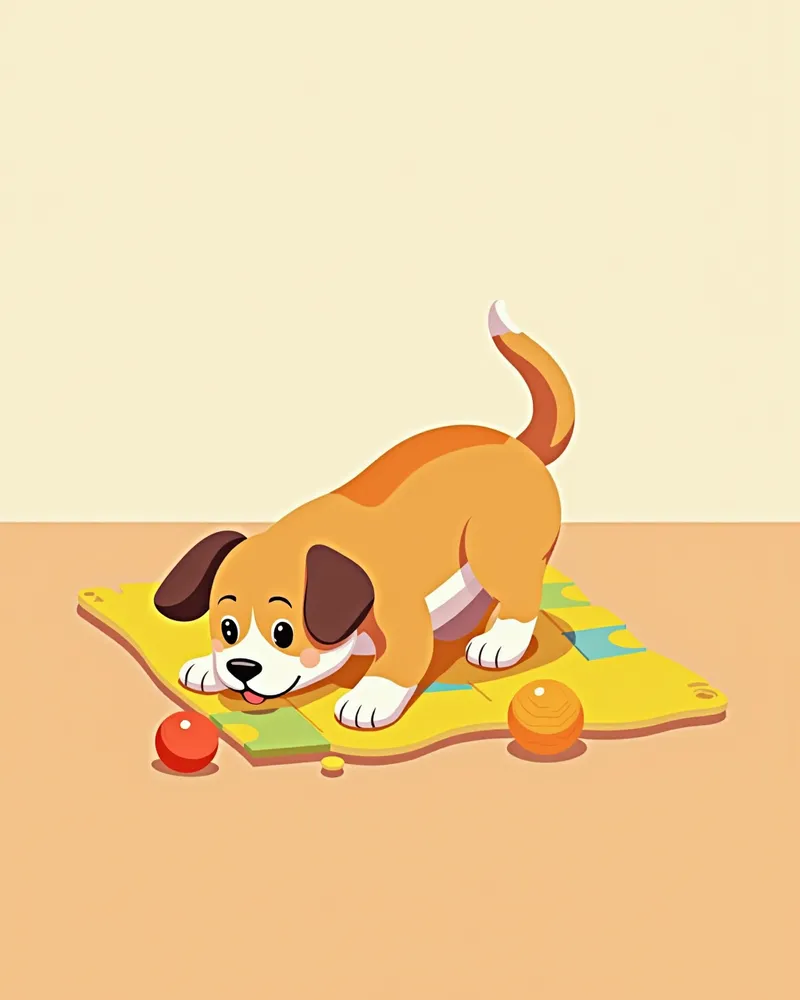
Environmental enrichment: Stimulate their brain with nose work mats, puzzle toys, and scent-based games.
Reduce alone time: If separation anxiety is the cause, gradually practice reducing the time they spend alone.
Replace rather than restrict: An Elizabethan collar alone won’t solve the root problem. It must be combined with behavior modification.
A dog receiving mental stimulation from a nosework mat — environmental enrichment management

Breeds That Require Closer Attention

Large breeds like Retrievers are prone to repetitive behaviors such as lick granulomas, while other breeds exhibit different tendencies: German Shepherds may spin or chase their tails, Bull Terriers have their own patterns, and herding breeds often chase lights or shadows. If you own one of these breeds, it’s crucial to spot early signs of stress and work with your veterinarian to plan regular behavioral monitoring to prevent relapse after treatment.

Reviewed by a veterinarian

Dr. Tony — Punnawat Phongkittirak

Dr. Tony — Punnawat Phongkittirak

Veterinarian

A veterinarian who majored in veterinary medicine at Khon Kaen University, Thailand, and completed the IVSA program at North Carolina State University in the United States. Drawing on clinical experience at animal hospitals, he works in the pet healthcare field and is dedicated to building a digital care environment that connects pet parents with veterinarians.

Frequently Asked Questions

Is every instance of a dog licking its paws a sign of a compulsive disorder?
Not necessarily. Licking itself is a normal grooming behavior. It becomes a concern when the dog can’t stop and the licking becomes repetitive enough to interfere with daily life, resumes shortly after being redirected, or leads to skin lesions such as hair loss or ulcers at the site. It’s important to monitor the frequency, duration, and any changes in the skin.
Will the condition improve just by giving medication?
Medications can help reduce the intensity of compulsive symptoms. However, they have limitations when used alone, and combining them with behavior modification therapy is necessary for lasting results. Using both approaches together is the most effective strategy.
How long does it take for the treatment to start working?
Behavioral disorders tend to respond slowly to treatment, so it can take several weeks to months to see improvement. The speed of response varies from dog to dog, making consistent treatment essential. To prevent relapse, it’s important to maintain environmental management even after treatment is complete.
How can you tell whether it’s compulsive behavior or a skin disease?
It can be difficult to tell the difference on your own, so a veterinary examination is necessary. Since skin conditions need to be treated first to determine if behavioral issues are genuine, it's best to keep both possibilities in mind and get a check-up.
Will it improve if I keep it covered with an Elizabethan collar?
The Elizabethan collar is only a temporary measure to prevent skin damage. If the underlying causes—such as anxiety, stress, or an underlying medical condition—are not addressed, your pet will likely resume licking as soon as the collar is removed. It is essential to combine its use with behavioral modification therapy.

Share

Related Guides

References

[1] Hewson, C.J., Luescher, U.A., and Ball, R.O. (1999). The use of chance-corrected agreement to diagnose canine compulsive disorder. Can. J. Vet. Res. 63(3): 201–206.

[2] Bain, M.J. and Fan, C.M. (2012). Animal behavior case of the month. J. Am. Vet. Med. Assoc. 240(6): 673–675.

[3] Denerolle, P., White, S.D., Taylor, T.S., and Vandenabeele, S.I.J. (2007). Organic diseases mimicking acral lick dermatitis in six dogs. J. Am. Anim. Hosp. Assoc. 43(4): 215–220.

[4] Mertens, P.A., Torres, S., and Jessen, C. (2006). The effects of clomipramine hydrochloride in cats with psychogenic alopecia: a prospective study. J. Am. Anim. Hosp. Assoc.

[5] Overall, K.L. (2013). Manual of Clinical Behavioral Medicine for Dogs and Cats. Elsevier.

This information is based on veterinary literature and does not replace diagnosis or treatment. Please consult a veterinarian for specific health concerns.

Metapet Co., Ltd. | CEO: Park Sung-yong | Business Reg. No. 417-88-02562 | Seoul, South Korea | Customer Center

Why Does My Dog Keep Licking & Chewing? Causes & Treatment | Meongsiljang