Like
Share
멍실장
고양이 신장 낭종 증상과 원인, 진단·치료와 관리 포인트 총정리

If Your Cat Has Kidney Cysts — Progression and Management Points

KidneyDiseasesMeongsiljang Veterinary Advisory Board

Feline renal cysts are fluid-filled sacs that develop within the kidneys. While they often show no symptoms in the early stages, they can lead to decreased kidney function as they progress. Early detection and proper management are essential.

What Are Feline Renal Cysts?
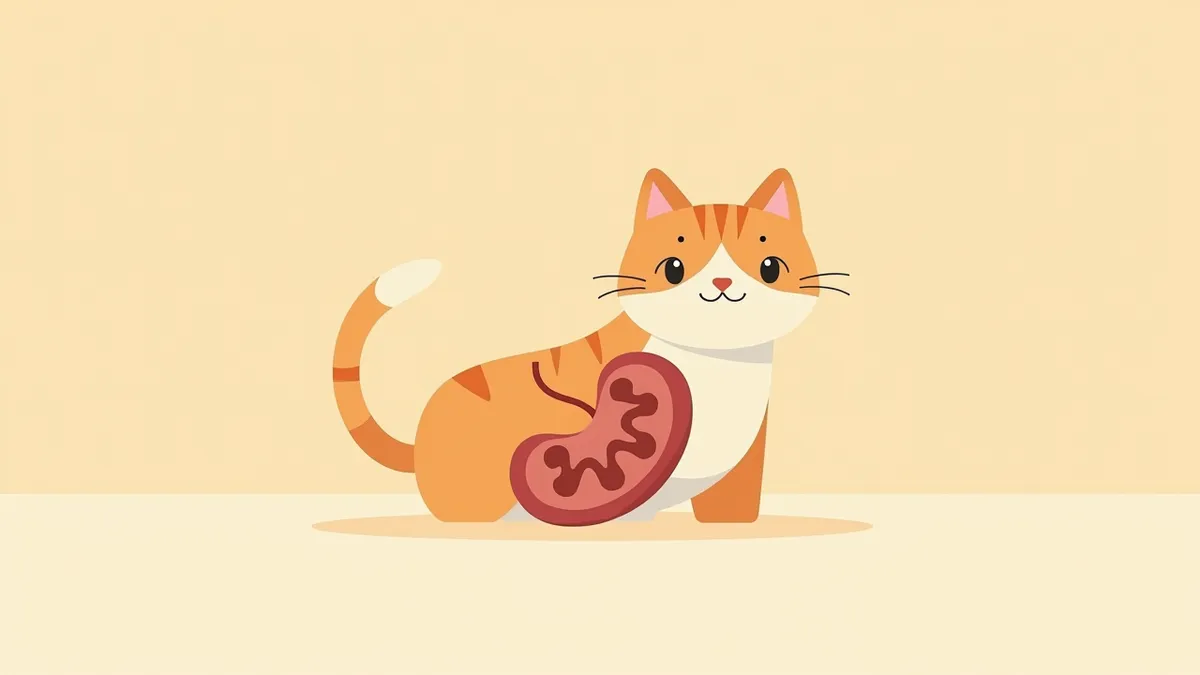
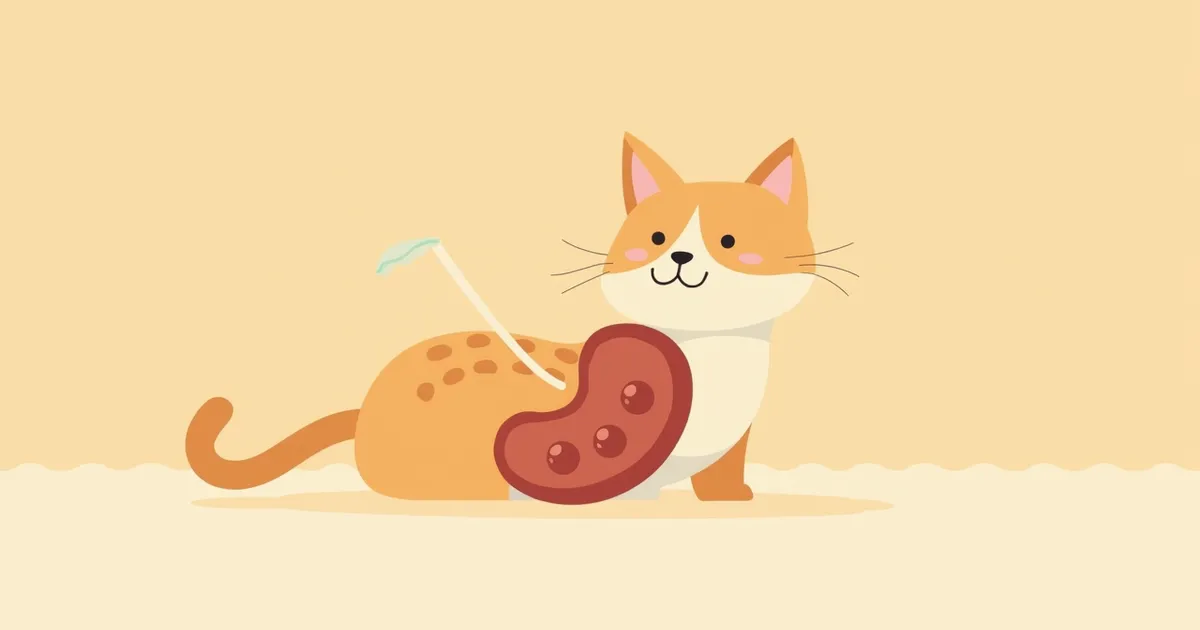
An anatomical illustration showing multiple cysts in a cat’s kidneys
Feline renal cysts are fluid-filled, sac-like lesions within the kidneys. Most are non-cancerous and arise from genetic (congenital) predispositions, with polycystic kidney disease (PKD) being the most common example, particularly in Persian cats. Solitary cysts are typically discovered incidentally during other examinations. As they enlarge, they can compress surrounding kidney tissue, potentially leading to impaired function or pain. In PKD, cats often appear normal in their youth, but the condition frequently progresses to kidney enlargement and chronic kidney disease as they reach maturity. Early stages are usually asymptomatic, making early detection crucial; regular check-ups are especially beneficial for at-risk breeds like Persians. Renal cysts: Fluid-filled lesions that form within the kidneys; they are mostly non-cancerous and may progress gradually.

Main Causes of Renal Cysts

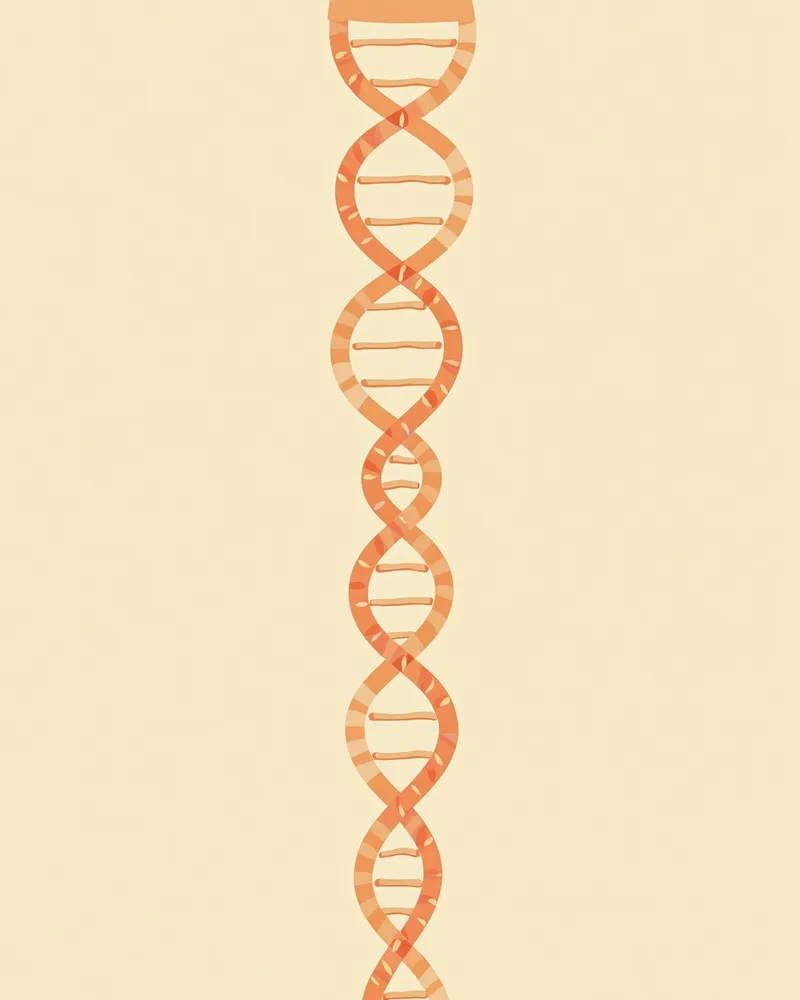
The primary cause of kidney cysts in cats, particularly polycystic kidney disease (PKD), is genetic predisposition. PKD arises from mutations in the PKD1 gene and is inherited in an autosomal dominant pattern. Persian cats and those with Persian lineage (such as Exotic Shorthairs and British Shorthairs) are at higher risk. Genetic changes trigger apoptosis (programmed cell death) in the renal parenchyma, leading to the proliferation of cystic epithelial cells and the formation of multiple cysts of varying sizes. In contrast, solitary cysts are usually asymptomatic and discovered incidentally. - Genetic factors: Certain breeds, such as Persians, have an increased risk of developing cysts due to PKD1 mutations. - Cyst formation mechanism: After apoptosis of the renal parenchyma, cystic epithelial cells proliferate, causing the cysts to enlarge.
A scientific illustration explaining the genetic factors behind kidney cysts in cats

Main Symptoms and Signs

Kidney cysts are typically asymptomatic in the early stages. However, if the cysts grow or multiply and impair kidney function (leading to chronic kidney disease), the following signs may appear: increased thirst and urination (polydipsia and polyuria), decreased appetite, weight loss, lethargy, and vomiting. As both kidneys enlarge, a mass may be palpable in the abdomen. If the disease progresses significantly, resulting in decreased urine output or recurrent vomiting, it may indicate severe decline in kidney function. In such cases, consult a veterinarian immediately. - Changes in urination: In the early stages, increased water intake and urination occur; as the condition progresses, urine output may decrease. - Decreased appetite: Loss of appetite and recurrent vomiting are signs of declining kidney function.
A cat with clouded consciousness and frequent water drinking

When to Visit the Vet Immediately

If your cat suddenly loses its appetite, vomits repeatedly, produces very little urine, or develops a swollen abdomen, these could be signs of a sudden decline in kidney function. In such cases, you should take your cat to the vet immediately.

Diagnostic Methods
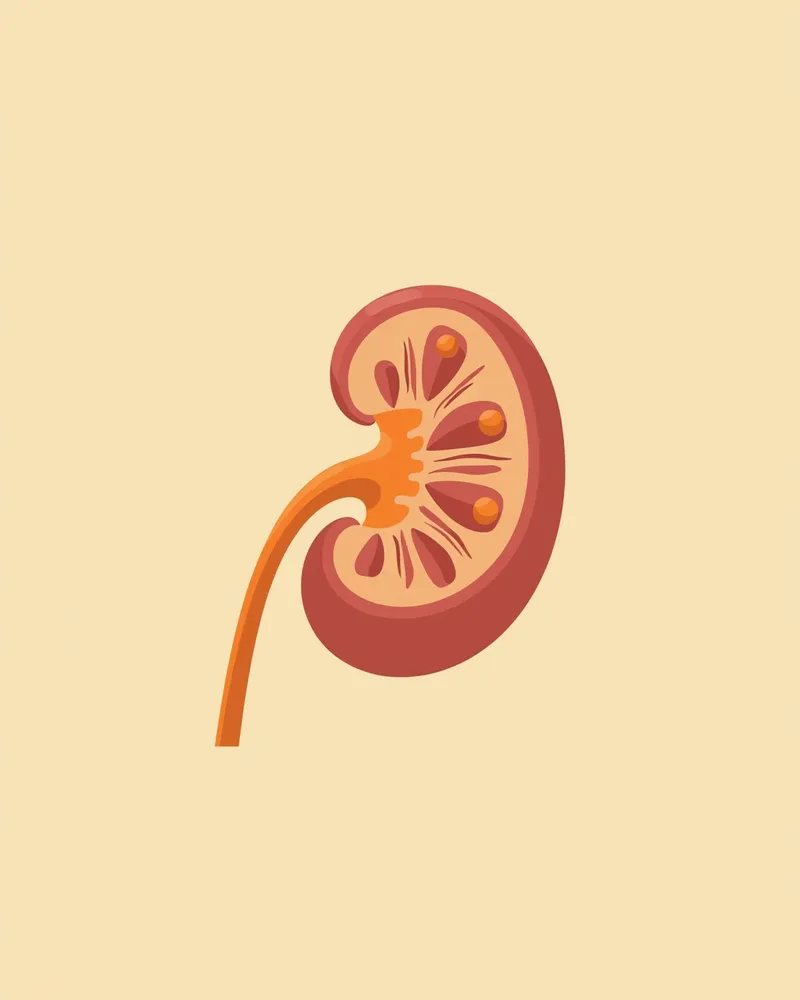
Renal cysts are most accurately diagnosed through ultrasound. On an ultrasound, cysts appear round and black (anechoic), allowing for precise assessment of their size, number, and location. In polycystic kidney disease (PKD), multiple cysts of varying sizes are distributed throughout the kidneys, which helps distinguish the condition from solitary cysts or perirenal pseudocysts. Blood and urine tests are used to evaluate kidney function, while abdominal radiographs can confirm the size and shape of the kidneys. For at-risk breeds such as Persians, early detection is also possible through PKD1 genetic testing. - Ultrasound examination: The key diagnostic tool for assessing the shape, size, and number of cysts. - Genetic testing and regular check-ups: Helpful tools for early detection in at-risk breeds.
Cysts visible on a cat's kidney ultrasound

Treatment and Management Methods

For small solitary cysts, routine monitoring to check for changes in size is the standard approach. While there is currently no effective treatment to eliminate polycystic kidney disease (PKD) itself, symptoms of associated chronic kidney disease can be consistently managed. If a cyst severely compresses surrounding tissues or causes pain or infection, procedures such as ultrasound-guided drainage or cyst wall resection may be considered. Dietary management and maintaining adequate hydration are crucial, with your veterinarian tailoring the care plan based on your pet’s weight and condition. In particular, increasing fluid intake through wet food can support kidney health. - Symptom Management: The focus is on managing symptoms of chronic kidney disease rather than seeking a cure for PKD. - Hydration: Encourage fluid intake by offering wet food and placing multiple water bowls around the home.
A cat eating canned food

Management Points at Home

Monitor your cat’s daily water intake and gradually mix wet food into their diet. For cats with cysts, it is essential to minimize stress and ensure regular veterinary check-ups. Maintain a stable home environment and provide a quiet, comfortable space for your cat to rest. If medication or injections are prescribed, administer them exactly as directed. - Environmental Stability: Provide a calm, stress-free environment for your cat. - Regular Monitoring: Keep a consistent log of water intake, weight changes, and behavioral shifts.
A cat resting comfortably in a calm, stable environment.

Breed-Specific Precautions and Prevention of Recurrence

Certain breeds, particularly Persians and cats with Persian lineage (such as Exotic Shorthairs and British Shorthairs), are at higher risk for polycystic kidney disease (PKD). Since PKD is inherited in an autosomal dominant pattern, it is important to prevent the condition through PKD1 genetic testing before breeding and responsible breeding practices. Older cats should be monitored with regular check-ups for early detection and managed under veterinary guidance.

Reviewed by a veterinarian

Dr. Tony — Punnawat Phongkittirak

Dr. Tony — Punnawat Phongkittirak

Veterinarian

A veterinarian who majored in veterinary medicine at Khon Kaen University, Thailand, and completed the IVSA program at North Carolina State University in the United States. Drawing on clinical experience at animal hospitals, he works in the pet healthcare field and is dedicated to building a digital care environment that connects pet parents with veterinarians.

Frequently Asked Questions

Are kidney cysts cancerous?
No, most of them are non-cancerous lesions. However, if they grow large, they can press on the kidney tissue and affect kidney function.
Can a cat with a cyst still live normally?
Small solitary cysts often remain asymptomatic for long periods, allowing pets to live comfortably. In Persians with polycystic kidney disease (PKD), kidney function is typically maintained until around 7 to 8 years of age. However, if the cysts grow larger or increase in number, they can impact your pet's health.
How should I manage my pet’s diet?
Encourage increased water intake by offering canned food and providing fresh water frequently. Consult your veterinarian to determine the most appropriate renal-support diet for your pet’s condition.
How often should my pet have a check-up?
We recommend regular ultrasound screenings for senior cats and high-risk breeds such as Persians. High-risk breeds can also be tested using the PKD1 genetic test. If symptoms appear, immediate veterinary examination is essential.
If the cyst grows larger, will surgery be necessary?
If a cyst severely compresses surrounding tissues or causes pain, we may consider treatments such as drainage or surgical removal of the cyst wall. However, since there is no cure for polycystic kidney disease (PKD) itself, please consult with your veterinarian to determine the best course of action.

Share

Related Guides

References

[1] The Cat, Clinical Medicine and Management, 2nd Edition, 2023

[2] Small Animal Critical Care Medicine, 3rd Ed, 2022

[3] Veterinary Workbook of Small Animal Clinical Cases, 2021

This information is based on veterinary literature and does not replace diagnosis or treatment. Please consult a veterinarian for specific health concerns.

Metapet Co., Ltd. | CEO: Park Sung-yong | Business Reg. No. 417-88-02562 | Seoul, South Korea | Customer Center

Cat Has Kidney Cysts? Renal Cyst Progression & Management | Meongsiljang