Like
Share
멍실장
강아지 다음다뇨(PU/PD) 증상과 원인, 진단·치료와 관리 포인트 총정리

Dogs Drinking Excessive Water and Urinating Frequently — Causes of Polyuria and Polydipsia (PU/PD) and When to Visit the Vet

KidneyDiseasesMeongsiljang Veterinary Advisory Board

Canine polyuria and polydipsia (PU/PD) is a condition characterized by increased urine output and excessive water intake, which can be caused by various underlying issues such as kidney disease or diabetes. Early detection and accurate diagnosis are essential.

What Is Polyuria and Polydipsia (PU/PD) in Dogs?
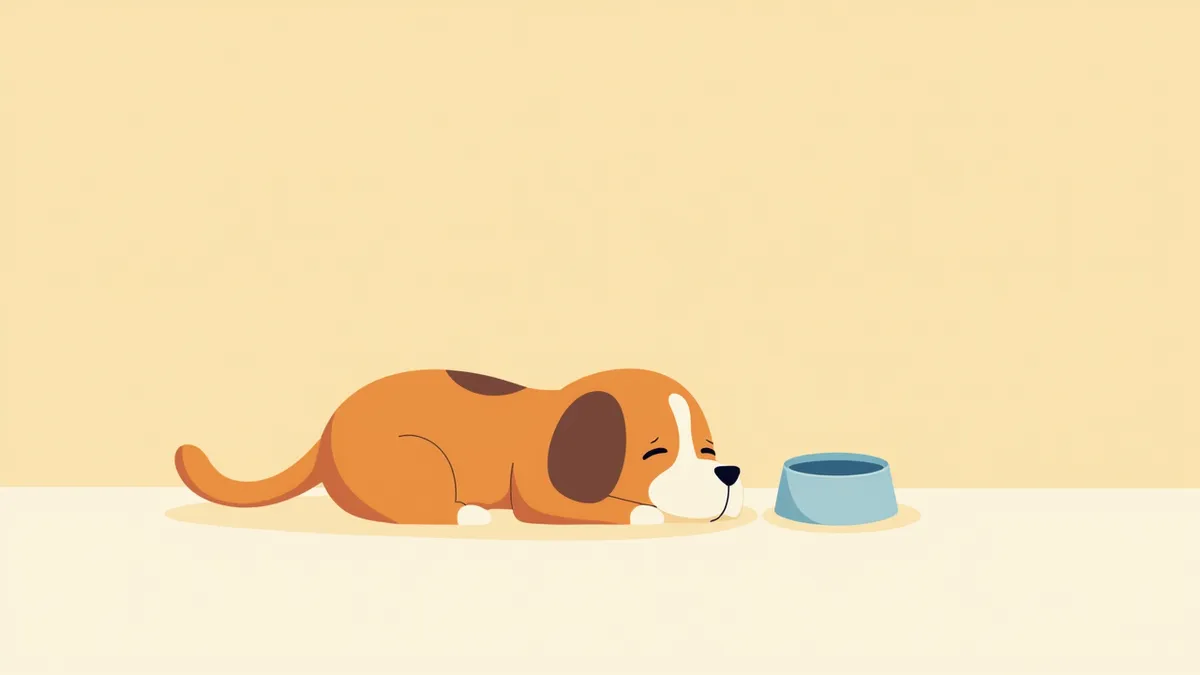
A tired dog lying next to its water bowl
Polyuria and polydipsia (PU/PD) in dogs refers to increased urine output accompanied by excessive water intake. This can be an early sign of various conditions, including kidney dysfunction, diabetes, and hormonal imbalances. Early detection is crucial for improving treatment success rates. While these changes can be easy for pet owners to overlook, consistently monitoring and recording your dog’s urination frequency and water consumption is essential. - Kidney dysfunction: Chronic kidney disease can lead to increased urine production and higher water intake. - Diabetes: Elevated blood sugar levels cause the kidneys to excrete excess glucose, resulting in a significant increase in urine volume. - Cushing’s disease: Excess cortisol disrupts fluid regulation, leading to PU/PD.

What Are the Main Causes of Polyuria and Polydipsia?
There are many possible causes of polyuria and polydipsia in dogs. Chronic kidney disease (CKD): This is a common cause in senior dogs, as impaired kidney function reduces the ability to eliminate water and waste products, leading to increased urine output. - Diabetes mellitus: Insulin deficiency raises blood glucose levels, causing the kidneys to excrete excess sugar and resulting in increased urination. - Hyperadrenocorticism (Cushing’s disease): Excess cortisol disrupts fluid regulation, causing increased thirst and water intake. - Electrolyte imbalances: Abnormal levels of potassium or sodium can also alter urine volume. - Drug side effects: Diuretics and corticosteroids may temporarily cause polyuria and polydipsia. Diagnostic testing at a veterinary clinic is essential to determine the exact underlying cause.
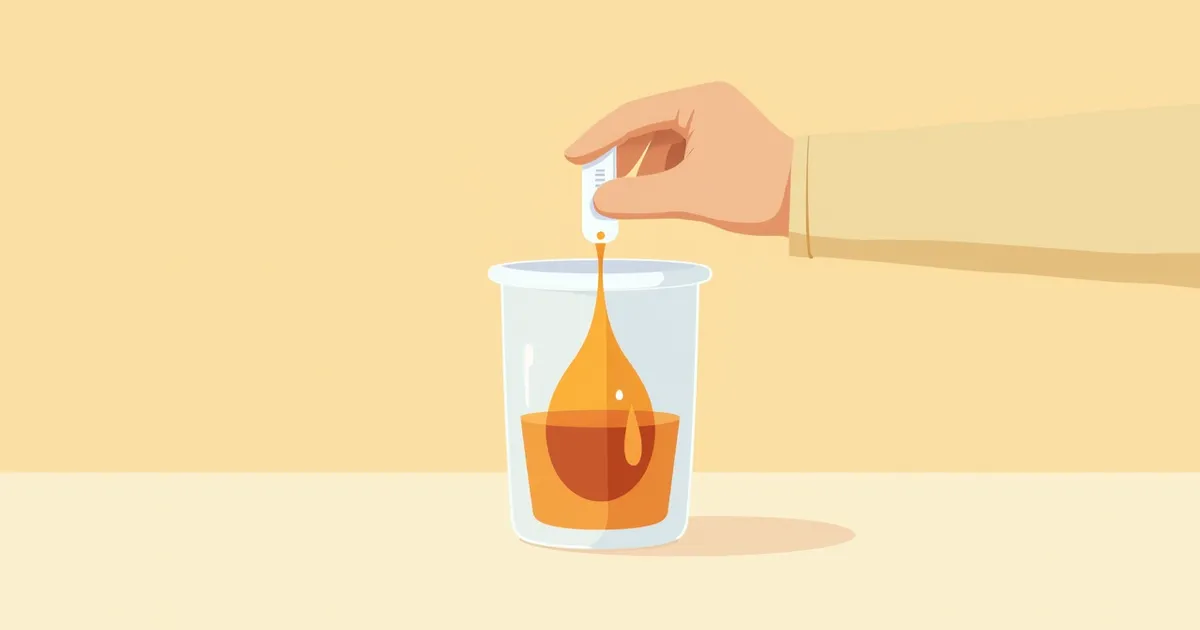
A veterinarian performing a urine test on a puppy

Check for Key Symptoms and Signs

The main symptoms of polyuria and polydipsia in dogs include the following. If these changes persist, be sure to consult your veterinarian.
Increased urine volume: Both the amount urinated at one time and the total daily urine output increase. This should be distinguished from simple frequent urination (increased frequency), as the key feature of polyuria is an increase in urine volume.
Increased water intake: Normal water consumption is generally no more than about 90 mL per kilogram of body weight per day. Consistently exceeding this threshold and drinking large amounts of water can be considered polydipsia.
Weight loss: Your dog may lose weight even if their appetite remains normal.
Lethargy: Activity levels may decrease, and your dog may appear weak or listless.
Accompanying symptoms such as vomiting: Depending on the underlying cause, other symptoms like vomiting may occur alongside these signs.
If these symptoms persist, a visit to the veterinary clinic is necessary.
A puppy standing and staring at the bathroom door.

When Immediate Veterinary Care Is Needed

If your dog is drinking significantly more than about 90 mL of water per kilogram of body weight per day, producing dilute (unconcentrated) urine, or passing blood in the urine, you should seek veterinary care immediately. These signs may indicate a sudden decline in kidney function or an emergency related to systemic diseases such as diabetes mellitus. Delaying treatment can be life-threatening, so prompt evaluation is essential.

Diagnostic Tests for Accurate Diagnosis
Diagnosing polyuria and polydipsia involves a combination of tests. - Blood tests: These check kidney function (creatinine, BUN), blood sugar levels, and electrolytes. - Urinalysis: This analyzes urine concentration (specific gravity), protein, glucose, and acidity to help identify the underlying cause. - Imaging studies such as ultrasound: These assess kidney size and structure to detect any abnormalities. - Endocrine testing: Cortisol-related tests are performed to rule out hyperadrenocorticism (Cushing’s disease). - Water deprivation test (WDT): If necessary, this evaluates the kidney’s ability to concentrate urine, helping to distinguish the cause of polyuria and polydipsia. However, it should only be performed after other conditions have been ruled out, and it is contraindicated in patients at risk of dehydration. Without an accurate diagnosis, effective treatment is difficult.
A veterinarian preparing for a blood test

Treatment Methods and Step-by-Step Management
Treatment depends on the underlying cause. - Chronic kidney disease: Slow disease progression with prescription renal diets and medications (such as blood pressure medications and phosphate binders). - Diabetes mellitus: Stabilize blood glucose levels through insulin injections and dietary management. - Hyperadrenocorticism (Cushing’s disease): Regulate cortisol levels using medications that control hormone production. - Electrolyte imbalances: Restore balance with supplements or medications. - Drug side effects: Discontinue or change the offending medication. Work with your veterinarian to develop a treatment plan and monitor your pet’s condition regularly.
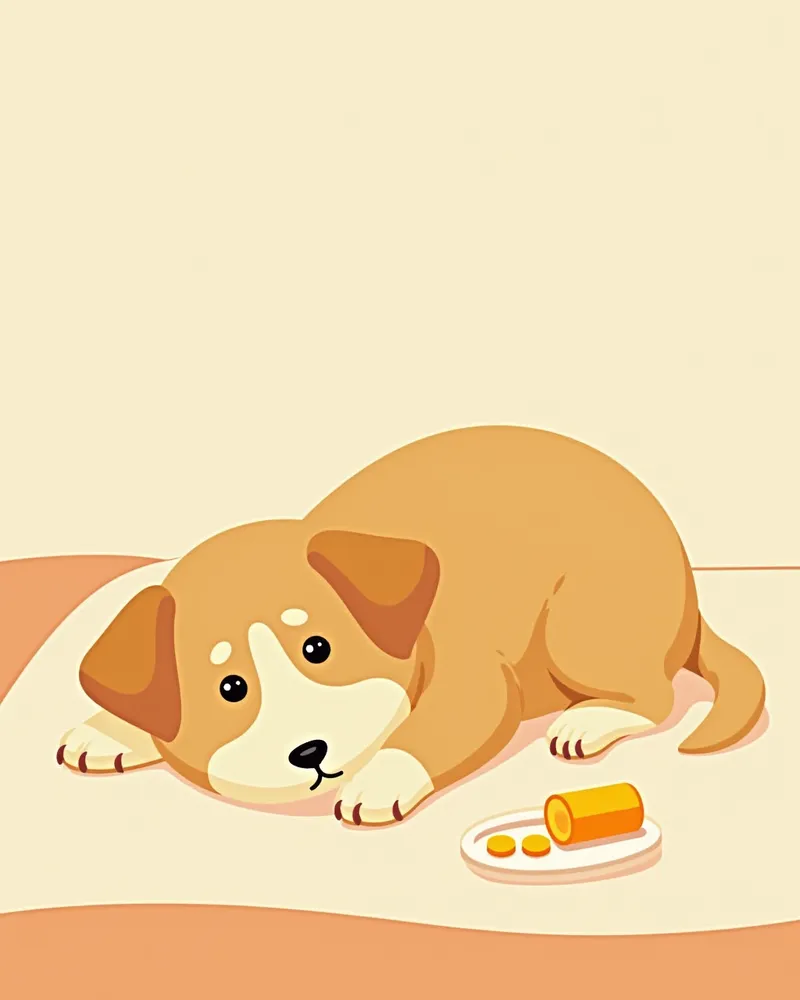
A puppy lying on the bed, with a prescription bottle on the table.

Home Care Points

Home care is the key to successful treatment. - Consistent medication administration: Strictly adhere to the prescribed schedule and dosage. - Prescription diet feeding: Use specialized food formulated for kidney disease or diabetes to maintain proper nutritional balance. - Water intake tracking: Record daily water consumption to monitor for any changes. - Weight monitoring: Changes in body weight are a crucial indicator of how well the treatment is working. - Ensuring easy access to the litter box: Adjust the location to make it as accessible as possible for your pet. - Communication with your veterinarian: Share your pet’s status at least once a week and take immediate action if any adjustments are needed.
A water bowl and a water spray bottle on the kitchen counter

Senior Dogs and Certain Breeds Require Attention

Certain breeds, such as Poodles (especially Miniature Poodles), Dachshunds, Boxers, Boston Terriers, and Yorkshire Terriers, are known to be more susceptible to hyperadrenocorticism (Cushing’s disease), a common cause of polyuria and polydipsia. Additionally, senior dogs may experience a gradual decline in organ function, including the kidneys, making them more prone to excessive urination and thirst. Regular health check-ups that monitor changes in water intake and urine output can aid in early detection. Identifying the underlying cause early and initiating treatment often leads to favorable outcomes.

Reviewed by a veterinarian

Dr. Tony — Punnawat Phongkittirak

Dr. Tony — Punnawat Phongkittirak

Veterinarian

A veterinarian who majored in veterinary medicine at Khon Kaen University, Thailand, and completed the IVSA program at North Carolina State University in the United States. Drawing on clinical experience at animal hospitals, he works in the pet healthcare field and is dedicated to building a digital care environment that connects pet parents with veterinarians.

Frequently Asked Questions

Is my dog’s excessive urination and thirst a sign of diabetes?
Polyuria, or excessive urination, is a hallmark symptom of diabetes mellitus, but it can also be caused by other conditions such as kidney disease or hyperadrenocorticism. Accurate diagnosis requires further testing.
Should I take my pet to the vet if they’re drinking a lot of water?
If your pet drinks more than the normal amount of water (about 90 mL per kilogram of body weight per day) or if this condition persists for several days, a visit to the vet is necessary. Early detection increases the success rate of treatment.
How long does treatment for polyuria take?
It depends on the underlying cause. Kidney disease requires long-term management, while diabetes must be managed throughout your pet’s life. It’s important to work with your veterinarian to create a care plan.
Is it okay to feed only prescription diet?
Specialized therapeutic diets can support treatment, but they should be used alongside medication. Always feed them according to your veterinarian’s instructions.
Is polyuria and polydipsia curable?
It depends on the underlying cause. Diabetes can be stabilized with proper management, and kidney disease progression can be slowed. Early detection is key.

Share

Related Guides

References

[1] The Veterinary Workbook of Small Animal Clinical Cases, Case 21, 2020

[2] Notes on Canine Internal Medicine, 4th Edition, 2018

[3] Urinalysis in the Dog and Cat, 2019

This information is based on veterinary literature and does not replace diagnosis or treatment. Please consult a veterinarian for specific health concerns.

Metapet Co., Ltd. | CEO: Park Sung-yong | Business Reg. No. 417-88-02562 | Seoul, South Korea | Customer Center

Dog Drinking & Peeing a Lot? Polyuria/Polydipsia (PU/PD) | Meongsiljang