Like
Share
멍실장
고양이 간 병증 예후 지표 증상과 원인, 진단·치료와 관리 포인트 총정리

How Dangerous Is Feline Liver Disease? — Interpreting Prognostic Indicators and Treatment Directions

Liver HealthDiseasesMeongsiljang Veterinary Advisory Board

Early detection is crucial for feline liver disease, and specific indicators found in blood tests can help predict the prognosis. Symptoms vary widely, making proper diagnosis and management essential.

What Are the Prognostic Indicators for Feline Liver Disease?
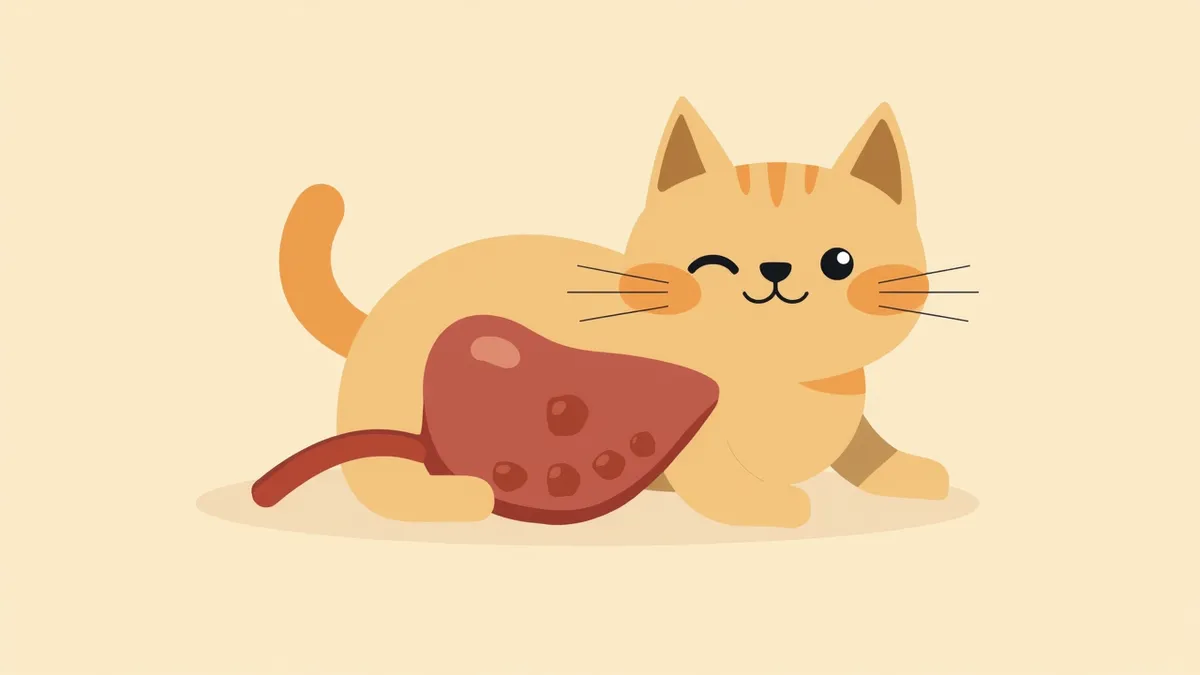
A medical illustration highlighting liver lesions in cats.
Blood test values serve as prognostic indicators for feline liver disease, helping to gauge the severity of hepatic dysfunction and the response to treatment. - Elevated AST and ALT levels: These markers suggest hepatocellular injury. However, significantly elevated values do not necessarily indicate a poor prognosis, as the extent of damage and outcome cannot be determined solely by the magnitude of the increase. - Albumin levels: This reflects the liver’s protein-synthetic capacity. In acute liver injury, normal albumin levels are a favorable sign for survival, whereas low levels may indicate a poorer prognosis. - Elevated bilirubin (jaundice): This indicates impaired biliary excretion or cholestasis and is used to assess and monitor jaundice. - Bile acid testing: This aids in confirming hepatic dysfunction or portosystemic shunting. These indicators are essential for early detection, accurate assessment, and determining management strategies through the veterinarian’s comprehensive evaluation.

What Are the Main Causes of Feline Liver Disease?
There are many potential causes of liver disease in cats, including cholangitis (chronic hepatitis), feline hepatic lipidosis (fatty liver disease), drug or toxin exposure, metabolic disorders, and infectious diseases. - Cholangitis and chronic inflammation: Persistent inflammation of the liver and bile ducts, such as in immune-mediated lymphocytic cholangitis, can be a contributing factor. - Feline hepatic lipidosis (fatty liver disease): This condition often develops after prolonged loss of appetite and is particularly common in overweight cats. It frequently occurs secondary to other underlying illnesses. - Drugs and toxins: Substances such as acetaminophen can cause oxidative damage, leading to rapid liver injury. - Metabolic disorders and congenital anomalies: Conditions like portosystemic shunts can impair the liver’s ability to process substances normally. - Infectious and parasitic diseases: Infections such as those caused by liver flukes (trematodes) can compromise liver and bile duct function. Accurate diagnosis through appropriate testing is essential to identify the specific cause.
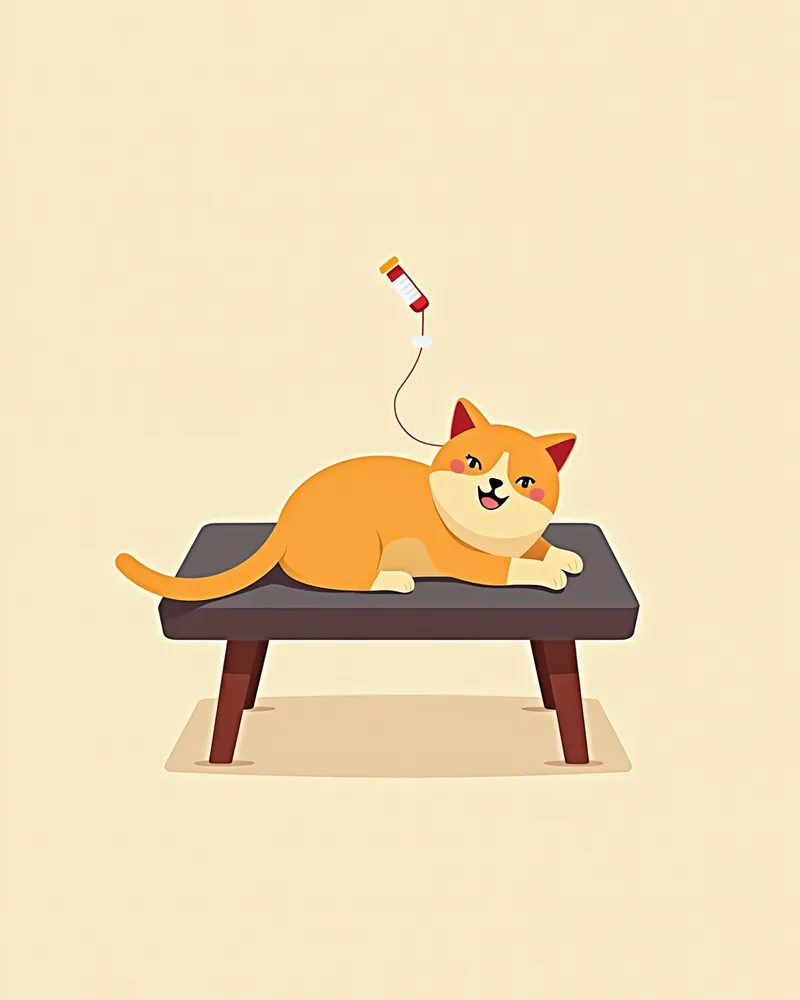
A veterinarian preparing to perform a blood test on a cat

What Are the Main Symptoms of Feline Liver Disease?

Symptoms of liver disease in cats are often subtle in the early stages and can be easily overlooked. However, as the condition progresses, signs such as loss of appetite, weight loss, recurrent vomiting, and jaundice (yellowing of the eyes and lips) may appear. - Abdominal distension: This is caused by fluid accumulation due to impaired liver function. - Lethargy or weakness: This may result from reduced brain function associated with hepatic encephalopathy. - Behavioral changes or seizures: These occur when toxins build up in the brain and require immediate veterinary attention. Early diagnosis and treatment significantly improve survival rates once symptoms appear.
A close-up shot of a cat's face showing symptoms of jaundice

Symptoms Requiring Immediate Veterinary Visit

If your cat suddenly collapses, experiences seizures, or has persistent severe vomiting or diarrhea, seek veterinary care immediately. These symptoms may indicate hepatic encephalopathy or acute liver injury. Early treatment is crucial for significantly improving survival rates.

What Are the Diagnostic Methods for Feline Liver Disease?

Diagnosing feline liver disease requires a combination of tests for accuracy. - Blood tests: We evaluate liver function by measuring AST, ALT, ALP, bilirubin, and albumin levels. - Ultrasound: This allows us to visually assess the liver’s size, texture, and blood flow. - Liver biopsy: This may be necessary to identify the exact cause of the lesion. - Coagulation tests: These check whether the liver’s ability to produce clotting factors has declined. Multiple tests are combined to ensure an accurate diagnosis.
An image showing the structure of the liver in an abdominal ultrasound of a cat

What Are the Treatment Methods for Feline Liver Disease?
Treatment is tailored to the underlying cause. - Cholangitis and chronic hepatitis: Anti-inflammatory or immunosuppressive medications may be considered to reduce inflammation. - Nutritional and dietary management: Adequate carbohydrates and fats are provided to prevent protein breakdown into ammonia. Nutritional therapy plays a central role, particularly in feline hepatic lipidosis and hepatic encephalopathy. - Hepatoprotective and antioxidant therapy: Cell-protective agents such as SAMe, N-acetylcysteine, ursodeoxycholic acid, and vitamin E are used as appropriate for the patient’s condition. - Drug and toxin-induced injury: Exposure to the causative agent is eliminated, followed by detoxification and hepatoprotective treatment. - Hepatic encephalopathy: Nutritional management and medication are combined to reduce ammonia accumulation. Treatment is long-term, and regular monitoring is essential.
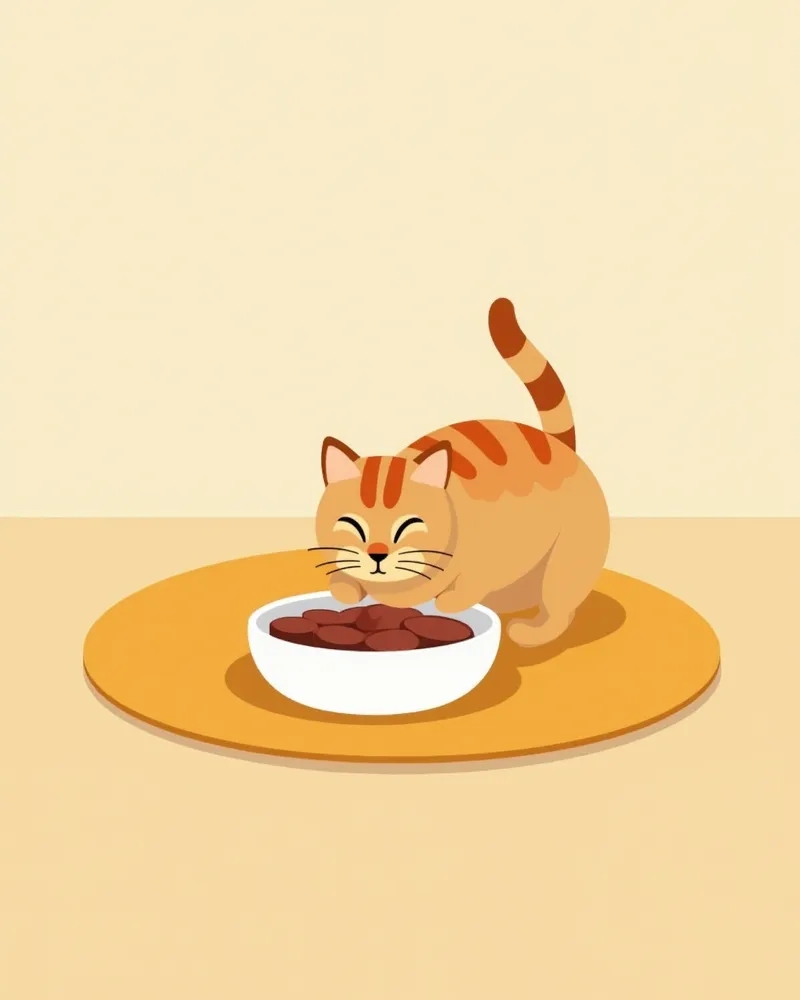
A cat eating a special diet formulated for liver health.

What Are the Management Points at Home?
Long-term management is essential for feline liver disease. - Regular check-ups: Consistently monitor your cat’s condition through blood tests and ultrasounds. - Medication: Administer medications exactly as directed by your veterinarian. - Dietary management: Choose high-protein, low-fat foods that are gentle on the liver. - Minimize stress: Avoid environmental changes and excessive stimulation. - Maintain a routine: Keep consistent meal and sleep schedules. These management strategies significantly help slow disease progression and improve your cat’s quality of life.
A serene image of a cat taking a liver health supplement

Certain Breeds Are More Susceptible to Liver Disease

Certain breeds are predisposed to specific liver and biliary diseases. For example, some cats, such as Persians, with genetic mutations that cause polycystic kidney disease may also develop liver cysts. For predisposed cats, early detection through regular check-ups is crucial, and consistent preventive care plays a significant role in maintaining their health.

Reviewed by a veterinarian

Dr. Tony — Punnawat Phongkittirak

Dr. Tony — Punnawat Phongkittirak

Veterinarian

A veterinarian who majored in veterinary medicine at Khon Kaen University, Thailand, and completed the IVSA program at North Carolina State University in the United States. Drawing on clinical experience at animal hospitals, he works in the pet healthcare field and is dedicated to building a digital care environment that connects pet parents with veterinarians.

Frequently Asked Questions

Can feline liver disease be cured?
It depends on the underlying cause. While chronic hepatitis may be difficult to cure, it can be stabilized with proper management. Early detection and treatment are key.
If a liver condition is suspected, what tests should be performed?
We recommend blood tests, liver function tests, abdominal ultrasound, and, if necessary, a liver biopsy. Your veterinarian will recommend the appropriate tests based on your pet’s specific situation.
How should I adjust my pet’s diet?
A diet that minimizes stress on the liver is recommended, and it is important to provide sufficient calories (from carbohydrates and fats) to prevent protein from being broken down for energy. Using a specialized diet recommended by your veterinarian is the safest approach.
What should I do if my pet experiences side effects while taking medication?
Contact your veterinarian immediately. Your pet may need a dosage adjustment or an alternative treatment. Never stop the medication on your own.
Is feline liver disease contagious?
Most liver diseases in cats are not directly contagious from one cat to another. However, some cases may involve parasitic causes, such as liver flukes, or certain viral infections, so the risk of transmission can vary depending on the underlying cause. It’s best to have a veterinarian perform diagnostic tests to determine the exact cause.

Comparison of Prognostic Indicators for Feline Liver Disease

ItemNormal RangeWarning SignsPrognostic Impact
AlbuminMaintained at normal levelsHypoalbuminemia (decreased)Favorable for survival if normal, unfavorable if low
Bilirubin (Jaundice)No elevationHyperbilirubinemia (elevated)Suggests reduced bile excretion/cholestasis
Transaminases (ALT/AST)Normal rangeElevatedSuggests hepatocellular damage; prognosis cannot be determined by the degree of elevation alone
Bile AcidsNormal rangeElevatedPossible liver dysfunction/portosystemic shunt

These indicators are measured at the hospital, and the veterinarian makes a comprehensive judgment.

Share

Related Guides

References

[1] Clinical Medicine of the Dog and Cat, 4th Ed, 2023

[2] Feline Emergency and Critical Care Medicine, 2nd Ed, 2021

[3] The Cat: Clinical Medicine and Management, 2nd Edition, 2020

This information is based on veterinary literature and does not replace diagnosis or treatment. Please consult a veterinarian for specific health concerns.

Metapet Co., Ltd. | CEO: Park Sung-yong | Business Reg. No. 417-88-02562 | Seoul, South Korea | Customer Center

How Dangerous Is Feline Liver Disease? Prognosis & Treatment | Meongsiljang