Like
Share
멍실장
고양이 간염 증상과 원인, 진단·치료와 관리 포인트 총정리

If Your Cat Has No Appetite and Looks Yellow — Hepatitis Symptoms, Causes, and Treatment Timing

Liver HealthDiseasesMeongsiljang Veterinary Advisory Board

Feline hepatitis is a condition in which inflammation develops in the liver due to viruses, bacteria, toxins, obesity, and other factors. If symptoms such as jaundice, loss of appetite, and lethargy appear, prompt diagnosis and treatment are crucial for a favorable prognosis.

What Is Feline Hepatitis? Definition and Key Points to Note
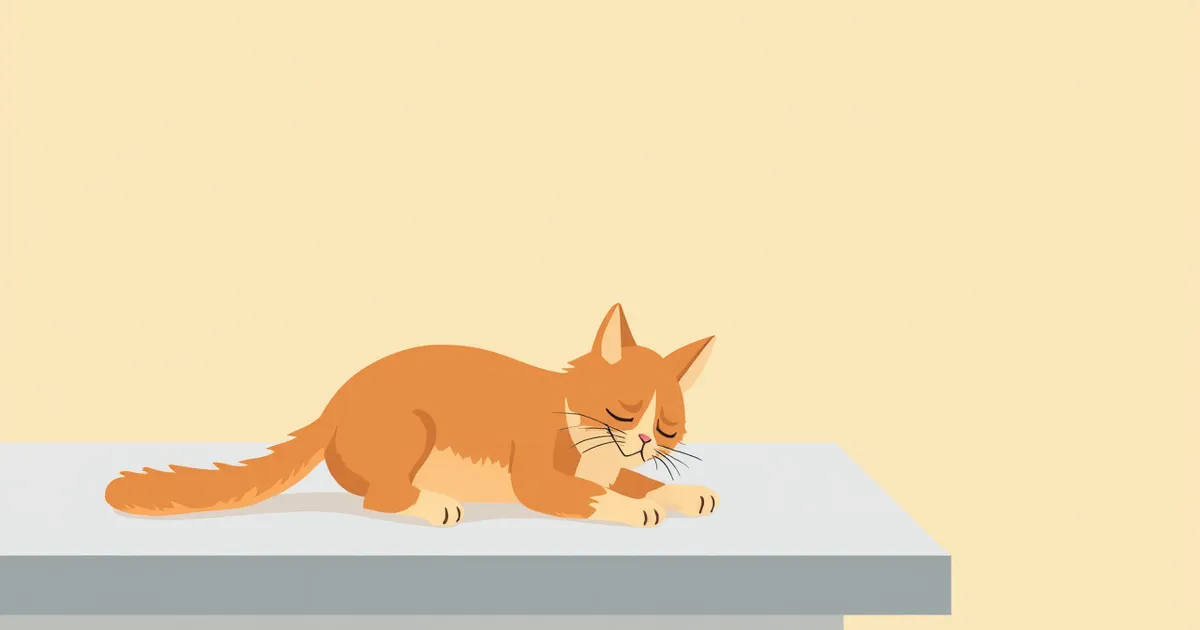
A lethargic cat lying down — a symptom of hepatitis
Feline hepatitis is a condition in which liver cells become inflamed due to various causes, such as viral or bacterial infections, toxin or drug poisoning, and excessive fat accumulation. Early detection is key. Cats are skilled at hiding their discomfort, so by the time symptoms become apparent, liver damage is often already quite advanced. If you notice jaundice (yellowing of the whites of the eyes or gums), severe loss of appetite, or profound lethargy, you should visit a veterinary clinic within 24 hours. The sooner treatment begins, the better the prognosis, so it’s crucial to carefully monitor your cat’s food intake, weight, and the color of the whites of their eyes on a regular basis.

Why Does Inflammation Occur in a Cat’s Liver? Four Main Causes

The causes of feline hepatitis can be broadly categorized into four main groups.
Infection: Feline infectious peritonitis (FIP) can cause jaundice in both its effusive and non-effusive forms. Bacterial infections, such as cholangiohepatitis where inflammation spreads to the bile ducts, can also lead to liver damage. In some regions, liver fluke (Platynosomum) infection is a cause of liver disease.
Toxins and Medications: Human medications like acetaminophen (Tylenol) can be fatal to a cat’s liver and red blood cells, so they must never be administered.
Hepatic Lipidosis (Fatty Liver): Even a few days without eating can cause body fat to accumulate in the liver, leading to a rapid decline in liver function. This condition is especially dangerous for overweight cats.
Biliary Tract Disease: Obstruction or bile stasis in the bile ducts or gallbladder can block bile flow, causing inflammation and jaundice in the liver.

Symptom Checklist to Check Right Now

If you notice any of the following symptoms, immediate veterinary evaluation is necessary.
Jaundice: The whites of the eyes and gums turn yellow. This is the most clear-cut sign of impaired liver function.
Loss of appetite: Refusing food for more than 48 hours can lead to fatty liver disease.
Lethargy: The pet appears significantly more listless than usual and reluctant to move.
Vomiting and diarrhea: Gastrointestinal symptoms often occur concurrently.
Rapid weight loss: Noticeable weight loss occurs over a short period.
Polydipsia and polyuria: Increased water consumption and increased urine output.
Abdominal distension: The abdomen appears swollen due to ascites (fluid accumulation in the abdominal cavity).
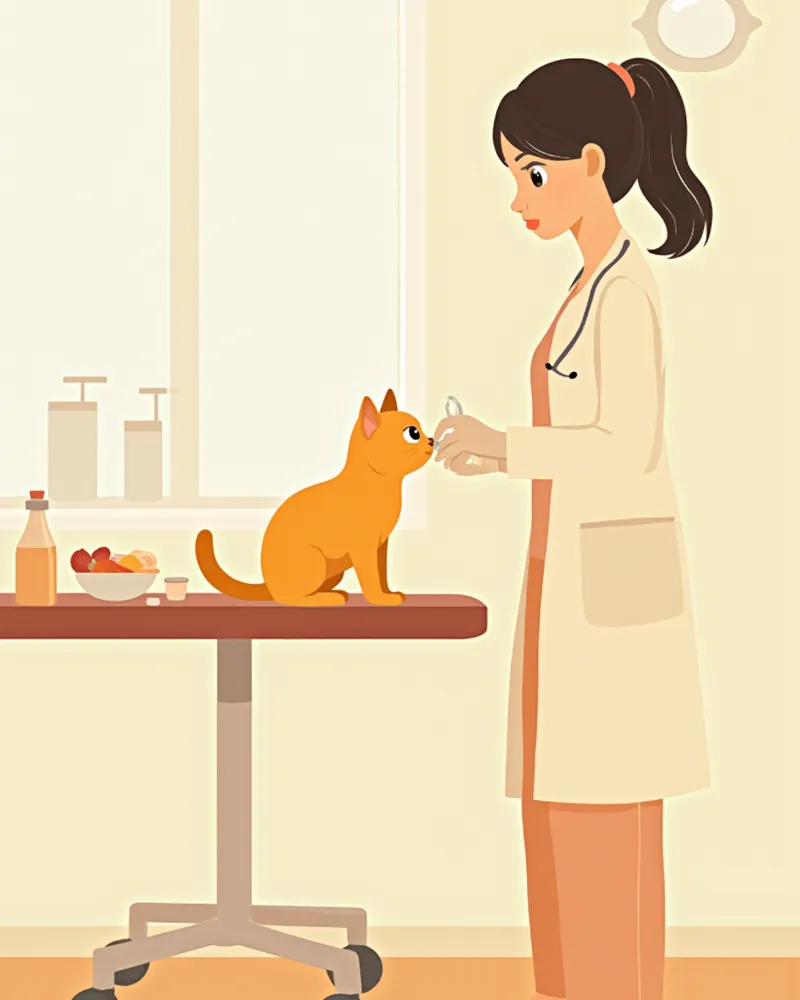
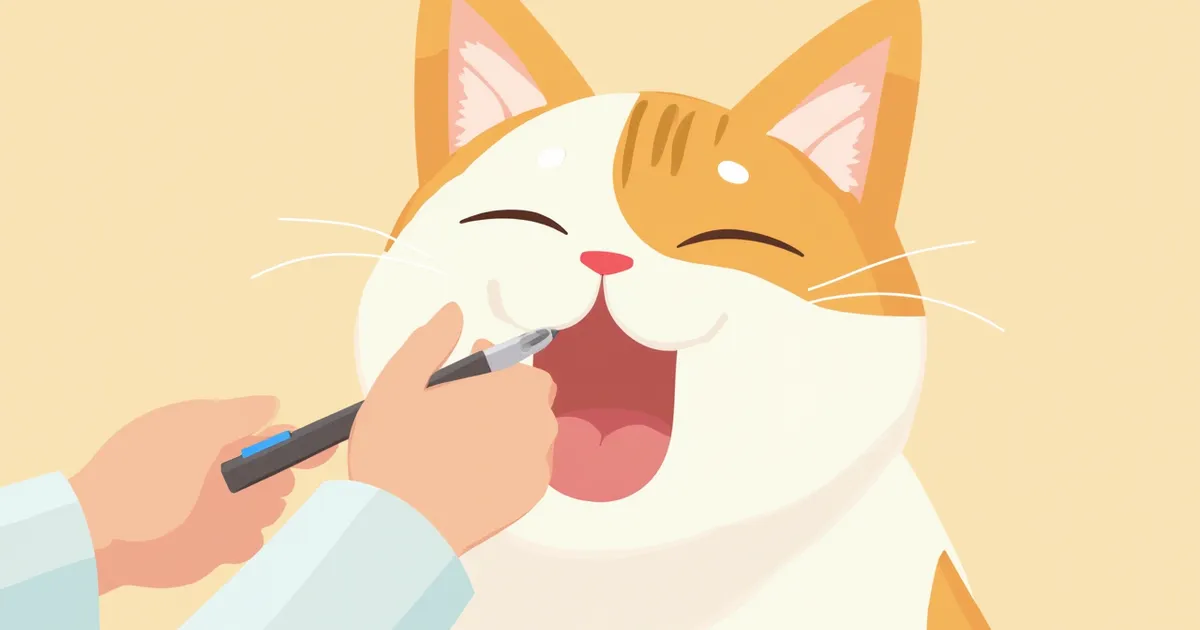
A veterinarian checking whether a cat has jaundice.

Go to the Veterinary Clinic Immediately If You See These Symptoms

If your cat’s eyes or gums appear yellow, or if they haven’t eaten anything for more than 48 hours, take them to a veterinary clinic immediately. Cats are especially prone to developing fatty liver disease quickly when fasting. If severe vomiting, seizures, or collapse occur, head straight to a 24-hour emergency animal hospital. Don’t hesitate—waiting at home often leads to worsening conditions.

How Is Diagnosis Performed at the Veterinary Clinic?

Diagnosis typically proceeds in three main steps.
Blood chemistry tests: We check liver enzyme levels (ALT, AST, ALP), bilirubin, serum proteins, and electrolytes to assess the extent of liver damage and determine the cause of jaundice. However, in end-stage liver failure, enzyme levels may be normal or only slightly elevated.
Abdominal ultrasound: This evaluates the liver’s size and texture, as well as the condition of the gallbladder and bile ducts, and identifies any lesions. If necessary, a biopsy is performed for a definitive diagnosis.
Liver tissue examination (biopsy): This is conducted when the cause is unclear or other hepatobiliary diseases are suspected, allowing for an accurate pathological diagnosis.
Urinalysis is also performed concurrently to distinguish whether the jaundice originates from the liver or from red blood cell destruction.

Treatment Methods for Feline Hepatitis and Step-by-Step Process
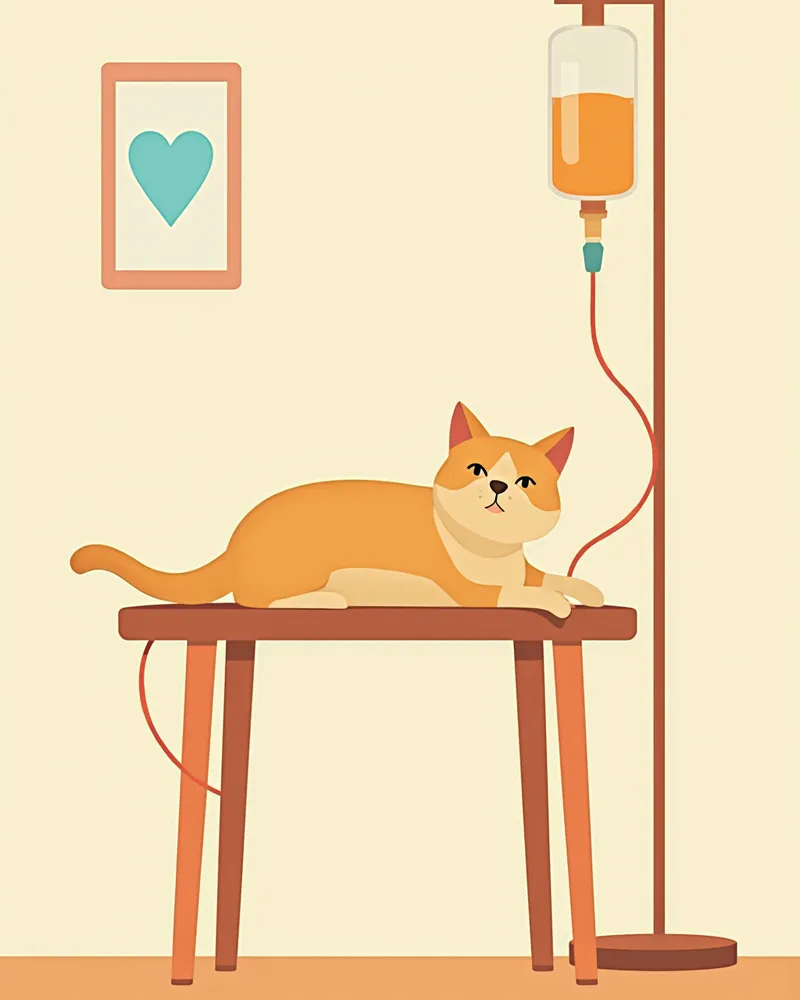
Treatment approaches vary depending on the underlying cause.
Fluid therapy: We first correct dehydration and electrolyte imbalances.
Nutritional support: If appetite loss is severe, we provide nutrition via feeding tubes (nasogastric or esophageal tubes). For fatty liver disease, active nutritional supplementation to restore energy balance is key to recovery.
Medication: If a bacterial infection is present, antibiotics (e.g., doxycycline) are used, and other medications are selected by the veterinarian based on the cause and test results.
Toxin/poisoning cases: We immediately discontinue exposure to the causative substance and proceed with supportive and detoxification therapy.
The treatment duration varies from several weeks to several months, depending on the cause and severity.
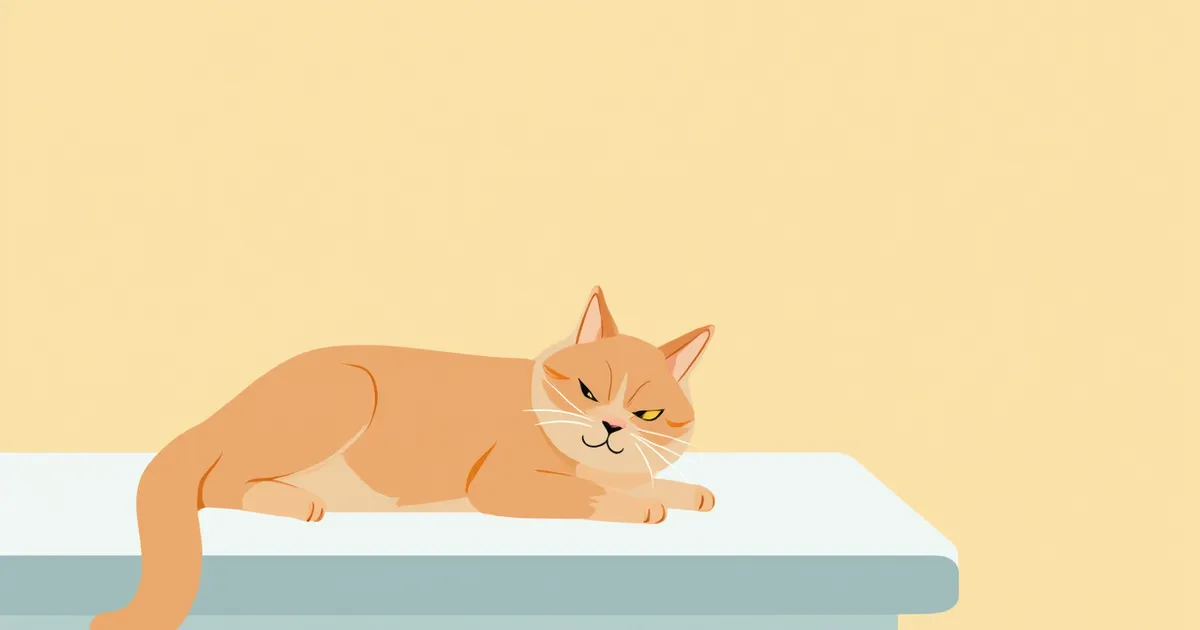
A cat receiving intravenous fluid therapy at a veterinary clinic

Key Points for Liver Recovery Management at Home
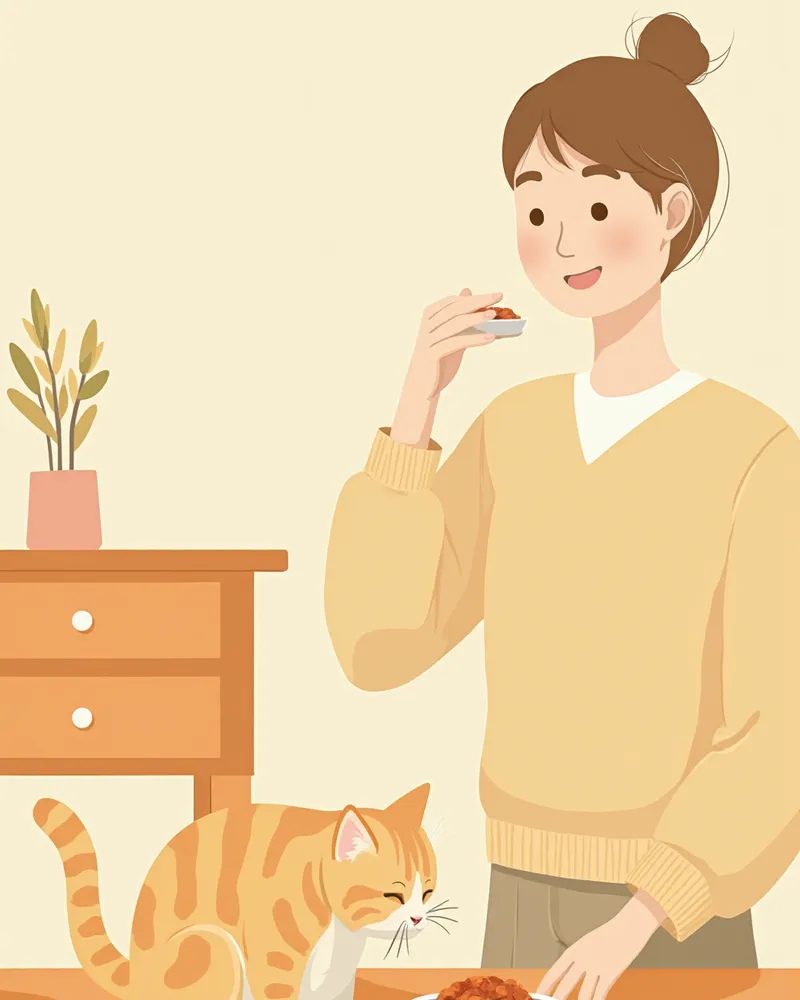
Here are the key care points to keep in mind at home after discharge.
Prescription diet: Consistently provide the prescription diet recommended by your veterinarian for the full duration to support liver recovery.
Small, frequent meals: Offer small portions every 3–4 hours to reduce the burden on the liver.
Strict medication adherence: Administer all prescribed medications exactly as directed and do not stop them without consulting your veterinarian.
Weight monitoring: Notify your veterinarian immediately if you notice any weight loss.
Minimize stress: Provide a quiet, warm environment. Stress can slow down the recovery process.
Never give human medications, especially Tylenol (acetaminophen), to your pet.
A pet owner providing small, prescribed doses to their cat

Essential Points for Preventing Recurrence After Recovery

Cats recovering from hepatitis require regular blood tests every three to six months. Although the liver has regenerative capacity, repeated damage can lead to chronic liver failure. Obesity is the biggest risk factor for the recurrence of fatty liver disease, so consistent dietary management to maintain an ideal weight is essential. Never administer human medications without a prescription, and always remember that acetaminophen can be fatal even in small amounts.

Reviewed by a veterinarian

Dr. Tony — Punnawat Phongkittirak

Dr. Tony — Punnawat Phongkittirak

Veterinarian

A veterinarian who majored in veterinary medicine at Khon Kaen University, Thailand, and completed the IVSA program at North Carolina State University in the United States. Drawing on clinical experience at animal hospitals, he works in the pet healthcare field and is dedicated to building a digital care environment that connects pet parents with veterinarians.

Frequently Asked Questions

Can feline hepatitis be transmitted to humans?
You don’t need to worry. The main causes of feline hepatitis, such as the FIP virus and feline-specific bacteria, are not transmissible to humans. However, basic hygiene practices like regular handwashing are always important.
Is it safe to give Tylenol to cats?
Absolutely not. Acetaminophen (Tylenol) can cause severe liver damage and blood abnormalities in cats, even in very small amounts. Always use only medications prescribed by a veterinarian for your cat.
My cat hasn’t eaten for two days. Should I take it to the vet right away?
Yes, you should go right away. If your pet has lost its appetite for more than 48 hours, fatty liver disease can progress rapidly. Rather than trying to force-feed, it’s best to have a veterinarian identify the underlying cause first.
How are fatty liver disease and hepatitis different?
Fatty liver disease (hepatic lipidosis) occurs in cats when prolonged fasting causes body fat to accumulate in the liver. It can be one of the causes of hepatitis and may also occur simultaneously with it. A veterinarian will make an accurate diagnosis through blood tests and ultrasound.
How can you check for jaundice at home?
Check the color of the whites of the eyes (sclera) and the gums under good natural light. Normal colors are white or light pink. If you notice a yellowish tint, it could indicate jaundice, so visit a veterinary clinic right away.

Share

Related Guides

References

[1] Armstrong PJ, Blanchard G. Hepatic lipidosis in cats. Vet Clin North Am Small Anim Pract. 2009;39(3):599–616.

[2] Center SA. Feline hepatic lipidosis. Vet Clin North Am Small Anim Pract. 2005;35(1):225–269.

[3] Schaer M, Gaschen FP. Clinical Medicine of the Dog and Cat, 4th Ed. Chapter 2.8: Common causes of icterus. CRC Press, 2022.

[4] Little SE. The Cat: Clinical Medicine and Management, 2nd Ed. Chapter on Hepatic and Biliary Diseases. Elsevier, 2022.

[5] Vilaplana Grosso FR et al. Applied Veterinary Clinical Nutrition, 2nd Ed. Chapter on Hepatic Disease Nutrition. Wiley-Blackwell, 2021.

This information is based on veterinary literature and does not replace diagnosis or treatment. Please consult a veterinarian for specific health concerns.

Metapet Co., Ltd. | CEO: Park Sung-yong | Business Reg. No. 417-88-02562 | Seoul, South Korea | Customer Center

Feline Hepatitis: Symptoms, Causes & Treatment Timing | Meongsiljang