Like
Share
멍실장
고양이 망막 박리 증상과 원인, 진단·치료와 관리 포인트 총정리

If Your Cat Suddenly Keeps Bumping Into Things — Causes of Retinal Detachment and Warning Signs of Blindness

Eye HealthDiseasesMeongsiljang Veterinary Advisory Board

Feline retinal detachment is a condition that can severely impair vision, making early detection and appropriate treatment crucial. Common causes include trauma, hypertension, and diabetes.

Feline Retinal Detachment Is a Condition That Severely Impairs Visual Function

Abnormal eye conditions in cats caused by retinal detachment
Feline retinal detachment occurs when the neurosensory retina separates from the underlying retinal pigment epithelium (RPE), disrupting the transmission of visual information. This condition can lead to vision loss or acute blindness within a short period. Early detection and appropriate treatment are key to preserving vision. - Retinal Detachment: A condition in which the separation of the retina impairs visual function, directly affecting a cat’s vision. - Early Detection: Although early symptoms may be subtle, prompt action is crucial for preserving vision. - Timing of Treatment: The longer the retina remains detached, the more photoreceptor damage progresses, reducing the likelihood of recovery. Therefore, seeking veterinary care as soon as possible is strongly recommended. - Identifying Causes: Systemic hypertension, trauma, and chronic kidney disease are primary causes, making management of underlying conditions essential. - Prognosis: In cases caused by hypertension, proper blood pressure control may allow the detached retina to reattach. However, if left untreated, it can result in permanent vision loss, so close attention is necessary.

The Main Causes of Retinal Detachment Include Trauma, Hypertension, and Diabetes
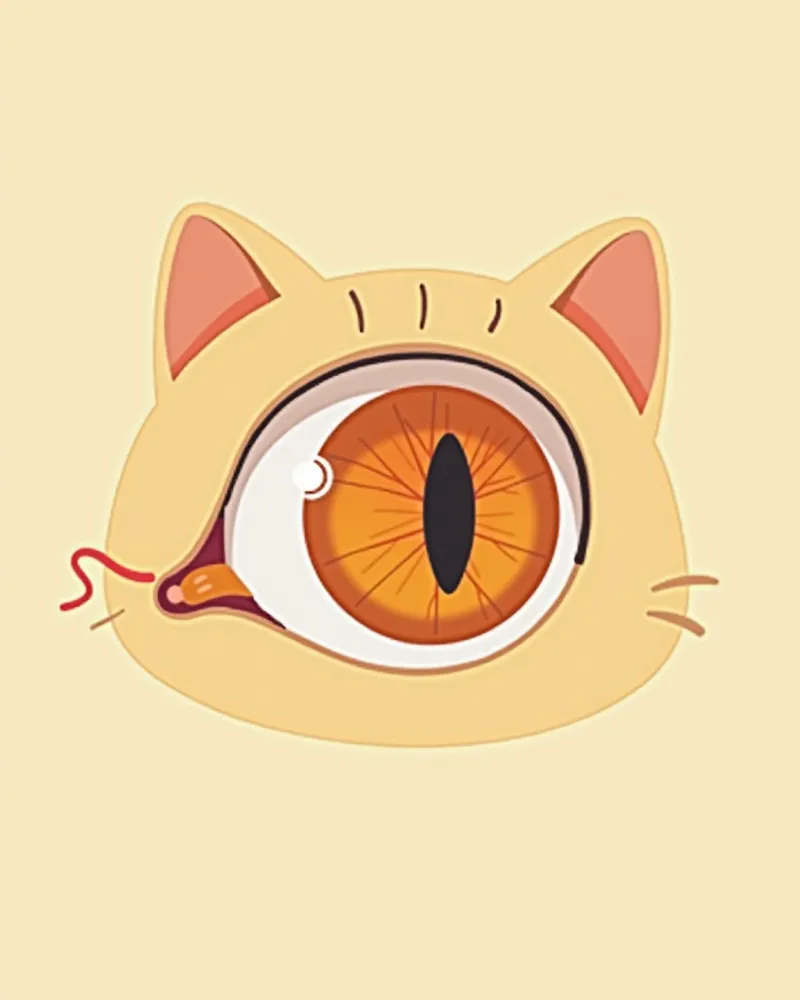
The most well-known cause of retinal detachment in cats is systemic hypertension. Persistently high blood pressure can damage the blood vessels of the retina and choroid, leading to hemorrhage and retinal detachment. Secondary detachment due to trauma or intraocular inflammation, as well as hypertension associated with chronic kidney disease, may also be involved. Adverse effects of certain medications (e.g., phenylpropanolamine overdose) can induce hypertension, resulting in retinal detachment, and neoplastic diseases can also cause retinal detachment. Older cats are more prone to hypertension, increasing their risk of developing this condition. - Hypertension: This is the most representative cause, where damage to the retinal and choroidal blood vessels leads to hemorrhage and separation of the retina. - Trauma and Inflammation: Trauma or intraocular inflammation can cause secondary retinal detachment. - Chronic Kidney Disease: Often accompanied by hypertension, it can be associated with retinal detachment. - Advanced Age: The risk of hypertension increases with age, making older cats more vulnerable. - Other Causes: Adverse effects of certain medications or neoplastic diseases can also be underlying causes, making early diagnosis and management of the root cause critical for prognosis.
An anatomical illustration showing the causes of retinal detachment in cats due to hypertension.

Key Symptoms Include Vision Loss, Stumbling in Dim Light, and Lack of Pupillary Response

The early signs of retinal detachment in cats are often subtle and easy for owners to miss. However, as vision declines, you may notice your cat stumbling in dim light or bumping into walls and other obstacles. The condition can affect one eye or both. Other key warning signs include pupils that remain widely dilated and unresponsive to light, or a loss of the menace response.
Vision loss: Sudden difficulty seeing the surroundings.
Disorientation in the dark: Frequently wandering around the room at night or bumping into obstacles.
Dilated pupils: Both pupils may remain widely dilated and fail to react properly to light.
Lack of ocular reflexes: Absence of the pupillary light reflex (PLR) or menace response.
Acute vision loss: Retinal detachment is a common cause of sudden blindness in cats.
A cat that wanders around in the dark due to vision loss

Emergency Signs Requiring Immediate Veterinary Visit

If one or both eyes suddenly become cloudy or vision deteriorates rapidly, consult a veterinarian immediately. The longer a detached retina is left untreated, the more photoreceptor damage progresses, reducing the likelihood of vision recovery. Therefore, it is crucial to visit a veterinary clinic as soon as possible.

Diagnosis Is Made Through Ophthalmic Examination, Ultrasound, and Intraocular Pressure Measurement
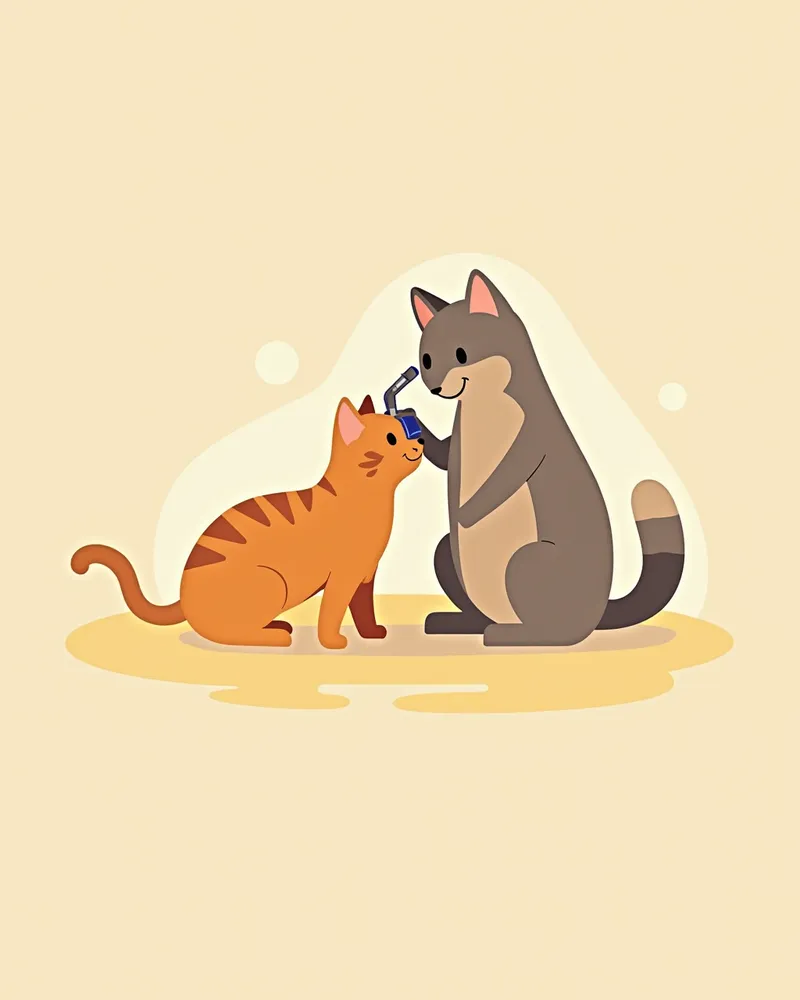
Diagnosing retinal detachment requires a specialized ophthalmic examination. First, the pupils are dilated to allow direct observation of the retina’s condition through funduscopy, or if necessary, B-mode ultrasound is used to precisely confirm whether the retina has detached. Blood pressure measurement is crucial for determining the presence of systemic hypertension and is essential for identifying underlying causes. When needed, additional tests such as a complete blood count (CBC), urinalysis, serum biochemistry, and cardiac evaluations may also be performed to assess for any underlying diseases. - Funduscopy: A key procedure for directly confirming whether the retina has detached. - Ultrasound Examination: Accurately determines retinal detachment when direct fundus observation is difficult. - Blood Pressure Measurement: Provides important data to determine if systemic hypertension is the cause. - Blood and Urine Tests: Evaluate underlying conditions such as chronic kidney disease. - Cardiac Examination: Helps determine if heart issues are contributing to hypertension. Accurate diagnosis is essential for developing an effective treatment plan.
A veterinarian examining a cat's eyes with an ophthalmoscope.

Treatment Involves Addressing the Underlying Cause, Surgery, and Medication
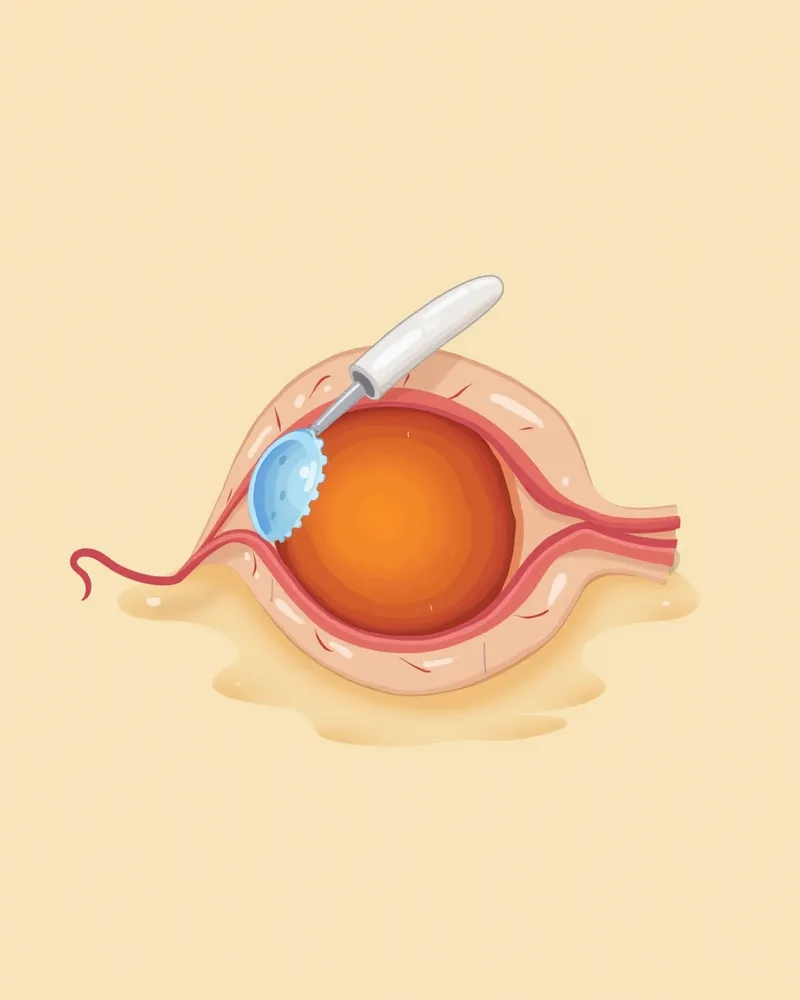
Treatment for retinal detachment is tailored to the underlying cause. - Treating the underlying cause: If systemic hypertension is the cause, controlling blood pressure with medications such as amlodipine is the top priority, along with managing any underlying conditions to prevent recurrence. - Spontaneous reattachment: In cats, the detached retina may reattach on its own if blood pressure is well controlled. - Surgical treatment: For cases like rhegmatogenous (tear-related) detachment, surgical reattachment options such as transscleral laser retinopexy or vitrectomy may be considered. - Medication: Medications help alleviate inflammation and pain. - Prognosis: Early control of blood pressure and the underlying cause can offer a chance of vision recovery, but the prognosis worsens if the detachment has been present for a long time. Regular check-ups help maintain long-term stability.
An illustration showing the laser surgery process for retinal reattachment

Home Care Is Key to Supporting Stability and Recovery After Treatment

After treatment, it’s important to keep your cat’s environment stable. Remove any obstacles from the room and ensure there’s enough space for your cat to move comfortably. Administer medications exactly as directed by your veterinarian. Post-surgery, activity should be restricted, and behaviors that could irritate the eyes should be avoided. Regular check-ups at the clinic will help monitor the recovery process.
Provide a Stable Environment: Remove obstacles and ensure clear pathways.
Follow Medication Instructions: Administer medications precisely as prescribed by your veterinarian.
Limit Activity: Restrict activity for 1–2 weeks after surgery.
Protect the Eyes: Avoid behaviors or objects that could irritate the eyes.
Regular Check-ups: Periodically monitor the recovery status.
A dedicated recovery space for cats to aid healing after retinal detachment treatment

Breed-Specific Precautions and Tips for Preventing Recurrence

Systemic hypertension is more common in older cats and is the most significant risk factor for retinal detachment, making regular ophthalmic and blood pressure screenings essential for aging cats. There are also reports that retinal degeneration can have a genetic basis in some cats. To prevent recurrence, it is important to manage chronic conditions such as hypertension and chronic kidney disease, undergo regular check-ups, and prevent trauma.

Reviewed by a veterinarian

Dr. Tony — Punnawat Phongkittirak

Dr. Tony — Punnawat Phongkittirak

Veterinarian

A veterinarian who majored in veterinary medicine at Khon Kaen University, Thailand, and completed the IVSA program at North Carolina State University in the United States. Drawing on clinical experience at animal hospitals, he works in the pet healthcare field and is dedicated to building a digital care environment that connects pet parents with veterinarians.

Frequently Asked Questions

Can retinal detachment in cats be completely cured?
If the underlying cause, especially high blood pressure, is controlled early, cats may experience reattachment of the detached retina and regain their vision. However, if the detachment persists for too long, damage to the photoreceptors can limit the potential for vision recovery.
Can retinal detachment cause blindness in cats?
Yes, if the retina remains detached for an extended period, progressive damage to the photoreceptors can occur, making vision recovery difficult and potentially leading to blindness.
Is retinal detachment common in cats?
Retinal detachment is a common cause of sudden blindness in cats, especially in older cats with high blood pressure or chronic diseases.
Is it possible to prevent retinal detachment?
Managing chronic conditions such as hypertension and chronic kidney disease, along with regular eye and blood pressure screenings and injury prevention, can help reduce the risk.
Can my cat develop the condition again after treatment for retinal detachment?
While there is a risk of recurrence, you can reduce the danger by managing underlying causes, such as high blood pressure, and keeping up with regular check-ups.

Share

Related Guides

References

[1] Gelatt KN, MacKay EO. Distribution of intraocular pressure in dogs. Vet Ophthalmol 1998;1(2–3):109–14.

[2] Côté E. Clinical veterinary advisor. Dogs and cats. 3rd ed. St. Louis, MO: Elsevier Mosby; 2015.

[3] Ettinger SJ, Feldman EC, Côté E. Textbook of veterinary internal medicine: diseases of the dog and the cat. 8th ed. St. Louis, MO: Elsevier; 2017.

This information is based on veterinary literature and does not replace diagnosis or treatment. Please consult a veterinarian for specific health concerns.

Metapet Co., Ltd. | CEO: Park Sung-yong | Business Reg. No. 417-88-02562 | Seoul, South Korea | Customer Center

Cat Bumping Into Things? Retinal Detachment & Blindness Signs | Meongsiljang