Like
Share
멍실장
고양이 녹내장 약물·수술 치료 증상과 원인, 진단·치료와 관리 포인트 총정리

If Your Cat’s Eyes Are Enlarged and Cloudy — Glaucoma Warning Signs and Timing for Medical and Surgical Treatment

Eye HealthDiseasesMeongsiljang Veterinary Advisory Board

Feline glaucoma is a serious condition in which elevated intraocular pressure can lead to vision loss. Early diagnosis and appropriate medical or surgical treatment are essential.

Feline glaucoma is a serious condition in which elevated intraocular pressure can lead to vision loss
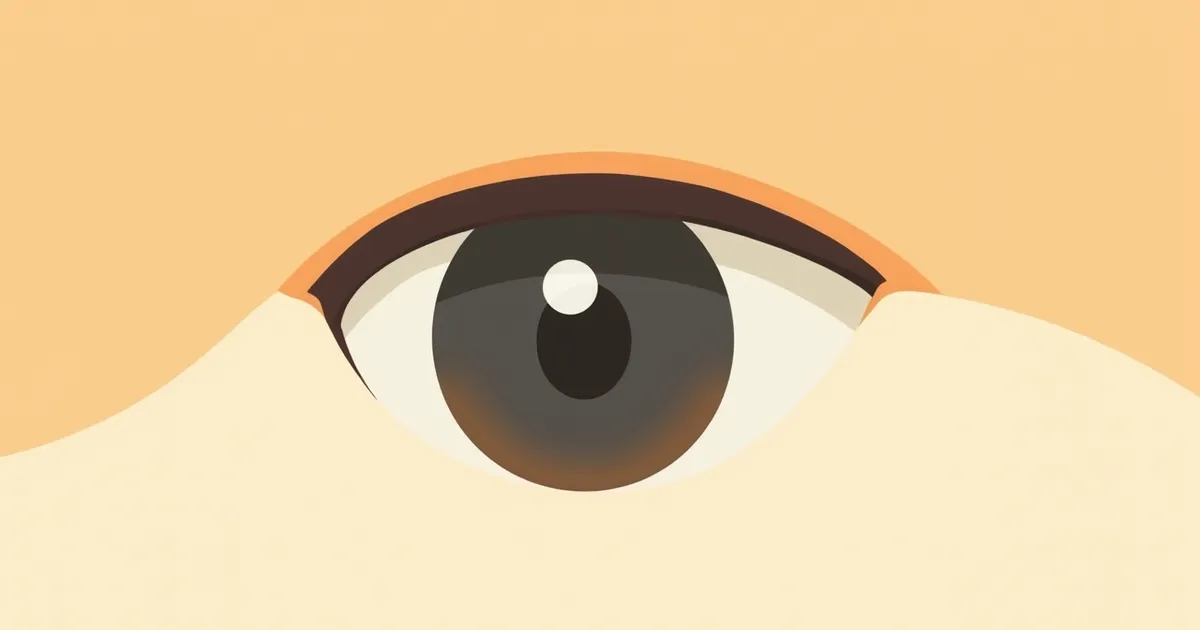
An anatomical illustration showing increased intraocular pressure and optic nerve damage in cats
Feline glaucoma occurs when aqueous humor inside the eye fails to drain properly, leading to increased intraocular pressure. Elevated pressure compresses the optic nerve, causing progressive damage that can ultimately result in vision loss or blindness. Glaucoma can sometimes worsen acutely within hours, and because early signs may be subtle—such as mild redness or behavioral changes—owners often overlook them. - Elevated intraocular pressure: This condition arises when aqueous humor cannot drain properly, causing pressure inside the eye to rise. - Optic nerve damage: Sustained pressure damages the optic nerve, resulting in changes that are difficult to reverse. - Early detection is key: Regular ophthalmic exams to diagnose the condition early, even when symptoms are mild, are essential for preserving vision. Even in chronic cases where the eyeball has enlarged (buphthalmos), cats may retain some vision, so ongoing ophthalmic care remains necessary.

Causes of glaucoma vary, including genetics, trauma, inflammation, and other conditions
Feline glaucoma is most commonly secondary, meaning it develops alongside other eye conditions. Primary glaucoma, caused by genetic predisposition, is very rare in cats. Common causes include ocular inflammation such as uveitis, lens luxation or cataracts, trauma, intraocular hemorrhage, and tumors. Congenital glaucoma can also occur in kittens. - Mostly secondary: Glaucoma in cats frequently arises in conjunction with other ocular or systemic diseases. - Inflammatory response: Chronic ocular inflammation, such as uveitis, can progress to glaucoma. - Lens abnormalities: Lens luxation or cataracts can obstruct aqueous humor outflow, leading to increased intraocular pressure. - Trauma, hemorrhage, and tumors: Eye injuries, intraocular bleeding, and tumors are also potential causes, making early diagnosis and identification of the underlying cause essential for effective treatment.
Image of a case of glaucoma in a cat following trauma

Be sure to check for key symptoms and signs
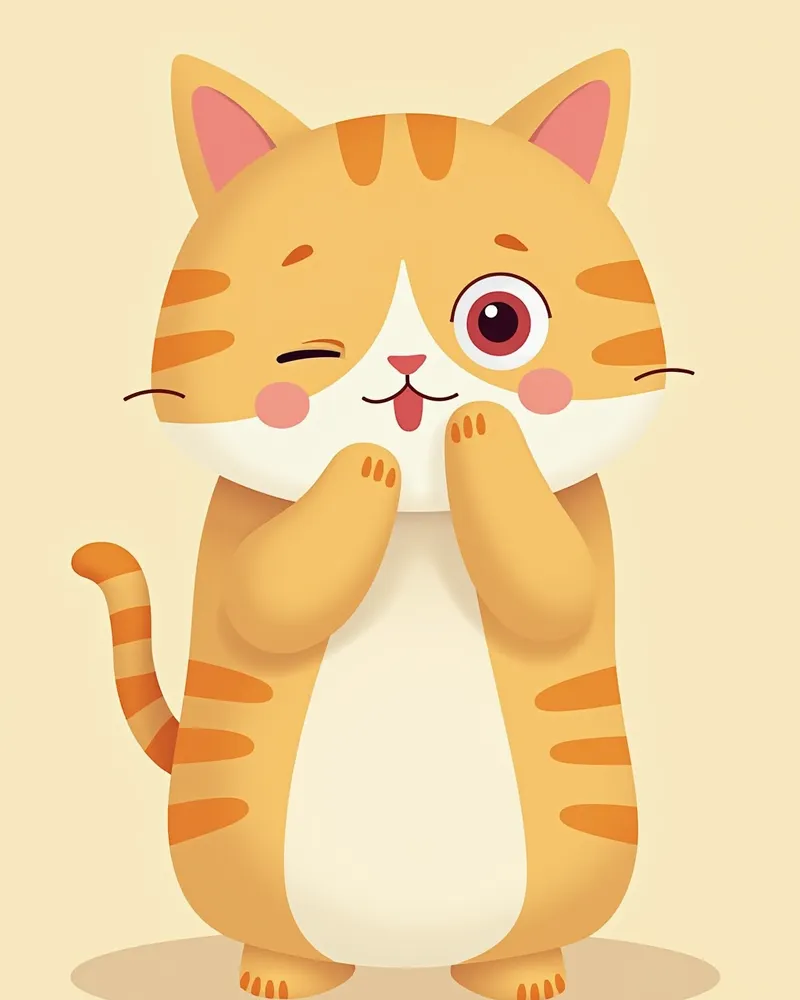
Feline glaucoma can cause symptoms such as redness, enlargement of the eye, and blurred vision. Frequent eye rubbing or scratching, sensitivity to light, bumping into walls, or disorientation are also warning signs. Increased tearing or swelling of the eye may occur. - Redness of the eye: The conjunctiva becomes inflamed, making the eye appear red. - Changes in eye size: The eye may abnormally enlarge, or one eye may become larger than the other. - Signs of vision loss: Disorientation and frequent collisions with objects become more common. - Behavioral changes: Anxiety, hiding, or loss of appetite may indicate a change in daily behavior. If any of these symptoms are observed, immediate veterinary care is necessary.
An image of a cat rubbing its eyes, showing symptoms of glaucoma

Emergency signs requiring immediate veterinary visit

If your pet’s eyes suddenly swell, become cloudy, or experience a rapid decline in vision, seek veterinary care immediately. This indicates that optic nerve damage is progressing quickly, and the window for effective treatment to restore vision is very narrow.

Diagnosis is made through intraocular pressure measurement and ophthalmic examination
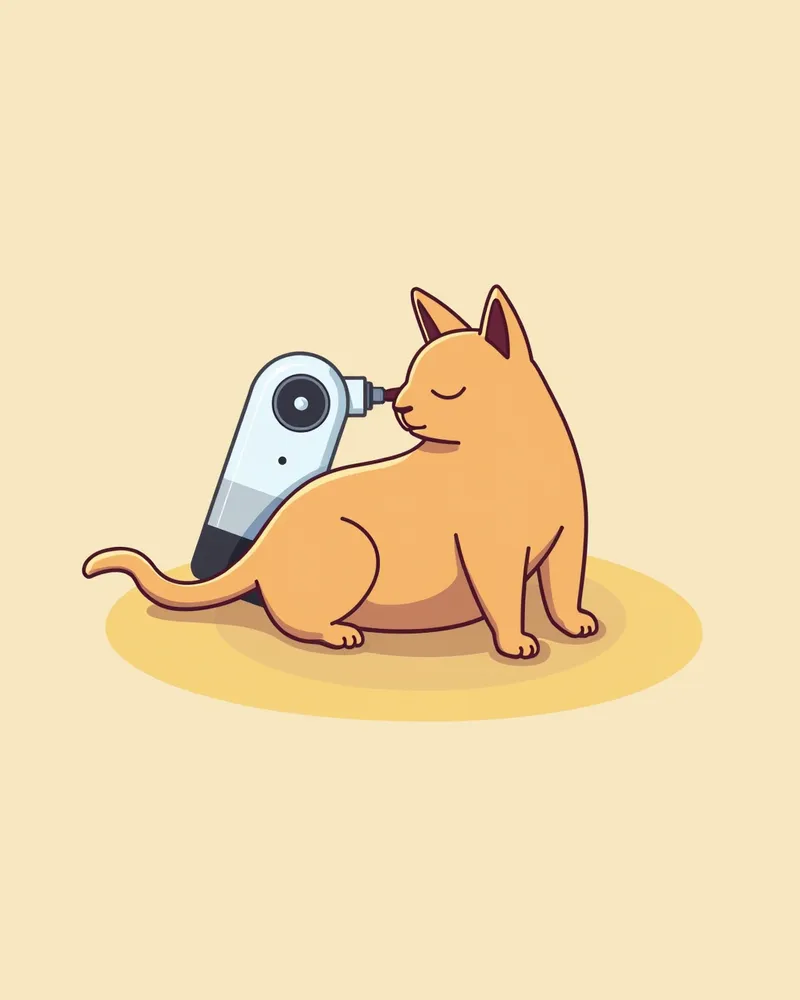
Glaucoma is diagnosed through tonometry, a test that measures intraocular pressure (IOP). Manual palpation is not accurate enough, so a dedicated tonometer is essential. - Tonometry: This key test uses a tonometer to measure intraocular pressure. - Fundus examination: This helps assess whether the optic nerve has been damaged. - Gonioscopy: This procedure allows us to examine the structure of the drainage angle, where aqueous humor exits the eye. - Ultrasound examination: B-mode ultrasound provides a non-invasive view of the internal eye structures. If secondary glaucoma is suspected, it is crucial to identify and treat underlying causes such as inflammation or tumors. Early diagnosis significantly improves treatment success rates.
An image of a veterinarian measuring a cat's eye pressure.

Treatment proceeds stepwise with medications and surgery
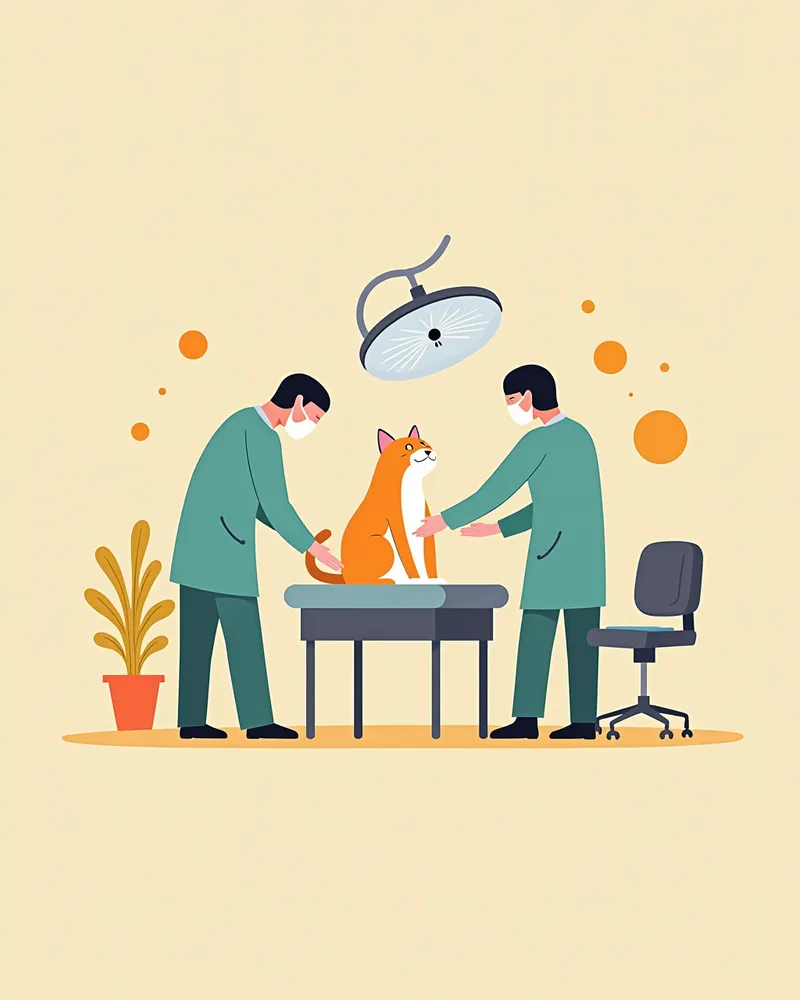
Treatment begins with medications to lower intraocular pressure (IOP). Intravenous mannitol is used to rapidly reduce IOP, while carbonic anhydrase inhibitors (such as dorzolamide) eye drops and anti-inflammatory agents (corticosteroids) are administered as appropriate. Surgery is considered if IOP cannot be controlled with medication or if vision is severely compromised. However, miotic (pilocarpine) medications may need to be avoided in cases of secondary glaucoma. - Medical Management: Consistent use of IOP-lowering medications is key to management. - Surgical Indications: Surgery is decided when medications are ineffective or vision deteriorates rapidly. - Surgical Options: Procedures include laser or cryo-cyclophotocoagulation to reduce aqueous humor production, while enucleation may be considered for eyes with severe pain and no remaining vision. - Treatment Goals: The aim is to preserve vision and relieve pain simultaneously. Properly combining medical and surgical treatments can help slow disease progression.
An image of a cat undergoing glaucoma surgery.

Consistent medication administration and environmental management are key to home care
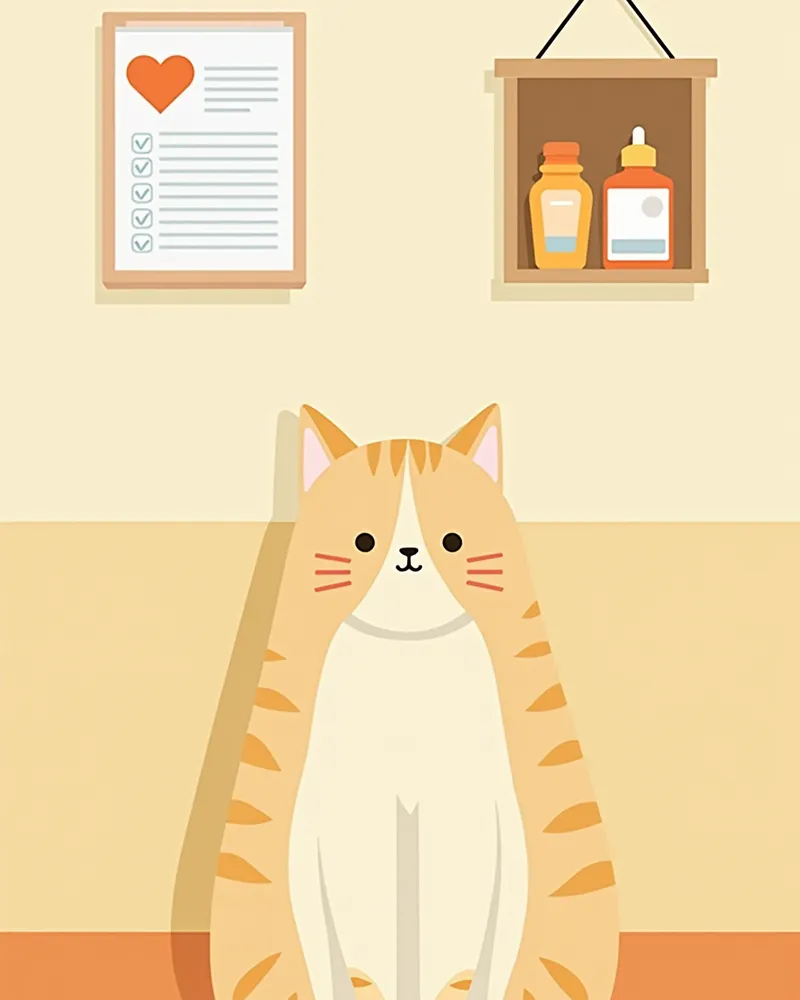
Medications must be administered consistently at the correct times and dosages. Missing a dose can cause a rapid increase in intraocular pressure. Your cat’s living environment should be quiet and stable, with sharp objects and high surfaces that pose a fall risk removed. If your cat repeatedly rubs or scratches its eyes, consult your veterinarian immediately. - Medication Schedule: Establish a habit of giving medication at the same time every day. - Environmental Safety: Provide a safe space where your cat can move freely. - Behavioral Monitoring: Check your cat’s eyes daily for any abnormalities and keep records. - Communication with Your Veterinarian: Contact your vet immediately if you notice any adverse reactions after starting medication or if your cat’s condition worsens. Consistent care is key to managing the disease.
An image of a calm home environment for managing feline glaucoma

Certain breeds have a genetic predisposition and require caution

Feline glaucoma is most commonly secondary, arising in conjunction with other eye conditions such as uveitis, lens luxation, trauma, intraocular hemorrhage, or tumors. Primary glaucoma due to genetic predisposition is very rare in cats, although congenital glaucoma can occasionally occur in kittens. If you notice any abnormalities in your cat’s eyes, do not delay seeking veterinary care; prompt ophthalmic examination is crucial for early detection and preserving vision.

Reviewed by a veterinarian

Dr. Tony — Punnawat Phongkittirak

Dr. Tony — Punnawat Phongkittirak

Veterinarian

A veterinarian who majored in veterinary medicine at Khon Kaen University, Thailand, and completed the IVSA program at North Carolina State University in the United States. Drawing on clinical experience at animal hospitals, he works in the pet healthcare field and is dedicated to building a digital care environment that connects pet parents with veterinarians.

Frequently Asked Questions

Can feline glaucoma be cured?
It depends on the underlying cause. In some cases, if intraocular pressure is well controlled with medication, a stable condition can be maintained long-term, but complete cure is rare. The key is preserving vision.
Is medication alone sufficient?
Medications are effective for mild to moderate symptoms, but surgery is necessary if vision loss is severe or if the condition cannot be controlled with medication. It’s important to consult with your veterinarian to develop an appropriate treatment plan.
Can glaucoma be transmitted to other cats?
No, glaucoma is not a contagious disease. It develops due to genetic predisposition, trauma, inflammation, or other factors, so it cannot be transmitted to other cats.
Will the condition worsen if I stop the medication?
Yes, stopping the medication can cause a rapid increase in eye pressure. To prevent vision loss from recurring or worsening, it’s essential to follow your veterinarian’s instructions carefully.
Can a cat with glaucoma still live a good life?
Yes, with early diagnosis and proper management, cats can live healthy lives for a long time. Environmental control and regular check-ups are key.

Share

Related Guides

References

[1] Fossum TW. (2007). Small Animal Surgery. 3rd ed. Elsevier.

[2] Kass PH, et al. (2007). Glaucoma in cats: 100 cases (1990–2004). Journal of Feline Medicine and Surgery, 9(4), 247–255.

[3] Plumb's Veterinary Drug Handbook, 9th ed. (2022). Wiley-Blackwell.

This information is based on veterinary literature and does not replace diagnosis or treatment. Please consult a veterinarian for specific health concerns.

Metapet Co., Ltd. | CEO: Park Sung-yong | Business Reg. No. 417-88-02562 | Seoul, South Korea | Customer Center

Enlarged, Cloudy Cat Eyes? Glaucoma Signs & Treatment Timing | Meongsiljang