Like
Share
멍실장
강아지 외분비췌장기능부전 증상과 원인, 진단·치료와 관리 포인트 총정리

Dog Eats Well But Is Thin — Causes of Exocrine Pancreatic Insufficiency (EPI) and Timing of Enzyme Therapy

DigestiveDiseasesMeongsiljang Veterinary Advisory Board

Exocrine pancreatic insufficiency (EPI) in dogs is a digestive disorder caused by insufficient secretion of pancreatic digestive enzymes, leading to poor nutrient absorption. We’ve compiled essential information for pet owners, covering symptoms, TLI diagnostic testing, enzyme replacement therapy, and home care.

What Is Exocrine Pancreatic Insufficiency in Dogs?
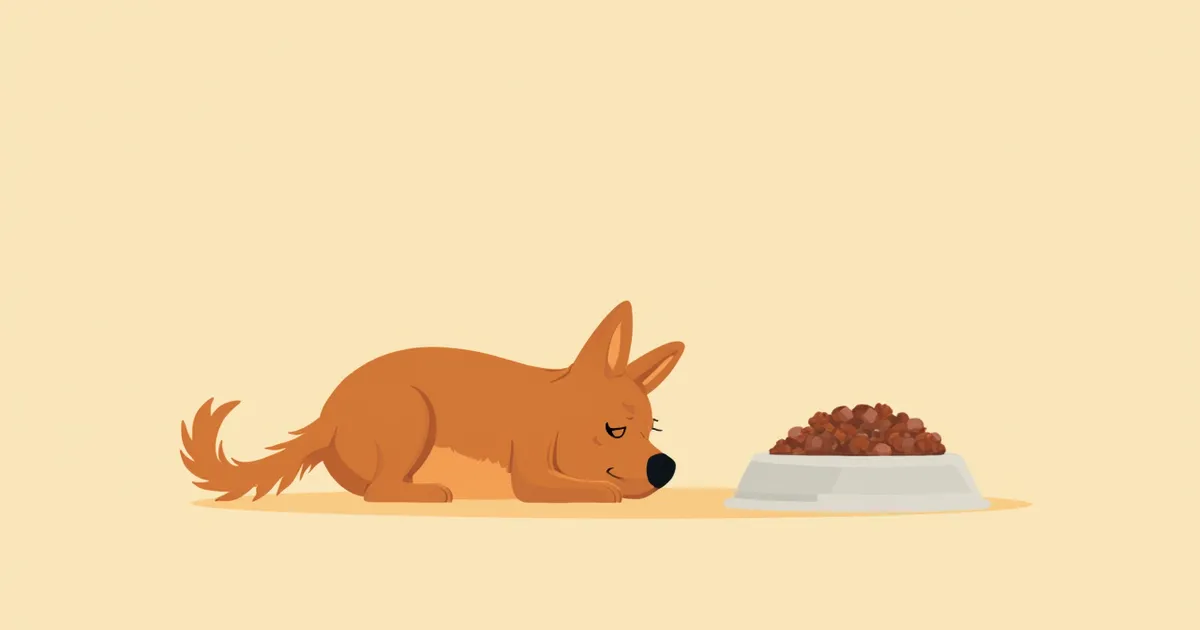
Puppies that don't gain weight despite eating
Exocrine pancreatic insufficiency (EPI) in dogs is a digestive disorder where the pancreas fails to secrete enough digestive enzymes, leading to poor digestion and nutrient absorption. The most critical point is that without treatment, even a dog eating well can develop severe malnutrition. With consistent enzyme replacement therapy, most dogs can lead normal lives, so it’s essential to have your vet run tests as soon as you notice symptoms.

Why Do Digestive Enzymes Become Deficient? — Main Causes

The most common cause is acinar cell atrophy, which occurs when the enzyme-producing cells in the pancreas, called acinar cells, degenerate.
Breed and genetic predisposition: German Shepherds and Rough Collies have a clear genetic predisposition, making them at higher risk.
Chronic pancreatitis: Repeated inflammation of the pancreas gradually destroys the enzyme-producing cells, potentially leading to EPI in the late stages.
Congenital pancreatic hypoplasia: Although rare, the pancreas may not develop fully, resulting in enzyme deficiency from a young age.
Regardless of the underlying cause, a deficiency in enzymes that break down fats, proteins, and carbohydrates leads to improper digestion of food.

Suspect EPI If You Notice These Symptoms

Chronic diarrhea: Undigested food passes through the digestive tract, resulting in repeated episodes of loose, greasy stools.
Sudden weight loss: Despite eating well, noticeable weight loss is one of the most prominent signs.
Increased appetite: Due to poor nutrient absorption, your pet may feel constantly hungry and remain unsatisfied even after eating.
Steatorrhea (fatty stools): Stools appear yellow, greasy, and have a strong, foul odor.
Abdominal bloating and flatulence: Undigested food ferments in the gut, leading to gas buildup.
Lethargy and poor coat condition: Nutritional deficiencies cause an overall decline in energy and health.
A thin puppy being examined due to digestive issues

When to Visit a Veterinary Clinic Immediately

If diarrhea or weight loss persists for more than a week, if there is blood in the stool, or if your pet is vomiting and completely unable to eat, you should visit a veterinary clinic immediately. If left untreated, severe deficiencies in protein and fat-soluble vitamins (A, D, E, and K) can lead to a rapid decline in overall health.

How Is It Diagnosed? — TLI Blood Test

The most accurate diagnostic method is the TLI blood test (trypsin-like immunoreactivity test). This test measures trypsinogen, which is specific to the pancreas. If the cTLI level in the blood is low (typically below 2.5 μg/L), it indicates exocrine pancreatic insufficiency. Since cTLI levels can rise in healthy dogs after eating, it is recommended to fast for an adequate period before the test. Additionally, reduced fat absorption can lead to deficiencies in fat-soluble vitamins (such as vitamin A), so additional blood tests may be conducted to assess overall nutritional status. Fecal examinations and abdominal ultrasounds can also be used as supplementary diagnostic tools.

How Is It Treated?

The cornerstone of treatment is administering digestive enzyme supplements. These enzyme powders, extracted from bovine or porcine pancreases, are mixed into your pet’s food at every meal to aid digestion in place of the pancreas. We typically start with about one teaspoon per 10 kg of body weight, adjusting the dose based on your pet’s response, and most pets will require lifelong supplementation.
Dietary Management: While enzyme supplementation is central to treatment, a highly digestible prescription diet can also be beneficial.
Nutritional Supplementation: If deficiencies are identified, such as in fat-soluble vitamins, supplements are provided according to your veterinarian’s prescription.
Once enzyme therapy begins, stool consistency usually stabilizes and weight is regained over the course of several weeks. We carefully fine-tune the enzyme dosage based on your pet’s progress.
A veterinarian prescribing a puppy digestive enzyme supplement

How to Manage at Home

How to administer the enzyme: Mix the enzyme powder thoroughly into your pet’s food and serve it immediately. There’s no added benefit to mixing it in advance and letting it sit, so simply mixing it well and serving it right away with each meal is sufficient.
Small, frequent meals: Dividing the daily dose into 2–3 servings can help reduce digestive strain.
Treat caution: Avoid high-fat treats and raw meat, and stick strictly to treats within the prescribed diet guidelines.
Weight monitoring: Weighing your pet at the same time each week and keeping a record will help you track the effectiveness of the treatment.
A pet owner mixing digestive enzyme powder into their dog’s food

German Shepherd and Rough Collie Owners Should Pay Special Attention

Exocrine pancreatic insufficiency has a clear genetic predisposition in German Shepherds and Rough Collies. If your dog isn’t gaining weight well from a young age or experiences chronic, recurring diarrhea, it’s best to get a TLI test done promptly. While this condition can occur in any breed, not just these predisposed ones, so consider testing regardless of breed if you notice suspicious symptoms. Early diagnosis helps minimize secondary damage caused by nutritional deficiencies.

Reviewed by a veterinarian

Dr. Tony — Punnawat Phongkittirak

Dr. Tony — Punnawat Phongkittirak

Veterinarian

A veterinarian who majored in veterinary medicine at Khon Kaen University, Thailand, and completed the IVSA program at North Carolina State University in the United States. Drawing on clinical experience at animal hospitals, he works in the pet healthcare field and is dedicated to building a digital care environment that connects pet parents with veterinarians.

Frequently Asked Questions

Do I need to give digestive enzyme supplements for my pet’s entire life?
If the cause is exocrine pancreatic insufficiency, lifelong supplementation is usually necessary. However, with consistent supplementation, your pet can live a healthy, symptom-free life. Regular check-ups with your veterinarian will help adjust the dosage as needed.
If my pet eats well but doesn’t gain weight, could it be this disease?
While exocrine pancreatic insufficiency is a possibility, other conditions such as intestinal disease, diabetes, parasites, or tumors could also be the cause. A TLI blood test can accurately differentiate between these, so getting tested at the clinic is the best first step.
Can I give my pet human digestive enzymes?
No, you must use a veterinary digestive enzyme product prescribed by a veterinarian. Human products have different ingredients and dosages, which may be ineffective or cause side effects.
Is it possible to achieve a complete cure?
If the cause is exocrine pancreatic insufficiency, a complete cure is unlikely. However, with consistent enzyme supplementation therapy, your pet can live a normal, symptom-free life. It’s best to think of it as a condition that requires lifelong management.
What happens if we don’t treat it?
If left untreated, ongoing malnutrition can lead to muscle loss, weakened immunity, and severe vitamin deficiencies, causing a rapid decline in overall health. Early treatment makes a significant difference in the prognosis.

Share

Related Guides

References

[1] Westermarck E, Wiberg ME. Exocrine Pancreatic Insufficiency in Dogs. Vet Clin North Am Small Anim Pract. 2003;33(5):1165-1179.

[2] Steiner JM, Williams DA. Serum trypsin-like immunoreactivity in a dog with exocrine pancreatic insufficiency. J Small Anim Pract. 1999;40(9):440-443.

[3] German AJ, Day MJ, Ruaux CG, et al. Comparison of direct and indirect tests for small intestinal bacterial overgrowth and exocrine pancreatic insufficiency in dogs. J Vet Intern Med. 2003;17(1):33-43.

[4] Hall EJ. Diseases of the exocrine pancreas. In: Simpson JW, Else RW, eds. Digestive Disease in the Dog and Cat. Oxford: Blackwell Science; 1991.

This information is based on veterinary literature and does not replace diagnosis or treatment. Please consult a veterinarian for specific health concerns.

Metapet Co., Ltd. | CEO: Park Sung-yong | Business Reg. No. 417-88-02562 | Seoul, South Korea | Customer Center

Dog Eats Well But Thin: EPI Causes & Enzyme Therapy | Meongsiljang