Like
Share
멍실장
강아지 중증근무력증 증상과 원인, 진단·치료와 관리 포인트 총정리

Canine Myasthenia Gravis: Symptoms, Causes, Diagnosis, Treatment, and Management Essentials

Brain & CognitionDiseasesMeongsiljang Veterinary Advisory Board

Canine myasthenia gravis is a disease in which the entire body’s muscles become abnormally weak due to an autoimmune disorder at the neuromuscular junction. If your dog repeatedly collapses after exercise or experiences regurgitation after meals, early testing is essential.

What Is Canine Myasthenia Gravis?
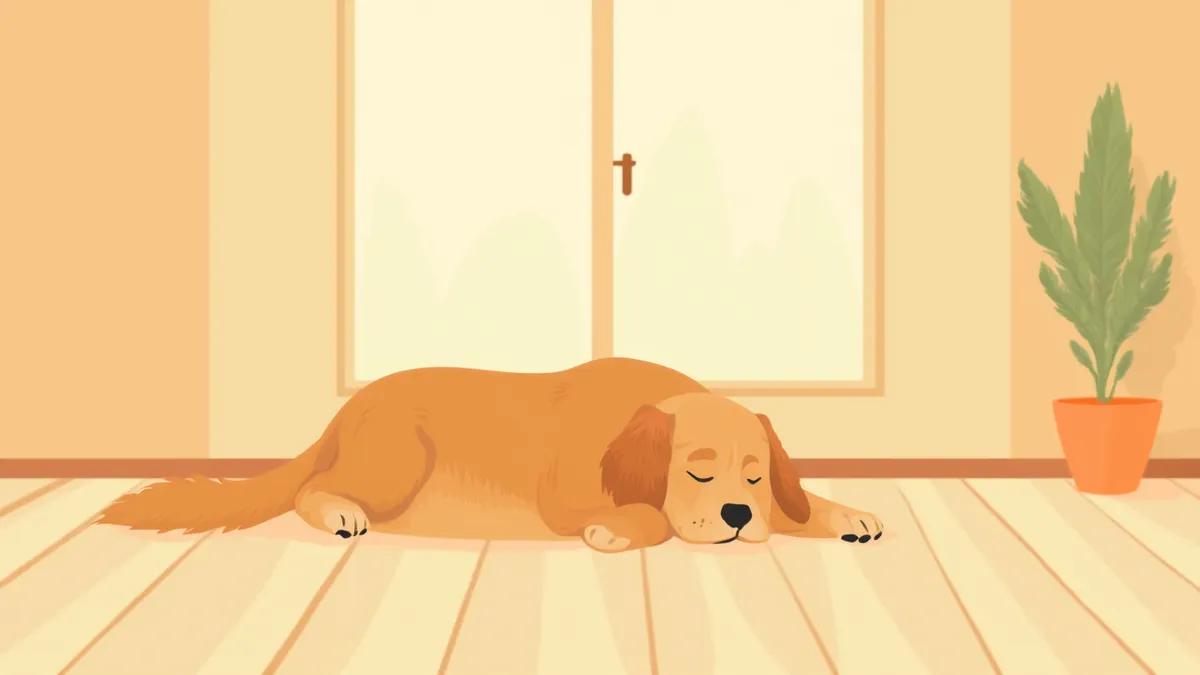
A dog lying weakly on the floor
Canine myasthenia gravis is an autoimmune disease in which the immune system mistakenly attacks acetylcholine receptors at the neuromuscular junction, blocking signal transmission and causing abnormal muscle weakness. Early detection is crucial. If your dog collapses with weakness after minimal activity or experiences repeated regurgitation right after eating, seek immediate care at a veterinary neurology specialist. While spontaneous remission has been reported in acquired myasthenia gravis without thymoma, the overall prognosis should be approached with caution. Therefore, early and accurate diagnosis, along with consistent management, is of utmost importance.

Causes and Pathogenesis

Myasthenia gravis is classified into three types based on its underlying cause.
Acquired (autoimmune): This is the most common form. The immune system mistakenly attacks acetylcholine receptors at the neuromuscular junction, disrupting nerve signal transmission.
Congenital: In this form, the receptors themselves fail to develop properly due to genetic factors, resulting in muscle weakness from a young age.
Tumor-associated: A thymoma (a tumor located in the chest cavity) can trigger an autoimmune response that leads to the disease. This type is particularly important to watch for in middle-aged and older dogs.

Checklist of Key Symptoms Often Overlooked

Exercise intolerance: Even slight activity causes weakness and sudden collapse, with rapid muscle fatigue after exercise or repeated stimulation and very slow recovery.
Regurgitation and dysphagia: Due to megaesophagus, undigested food is repeatedly regurgitated after eating.
Weakened eyelid reflex: The eyelids droop, and repeated stimulation of the blink reflex quickly leads to fatigue, making it difficult to keep the eyes open.
Changes in vocalization: Weakness in the laryngeal muscles causes the bark to suddenly become hoarse or weak.
Facial muscle weakness: Weakness in the facial and pharyngeal muscles makes it difficult to close the mouth properly or swallow.
Generalized weakness: Energy levels drop significantly compared to normal, making it difficult to stand up on their own.
A puppy with droopy eyelids and a listless expression

Seek Immediate Veterinary Care for These Symptoms

If your dog develops severe coughing or wheezing after eating, it could be a sign of aspiration pneumonia. If their gums turn blue or pale, or if they suddenly collapse and can't get back up, you need to seek immediate veterinary care. Breathing difficulties can be life-threatening. Aspiration pneumonia is the most dangerous complication of myasthenia gravis.

How Is It Diagnosed at the Veterinary Clinic?

Diagnosis proceeds through the following steps:
Anticholinesterase (Tensilon) test: A short-acting drug such as edrophonium is administered, and we observe whether muscle strength temporarily improves. A positive result strongly suggests myasthenia gravis.
Acetylcholine receptor (AChR) antibody test: This is the most definitive method, directly measuring autoantibodies in the blood. However, false negatives can occur in early-stage or localized cases, so we recommend retesting if suspicion remains.
Chest X-ray: Used to check for megaesophagus and aspiration pneumonia.
CT scan: Used to determine whether there are accompanying anterior mediastinal masses, such as thymoma.

Treatment Options: How They Vary by Cause
Treatment varies depending on the underlying cause and severity.
Anticholinesterase agents: These medications help facilitate nerve-to-muscle signal transmission. Your veterinarian will determine the appropriate dosage based on your pet’s weight and condition.
Immunosuppressive therapy: Suppressing the immune system is central to treatment. Prednisolone (a steroid) may be used alone or in combination with drugs such as cyclosporine or cytarabine (cytosine arabinoside). Close monitoring for side effects is essential during the initial phase of treatment.
Thymoma surgery: If a tumor is the cause, surgical removal of the thymoma may be considered. However, prognosis is uncertain when a thymoma is present, and there are risks associated with the perioperative period (before and after surgery), so a thorough discussion with your veterinarian is necessary to make the best decision.
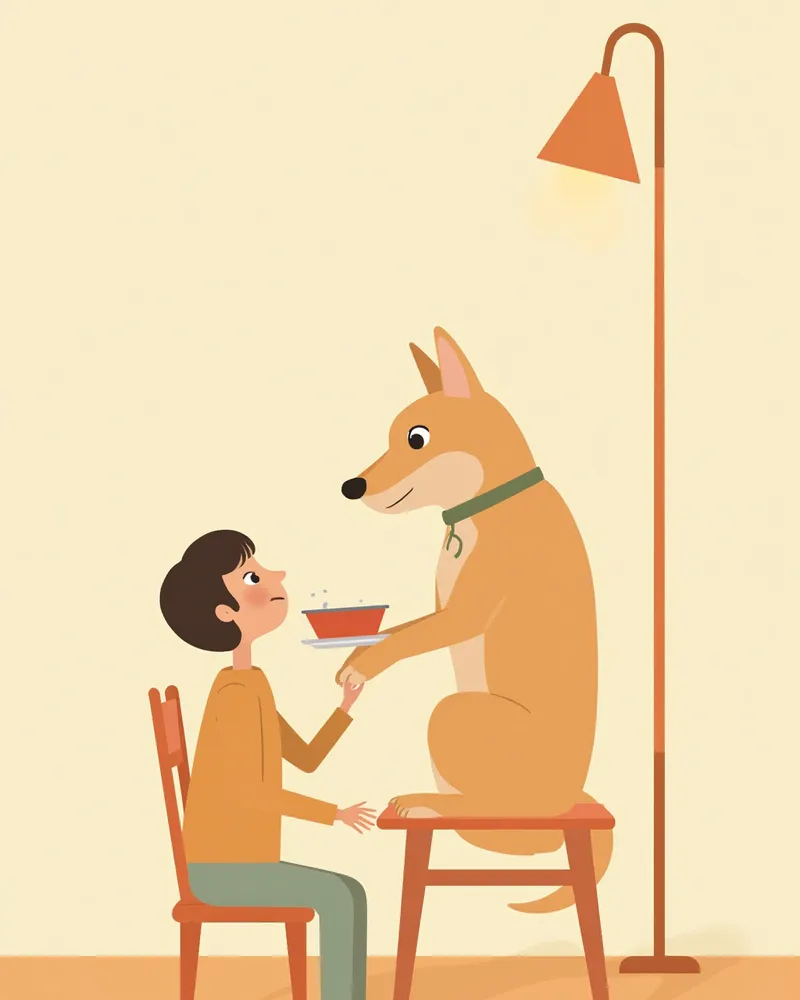
Megaesophagus management: Feeding in an upright position significantly reduces the risk of aspiration.
A puppy eating from a vertical feeding chair

Home Management Tips

Upright feeding position: Keep your pet in an upright position for at least 10–20 minutes after meals. This is the most important management step to prevent reflux and aspiration. It’s also best to offer small amounts of water frequently from an elevated position.
Limit exercise: Excessive activity can worsen muscle weakness and cause breathing difficulties. Stick to short, light movements only.
Adhere to medication schedule: Even a slight delay in giving medication can lead to symptom worsening.
Record abnormal symptoms: Note any coughing, regurgitation, or changes in appetite along with the date and frequency, and share this information during veterinary visits.
A pet owner holding their dog in an upright position after meals

At-Risk Breeds: Extra Caution for These Dogs

Myasthenia gravis is reported more frequently in certain breeds. The acquired form is particularly common in German Shepherds, Golden Retrievers, and Labrador Retrievers. It can also occur at any age in dogs older than three months, regardless of breed. A congenital (hereditary) form exists as well, meaning some puppies may exhibit muscle weakness from a young age. If an older dog suddenly loses strength and experiences repeated regurgitation, do not dismiss it as simple aging; be sure to have your pet examined.

Reviewed by a veterinarian

Dr. Tony — Punnawat Phongkittirak

Dr. Tony — Punnawat Phongkittirak

Veterinarian

A veterinarian who majored in veterinary medicine at Khon Kaen University, Thailand, and completed the IVSA program at North Carolina State University in the United States. Drawing on clinical experience at animal hospitals, he works in the pet healthcare field and is dedicated to building a digital care environment that connects pet parents with veterinarians.

Frequently Asked Questions

Is myasthenia gravis curable?
Acquired myasthenia gravis without a thymoma can sometimes go into spontaneous remission (symptom resolution) with immunotherapy. However, the prognosis should be approached cautiously, as the mortality rate within one year of diagnosis is approximately 50%, with aspiration pneumonia being the most common cause of death. Therefore, preventing complications and providing consistent care are crucial, and the prognosis becomes even more uncertain when a thymoma is present. Congenital myasthenia gravis often requires lifelong management.
How should I manage my pet if they develop megaesophagus?
It’s essential to keep your pet in an upright position for at least 10 to 20 minutes after meals. Using supportive devices like the Bailey Chair can help reduce the risk of aspiration pneumonia. Offer small amounts of water frequently from an elevated position, and be sure to consult your veterinarian about the appropriate food type and feeding method.
Can I vaccinate my pet while they’re on immunosuppressive therapy?
Live vaccines can be risky during immunosuppressive therapy. Be sure to consult your veterinarian to determine the appropriate timing and type of vaccination. You can also use antibody titer testing to assess whether vaccination is necessary.
Can long-term use of medication cause side effects?
Overdosing on anticholinesterase medications can cause symptoms such as excessive drooling and diarrhea. Long-term use of steroids may increase susceptibility to infections or induce Cushing-like symptoms. Regular blood tests and consultations with your veterinarian are essential.
Does a diagnosis of myasthenia gravis affect a dog’s life expectancy?
Once natural remission is achieved, your dog can enjoy a lifestyle similar to that of a healthy dog. However, complications such as aspiration pneumonia can worsen the prognosis, so the overall outlook should be viewed with caution. Consistent medication and careful management of vertical feeding are essential for both longevity and quality of life.

Share

Related Guides

References

[1] Shelton GD. Myasthenia gravis and congenital myasthenic syndromes in dogs and cats. Vet Clin North Am Small Anim Pract. 2002;32(1):189-206.

[2] Dewey CW, da Costa RC. Practical Guide to Canine and Feline Neurology, 3rd Ed. Wiley-Blackwell, 2016.

[3] Hartmann K, Langhorn R (eds.). Clinical Medicine of the Dog and Cat, 4th Ed. CRC Press, 2022.

[4] Shelton GD, Schule A, Kass PH. Risk factors for acquired myasthenia gravis in dogs: 1154 cases (1991-1995). J Am Vet Med Assoc. 1997;211(11):1428-1431.

This information is based on veterinary literature and does not replace diagnosis or treatment. Please consult a veterinarian for specific health concerns.

Metapet Co., Ltd. | CEO: Park Sung-yong | Business Reg. No. 417-88-02562 | Seoul, South Korea | Customer Center

Myasthenia Gravis in Dogs: Symptoms, Causes, Diagnosis & Care | Meongsiljang