Like
Share
멍실장
고양이 자가면역성 간염 증상과 원인, 진단·치료와 관리 포인트 총정리

If Your Cat Turns Yellow and Stops Eating — Causes and Treatment Timing for Autoimmune Hepatitis

Liver HealthDiseasesMeongsiljang Veterinary Advisory Board

Feline autoimmune hepatitis is a condition in which the immune system mistakenly attacks liver cells, causing inflammation. Early diagnosis and proper management are essential. Symptoms can vary widely, and treatment primarily involves immunosuppressive medications.

What Is Feline Autoimmune Hepatitis?
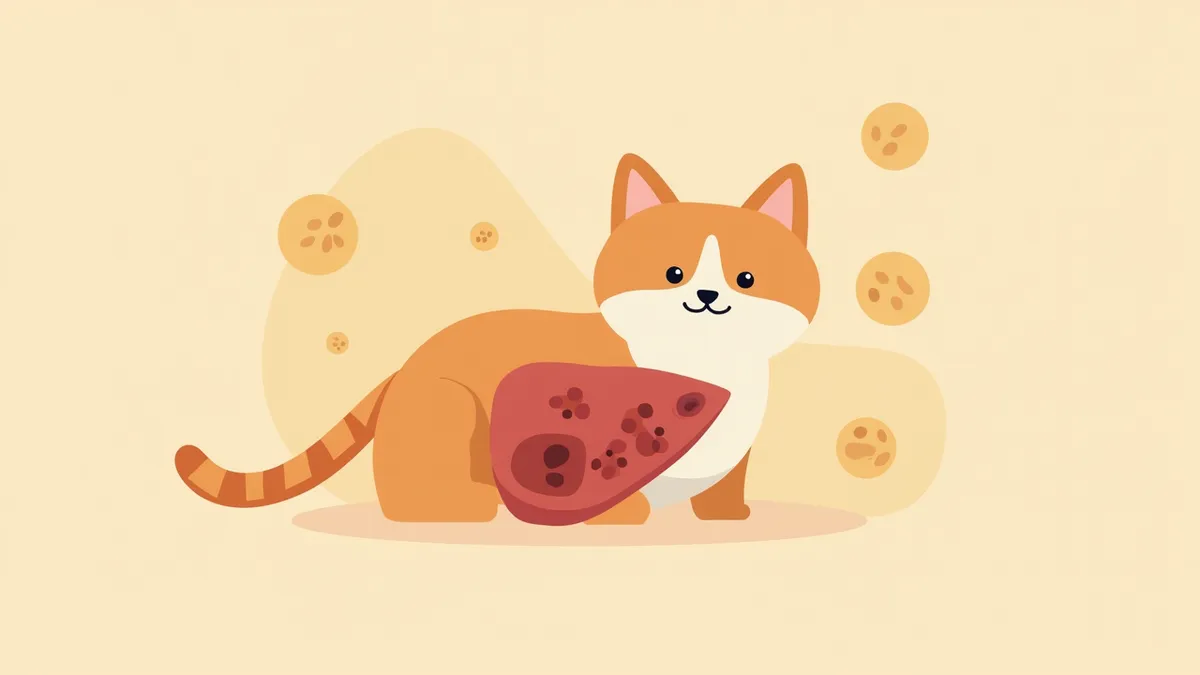
Inflammatory changes in the cat's liver caused by an autoimmune response
Feline autoimmune hepatitis is a chronic inflammatory condition in which the immune system mistakenly identifies liver cells as foreign and attacks them. This leads to liver cell damage and a gradual decline in liver function. Early symptoms are often mild and easily overlooked, making early detection crucial for improving survival rates. - Immune system dysfunction: Immune cells misidentify liver cells as abnormal rather than self, triggering an attack. - Chronic inflammation: Repeated cycles of damage and repair can progress to liver fibrosis. - Impaired function: The liver struggles to perform vital tasks such as detoxification, protein synthesis, and digestive enzyme secretion. Early diagnosis and consistent management are essential.

Causes and Mechanisms

The exact cause of chronic, immune-mediated liver disease in cats remains unclear, as it appears to result from a combination of factors. - Immune-mediated inflammation: Inflammation characterized by the infiltration of lymphocytes and plasma cells around the liver and bile ducts is observed, and this condition often responds to immunosuppressive therapy. - Drugs and toxic substances: Certain medications or toxic agents can cause hepatocyte injury or hepatic necrosis in cats. - Impact of other organ diseases: Inflammation in the liver can sometimes occur as a response to various diseases outside the liver (reactive hepatitis). - Individual variation: The presentation and progression of the disease vary from cat to cat, making it difficult to pinpoint a single cause. Therefore, we consider multiple potential factors during the diagnostic process.
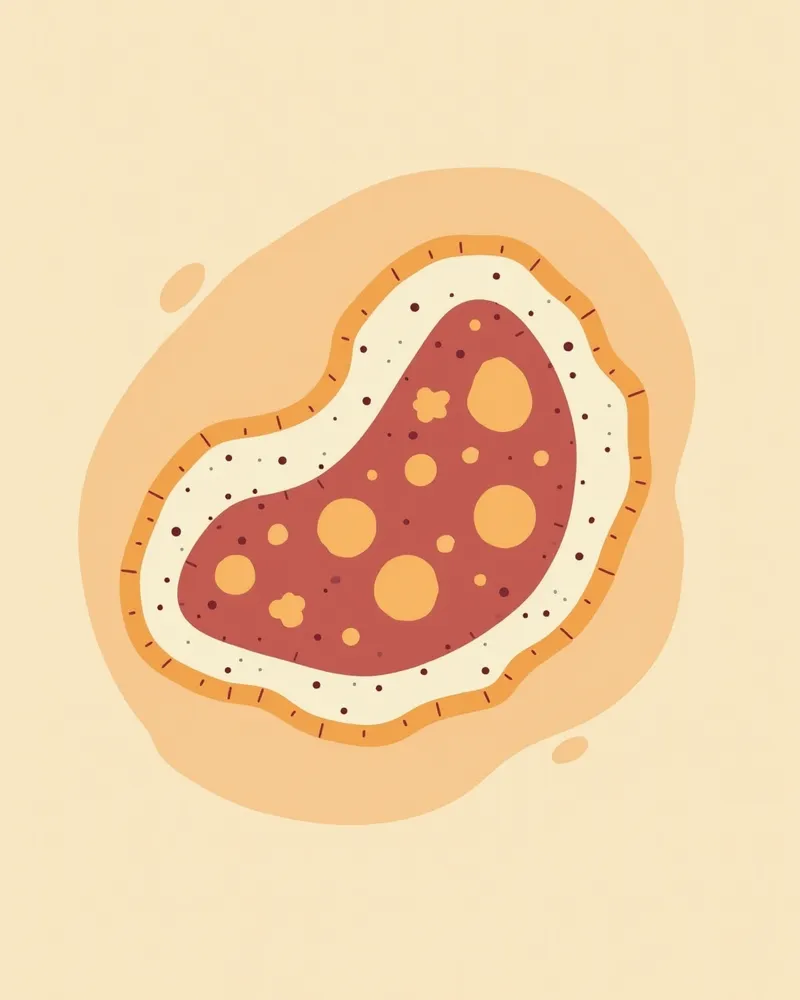
Immune cell infiltration and fibrosis observed in feline liver biopsies

Main Symptoms and Signs

The symptoms of feline autoimmune hepatitis can vary and may be subtle in the early stages, so close observation by pet owners is essential.
Jaundice: A yellowish tint may appear in the eyes or lips.
Loss of appetite: The cat may suddenly stop eating or consume significantly less food.
Recurrent vomiting: Vomiting may occur multiple times a day.
Lethargy and weakness: The cat may remain inactive throughout the day and appear physically weak.
Abdominal distension: The abdomen may become swollen and tender to the touch.
If these symptoms persist, immediate veterinary attention is required.
Suspected symptoms of feline autoimmune hepatitis: jaundice and abdominal distension

Signs Requiring Immediate Veterinary Visit

If your cat suddenly loses its appetite, vomits repeatedly, and develops yellowing of the eyes or lips, seek veterinary care immediately. These signs may indicate severe liver damage.

Accurate Diagnostic Methods
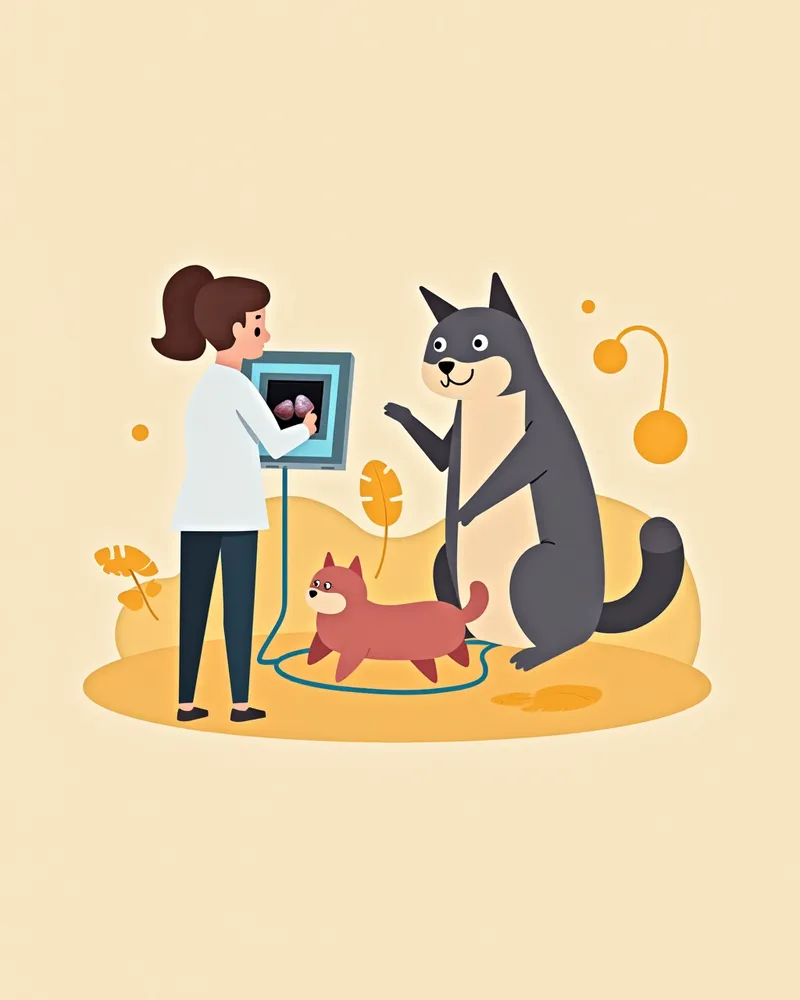
Diagnosing liver disease in cats is challenging with a single test, so we need to evaluate multiple test results together. - Blood tests: Liver enzymes (ALT, ALP) may be elevated, and we also look for other abnormalities such as increased bilirubin. However, enzyme levels alone are not enough to pinpoint the cause. - Additional blood tests: We assess overall health by checking for anemia, clotting abnormalities, and albumin levels to help rule out other potential causes. - Ultrasound: This allows us to examine structural changes or lesions in the liver, helping to identify any abnormal areas. - Liver biopsy: A histological examination provides precise details about the degree and characteristics of inflammation. Biopsy is the most critical step for a definitive diagnosis; if abnormalities are detected via ultrasound or other methods, we proceed with a biopsy for confirmation.
Ultrasound examination for diagnosing feline hepatitis

Treatment Methods and Step-by-Step Management
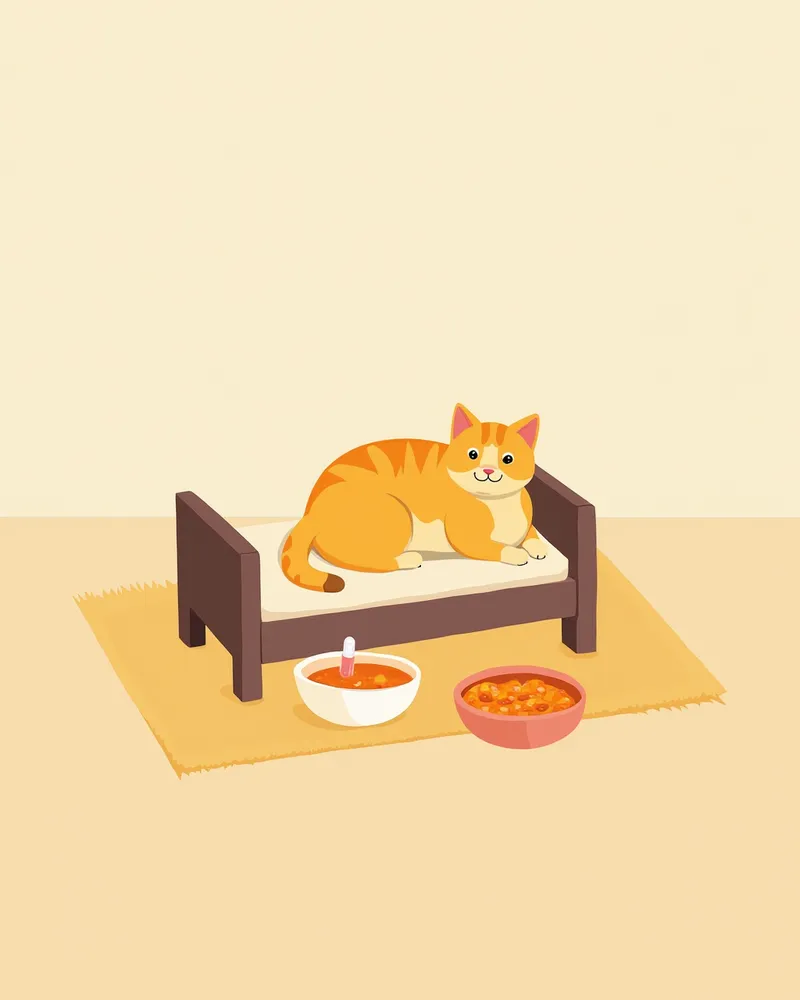
Treatment primarily focuses on immunosuppressive therapy. Steroids (glucocorticoids) are typically the first choice. After receiving initial treatment at the clinic, your pet will need to continue taking medication at home. During medication, regular tests are necessary to monitor liver function.
Steroid Treatment: Suppresses the immune response to reduce inflammation.
Combination with Immunosuppressants: Additional immunosuppressants may be used if steroids alone are insufficient.
Antioxidants and Hepatoprotectants: Antioxidant supportive therapy is applied to aid hepatocyte recovery.
Nutritional Management: It is important to provide sufficient calories (carbohydrates and fats) and high-quality protein to prevent protein from being broken down for energy.
Dietary and Medication Management During Treatment for Feline Autoimmune Hepatitis

Home Care Points

Home care is key to successful treatment. It’s important to give medications at consistent times so you don’t miss any doses. Also, keep the environment quiet to minimize your cat’s stress, and carefully track changes in food intake and overall condition.
Stick to the medication schedule: Skipping or stopping medications on your own can worsen symptoms.
Regular check-ups: Periodically monitor liver function, including liver enzyme levels.
Minimize stress: Reduce stressors such as new environments or loud noises.
Nutritional management: Provide sufficient calories and high-quality protein to help prevent the body from breaking down protein for energy.
Monitor weight: Sudden weight loss is a sign that should be closely watched.
Writing a management log for feline autoimmune hepatitis

Preventing Recurrence and Breed Considerations

Feline immune-mediated liver disease can recur or progress even after treatment, so long-term management is essential. While it’s difficult to definitively say it’s more common in specific breeds, it’s important to remember that any cat can experience a return of symptoms. Consistent medication and dietary management, along with regular check-ups, are crucial.

Reviewed by a veterinarian

Dr. Tony — Punnawat Phongkittirak

Dr. Tony — Punnawat Phongkittirak

Veterinarian

A veterinarian who majored in veterinary medicine at Khon Kaen University, Thailand, and completed the IVSA program at North Carolina State University in the United States. Drawing on clinical experience at animal hospitals, he works in the pet healthcare field and is dedicated to building a digital care environment that connects pet parents with veterinarians.

Frequently Asked Questions

Is feline autoimmune hepatitis treatable?
Yes, with early diagnosis and consistent treatment, many cats can maintain a stable condition. However, the focus is on long-term management rather than a complete cure.
Can the condition come back if I stop the medication?
Yes, stopping the medication abruptly can cause the inflammation to flare up again and worsen the symptoms. It should be tapered off gradually under your veterinarian's guidance.
Why is dietary management important?
It’s important to provide sufficient calories and high-quality protein, even when the liver is damaged. If calorie intake is inadequate, the body may break down protein for energy, which can place additional stress on the liver. A balanced nutritional supply supports recovery.
Can a definitive diagnosis be made with a blood test alone?
While blood tests can detect liver dysfunction, such as elevated liver enzymes, a definitive diagnosis to pinpoint the exact cause requires a liver biopsy (tissue examination). Ultrasound imaging is also helpful in identifying lesions.
Should I always take my cat to the vet if I notice jaundice?
Yes, jaundice is a strong indicator of liver dysfunction. Immediate veterinary care is essential, as prompt diagnosis and treatment significantly impact the prognosis.

Share

Related Guides

References

[1] Patterson-Kane, J.C. et al. (2018) 'Autoimmune Hepatitis in Cats: A Retrospective Study of 47 Cases'. Journal of Feline Medicine and Surgery, 20(5), 412–420.

[2] Bergman, J. et al. (2020) 'Clinical and Laboratory Features of Feline Autoimmune Hepatitis: A Multicenter Study'. Veterinary Internal Medicine, 34(3), 1023–1032.

[3] Plumb's Veterinary Drug Handbook, 9th Edition (2022). Wiley-Blackwell. Chapter on Immunosuppressive Therapy in Feline Liver Disease.

This information is based on veterinary literature and does not replace diagnosis or treatment. Please consult a veterinarian for specific health concerns.

Metapet Co., Ltd. | CEO: Park Sung-yong | Business Reg. No. 417-88-02562 | Seoul, South Korea | Customer Center

Cat Turning Yellow & Not Eating? Autoimmune Hepatitis Guide | Meongsiljang