
Why Does My Dog Keep Exhibiting Problem Behaviors? — Causes and 5 Environmental Enrichment Strategies
Enriching your dog’s environment satisfies their natural instincts and helps prevent destructive and compulsive behaviors. We’ve summarized the five types of enrichment along with the SMART x 50 management method.
What Is Dog Environmental Enrichment?
Main Causes of Environmental Enrichment Deficiency
Signs of Environmental Enrichment Deficiency — Checklist
See a Vet First If You Notice These Symptoms
If compulsive behaviors persist for a long time or self-harm grooming leads to skin injuries, a physical health check should come first. The same applies if there is a sudden increase in aggression or if loss of appetite and lethargy occur simultaneously. Even symptoms that appear to be behavioral issues can stem from internal medical causes such as pain or endocrine disorders, so it is crucial to rule out medical causes through a thorough physical examination before making a behavioral diagnosis.
Evaluating Environmental Enrichment Deficiency — Diagnostic Methods
5 Environmental Enrichment Strategies — Methods by Type
Management Points to Practice at Home
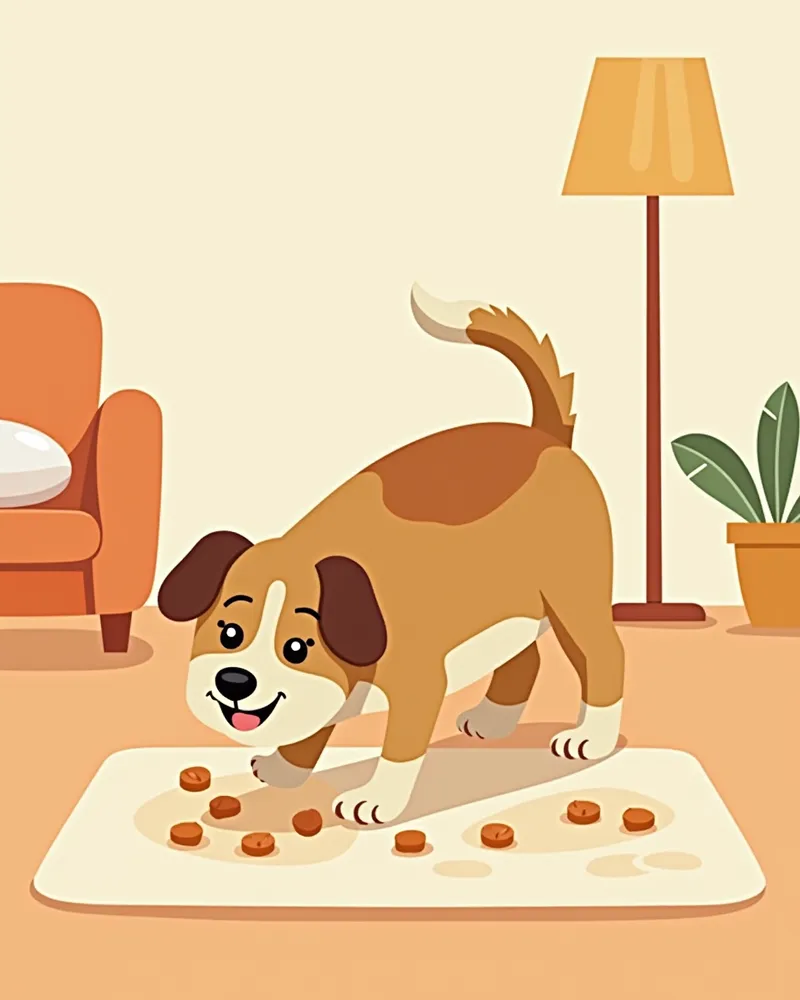
The Required Level of Enrichment Varies by Breed
Dogs with strong activity drives and working instincts require more frequent and intense mental and physical stimulation; without it, they are prone to stress and behavioral issues. For small breeds or dogs who find vigorous exercise taxing, scent-based and cognitive enrichment may be more suitable. Senior dogs benefit most from low-impact activities like nose work and short cognitive exercises, along with assisted walks if needed. Since each dog has unique needs regarding the type and intensity of stimulation, applying a one-size-fits-all approach can significantly reduce effectiveness.
Reviewed by a veterinarian

Dr. Tony — Punnawat Phongkittirak
VeterinarianA veterinarian who majored in veterinary medicine at Khon Kaen University, Thailand, and completed the IVSA program at North Carolina State University in the United States. Drawing on clinical experience at animal hospitals, he works in the pet healthcare field and is dedicated to building a digital care environment that connects pet parents with veterinarians.
Reviewed 2026-06-01
Frequently Asked Questions
Should I do enrichment activities for my dog every day?
Which enrichment toy should I start with?
Even with enrichment activities, the destructive behavior continues.
Do enrichment methods differ between puppies and senior dogs?
My dog shows no interest in enrichment toys at all.
Share
Related Guides

7 Behavioral Enrichment Strategies for Mental Stimulation Recommended by Veterinarians
Top 5 Recommended Cognitive Supplements for Cats in 2026

Top 5 Calming Supplements for Dogs and Cats in 2026
Comprehensive Guide to Lung Auscultation Findings in Dogs: Symptoms, Causes, Diagnosis, Treatment, and Management

Canine Elongated Soft Palate: Symptoms, Causes, Diagnosis, Treatment, and Management Essentials

Canine Influenza: Symptoms, Causes, Diagnosis, Treatment, and Management Essentials
Dog Bronchoscopy: Symptoms, Causes, Diagnosis, Treatment, and Management Essentials

Brachycephalic Obstructive Airway Syndrome (BOAS) in Dogs: Symptoms, Causes, Diagnosis, Treatment, and Management Essentials
Cat Lung Percussion and Thoracentesis: Symptoms, Causes, Diagnosis, Treatment, and Management Essentials
Comprehensive Guide to Feline Thoracic Radiography: Symptoms, Causes, Diagnosis, Treatment, and Management
References
[1] Horwitz, D.F. & Mills, D.S. (Eds.). BSAVA Manual of Canine and Feline Behavioural Medicine. 2nd ed. British Small Animal Veterinary Association, 2009.
[2] Howell, T.J. & Bennett, P.C. (Eds.). Veterinary Guide to Preventing Behavior Problems in Dogs and Cats. Wiley-Blackwell, 2024.
[3] Overall, K.L. Manual of Clinical Behavioral Medicine for Dogs and Cats. Elsevier Mosby, 2013.
[4] Sdao, K. Plenty in Life Is Free: Reflections on Dogs, Training and Finding Grace. Dogwise Publishing, 2012.
[5] China, L., Mills, D.S., and Cooper, J.L. (2020). Efficacy of dog training with and without electronic collars vs. a focus on positive reinforcement. Frontiers in Veterinary Science 7: 508.