Like
Share
멍실장
고양이 유치 잔존 증상과 원인, 진단·치료와 관리 포인트 총정리

Retained Deciduous Teeth in Cats: Causes and Extraction Timing Explained

Oral HealthDiseasesMeongsiljang Veterinary Advisory Board

Retained deciduous teeth in cats occur when baby teeth fail to fall out and grow alongside the permanent teeth, potentially causing oral pain and dental abnormalities. Early diagnosis and treatment are essential.

Retained Deciduous Teeth in Cats Occur When Baby Teeth Remain Alongside Permanent Teeth

A kitten’s baby tooth that remains alongside the adult tooth
Retained deciduous teeth in cats occur when baby teeth fail to fall out naturally and remain alongside the permanent teeth, which can lead to misalignment and pain. - Retained deciduous teeth: This condition occurs when baby teeth remain behind the permanent teeth or when permanent teeth grow abnormally, causing overlapping. - Primary risks: Food particles can become trapped, promoting bacterial growth and potentially leading to oral inflammation or infection. - Need for early detection: If your cat refuses to open its mouth or shows difficulty swallowing food, immediate veterinary examination is necessary. - Timing of treatment: Since retained baby teeth can interfere with the proper positioning of permanent teeth, early removal is important. - Preventive care: Regular oral examinations and monitoring of jaw development are essential.

The Main Causes of Retained Deciduous Teeth Are Delayed Shedding and Malocclusion
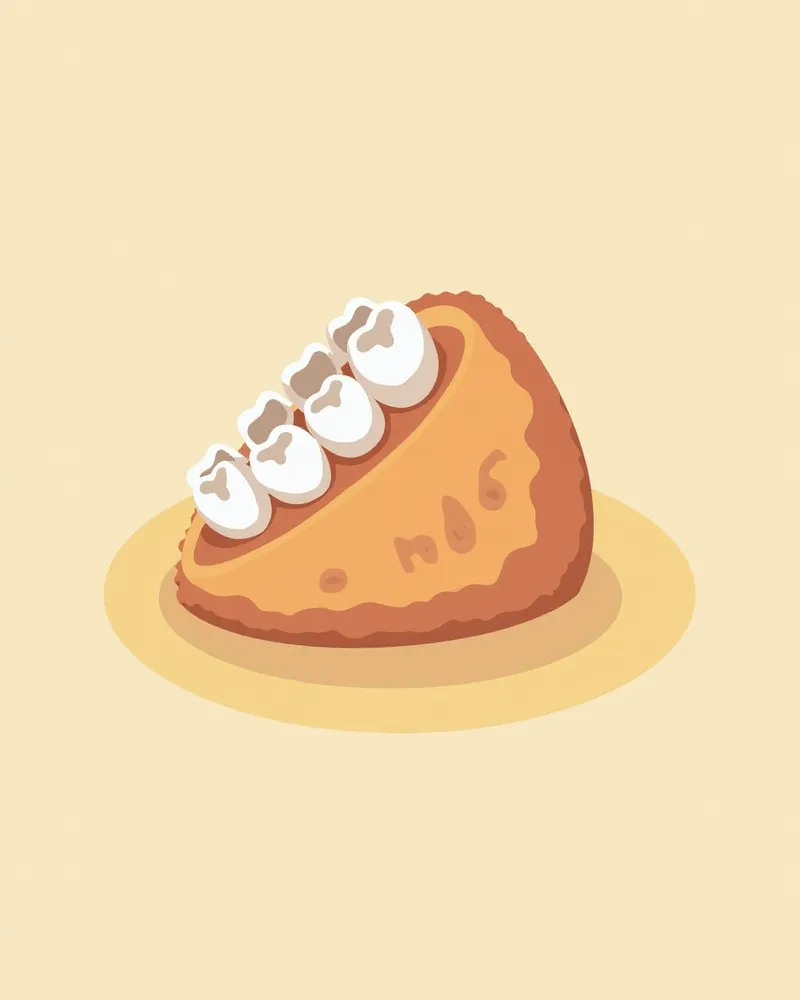
The main cause of retained deciduous teeth in cats is when baby teeth fail to fall out on time and remain in place even after the permanent teeth have erupted. - Genetic factors: Most malocclusions and abnormalities involving deciduous and canine teeth have a genetic predisposition, making them more common in certain breeds. - Jaw length malocclusion: If the upper and lower jaws are mismatched in length, it can lead to problems with tooth alignment and eruption paths. - Non-genetic factors: Systemic influences such as trauma, severe illness, nutritional deficiencies, and endocrine disorders can also affect dental development. - Breed predisposition: Certain cat breeds, such as Persians, have been reported to have a genetic predisposition to canine tooth abnormalities. - Importance of early diagnosis: Regular veterinary check-ups are essential to prevent malocclusion issues.
An anatomical illustration showing overlapping deciduous and permanent teeth in a cat's jaw.

Check for Key Symptoms and Signs

The main signs of retained deciduous teeth in cats include:
Worsening bad breath: Food gets trapped between the baby and permanent teeth, allowing bacteria to multiply.
Reluctance to open the mouth: Pain makes it difficult for your cat to swallow food.
Changes in chewing habits: Your cat may chew on only one side or drop food more often.
Oral bleeding: Irritation of the tissues around the teeth can cause bleeding.
Jaw swelling: If an infection develops, the jaw may become swollen.
If you notice any of these signs, please consult your veterinarian immediately.
A cat showing signs of pain while eating

When to Visit the Vet Immediately

If you notice bleeding in the mouth, swelling of the jaw, or severe pain while eating, please visit a veterinary clinic immediately. These could be signs of infection or bone damage. Early treatment is important because the veterinarian may need to extract the teeth under general anesthesia.

Diagnosis Is Confirmed Accurately Through Oral Examination and X-rays

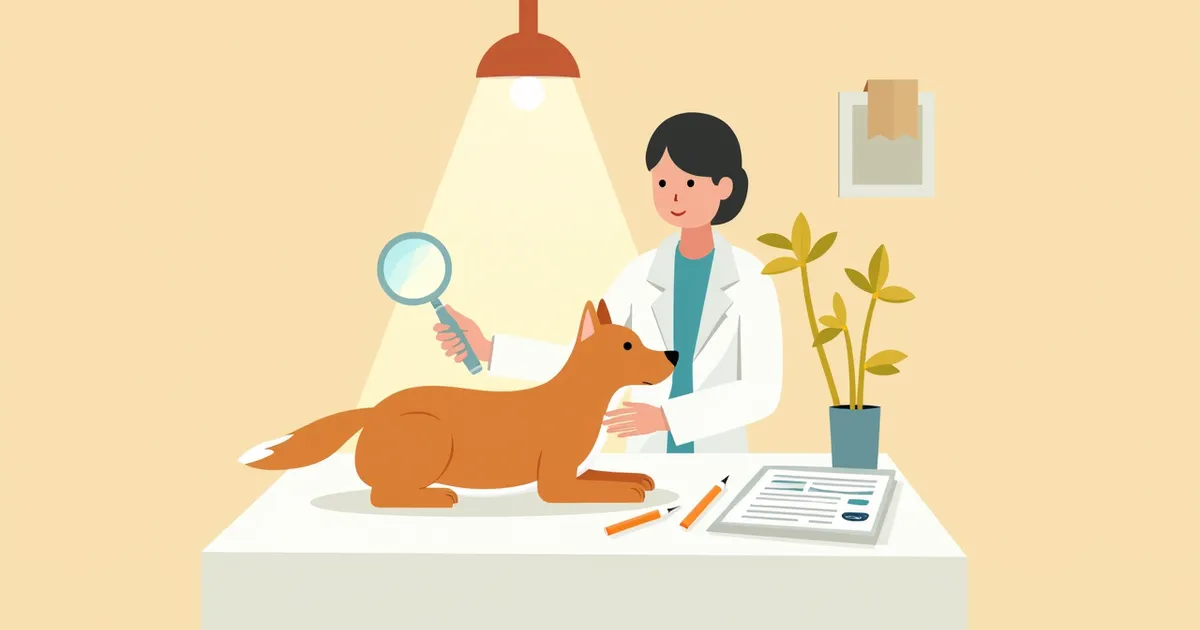
Retained baby teeth in cats are usually detected early through a veterinarian’s oral examination. - Oral Examination: The vet visually checks the positioning of baby and permanent teeth and assesses any signs of pain. - X-ray Necessity: Jaw X-rays are essential for accurately evaluating the condition of tooth roots and changes in surrounding bone. - Detailed Analysis: This helps determine if permanent teeth are growing abnormally or if baby tooth roots remain. - General Anesthesia Required: To obtain clear images, the vet will perform the procedure under general anesthesia. - Value of Early Diagnosis: Early detection leads to simpler treatment and faster recovery.
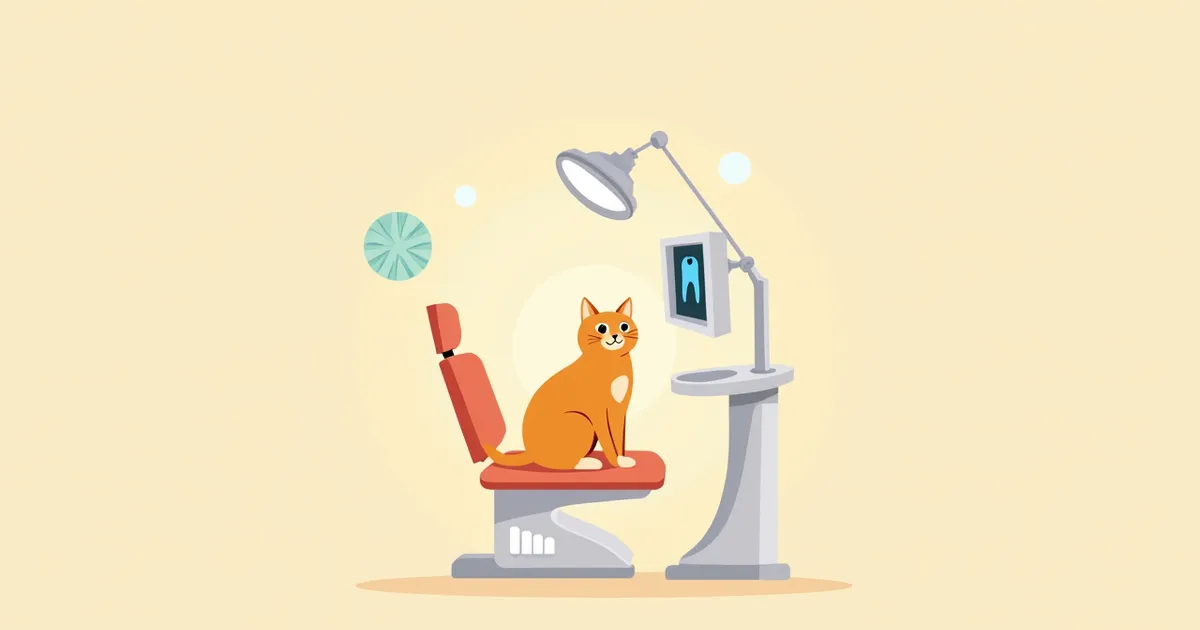
An X-ray image of a cat's jaw taken while the cat is under general anesthesia.

Treatment Centers on Baby Tooth Extraction and Orthodontic Care
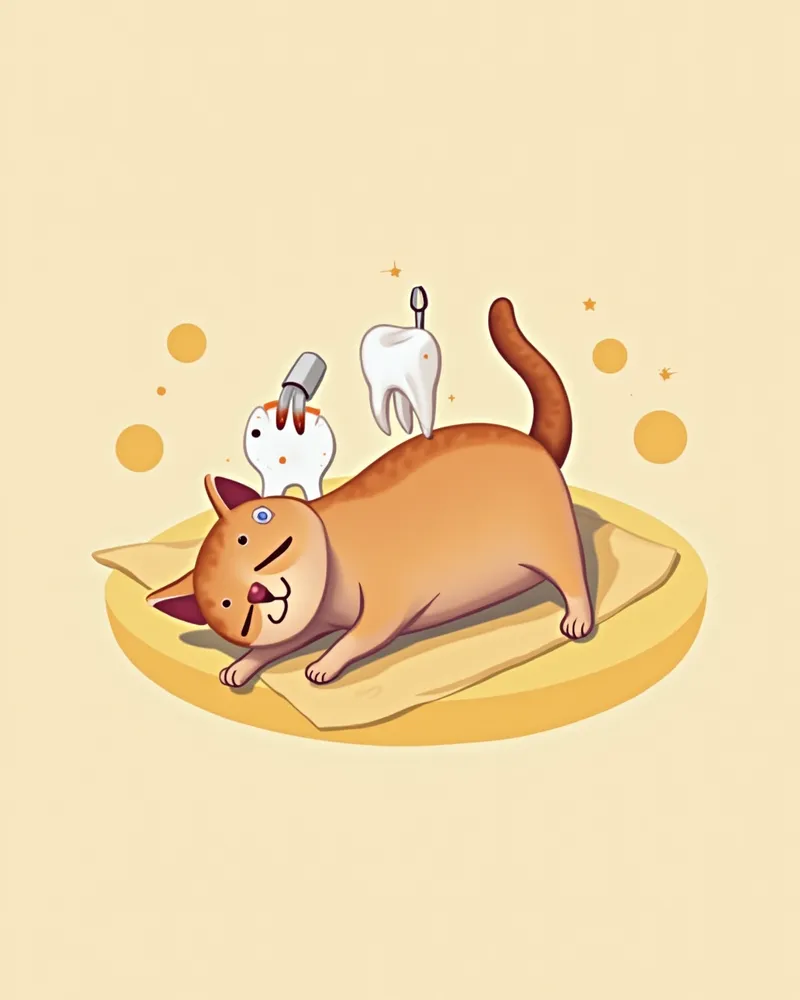
The key to treatment is removing the baby teeth. - Baby tooth extraction: The baby teeth are safely removed under general anesthesia, creating space for the permanent teeth to erupt properly. - Need for orthodontic treatment: In some cases, teeth may be positioned abnormally, requiring the use of orthodontic appliances. - Post-operative care: Pain relievers and antibiotics are prescribed to prevent infection and alleviate discomfort. - Follow-up visits are essential: Regular check-ups with your veterinarian are necessary to monitor tooth development after treatment. - Long-term management: Ongoing care is required to prevent malocclusion.
A veterinarian removing a cat's canine teeth

Checkpoints for Home Care and Prevention

Even after treatment for retained deciduous teeth, consistent care is essential.
Oral cleaning: Daily brushing is the most effective way to keep your pet’s teeth clean.
Home oral care: Regular at-home care helps prevent or improve issues like gum inflammation.
Plaque control: The key is to consistently prevent plaque buildup.
Regular check-ups: Have your pet’s mouth examined by a veterinarian every six months.
Monitor breath and gums: Frequently check for bad breath and any changes in gum condition.
These habits help maintain your pet’s dental health for the long term.
A cat enjoying a healthy meal.

Small Breeds Are at Higher Risk for Retained Deciduous Teeth

Certain cat breeds, such as Persians, have a documented genetic predisposition to dental abnormalities, including issues with the canine teeth. Since permanent canine teeth typically erupt between four and five months of age, it is important to check whether the baby teeth have fallen out normally during this period. Early detection and treatment are key to maintaining your cat’s dental health.

Reviewed by a veterinarian

Dr. Tony — Punnawat Phongkittirak

Dr. Tony — Punnawat Phongkittirak

Veterinarian

A veterinarian who majored in veterinary medicine at Khon Kaen University, Thailand, and completed the IVSA program at North Carolina State University in the United States. Drawing on clinical experience at animal hospitals, he works in the pet healthcare field and is dedicated to building a digital care environment that connects pet parents with veterinarians.

Frequently Asked Questions

My puppy’s baby teeth haven’t fallen out even after six months. Is this normal?
Kittens typically finish erupting their permanent teeth by around six months of age, so if baby teeth are still present after that point, they are likely retained deciduous teeth. Please consult your veterinarian.
How painful is baby tooth extraction surgery?
Since general anesthesia is used, your pet won’t feel any pain during the surgery. Post-operative discomfort is managed with medication.
Can removing baby teeth prevent adult teeth from growing in?
No, permanent teeth grow in normally after baby teeth are removed. In fact, it can actually improve your pet’s bite alignment.
Can I remove the retainer at home?
Absolutely not. Retained deciduous teeth have long roots, making them difficult to remove, and improper extraction can damage the bone or gums. This procedure must be performed by a veterinarian.
When should retained baby teeth be treated?
As soon as permanent teeth begin to erupt, it’s best to remove the baby teeth as quickly as possible. Don’t delay—consult your veterinarian as soon as you notice the issue.

Share

Related Guides

References

[1] American Veterinary Dental College. (2022). Feline Dental Disease: A Guide for Veterinarians and Pet Owners. AVDC Publications.

[2] Lund, E. M., & Glickman, L. T. (2003). Prevalence of dental disease in dogs and cats in the United States. Journal of the American Veterinary Medical Association, 222(1), 52–57.

[3] Plumb's Veterinary Drug Handbook, 9th Edition. (2022). Wiley-Blackwell. Chapter 12: Dental and Oral Medications.

This information is based on veterinary literature and does not replace diagnosis or treatment. Please consult a veterinarian for specific health concerns.

Metapet Co., Ltd. | CEO: Park Sung-yong | Business Reg. No. 417-88-02562 | Seoul, South Korea | Customer Center

Retained Deciduous Teeth in Cats: Causes & Extraction Timing | Meongsiljang