Like
Share
멍실장
강아지 종양 면역 치료 증상과 원인, 진단·치료와 관리 포인트 총정리

Is Immunotherapy the Answer for Our Dog’s Cancer Treatment? A Complete Guide to Its Effects and Limitations

Oncology/CancerDiseasesMeongsiljang Veterinary Advisory Board

Tumor immunotherapy for dogs strengthens the immune system to recognize and attack cancer cells. Early diagnosis and personalized care are essential.

What Is Canine Tumor Immunotherapy?

A visual image showing a dog's immune cells attacking cancer cells
Canine tumor immunotherapy is a treatment approach that strengthens the immune system to recognize and destroy cancer cells. The core principle is to help immune cells better detect and attack malignant cells. Common methods include blocking immune checkpoint molecules such as PD-1/PD-L1 or CTLA-4 to restore the suppressed attacking power of T cells, using cancer vaccines based on tumor antigens, administering monoclonal antibodies, or transferring activated immune cells through adoptive immunotherapy. This treatment is often combined with traditional surgery and chemotherapy, and complete remission may be difficult to achieve with immunotherapy alone. Since therapeutic efficacy varies depending on each dog’s immune status and the specific characteristics of the cancer, precise evaluation is essential. Regular check-ups and monitoring of treatment response are crucial throughout the course of therapy.

Main Causes and Pathogenesis of Immunotherapy
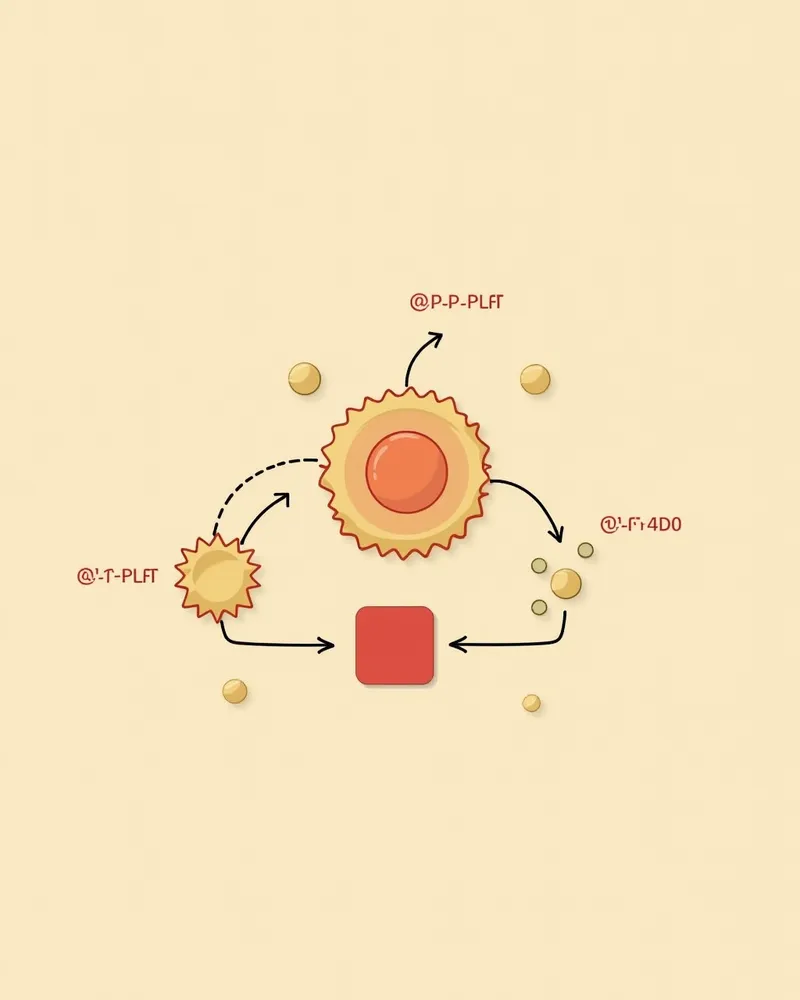
The core of canine tumor immunotherapy lies in disrupting the mechanisms that allow cancer cells to evade the immune system. Cancer cells upregulate immune checkpoint molecules to suppress T-cell attacks; blocking interactions such as those between PD-1 and PD-L1, or inhibiting CTLA-4, can restore the cytotoxic activity of previously suppressed T-cells. In some patients, blocking these checkpoint molecules can lead to long-term remission. Additionally, approaches such as cancer vaccines targeting tumor antigens or monoclonal antibodies are used to boost the immune response. However, not all cancers respond to immune checkpoint inhibitors, and if T-cells are already severely exhausted, the response may be temporary or relapse after an initial response. Therefore, a personalized approach based on the characteristics of the cancer and the strength of the immune response is essential.
A diagram explaining the PD-1/PD-L1 pathway blockade

Checklist of Main Symptoms and Signs

The main symptoms that may occur during canine tumor immunotherapy are as follows. It is important to carefully monitor these signs.
Increased fatigue: Your dog may spend more time sleeping or lying down and show little activity throughout the day.
Decreased appetite: Your dog may refuse food or eat only small amounts.
Weight loss: Your dog may experience rapid weight loss over a period of time.
Recurring fever: Your dog may develop a fever multiple times a day or maintain an elevated body temperature.
Skin reactions: Swelling, rash, or itching may occur at the injection site.
Difficulty breathing: Your dog may appear short of breath or breathe with flared nostrils.
A puppy showing signs of fatigue during immune therapy

Emergency Signs Requiring Immediate Veterinary Visit

If your pet develops a persistent fever above 39.5°C (103.1°F), experiences difficulty breathing, severe vomiting or diarrhea, bleeding, or seizures during immunotherapy, seek veterinary care immediately. These symptoms may indicate an excessive immune response or a serious adverse reaction.

Diagnostic Methods for Accurate Diagnosis
Before starting canine tumor immunotherapy, an accurate diagnosis is essential. A tissue biopsy is performed to identify the type of cancer, cell type, and genetic mutations, as well as to check for PD-L1 expression. This information serves as a key criterion for determining treatment suitability. At the same time, imaging tests such as ultrasound, CT, and MRI are used to assess tumor size and the presence of metastasis. Blood tests help evaluate overall health status and immune function. Precise diagnosis aids in developing a treatment plan and predicting treatment response.
A veterinarian performing a tumor biopsy on a dog

Step-by-Step Treatment Methods for Immunotherapy
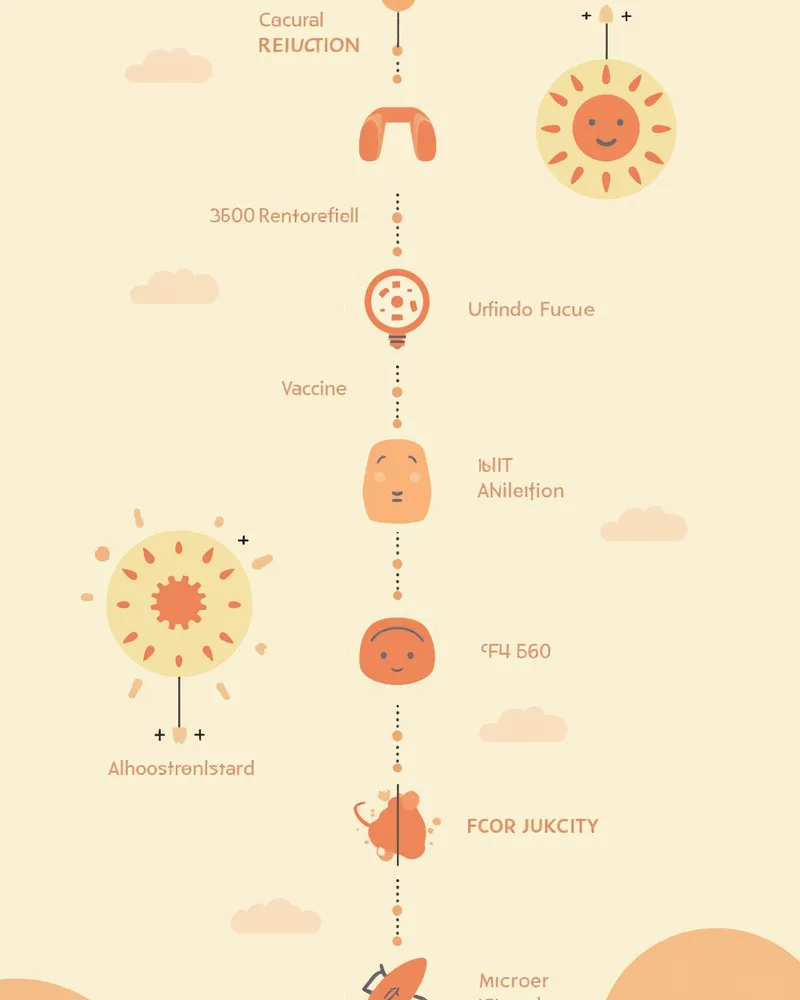
Immunotherapy is administered in stages, tailored to each patient’s condition. In many cases, surgery is performed first to remove visible tumors and control local disease, followed by stimulation of the immune response using tumor antigen-based cancer vaccines or monoclonal antibodies. For oral melanoma, for instance, local lesions are often controlled surgically before vaccine therapy is introduced. Next, immune checkpoint inhibitors that block PD-1/PD-L1 or CTLA-4 may be added to enhance T-cell activity, with radiation or chemotherapy included as needed. Monoclonal antibodies tend to be more effective when combined with other treatments rather than used alone. Treatment cycles are adjusted by the veterinarian based on the dog’s weight, response to therapy, and any side effects, and regular check-ups and response assessments are essential throughout the course of treatment.
A timeline diagram explaining the three stages of canine immunotherapy

Home Care and Management Points

During immunotherapy, daily care for your dog is crucial. Encourage regular meals and adequate water intake to help maintain their strength. Keeping the environment stable and minimizing stress can positively influence the immune response. Check the injection site daily for any abnormalities such as swelling, pain, or pus. Always follow your veterinarian’s instructions regarding vaccinations or other medications. Additionally, it is important to balance activity levels with sufficient rest to support your dog’s recovery.
A puppy resting in a calm, stable environment during immune therapy.

Preventing Recurrence and Breed-Specific Precautions

Certain breeds may be more susceptible to immune-related tumors. For example, histiocytic sarcomas are known to occur more frequently in Bernese Mountain Dogs and Flat-Coated Retrievers. Even after completing immunotherapy, regular check-ups are essential to monitor for recurrence. Additionally, since immune responses can persist beyond the end of treatment, it is important to visit the clinic immediately if any unusual symptoms appear.

Reviewed by a veterinarian

Dr. Tony — Punnawat Phongkittirak

Dr. Tony — Punnawat Phongkittirak

Veterinarian

A veterinarian who majored in veterinary medicine at Khon Kaen University, Thailand, and completed the IVSA program at North Carolina State University in the United States. Drawing on clinical experience at animal hospitals, he works in the pet healthcare field and is dedicated to building a digital care environment that connects pet parents with veterinarians.

Frequently Asked Questions

Is immunotherapy effective against all types of tumors?
It’s not effective against all tumors. Some cancers don’t respond to immune checkpoint inhibitors, while tumors with high PD-L1 expression or significant immune cell infiltration tend to show better responses.
What are the side effects of immunotherapy?
Symptoms may include fatigue, decreased appetite, fever, skin reactions, and damage to immune-related organs. While most cases are mild, severe cases require immediate veterinary attention.
How long does the treatment take?
The treatment schedule varies depending on the type of tumor and how it responds to therapy. Rather than following a fixed timeline, your veterinarian will regularly assess the response and adjust the frequency and duration of treatment accordingly.
How does the quality of life change after immunotherapy?
When the response is favorable, the tumor shrinks and the pet’s quality of life improves significantly. In some cases, long-term stability can be achieved.
Can dogs receiving immunotherapy play with other dogs?
During treatment, the immune system becomes activated, which can increase the risk of infection. Minimize contact with other dogs and allow play only in safe, controlled environments.

Share

Related Guides

References

[1] Mason, N. & Dow, S. (2021) Therapeutic Strategies in Veterinary Oncology. Wiley-Blackwell.

[2] Burton, J.H. et al. (2011) Low-dose cyclophosphamide selectively decreases regulatory T cells and inhibits angiogenesis in dogs with soft tissue sarcoma. Journal of Veterinary Internal Medicine, 25(4), 920–926.

[3] Alemany, R. et al. (2022) Systemic cellular viroimmunotherapy for canine high-grade gliomas. Journal for Immunotherapy of Cancer, 10(12), e005669.

This information is based on veterinary literature and does not replace diagnosis or treatment. Please consult a veterinarian for specific health concerns.

Metapet Co., Ltd. | CEO: Park Sung-yong | Business Reg. No. 417-88-02562 | Seoul, South Korea | Customer Center

Is Immunotherapy the Answer for Your Dog's Cancer? | Meongsiljang