Like
Share
멍실장
강아지 심부전 병기(ACVIM 분류) 증상과 원인, 진단·치료와 관리 포인트 총정리

Complete Guide to Canine Heart Failure Stages (ACVIM) — Symptoms and Treatment Timing by Stage

HeartDiseasesMeongsiljang Veterinary Advisory Board

The ACVIM classification system divides canine heart failure into four stages based on the severity of cardiac dysfunction. Accurately understanding the symptoms and treatment strategies for each stage enables early intervention.

Canine Heart Failure Stages (ACVIM Classification) Represent the Progression of Cardiac Dysfunction

Visualizing Stage 4 of Canine Congestive Heart Failure (ACVIM Classification)
The ACVIM classification system for canine heart failure divides the progression of heart disease into four stages: A, B, C, and D. Accurate staging is essential because the level of risk and treatment strategy vary by stage.
Stage A: Dogs are at high risk of developing heart disease but show no structural abnormalities yet. This includes predisposed breeds.
Stage B: Structural heart abnormalities are present, but clinical signs of heart failure are absent. This stage is subdivided into B1 (low risk) and B2 (high risk).
Stage C: Dogs currently or previously exhibit clinical signs of heart failure, such as coughing or difficulty breathing.
Stage D: This end-stage heart failure does not respond well to standard treatments and requires intensive care.

The Main Causes of Heart Failure Stages Are Structural Abnormalities and Functional Decline of the Heart
The main causes of congestive heart failure in dogs are structural abnormalities and functional decline of the heart. The most common culprits are heart valve disease, cardiomyopathy, and cardiac arrhythmias.
Heart valve disease: When valves fail to close properly, blood leaks backward. Myxomatous mitral valve disease (MMVD) is particularly common.
Cardiomyopathy: The heart muscle weakens, reducing its ability to contract. Dilated cardiomyopathy (DCM) is a prime example.
Cardiac arrhythmias: Irregular or rapid heartbeats impair blood circulation, potentially leading to fainting or exercise intolerance.
Hypertension: Chronic high blood pressure places extra strain on the heart and can be linked to heart disease.
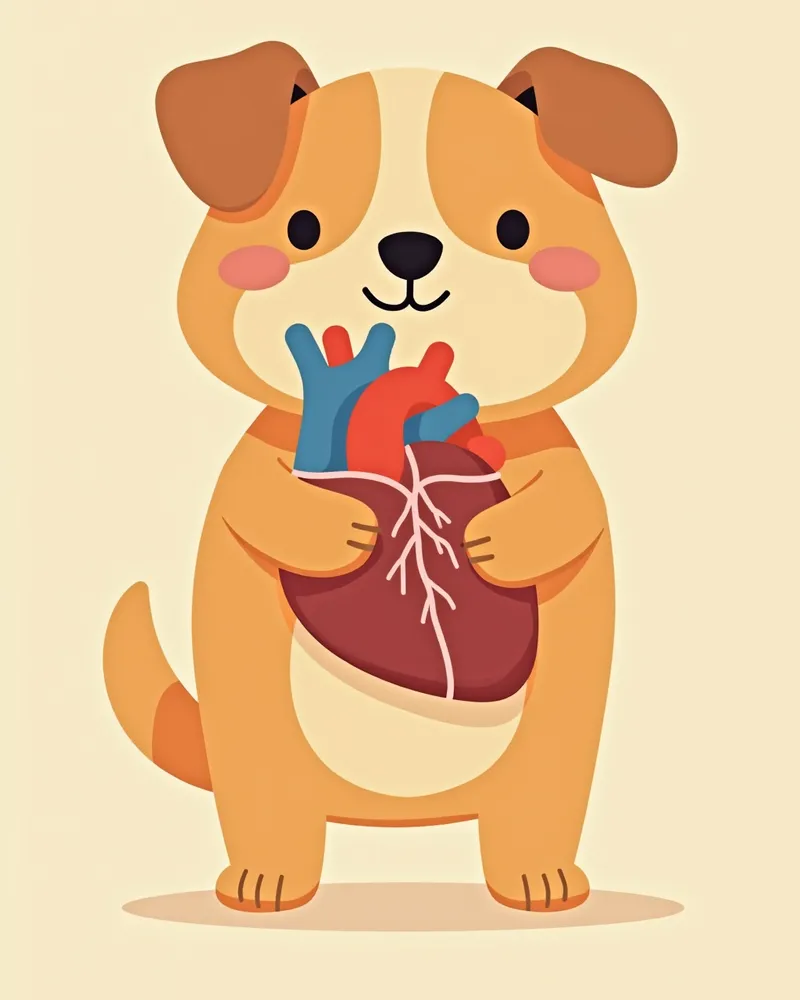
Visualizing the causes of heart abnormalities in dogs

Understand the Key Symptoms and Signs for Each Stage

The symptoms of canine heart failure vary depending on the stage of progression. Careful observation is essential for early detection.
Coughing: This often occurs, especially at night or after exercise. It is caused by pulmonary edema or an enlarged heart pressing on the bronchi.
Difficulty breathing: You may frequently notice rapid, labored breathing or gasping.
Fatigue: Your dog may tire easily and show exercise intolerance, avoiding physical activity.
Abdominal distension: In right-sided heart failure, fluid accumulation (ascites) causes the abdomen to swell. This is common in Stage C and later.
Fainting: A sudden drop in blood flow to the brain or arrhythmias can cause your dog to collapse unexpectedly.
Symptoms of Canine Congestive Heart Failure: Coughing, Difficulty Breathing, Fatigue

Symptoms Requiring Immediate Veterinary Visit

If your dog suddenly starts panting heavily, faints, or develops a bluish tint to its mouth or tongue, you should go to the vet immediately. These are signs that heart failure has worsened rapidly.

Diagnosis Is Performed Using Echocardiography, Electrocardiography, and Thoracic Radiographs
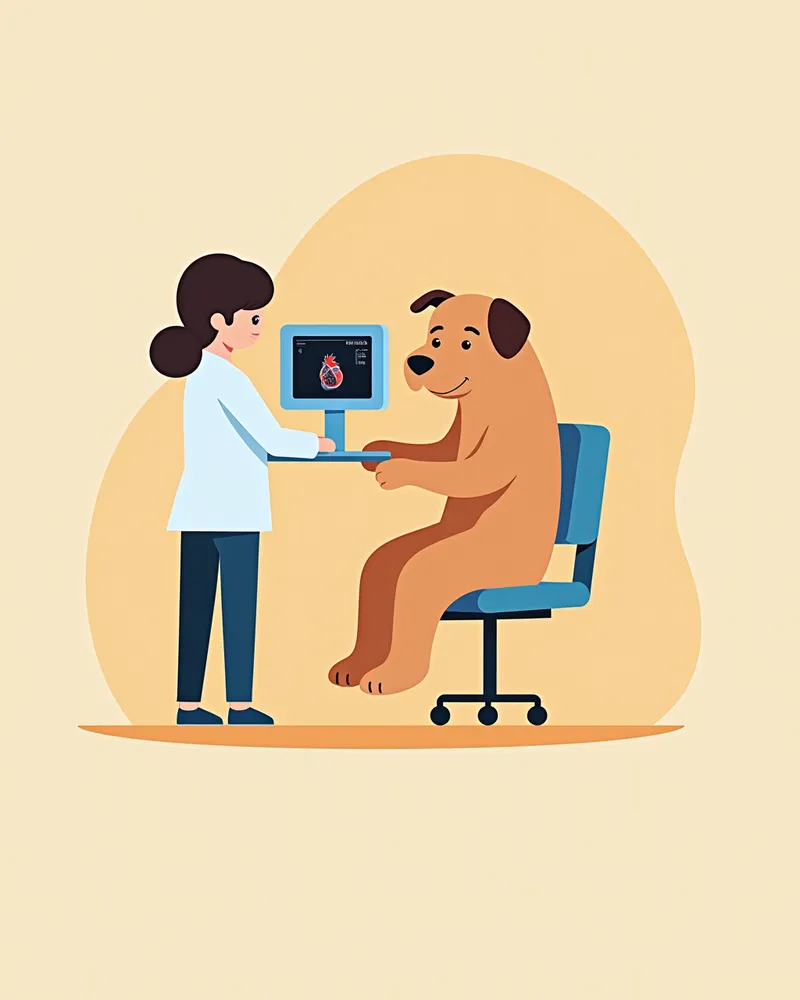
Diagnosing the stage of congestive heart failure in dogs involves echocardiography, electrocardiography, and thoracic radiographs. These tests allow for an accurate assessment of heart size, valve condition, and blood flow.
Echocardiography: This test provides real-time visualization of the heart’s structure and function, making it the most critical diagnostic tool for staging the disease.
Electrocardiography: This measures the rhythm and rate of the heartbeat to detect any arrhythmias.
Thoracic Radiographs: These images check for fluid accumulation in the lungs and enlargement of the heart.
Blood Tests: These evaluate kidney function and inflammation levels, providing valuable information for staging and developing a treatment plan.
Scene of a puppy undergoing an echocardiogram (heart ultrasound) examination

Treatment Varies by Stage and Combines Medication and Lifestyle Management

Treatment for canine heart failure combines medication and lifestyle management, tailored to the specific stage of the disease. Because treatment goals vary at each stage, accurate classification is essential.
Stage A: Since there are no structural abnormalities, no specific heart medications are used. Management focuses on addressing risk factors and monitoring through regular check-ups.
Stage B: This stage involves structural abnormalities but no clinical symptoms. Progress is tracked via regular cardiac ultrasounds, and treatment decisions are made based on the veterinarian’s assessment.
Stage C: This stage is characterized by the onset of heart failure symptoms. Medications, primarily loop diuretics (such as furosemide), are used in combination to alleviate symptoms.
Stage D: This stage involves cases that do not respond well to standard treatments. It requires intensive therapy with a combination of multiple medications and careful monitoring.
List of medications for treating canine congestive heart failure

Home Management Is Key to Reducing the Workload on the Heart

Managing canine heart failure centers on adjusting daily habits at home, with the goal of reducing the workload on the heart.
Dietary Management: Feed a cardiac prescription diet recommended by your veterinarian, and closely monitor your dog’s appetite and food intake.
Exercise Management: Avoid strenuous activity and opt for short, gentle walks instead.
Weight Management: Obesity places extra strain on the heart, but conversely, weight loss can occur as heart failure progresses. Sudden weight loss may indicate a poor prognosis, so it’s important to monitor this closely.
Stress Reduction: Maintain a calm environment and avoid sudden noises or changes that could startle your pet.
Regular Check-ups: Monitor your dog’s condition through regular veterinary visits and at-home tracking, such as counting respiratory rate during sleep.
Home Care for Dogs with Heart Failure: Diet, Exercise, and Stress Reduction

Certain Breeds Have a Higher Risk of Developing Heart Failure Stages

Certain breeds have a genetic predisposition that puts them at higher risk for structural heart abnormalities, such as heart valve disease or cardiomyopathy. Because breed is a known risk factor for the progression of heart disease, regular cardiac check-ups are especially important for these breeds.

Reviewed by a veterinarian

Dr. Tony — Punnawat Phongkittirak

Dr. Tony — Punnawat Phongkittirak

Veterinarian

A veterinarian who majored in veterinary medicine at Khon Kaen University, Thailand, and completed the IVSA program at North Carolina State University in the United States. Drawing on clinical experience at animal hospitals, he works in the pet healthcare field and is dedicated to building a digital care environment that connects pet parents with veterinarians.

Frequently Asked Questions

What does Stage D heart failure mean in dogs?
Stage D represents end-stage heart failure that does not respond well to standard treatment. Symptoms are pronounced, and life expectancy may be shortened.
Should medication be started at stage A?
No. In stage A, there are no structural abnormalities or symptoms, so specific heart medications are not used. Management involves controlling risk factors and regular check-ups.
Why is staging heart failure important?
Because the level of risk and the treatment strategy vary depending on the disease stage, accurate staging helps guide the selection of appropriate treatment and enables early intervention.
Why do dogs in Stage C heart failure often experience frequent coughing?
Coughing occurs when fluid accumulates in the lungs due to pulmonary edema, or when an enlarged heart presses on the airways. It is a symptom that appears when the heart is unable to pump blood effectively.
What is the most important aspect of managing heart failure stages?
The most important aspects are adjusting your pet's lifestyle habits at home and conducting regular monitoring. The key is to reduce the burden on the heart through the diet and exercise regimen recommended by your veterinarian.

Summary of Treatment and Management for Canine Heart Failure by Stage

ItemMain SymptomsMain TreatmentLifestyle Management Points
Stage ANo symptomsNo specific cardiac medicationRisk factor management, regular checkups
Stage BNo symptomsRegular monitoring (treatment at veterinarian's discretion)Echocardiographic follow-up
Stage CCoughing, difficulty breathingCombined medication including loop diureticsExercise restriction, regular monitoring
Stage DSevere difficulty breathing, faintingIntensive combination drug therapyComplete rest, frequent monitoring

Treatment by stage may vary depending on the veterinarian's diagnosis and prescription.

Share

Related Guides

References

[1] Handbook of Veterinary Pharmacology, 2023, Chapter 307: Drugs Used in Heart Failure Therapy

[2] Notes on Canine Internal Medicine, 4th Edition, 2022, Section 7.51: Management of Congestive Heart Failure

[3] Textbook of Cardiovascular Medicine in Dogs and Cats, 2021, Chapter 7.19: Therapeutic Approaches to Chronic Heart Failure

This information is based on veterinary literature and does not replace diagnosis or treatment. Please consult a veterinarian for specific health concerns.

Metapet Co., Ltd. | CEO: Park Sung-yong | Business Reg. No. 417-88-02562 | Seoul, South Korea | Customer Center

Canine Heart Failure Stages (ACVIM): Symptoms & Treatment | Meongsiljang