

Panting and a pot-belly in your dog: A guide to pituitary Cushing’s symptoms and treatment options
Pituitary tumors are the most common cause of Cushing’s disease in dogs. We’ve outlined the diagnostic process, treatment options such as trilostane and radiation therapy, and key points for home care.
What are pituitary tumors and Cushing’s disease in dogs?

Why does it happen? Understanding the pathogenesis at a glance
Suspect Cushing’s if you notice these signs

When to seek immediate veterinary care
Cushing’s disease typically progresses slowly, but the sudden onset of neurological symptoms may indicate a pituitary macroadenoma—a large tumor that presses on surrounding brain tissue. If your pet experiences stumbling, circling to one side, seizures, sudden vision loss, or lethargy lasting more than 24 hours, seek veterinary care immediately. An MRI may be necessary.
How is Cushing’s disease diagnosed?
Comparison of key diagnostic tests
| Item | ACTH Stimulation Test | Low-Dose Dexamethasone Suppression Test | Abdominal Ultrasound |
|---|---|---|---|
| Purpose | Confirm cortisol response | Confirm negative feedback | Measure adrenal size |
| Accuracy | Moderate | High | Supplementary |
| Time Required | About 1 hour | 8-hour hospitalization | 20–30 minutes |
| Treatment Monitoring Possible | True | False | False |
Test selection depends on the dog's condition and the clinic's environment. Decide in consultation with your veterinarian.
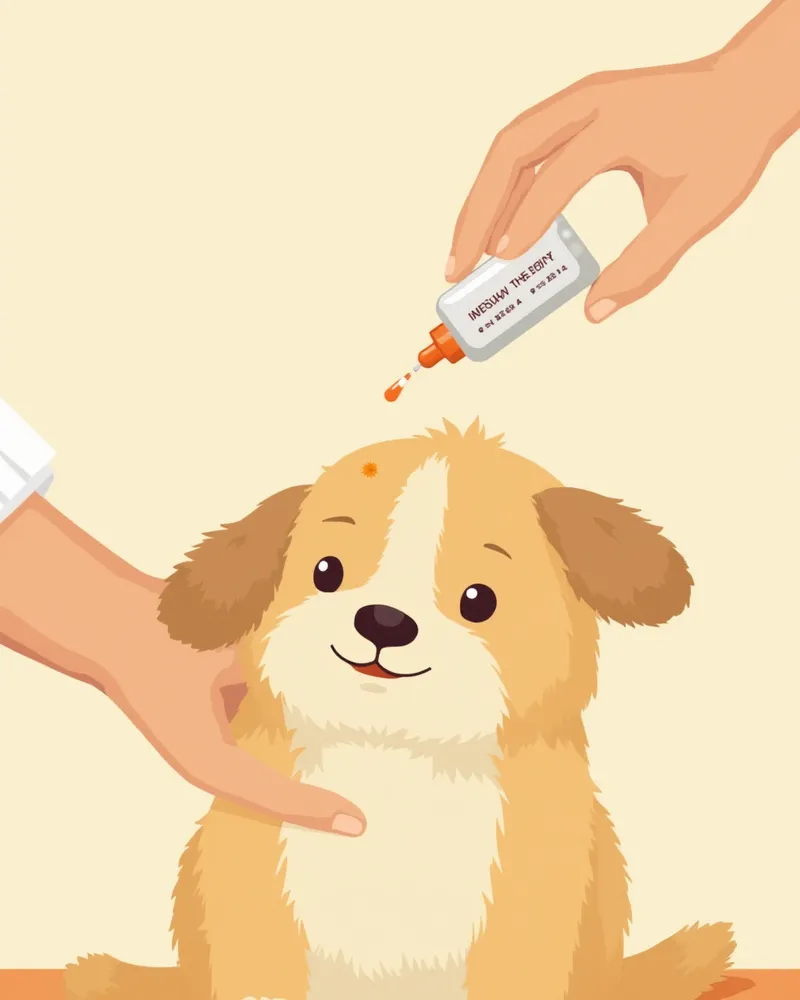
Treatment options — Trilostane as the first-line choice
Surgery and radiation therapy — When to consider them?
Key home care points to monitor
How to recognize medication side effects
Trilostane is generally well-tolerated, but in rare cases, it can cause a side effect of excessively low cortisol levels (hypocortisolism). If your pet suddenly shows lethargy, loss of appetite, vomiting, diarrhea, and tremors at the same time, stop the medication immediately and contact your veterinarian. In emergency situations, intravenous fluids and steroid supplementation may be required. Do not adjust the dose on your own; always modify it based on test results.
Reviewed by a veterinarian

Dr. Tony — Punnawat Phongkittirak
VeterinarianA veterinarian who majored in veterinary medicine at Khon Kaen University, Thailand, and completed the IVSA program at North Carolina State University in the United States. Drawing on clinical experience at animal hospitals, he works in the pet healthcare field and is dedicated to building a digital care environment that connects pet parents with veterinarians.
Reviewed 2026-05-07
Frequently asked questions
How long can a dog with Cushing’s disease live?
Will my pet need to take medication for the rest of its life?
Which is better, trilostane or mitotane?
Is an MRI absolutely necessary?
Is there a specific diet that’s good for dogs with Cushing’s disease?
Share
Related Guides

Top 5 Prescription Dog Foods for Diabetes Recommended by Veterinarians — Blood Sugar-Stabilizing Food Comparison
7 Key Products for Managing Feline Hypercalcemia Recommended by Veterinarians and Selection Criteria
7 Key Points for Canine Thyroid T4 Testing by Veterinarians — From Timing to Result Interpretation

If Your Cat’s Eyes Are Cloudy and Hazy — Causes of Corneal Edema and When to Visit the Vet
Canine Thyroid T4 Test: From Lethargy and Hair Loss Warning Signs to Diagnostic Timing – A Complete Guide

If Only Your Dog’s Flank Hair Is Falling Out — Key Points on Seasonal Alopecia Symptoms, Diagnosis, and Management

If Your Dog Keeps Trembling and Stiffening — Causes and Treatment Points for Hypocalcemia

If Your Dog Suddenly Loses Vision — Causes of Endocrine Hypertension and When to Test

If You Feel a Lump on Your Cat’s Neck — Diagnosis and Treatment Points for Thyroid Nodules and Cysts

My Cat Is Acting Strange After Giving Birth — Warning Signs and Management of Hormonal Abnormalities During Pregnancy and Lactation
References
[1] Warman S., The dog with hyperadrenocorticism, in 100 Top Consultations in Small Animal General Practice, Ch. 74
[2] BSAVA Manual of Canine and Feline Dermatology, 4th Ed — Hyperadrenocorticism (Trilostane therapy section)
[3] Clinical Medicine of the Dog and Cat, 4th Ed — Trilostane therapy in adrenal disease
[4] Perez-Alenza D., Trilostane dosing in canine hyperadrenocorticism, 2017