Like
Share
멍실장
강아지 안검내반 증상과 원인, 진단·치료와 관리 포인트 총정리

Dog Entropion: Symptoms, Causes, Diagnosis, Treatment, and Care Essentials

Eye HealthDiseasesMeongsiljang Veterinary Advisory Board

Entropion in dogs is a condition where the eyelid margin rolls inward, causing persistent irritation to the cornea. If left untreated, it can lead to corneal ulcers, making early detection and treatment essential.

What Is Entropion in Dogs?
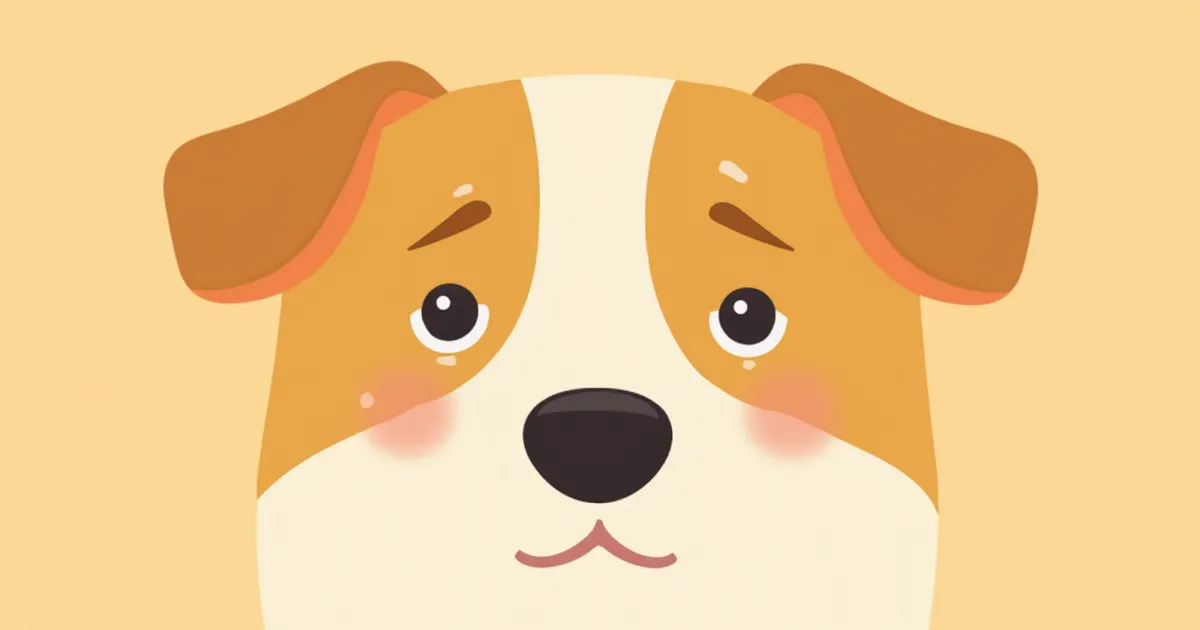
A puppy with tears streaming down its face due to entropion
Entropion in dogs is a condition where the eyelid margin rolls inward, causing the eyelashes and skin to constantly rub against the cornea. Early detection is key. Persistent irritation from the eyelashes can lead to corneal inflammation and ulcers, and in severe cases, may result in vision loss. If you notice increased tearing or frequent squinting, seek a veterinary examination promptly.

Causes of Entropion — Congenital and Acquired

Entropion is broadly classified into congenital and acquired forms.
Congenital (developmental): This occurs when a dog is born with a genetic predisposition for the eyelid to roll inward. It is closely associated with structural abnormalities such as excessively long eyelids or loose skin and facial wrinkles. It is common in brachycephalic breeds with prominent facial folds, such as Shar-Peis, Chow Chows, and English Bulldogs, as well as in large breeds with loose facial skin, such as Saint Bernards, Clumber Spaniels, and English Mastiffs. Signs may appear at a young age.
Acquired: This form can develop as a result of scarring from eyelid trauma or chronic inflammation (cicatricial entropion), or it may occur secondary to pain or eyelid spasms (spastic entropion).

Key Symptoms Checklist

We recommend a veterinary checkup if your pet shows two or more of the following symptoms:
Excessive tearing: The fur around the eyes is consistently damp, or there are noticeable tear stains.
Frequent blinking or squinting: Your pet closes or rubs their eyes more often, especially in bright light.
Increased eye discharge: There is more sticky, yellowish-green discharge than usual.
Eye rubbing: Your pet scratches around their eyes with their paws or rubs their face on the floor.
Corneal cloudiness: If the pupil appears cloudy, it may indicate ongoing corneal damage.
Puppies with entropion, a condition characterized by excessive eye discharge and tearing

Signs That Require Immediate Veterinary Attention

If your pet’s cornea becomes cloudy (the pupil appears hazy or bluish), the eyelids are severely rolled inward so the eye can barely open, or they suddenly rub their eyes intensely or show signs of pain, they need to see a vet within 24 hours. If a corneal ulcer deepens, it can lead to perforation (a hole in the cornea).

Diagnostic Methods

The veterinarian first examines the eyelids and cornea using a slit lamp to assess the degree of inward rolling and the condition of the cornea. If necessary, a topical anesthetic is applied to determine whether the pain originates from the eyelids, conjunctiva, or cornea, and to check for any spasmodic components. Corneal damage is assessed using fluorescein staining, and tear production is measured with a Schirmer tear test to evaluate for dry eye. If an acquired cause is suspected, additional tests may be performed to identify underlying factors such as trauma or chronic inflammation.

Treatment — Surgery Is Key

The definitive treatment for entropion is surgery, which aims to correct the inverted eyelid and eliminate corneal irritation.
Temporary correction: In puppies under six months of age, temporary sutures are used to monitor the condition, as the eyelid structure may change as the dog grows.
Hotz-Celsus procedure: This is the most commonly performed eyelid reconstructive surgery, which corrects the inversion by excising a portion of the affected skin.
Pre- and post-operative eye drops: Antibiotic and artificial tear eye drops are prescribed to protect the cornea and prevent infection.
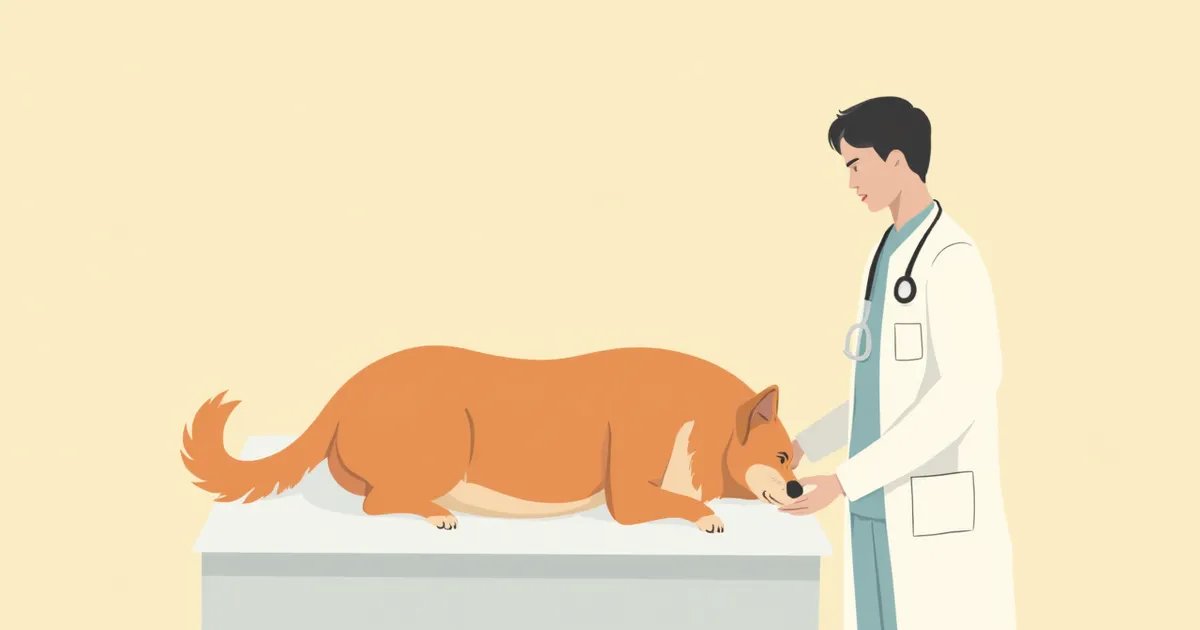
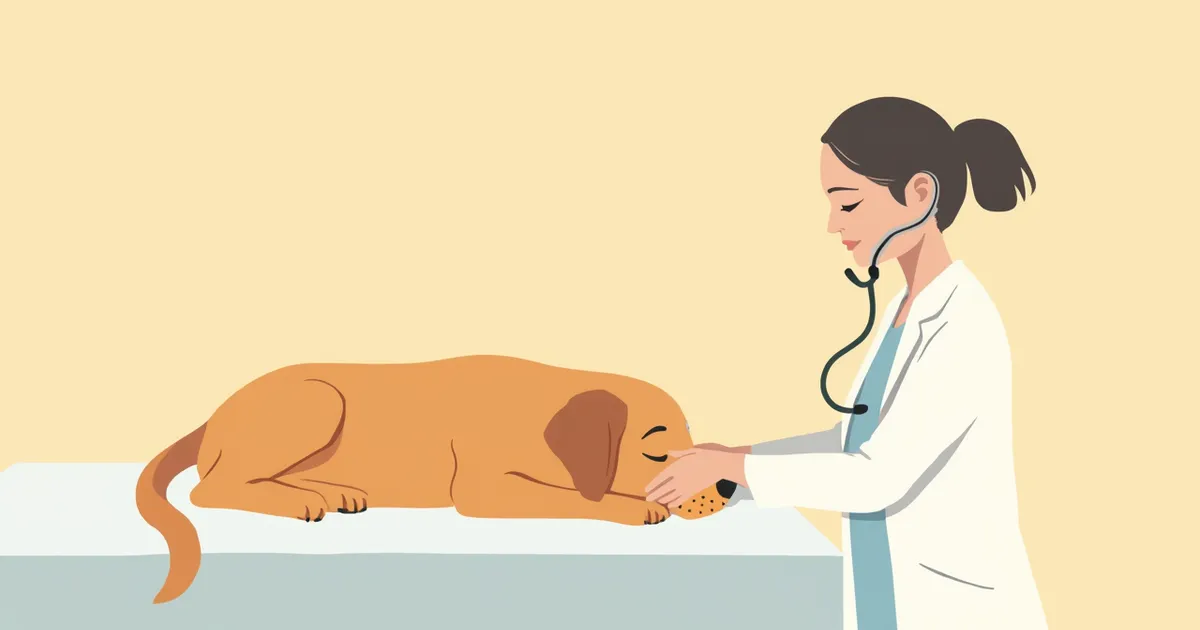
A veterinarian carefully examining a puppy’s eyes.

Post-Surgical Home Care Points

Here are the key points for post-surgical care:
Wear an Elizabethan collar: Scratching the suture site increases the risk of infection, so keep the collar on for at least 10–14 days.
Administer eye drops on schedule: Ensure the prescribed antibiotic and artificial tears are applied without missing any doses.
Restrict activity: Avoid strenuous exercise for 1–2 weeks after surgery, and prevent dust or water from coming into contact with the eye.
Follow-up visits: Sutures are typically removed 10–14 days after surgery, so a return visit is essential.
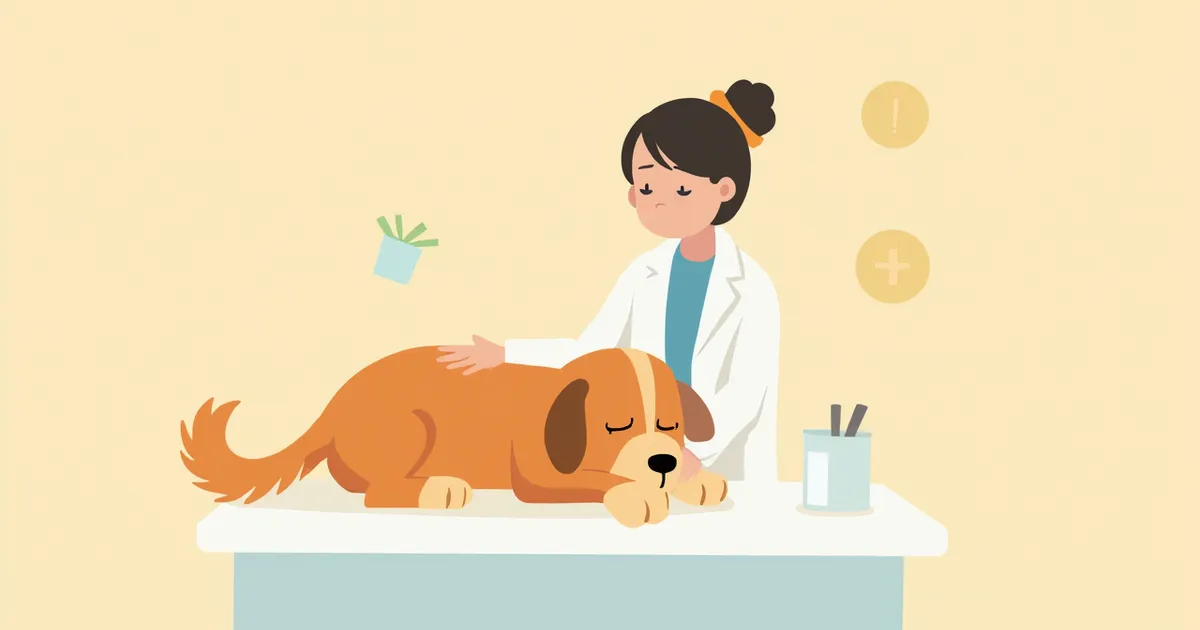
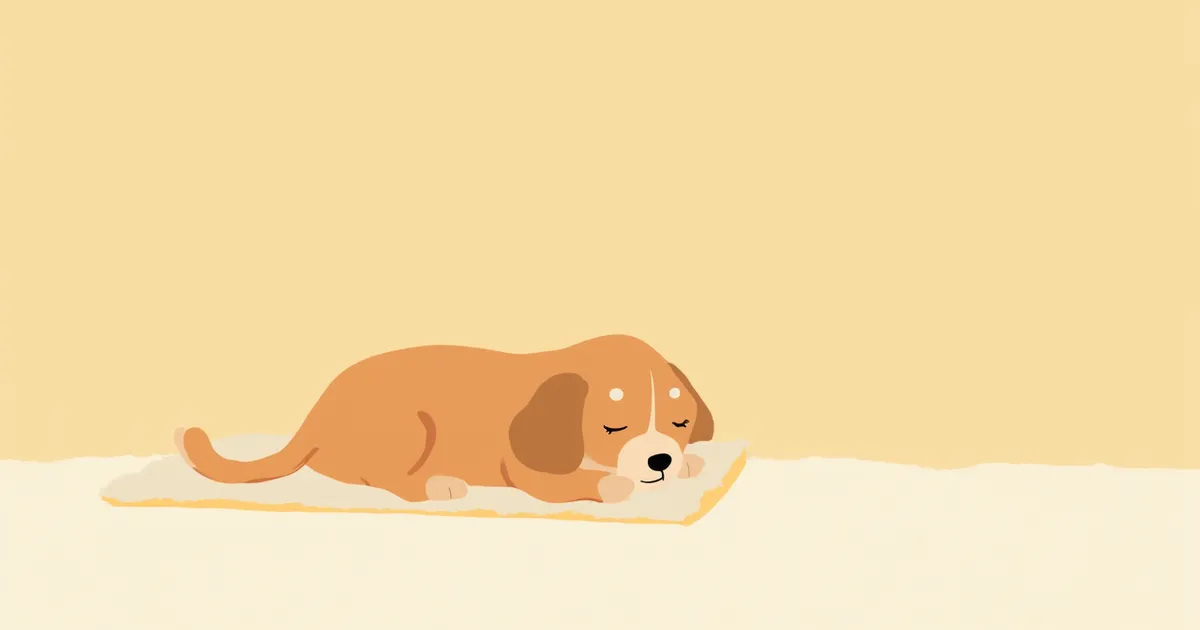
A dog resting while wearing a neck collar after entropion surgery

Breeds That Require Regular Eye Exams

Shar-Peis, Chow Chows, and English Bulldogs are prone to entropion due to their facial wrinkles and eyelid structure, and there is a risk of recurrence even after surgery. Large breeds with loose facial skin, such as Saint Bernards, Clumber Spaniels, English Mastiffs, and Newfoundlands, also have a higher structural predisposition to this condition. If you own one of these breeds, it is advisable to have regular ophthalmic exams to check the status of the eyelids and cornea, even if no symptoms are present.

Reviewed by a veterinarian

Dr. Tony — Punnawat Phongkittirak

Dr. Tony — Punnawat Phongkittirak

Veterinarian

A veterinarian who majored in veterinary medicine at Khon Kaen University, Thailand, and completed the IVSA program at North Carolina State University in the United States. Drawing on clinical experience at animal hospitals, he works in the pet healthcare field and is dedicated to building a digital care environment that connects pet parents with veterinarians.

Frequently Asked Questions

Can entropion resolve on its own without surgery?
Congenital cases are unlikely to resolve on their own and typically require surgery. However, in puppies under six months of age, the anatomy may change as they grow, so temporary suturing may be used while monitoring their progress. Acquired cases may improve once the underlying cause is treated.
Can entropion recur after surgery?
Breed with many facial wrinkles, such as the Shar-Pei, may experience recurrence even after surgery. It is important to detect issues early through regular check-ups and consult with your veterinarian about whether additional corrective treatment is needed.
Does excessive tearing in dogs always indicate entropion?
Not necessarily. Excessive tearing can be caused by a variety of factors, including conjunctivitis, dry eye, blocked tear ducts, and allergies. A veterinary examination is necessary to accurately identify the underlying cause.
Can puppies also develop entropion?
Yes, congenital entropion is present from birth. However, since a puppy’s facial structure can change as it grows, your veterinarian will monitor its development to determine the optimal timing for treatment.
Can entropion be prevented?
Since congenital cases are genetic, complete prevention is difficult. However, promptly treating eye conditions like conjunctivitis can reduce the risk of acquired cases. For at-risk breeds, regular veterinary check-ups are the best course of action.

Share

Related Guides

References

[1] Gelatt KN, Gilger BC, Kern TJ. Veterinary Ophthalmology, 5th Ed. Wiley-Blackwell, 2013.

[2] Maggs DJ, Miller PE, Ofri R. Slatter's Fundamentals of Veterinary Ophthalmology, 5th Ed. Elsevier, 2013.

[3] Côté E. Clinical Veterinary Advisor: Dogs and Cats, 3rd Ed. Elsevier Mosby, 2015.

This information is based on veterinary literature and does not replace diagnosis or treatment. Please consult a veterinarian for specific health concerns.

Metapet Co., Ltd. | CEO: Park Sung-yong | Business Reg. No. 417-88-02562 | Seoul, South Korea | Customer Center

Dog Entropion: Symptoms, Causes, Diagnosis & Treatment | Meongsiljang