Like
Share
멍실장
고양이 울혈성심부전 증상과 원인, 진단·치료와 관리 포인트 총정리

If Your Cat Is Constantly Short of Breath and Coughing — Warning Signs of Congestive Heart Failure and When to Go to the Vet

HeartDiseasesMeongsiljang Veterinary Advisory Board

Feline congestive heart failure is a heart condition in which the heart fails to pump blood effectively, leading to fluid accumulation in the lungs and abdominal cavity. We’ve put together a comprehensive guide covering everything from causes and treatments with diuretics and ACE inhibitors to how you can monitor your cat’s breathing at home.

What Is Feline Congestive Heart Failure?
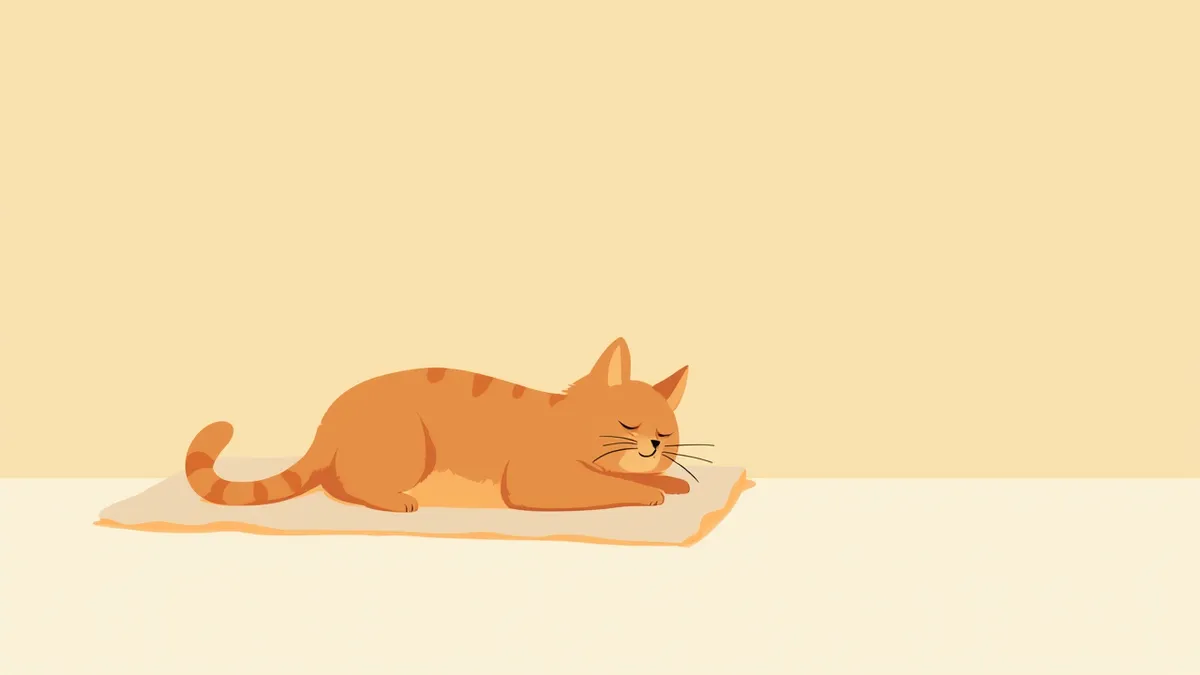
A cat showing early signs of congestive heart failure
Feline congestive heart failure is a circulatory disorder in which the heart cannot pump enough blood throughout the body, causing fluid to accumulate in the lungs or abdominal cavity. Early detection is crucial. Although early-stage symptoms may be subtle, the condition can progress suddenly to severe respiratory distress. If you notice your cat breathing with its mouth open, breathing more than 30 times per minute, or having bluish gums, seek emergency veterinary care immediately.

Why Does It Happen? — Causes and Pathogenesis

The most common cause of congestive heart failure in cats is hypertrophic cardiomyopathy (HCM). In HCM, the heart muscle thickens abnormally, narrowing the ventricular chambers and impairing efficient blood circulation, which leads to fluid backing up and accumulating in the lungs. Other potential causes include dilated cardiomyopathy (DCM), valvular disease, and congenital heart defects. Because DCM can be associated with taurine deficiency, proper dietary management is also important.

Check for These Symptoms — Key Symptom Checklist
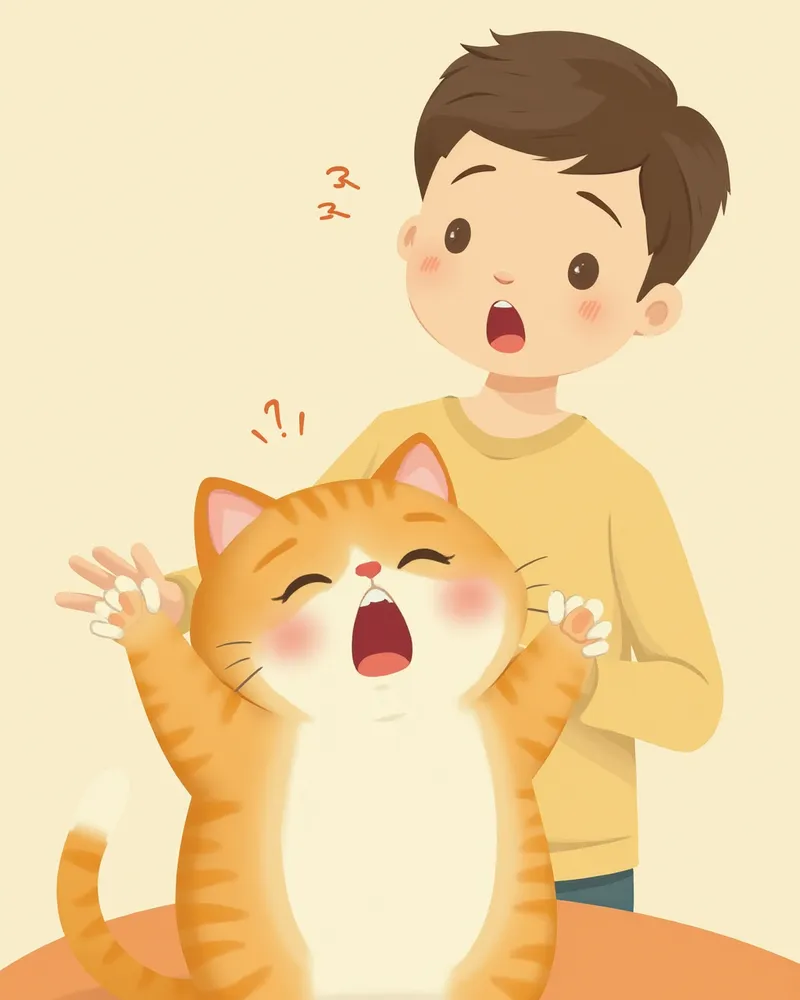
Abnormal breathing: Rapid, shallow breaths or breathing with the mouth open
Abdominal breathing: Exaggerated breathing where the entire abdomen rises and falls noticeably
Coughing: Unlike dogs, cats rarely cough due to congestive heart failure. If your cat is coughing, it’s more likely a respiratory issue such as bronchitis or lung disease rather than heart failure. Don’t assume heart problems based on coughing alone—veterinary evaluation is essential to determine the cause.
Decreased activity: Lethargy and reduced appetite
Pale or blue gums: White or bluish gums or tongue indicate an emergency
Abdominal distension: Visible swelling of the abdomen due to fluid accumulation
Cats showing signs of respiratory distress

Go to an Emergency Veterinary Hospital Immediately — These Signs Cannot Wait

If your cat is breathing with its mouth open or making loud, labored breaths, seek emergency veterinary care immediately. Cyanosis, where the gums and tongue turn blue or pale, and sudden collapse with an inability to stand are also critical signs of severe oxygen deprivation. During transport, keep your cat as calm and still as possible, as stress itself can rapidly worsen their condition.

How Is It Diagnosed? — Diagnostic Methods
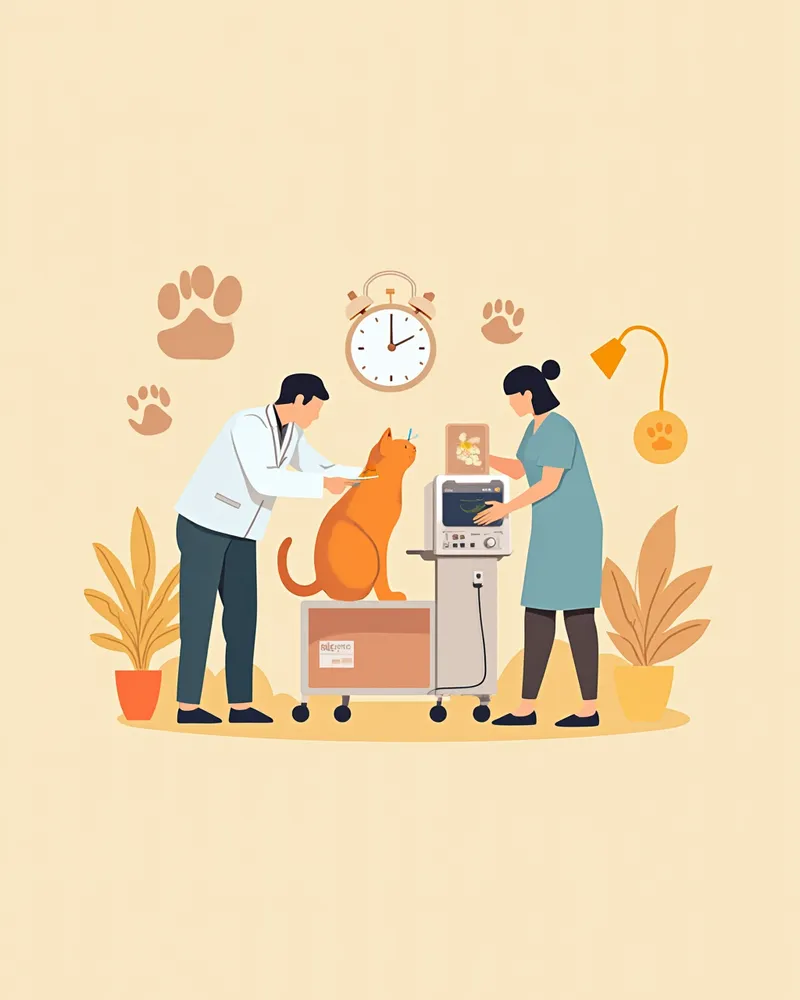
Chest X-ray: This is the first test to check for fluid buildup in the lungs.
Echocardiogram (Echo): This allows real-time evaluation of heart muscle thickness, valve function, and blood flow.
Blood tests: These measure cardiac stress markers (BNP) along with kidney function indicators.
Blood pressure measurement: This checks for concurrent hypertension and helps determine the treatment approach.
Diagnosis is made by combining results from multiple tests. A definitive diagnosis is never based on a single test alone.
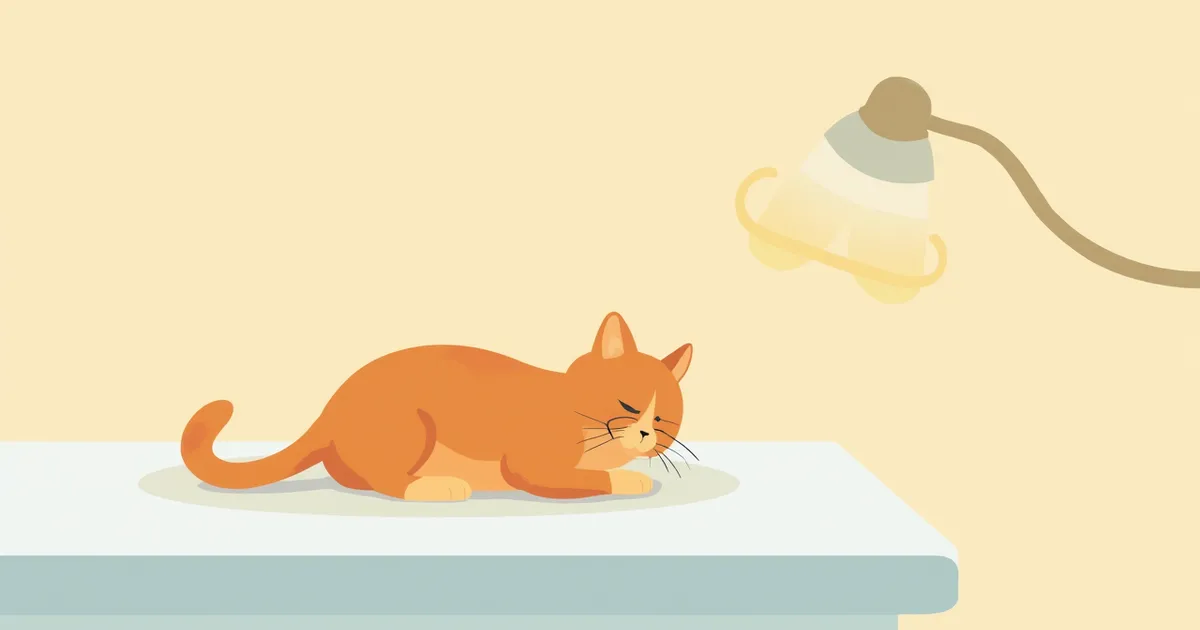
Scene of a cat undergoing an echocardiogram (heart ultrasound) examination.

How Is It Treated? — Stages of Pharmacological Treatment

Diuretics (Furosemide): Quickly eliminate fluid buildup in the lungs and abdominal cavity. Administered via injection in emergencies, then switched to oral medication for maintenance once stable. Diuretics form the cornerstone of pharmacological treatment for feline heart failure.
ACE Inhibitors (Enalapril, Benazepril): Medications that reduce the workload on the heart, working alongside diuretics as a fundamental pillar of heart failure therapy.
Antithrombotics (Clopidogrel): Feline cardiomyopathy is frequently accompanied by arterial thromboembolism (ATE). Therefore, antithrombotic agents are often prescribed concurrently to prevent blood clots.
Heart Rate and Arrhythmia Control (Beta-Blockers, Calcium Channel Blockers): These medications are used to regulate heart rate and manage arrhythmias when the heart beats too rapidly or irregularly.
Additional medications, such as pimobendan, are used selectively based on the cat’s cardiac condition. Dosages and administration schedules are determined by your veterinarian according to the cat’s body weight and kidney function values.

Management Points You Can Do at Home

Monitor respiratory rate: Count how many times your cat’s chest rises and falls in one minute while they are resting. If the rate exceeds 30 breaths per minute, contact your veterinarian.
Low-sodium or prescription diet: High sodium intake can worsen fluid retention. Switch to a diet recommended by your veterinarian.
Minimize stress: Loud noises and unfamiliar environments can strain the heart. Provide a quiet and comfortable space.
Adhere strictly to the medication schedule: Skipping doses of diuretics can cause a rapid decline in your cat’s condition.
A pet owner monitoring their cat's respiratory rate at home

Breed-Specific Precautions — High-Risk Breeds for Hypertrophic Cardiomyopathy

Maine Coons and Ragdolls are well-known breeds with a confirmed genetic mutation (MYBPC3) associated with hypertrophic cardiomyopathy (HCM). Cats that are homozygous for this mutation (carrying it on both alleles) are at high risk for severe HCM from a young age. HCM is inherited in an autosomal dominant pattern with incomplete penetrance, meaning that even cats with the mutation can vary widely in when and how severely the disease manifests. Since HCM can occur in breeds other than Maine Coons and Ragdolls, high-risk breeds should undergo regular cardiac ultrasound screenings, even if they show no symptoms. The course of HCM varies significantly; while some cats live their entire lives without major issues, others may progress to congestive heart failure, arterial thromboembolism, or sudden death, so vigilance is essential.

Reviewed by a veterinarian

Dr. Tony — Punnawat Phongkittirak

Dr. Tony — Punnawat Phongkittirak

Veterinarian

A veterinarian who majored in veterinary medicine at Khon Kaen University, Thailand, and completed the IVSA program at North Carolina State University in the United States. Drawing on clinical experience at animal hospitals, he works in the pet healthcare field and is dedicated to building a digital care environment that connects pet parents with veterinarians.

Frequently Asked Questions

Is congestive heart failure in cats curable?
This condition is more about management than a complete cure. The goal is to control symptoms with medication, prevent fluid buildup, and maintain your cat’s quality of life. With proper care, many cats can live stably for months to even years.
Won’t long-term use of diuretics put a strain on the kidneys?
Diuretics can affect kidney function, which is why it’s important to monitor kidney values through regular blood tests. Your veterinarian will continuously adjust the dosage based on your pet’s kidney condition.
How do you measure your pet’s respiratory rate at home?
When your cat is resting quietly or sleeping, count one full rise and fall of the chest as one breath. The number of breaths counted in one minute is the respiratory rate. A normal range is 20–30 breaths per minute; if it exceeds 30, contact your veterinarian.
What kind of food should I feed my pet?
Diets low in sodium can help reduce fluid retention. It’s also important to choose a product that contains adequate taurine. Please consult your veterinarian to determine the most appropriate diet for your pet.
What should I do if my pet suddenly collapses?
Please take your cat to the nearest emergency veterinary clinic immediately. During transport, keep your cat as calm and comfortable as possible, laying them down gently. It is important to minimize any stimulation or stress. Do not attempt to treat the condition yourself; leave it to the professionals.

Share

Related Guides

References

[1] Tilley LP, Smith FWK Jr. Textbook of Cardiovascular Medicine in Dogs and Cats. Wiley-Blackwell, 2016.

[2] Riviere JE, Papich MG. Handbook of Veterinary Pharmacology. Wiley-Blackwell, 2009.

[3] Dobson J, Lascelles BDX (eds). 100 Top Consultations in Small Animal General Practice. Wiley-Blackwell, 2011.

[4] Nelson RW, Couto CG. Notes on Canine Internal Medicine, 4th Ed. Wiley-Blackwell, 2014.

This information is based on veterinary literature and does not replace diagnosis or treatment. Please consult a veterinarian for specific health concerns.

Metapet Co., Ltd. | CEO: Park Sung-yong | Business Reg. No. 417-88-02562 | Seoul, South Korea | Customer Center

Cat Congestive Heart Failure: Warning Signs & When to See a Vet | Meongsiljang