Like
Share
멍실장
고양이 확장성 심근증(DCM) 증상과 관리

Feline Dilated Cardiomyopathy (DCM): Symptoms and Management

HeartQ&AMeongsiljang Veterinary Advisory Board

We’ve put together everything pet owners need to know about feline dilated cardiomyopathy (DCM), from its definition and symptoms to diagnosis and management.

What is Feline Dilated Cardiomyopathy (DCM)?

A cat lying comfortably on the examination table
Feline dilated cardiomyopathy is a myocardial disease in which the left ventricular muscle thins and stretches, leading to a significant decline in the heart's contractile force. Early detection is truly crucial. If you notice signs such as rapid breathing or hindlimb paralysis, seek emergency veterinary care immediately. Although the incidence rate has dropped significantly since taurine deficiency was identified as the primary cause in the 1980s and taurine levels in commercial pet foods were standardized, this condition has not been completely eradicated.

Causes: Why Does It Occur?

There are two main causes. The first is taurine deficiency. Cats need to consume taurine consistently through their diet, and while this condition rarely occurs in cats fed commercially available cat food that is adequately supplemented with taurine, the risk increases significantly if they have been on a long-term diet of homemade meals, dog food, or plant-based diets. The second cause is idiopathic, meaning the cause is unknown. This refers to cases where cardiac muscle function declines despite normal taurine levels. While it appears to result from a combination of various factors, the exact mechanism has not yet been fully elucidated. Currently, feline DCM is a rare disease and is considered a diagnosis of exclusion, meaning it is diagnosed only after other potential causes have been ruled out.

Checklist of Key Symptoms That Are Easy to Miss
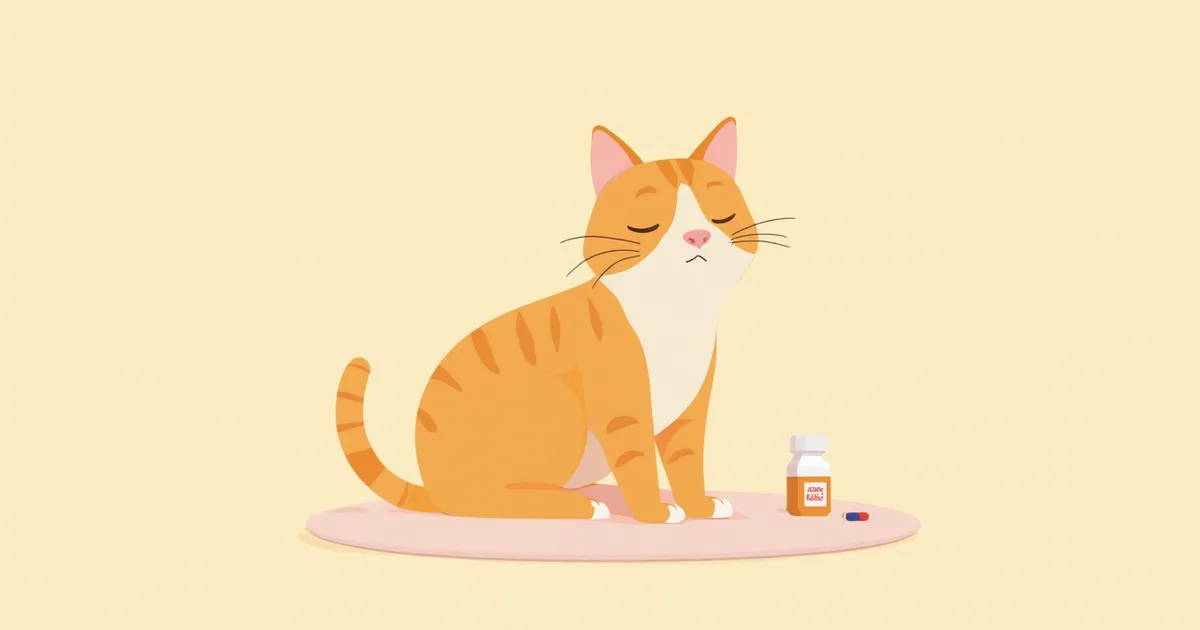
Cats are masters at hiding their symptoms, so it can be difficult for owners to notice problems in the early stages. If you observe any of the following signs, your cat needs immediate veterinary care.
Abnormal breathing: Breathing noticeably faster or more labored than usual while resting or sleeping, or breathing with an open mouth.
Lethargy: Spending more time lying down than usual and avoiding play or jumping.
Loss of appetite: Refusing favorite treats and experiencing weight loss.
Hind limb paralysis: Sudden inability to use the hind legs or coldness in the limbs (a sign of thromboembolism).
Changes in gum color: Gums appearing pale or bluish.
A close-up of a cat’s face that appears to be having some difficulty breathing.

DCM vs. HCM Comparison

ItemDilated cardiomyopathy (DCM)Hypertrophic cardiomyopathy (HCM)
Heart muscle conditionThinned and stretchedThickened
IncidenceRare (since taurine-enriched food)Most common cardiomyopathy
Main causeTaurine deficiency, idiopathicGenetic predisposition
Effect of taurine supplementationPossibility of recoveryNot applicable
PrognosisVaries by causeLarge individual variation

Both conditions are based on veterinary internal medicine textbooks, and accurate differentiation is possible with echocardiography.

How Is It Diagnosed?
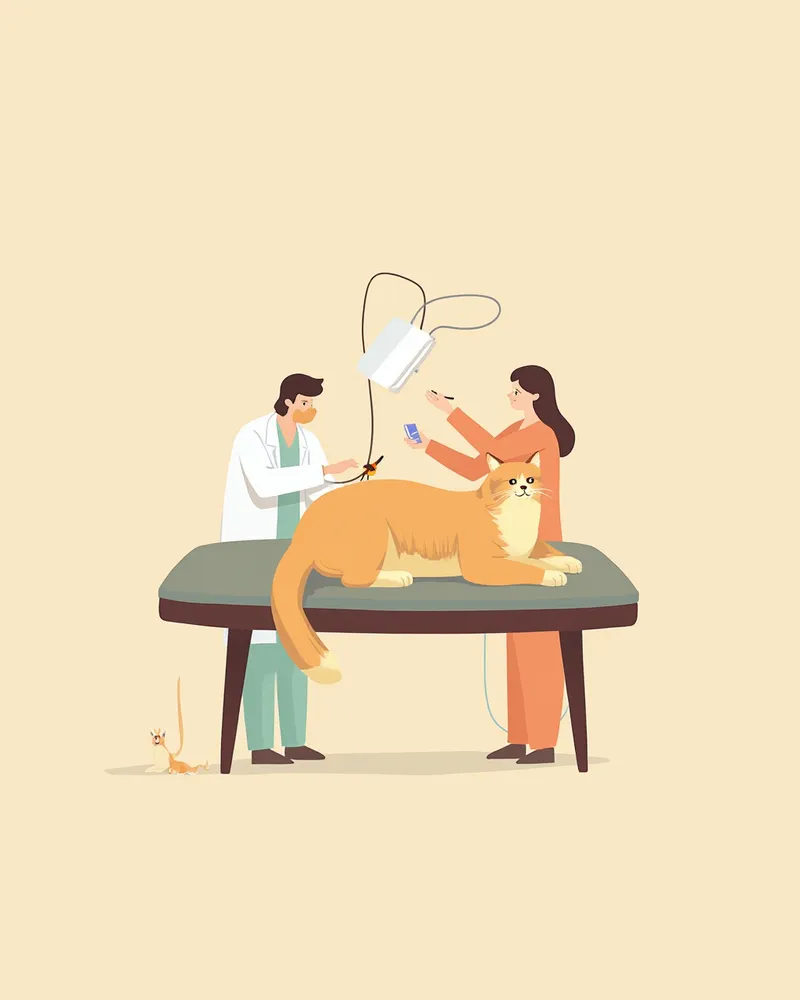
The cornerstone of diagnosis is an echocardiogram (cardiac ultrasound). According to veterinary internal medicine textbooks, echocardiography is the most sensitive non-invasive test for differentiating feline cardiomyopathies. It allows direct visualization of left ventricular dilation and reduced contractility. Additional tests typically include thoracic radiographs (to assess heart size and pulmonary edema), blood work (taurine levels and NT-proBNP), blood pressure measurement, and thyroid function testing. It is essential to rule out hypertension and hyperthyroidism, which can present with similar clinical signs.
A veterinarian performing an echocardiogram on a cat

Emergency Signs Requiring Immediate Veterinary Care

If you notice any of the following signs, seek emergency veterinary care immediately at a 24-hour clinic, regardless of the time of day. The most dangerous complication of feline dilated cardiomyopathy (DCM) is arterial thromboembolism, which causes sudden hindlimb paralysis and severe pain, with a very narrow window for effective treatment. • Sudden hindlimb paralysis and vocalization of pain • Open-mouth breathing • Pale or bluish gums and tongue • Resting respiration that is noticeably faster or more labored than usual • Fainting or collapse

Treatment and Home Care Points
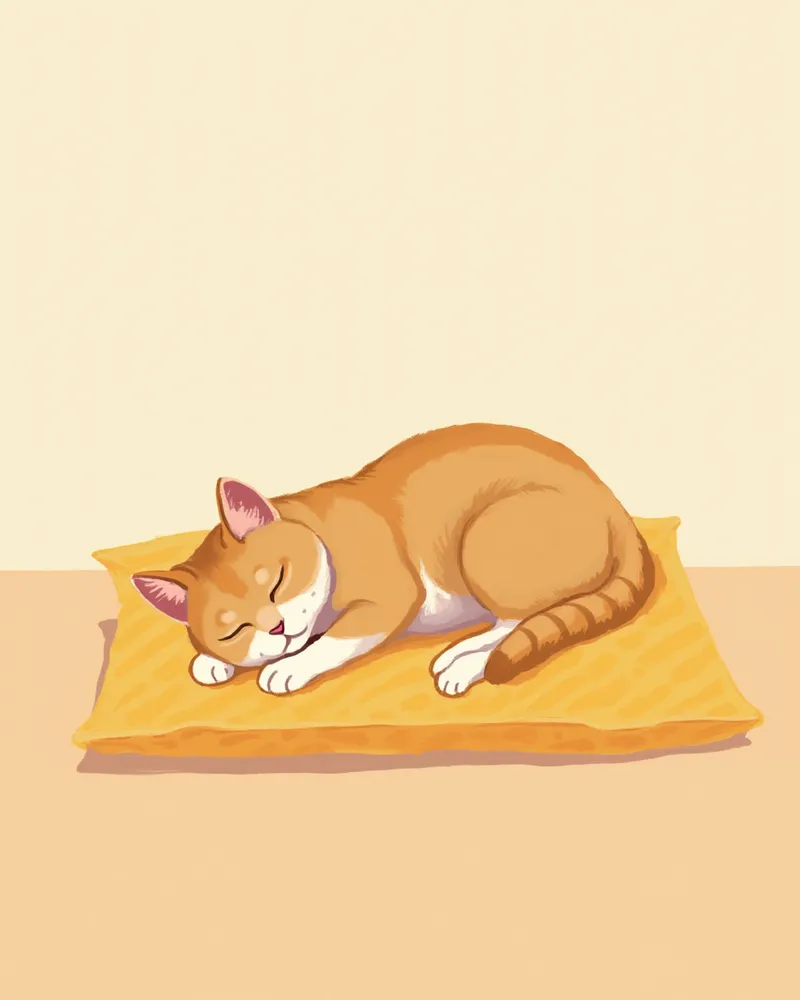
Treatment depends on the underlying cause and the stage of heart failure. In taurine-deficient dilated cardiomyopathy (DCM), cardiac function may recover over several months with taurine supplementation. For idiopathic cases, veterinarians prescribe medications to manage heart failure symptoms—such as diuretics and ACE inhibitors—tailored to the cat’s weight and condition. The most important aspect of home care is recording the resting respiratory rate. Count one complete rise and fall of your sleeping cat’s chest as one breath, and measure for one minute. If the rate is noticeably faster than usual or your cat appears to be struggling to breathe, seek veterinary care immediately.
A pet owner observing their sleeping cat's breathing

Prevention and Lifestyle Management

While there’s no foolproof prevention method, you can significantly reduce the risk.
Balanced commercial cat food: The safest option is to feed a commercially prepared cat food with standardized taurine levels.
Caution with home-cooked diets: If you must prepare homemade meals, consult a veterinary nutritionist to ensure proper taurine supplementation.
Never feed dog food: Dog food lacks sufficient taurine, making long-term feeding dangerous for cats.
Regular health checkups: Cats aged 7 and older should have their heart auscultated and blood pressure checked annually.
Stress management: Sudden environmental changes can put extra strain on the heart.

Breed-Specific Precautions

Certain breeds, such as Maine Coons and Ragdolls, have a known predisposition to hereditary cardiomyopathy, primarily hypertrophic cardiomyopathy. However, in feline dilated cardiomyopathy (DCM), the specific causative genetic mutations have not yet been clearly identified, with only complex inheritance patterns reported. Nevertheless, for these at-risk breeds, establishing a baseline heart condition through echocardiography at a young age allows for earlier detection of any changes. Since no breed is entirely free from the risk of feline cardiomyopathy, it is safest to have your cat undergo a cardiac exam if you notice any abnormal symptoms. Additionally, regular check-ups are crucial for senior cats with hyperthyroidism or hypertension, as they may have underlying cardiomyopathy.

Reviewed by a veterinarian

Dr. Tony — Punnawat Phongkittirak

Dr. Tony — Punnawat Phongkittirak

Veterinarian

A veterinarian who majored in veterinary medicine at Khon Kaen University, Thailand, and completed the IVSA program at North Carolina State University in the United States. Drawing on clinical experience at animal hospitals, he works in the pet healthcare field and is dedicated to building a digital care environment that connects pet parents with veterinarians.

Frequently Asked Questions

Can DCM be cured by simply supplementing taurine?
In cases of taurine-deficient DCM, heart function can recover over several months. However, since taurine supplementation has limited efficacy in idiopathic DCM, identifying the underlying cause is essential first.
Is feline DCM a curable condition?
It’s more about management than a complete cure. While taurine-deficiency cases can potentially recover, idiopathic cases focus on controlling symptoms and preventing complications.
How can I measure my pet’s respiratory rate at home?
Count one full rise and fall of your resting cat’s chest as one breath, and measure for one minute. If the breathing rate is noticeably faster than usual, or if the breaths appear labored or difficult, visit a veterinary clinic immediately. Since normal respiratory rates can vary from cat to cat, it’s best to establish your pet’s individual baseline with your regular veterinarian in advance.
Is it safe to vaccinate a cat with DCM?
If your pet’s condition is stable, it’s usually possible, but you should always discuss the timing with your primary veterinarian. It’s best to postpone on days when stress levels are high.
Is wet food better than dry food?
While it doesn’t directly affect DCM itself, increased water intake can help reduce the burden on the kidneys and heart. As long as you’re feeding a balanced commercial diet, you can choose the form based on your pet’s preference.

Share

Related Guides

References

[1] Textbook of Cardiovascular Medicine in Dogs and Cats, Feline Cardiomyopathies Chapter

[2] The Cat, Clinical Medicine and Management, 2nd Edition, Cardiovascular Disease Chapter

[3] Pion PD et al., Myocardial failure in cats associated with low plasma taurine, Science, 1987

This information is based on veterinary literature and does not replace diagnosis or treatment. Please consult a veterinarian for specific health concerns.

Metapet Co., Ltd. | CEO: Park Sung-yong | Business Reg. No. 417-88-02562 | Seoul, South Korea | Customer Center

Cat DCM Symptoms, Causes & Management: Complete Guide | Meongsiljang