
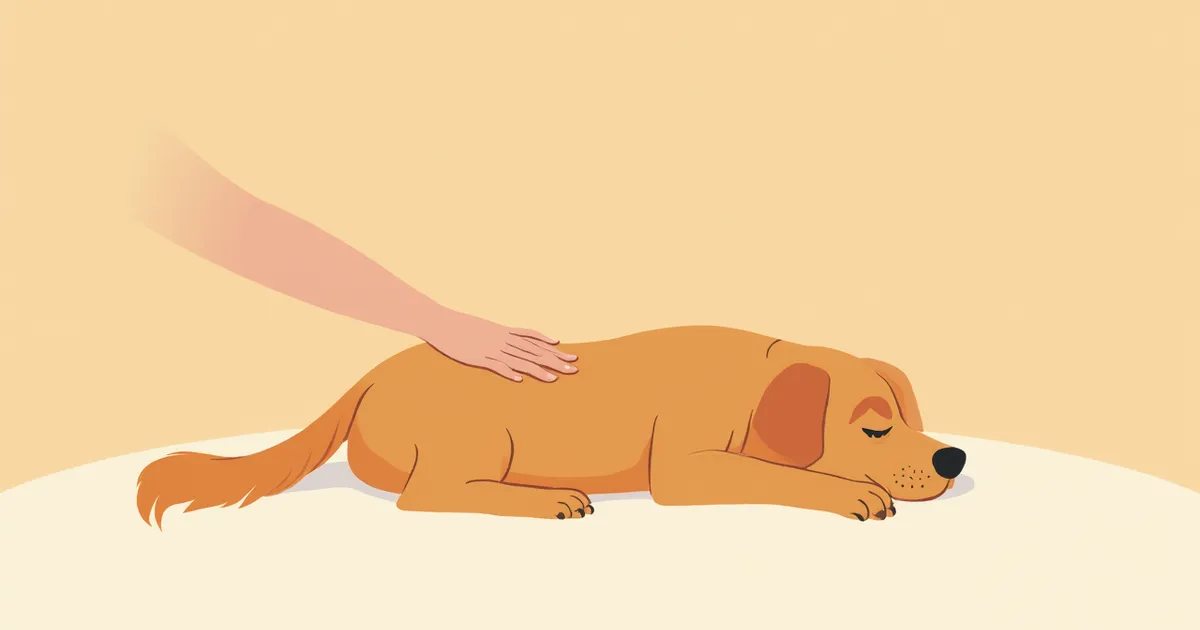
What Is Therapeutic Massage for Dogs and Cats? — Safe Techniques and Precautions at Home
Therapeutic massage is a non-pharmacological complementary therapy that helps relieve pain and improve circulation in dogs and cats. Here’s a summary of three techniques—stroking, effleurage, and petrissage—along with important safety precautions.
What Is Therapeutic Massage? Key Points for Pet Owners
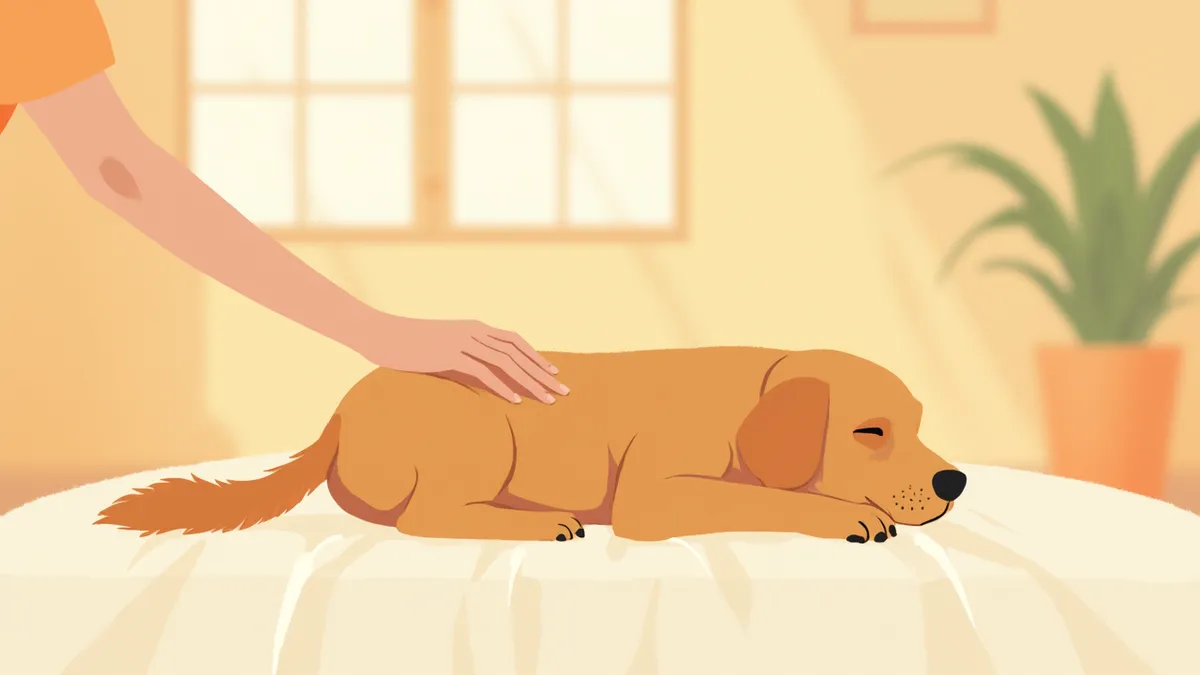
When Massage Helps vs. When It Doesn’t
Comparison of Three Therapeutic Massage Techniques
| Item | Stroking | Effleurage | Pétrissage |
|---|---|---|---|
| Pressure | Very light | Light to moderate | Moderate |
| Direction | Along the coat (head → tail) | Sweeping toward the heart | Kneading in circles |
| Main Effect | Calming and relaxation | Edema and lymphatic circulation | Relieving muscle knots |
| Recommendation for Novice Owners | True | True | False |
| Recommended Duration | 3–5 minutes | About 5 minutes | 2–3 minutes |
Compiled per the Veterinary Anesthesia and Pain Management textbook (3rd ed.).
Detailed Hand Movements for Each Technique
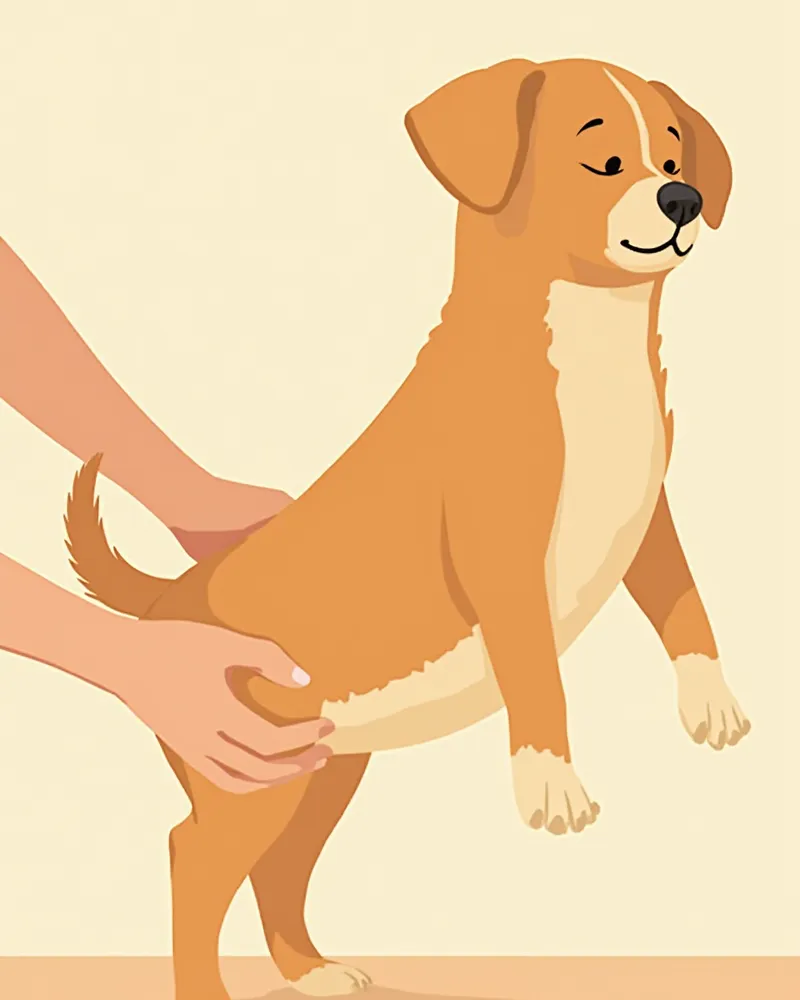
Situations Where You Should Never Massage
Stop the massage and visit your veterinarian if any of the following apply: your pet’s body feels hotter than usual, they cry out or show severe pain when a specific area is touched, or there are wounds, rashes, or lumps on the skin. Never massage legs suspected of fractures or dislocations, the abdomen during late pregnancy, or areas diagnosed with tumors. Since massage increases blood circulation to the targeted area, applying it to sites with acute inflammation can worsen the condition. If you have any doubts, stop immediately and consult your veterinarian for guidance.
5-Minute Routine to Try at Home
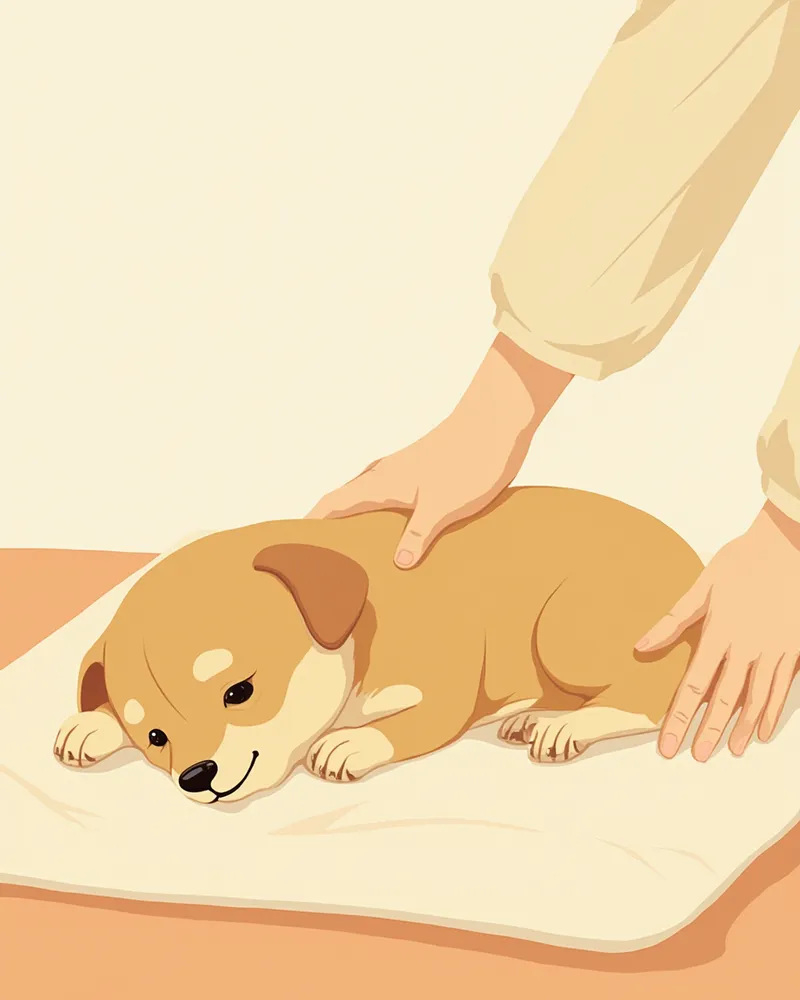
How Is Cat Massage Different from Dog Massage?
Post-Surgical Massage: Follow Your Veterinarian’s Instructions
Rehabilitation massage after orthopedic surgery (such as for patellar or cruciate ligament issues) can be highly effective, but the timing, areas to focus on, and pressure must always be determined by your attending veterinarian. Direct massage over suture sites is generally prohibited; instead, start gradually with muscles away from the incision. For more information on post-surgery home care, please refer to our Post-Surgery Recovery Guide.
Reviewed by a veterinarian

Dr. Tony — Punnawat Phongkittirak
VeterinarianA veterinarian who majored in veterinary medicine at Khon Kaen University, Thailand, and completed the IVSA program at North Carolina State University in the United States. Drawing on clinical experience at animal hospitals, he works in the pet healthcare field and is dedicated to building a digital care environment that connects pet parents with veterinarians.
Reviewed 2026-04-29
Frequently Asked Questions
Is it okay to massage my pet every day?
Is it okay to apply massage oil or cream?
What should I do if my dog growls during a massage?
Does massage really help senior dogs?
Is it okay to massage the swollen area right after surgery?
Share
Related Guides
Top 5 Patellar Support Braces for Dogs — Stage-by-Stage Size Guide
Curcumin Efficacy and Anti-inflammatory/Joint Support
Top 5 Recommended Joint Supplements for Dogs in 2026

Feline Chronic Gingivostomatitis FAQ — Key Information for Pet Owners

Feline Enamel Hypoplasia FAQ — Key Information Every Pet Owner Should Know
Frequently Asked Questions About Feline Dental Scaling and Tartar Removal — Key Points Every Pet Owner Should Know
Frequently Asked Questions About Feline Dental Radiography — Key Information for Pet Owners

Frequently Asked Questions About Preventive Dental Treats and Chews for Cats — Key Points Every Owner Should Know

Frequently Asked Questions on Preventing Feline Tartar and Plaque — Key Information Every Pet Owner Should Know

Feline Oral Abscess & Root Abscess FAQ — Key Information Every Pet Owner Should Know
References
[1] Small Animal Critical Care Medicine, 3rd Ed — Chapter 136: Integrative Veterinary Medicine for the Intensive Care Unit Patient
[2] Small Animal Anesthesia and Pain Management: A Color Handbook, 3rd Edition — Chapter 30: Manual Therapy Modalities
[3] Textbook of Veterinary Orthopaedic Surgery — Rehabilitation Chapter
[4] Boitor M, Martorella G, Maheu C, et al., Effects of massage in reducing pain, 2018