Like
Share
멍실장
강아지 쿠싱증후군 증상과 치료

Symptoms and Treatment of Cushing’s Disease in Dogs

WeightQ&AMeongsiljang Veterinary Advisory Board

We’ve compiled the essential information every pet owner should know about Cushing’s disease in dogs, including its causes, key symptoms, diagnostic tests, and treatment options.

What Is Cushing’s Disease in Dogs?
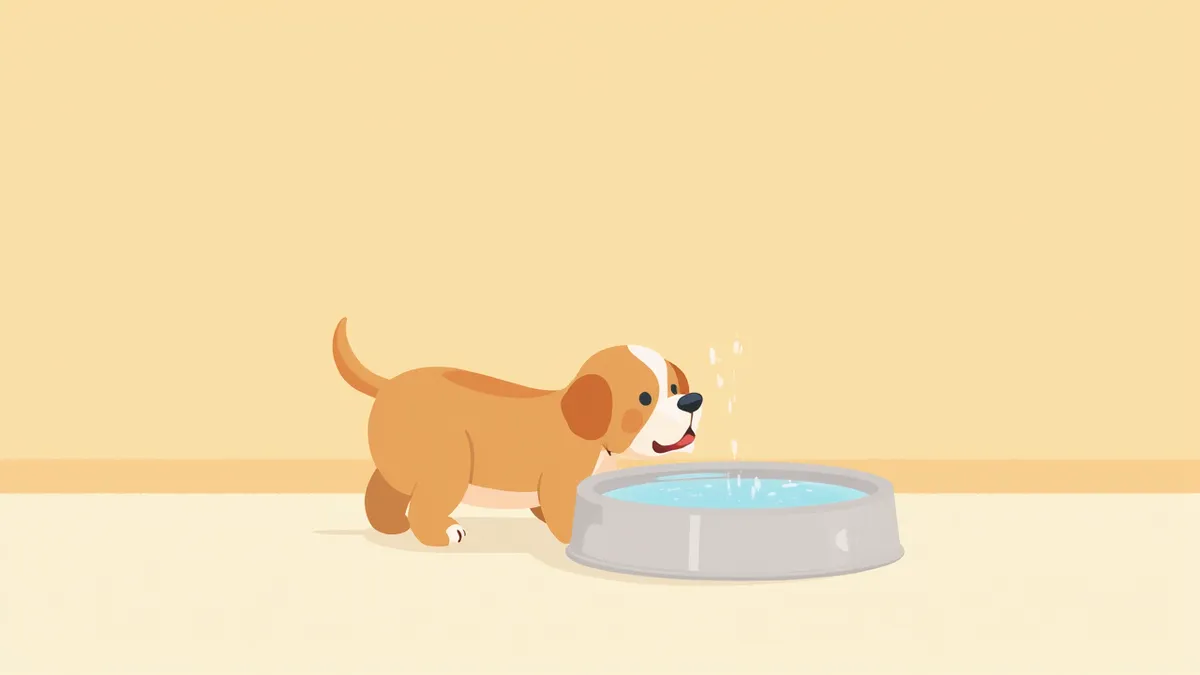
A puppy that is drinking a lot of water
Cushing’s disease in dogs is an endocrine disorder caused by excessive secretion of cortisol (the stress hormone) from the adrenal glands. What’s crucial to recognize is that early symptoms closely mimic normal aging. If your dog is drinking significantly more water, urinating much more frequently, developing a distended abdomen, or starting to lose hair, it may not be due to age but rather Cushing’s disease. The key to timely treatment is noticing these changes early and having your veterinarian perform hormone testing.

Causes and Types of Cushing’s Syndrome

Cushing’s syndrome is broadly categorized into two main types.
Pituitary-dependent: This accounts for approximately 85% of cases. A small tumor develops in the pituitary gland, causing excessive secretion of adrenocorticotropic hormone (ACTH), which in turn leads to overproduction of cortisol by the adrenal glands.
Adrenal tumor-dependent: In the remaining 15% of cases, a tumor forms directly on the adrenal gland, resulting in the direct overproduction of cortisol.
Prolonged use of steroid medications can also produce similar symptoms; this condition is referred to as iatrogenic Cushing’s syndrome.

Checklist of Key Symptoms of Cushing’s Syndrome
Polyuria and polydipsia: Your pet drinks significantly more water than usual, and both the frequency and volume of urination increase markedly.
Abdominal distension: The belly appears swollen and droopy, often referred to as a "pot-bellied" appearance.
Skin and coat changes: Hair loss occurs symmetrically on both sides of the body, the skin becomes thin, and wounds heal slowly.
Increased appetite: Your pet shows a noticeably increased desire to eat without any apparent reason.
Muscle weakness: The hind legs feel weak, and your pet tires easily during walks.
Panting: Your pet may breathe heavily even when at rest.
If two or more of these symptoms occur simultaneously, we recommend visiting a veterinary clinic.
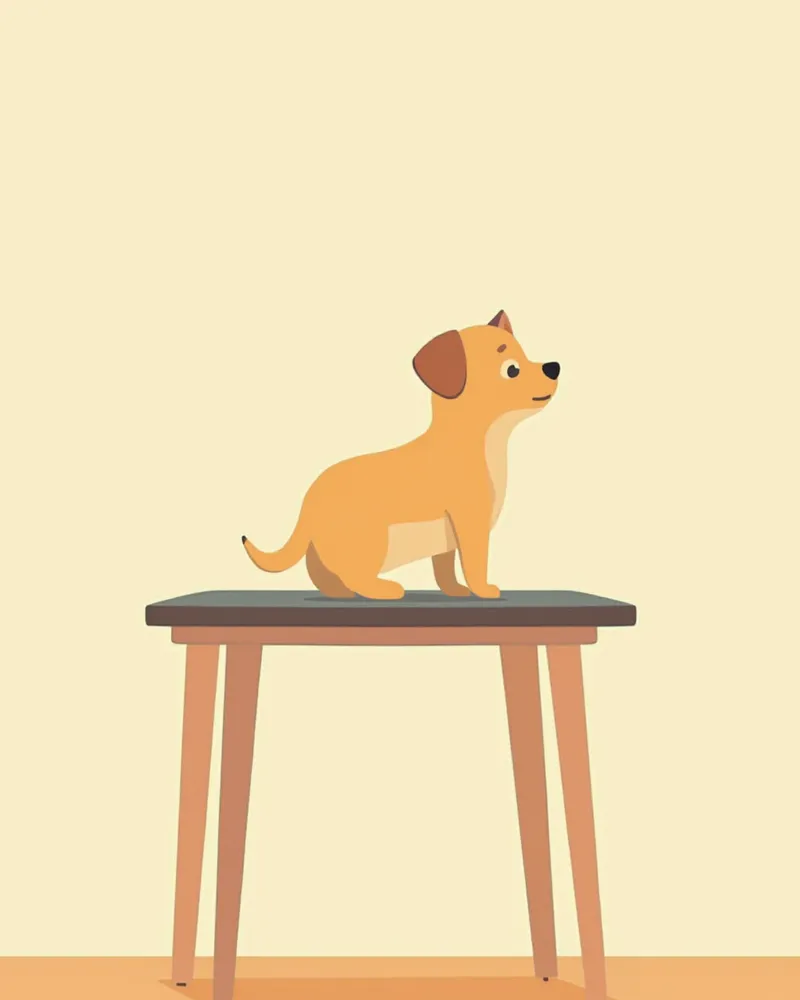
A puppy with a distended abdomen

How Is Diagnosis Performed?

Cushing’s syndrome is difficult to confirm with a single test, so diagnosis typically follows these steps:
Basic blood tests: We first look for abnormalities consistent with Cushing’s syndrome through a complete blood count (CBC), serum biochemistry panel, and urinalysis.
ACTH stimulation test: After administering an ACTH injection, we measure the cortisol response to evaluate adrenal function.
Low-dose dexamethasone suppression test (LDDST): This screening test checks whether cortisol is normally suppressed after a dexamethasone injection and is widely used to identify Cushing’s syndrome. Depending on the results, we may perform a high-dose suppression test or an ultrasound to determine the specific type.
Abdominal ultrasound: This directly assesses adrenal size and checks for tumors. Ultrasound is particularly important for distinguishing between pituitary-dependent and adrenal-dependent Cushing’s syndrome, rather than diagnosing the condition itself.
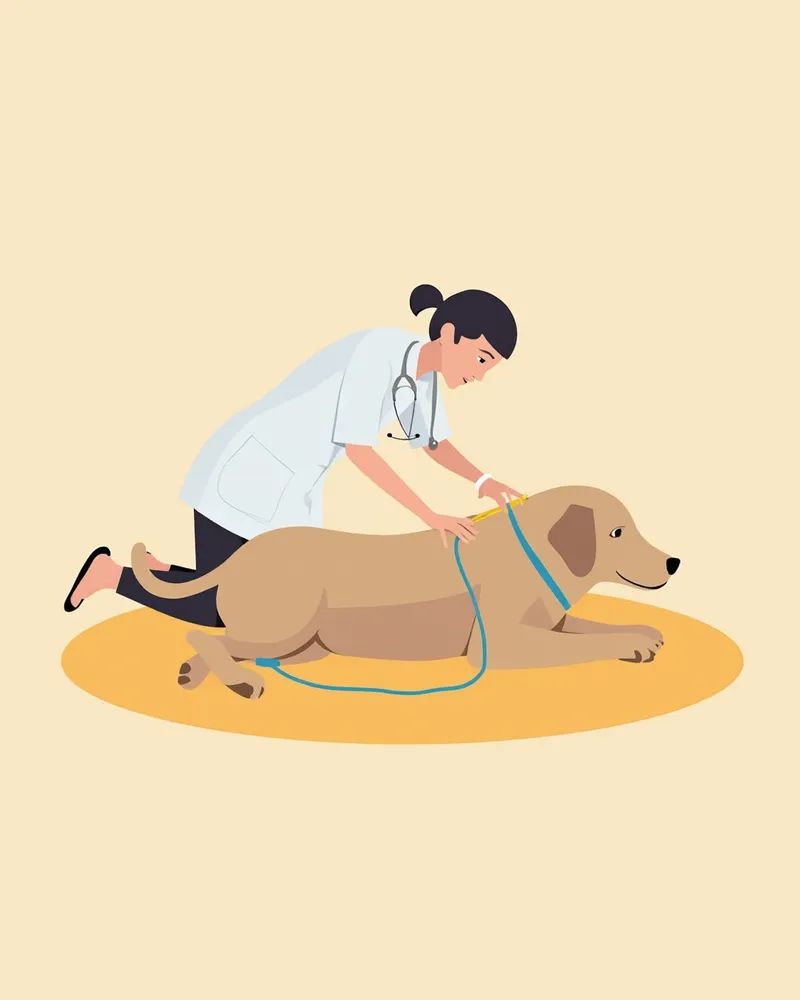
A puppy undergoing an ultrasound examination.

See a Vet Immediately If You Notice These Symptoms

If Cushing’s syndrome is left untreated, it can lead to secondary complications such as diabetes mellitus or chronic infections. In particular, if your pet suddenly becomes lethargic, vomits, or refuses to eat entirely, this may indicate a dangerous drop in adrenal function, requiring immediate emergency veterinary care.

Treatment Options
Trilostane medication therapy: This is currently the most widely used treatment. It inhibits the production of cortisol in the adrenal glands. Your veterinarian will determine the initial dose based on your pet’s weight and symptoms, then adjust the dosage as needed by regularly monitoring cortisol levels through ACTH stimulation tests after starting treatment. Treatment efficacy is evaluated by assessing both changes in clinical signs, such as polyuria and polydipsia, and hormone levels.
Surgery (adrenalectomy): If a tumor is present in the adrenal gland, it can be surgically removed. Trilostane is also an effective treatment option for adrenal-dependent Cushing’s syndrome. It is important to discuss the timing of surgery and the overall treatment plan thoroughly with your attending veterinarian to make the best decision.
A puppy taking medication

Home Care Tips During Treatment

Monitor water intake and urine output: Recording your dog’s daily water consumption helps objectively assess treatment progress. A decrease in water intake is a positive sign that the medication is working effectively.
Manage weight: Dogs with Cushing’s disease are prone to increased abdominal fat and muscle loss. Regular walks and calorie-controlled feeding are essential.
Skin care: Because the skin becomes thin and more susceptible to injury, apply moisturizer after bathing and regularly check for any scratches or skin irritation.
Keep up with regular check-ups: Skipping routine tests to monitor hormone levels can lead to incorrect medication dosages, which may cause side effects.

Precautions When Taking Trilostane

Trilostane is generally well-tolerated by most dogs, but it can rarely cause excessive suppression of adrenal function. If your dog experiences vomiting, diarrhea, decreased appetite, or severe lethargy, stop the medication and contact your veterinarian immediately. Once treatment begins, regular check-ups are necessary at 10–15 days, 1 month, and 3 months, followed by every 3–6 months thereafter, to adjust the dosage based on cortisol levels and ensure safe management.

Reviewed by a veterinarian

Dr. Tony — Punnawat Phongkittirak

Dr. Tony — Punnawat Phongkittirak

Veterinarian

A veterinarian who majored in veterinary medicine at Khon Kaen University, Thailand, and completed the IVSA program at North Carolina State University in the United States. Drawing on clinical experience at animal hospitals, he works in the pet healthcare field and is dedicated to building a digital care environment that connects pet parents with veterinarians.

Frequently Asked Questions

Is Cushing’s syndrome curable?
Pituitary-dependent Cushing’s disease is typically managed through lifelong medication to regulate hormone levels, rather than being cured. In contrast, adrenal tumor-dependent cases may be curable if the tumor is surgically removed.
Will the treatment be expensive?
The ongoing costs include trilostane medication and regular hormone tests every 3 to 6 months. Since prices vary significantly depending on the clinic and region, please consult with your veterinarian for an accurate estimate.
What is the life expectancy of a dog with Cushing’s disease?
With proper treatment, your pet can maintain a good quality of life. The prognosis varies depending on the individual condition and response to treatment, so early detection and consistent care are the most important factors.
Which breeds are more prone to Cushing's disease?
This condition is relatively more common in breeds such as Poodles, Dachshunds, Beagles, Boston Terriers, and Boxers. However, medium- and large-breed dogs can also be affected, so if you notice any symptoms, please have your dog checked by a veterinarian.
Can taking steroid medications lead to Cushing’s syndrome?
Yes, long-term use of steroids can lead to iatrogenic Cushing's syndrome. In such cases, symptoms can improve if the medication is gradually tapered under veterinary guidance. Never abruptly stop the medication on your own without consulting your veterinarian.

Share

Related Guides

References

[1] Warman S., 100 Top Consultations in Small Animal General Practice, Ch.74 The dog with hyperadrenocorticism

[2] BSAVA Manual of Canine and Feline Dermatology, 4th Ed, Hyperadrenocorticism section

[3] Perez-Alenza D., Trilostane dosing recommendations, 2017

[4] Clinical Medicine of the Dog and Cat, 4th Ed, Ch.12 Endocrine disorders

This information is based on veterinary literature and does not replace diagnosis or treatment. Please consult a veterinarian for specific health concerns.

Metapet Co., Ltd. | CEO: Park Sung-yong | Business Reg. No. 417-88-02562 | Seoul, South Korea | Customer Center

Dog Cushing's Disease Symptoms and Treatment – The Ultimate Guide | Meongsiljang