Like
Share
멍실장
강아지 발자국·냄새 추적 본능, 얼마나 대단할까?

How Do Dogs Follow Paw Prints and Scents? — The Secret of the Scent-Tracking Instinct

ImmunityQ&AMeongsiljang Veterinary Advisory Board

I’ll explain the science behind your dog’s tracking instinct—how they follow paw prints and scents left on the ground—and share practical ways to put this natural ability to use in everyday life.

What Is a Dog’s Scent-Tracking Instinct?
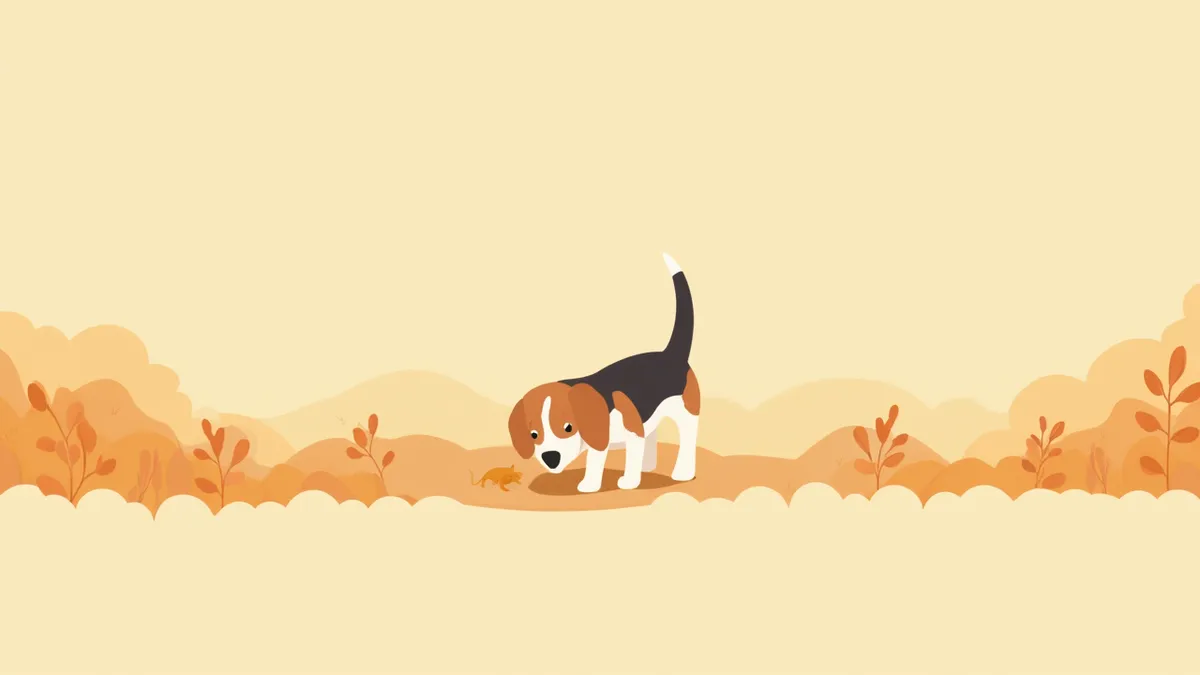
A beagle with its nose to the ground, tracking scents
A dog’s scent-tracking instinct is an innate ability to detect odor information left on the ground, in the air, or on objects, allowing them to identify the target’s identity and track its movement path. What’s truly remarkable is that dogs can detect scent concentrations as low as one-hundredth to one-hundred-thousandth of what humans can barely perceive—meaning their sense of smell is at least 100 times and up to 100,000 times more sensitive than ours. So when your dog buries its nose into the ground and sniffs during walks, it’s not just a habit; it’s the most essential way they interpret the world around them. Preventing this behavior can lead to accumulated stress.

Why Dogs’ Sense of Smell Is So Exceptional

A dog’s nasal cavity contains a vastly greater number of olfactory receptors than a human’s. While the exact count varies significantly by breed and individual, veterinary behavioral studies consistently confirm that dogs have markedly more receptors than people. Additionally, dogs possess a specialized sensory structure called the Jacobson’s organ (vomeronasal organ), located in the soft tissue of the nasal septum and the nasal cavity just above the hard palate. This organ is dedicated to detecting pheromones rather than ordinary odors, allowing dogs to discern information about other individuals, such as sex, reproductive status, and stress levels. Because a dog’s sense of smell relies on two primary olfactory systems—the general olfactory system and the vomeronasal system (Jacobson’s organ)—working together with auxiliary sensory organs, the amount of information they can extract from a single scent is immense.

Information Dogs Decode from Scents

Dogs don’t just detect “what something smells like”; they simultaneously decode a wealth of information. Check the list below to see how.
Individual Identification: Distinguishing the unique scent of each person or animal. (Studies show dogs can even differentiate between identical twins and detect human scent residues on fingerprints for several weeks.)
Sex and Reproductive Status: Estimating sex and reproductive state through pheromones.
Emotions and Stress: Detecting substances released during fear or stress.
Time Elapsed: Gauging whether a scent is recent or old based on its intensity.
Direction of Movement: Inferring the path taken by analyzing variations in scent concentration in the surrounding area.
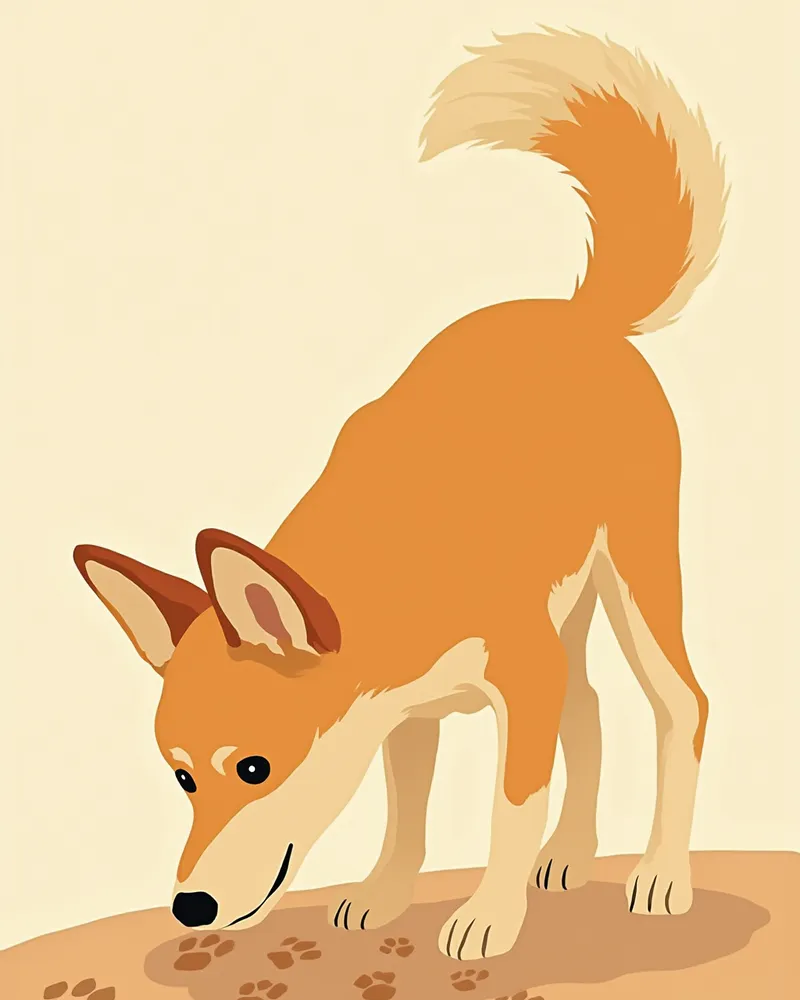
A detection dog sniffing the scent of paw prints in the mud

Human vs. Dog Olfactory Ability Comparison

ItemHumansGeneral DogBloodhound
Number of Olfactory Receptors(baseline)Far more than humansFar more than humans
Main Olfactory SystemMainly centered on the olfactory systemDeveloped olfactory system + vomeronasal systemDeveloped olfactory system + vomeronasal system
Detectable ConcentrationBaselineAbout 100–100,000 times more sensitiveAbout 100,000 times level (top within the breed)
Jacobson's OrganAbsent (vestigial)PresentPresent

There are significant differences by breed and individual; these are general comparison values

Why You Shouldn’t Stop Your Dog from Sniffing

When your dog buries its nose in the ground and sniffs for a long time during a walk, pulling it away forcefully can cause stress to build up. For dogs, sniffing is like reading the newspaper or watching the news—it’s a way of gathering information. It’s a good idea to allow about five minutes of a ten-minute walk for your dog to freely explore scents. However, you should immediately stop them if they’re near cigarette butts, areas where rat poison may be present, or animal carcasses.

Indoor Play Using Scent Tracking
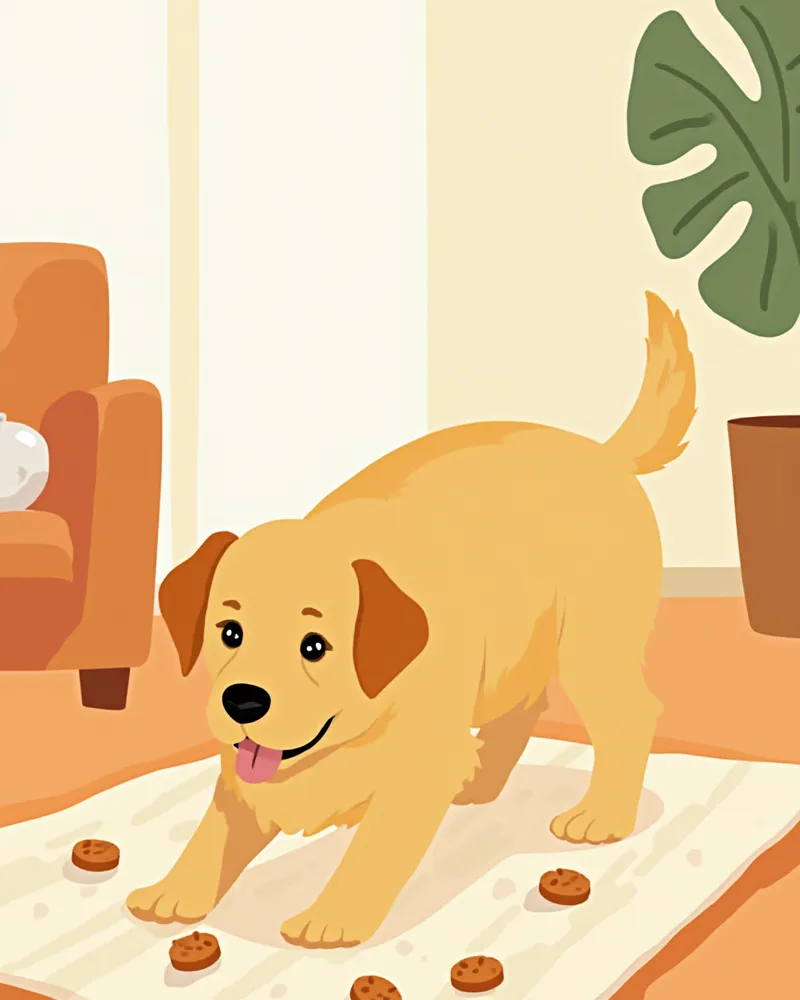
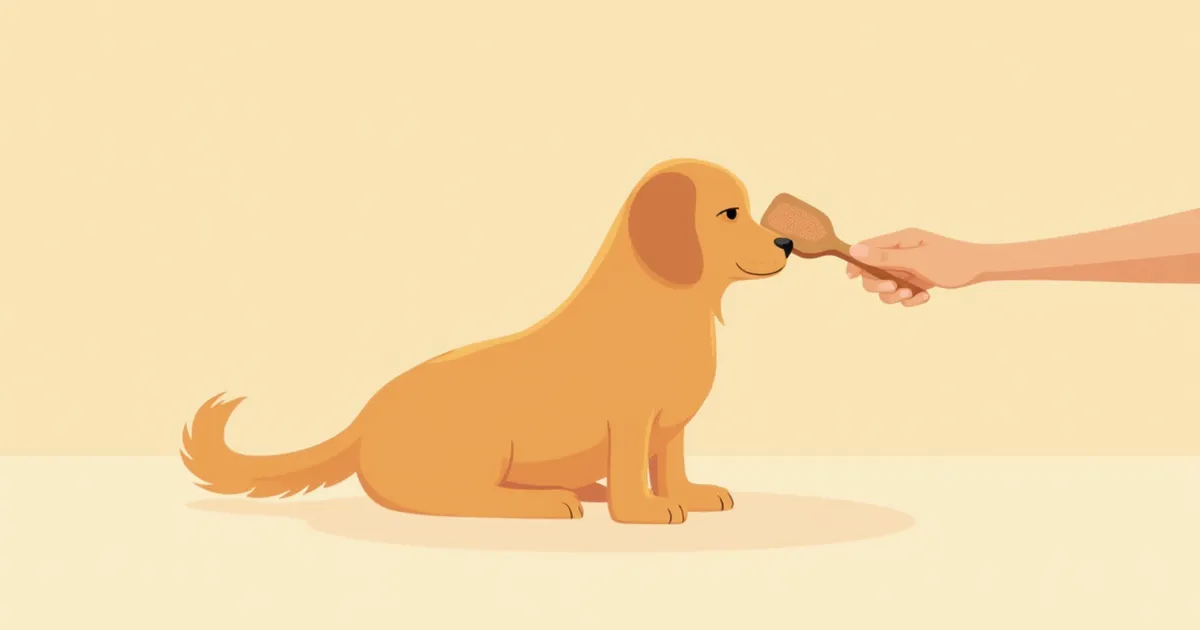
Scent-tracking taps into a powerful instinct that provides excellent mental stimulation and physical exercise, making it a great activity even on rainy days or indoors. The easiest way to start is with "nose work." You can hide treats under three to five paper cups for your pet to find, or scatter treats over a blanket, roll it up, and let them unroll it to discover the rewards. Begin by hiding the treats in plain sight, then gradually increase the difficulty by concealing them in other rooms as your pet becomes more adept.
A Golden Retriever searching for treats on a nosework mat indoors

Differences in Scent Ability by Age and Breed

Not all dogs have the keen sense of smell of a Bloodhound. Hunting and herding breeds (such as Beagles, Basset Hounds, Bloodhounds, and German Shepherds) are genetically predisposed to an exceptionally well-developed sense of smell. In contrast, brachycephalic breeds (such as Pugs, Bulldogs, and French Bulldogs) have shorter nasal structures, making their sense of smell relatively less sensitive. A dog’s sense of smell gradually declines with age; however, if your dog suddenly loses interest in food odors or seems unable to smell them, consider potential nasal diseases or neurological issues in addition to normal aging.

When to Consult a Vet About Scent-Related Reactions

If your dog suddenly stops reacting to the smell of their favorite treats, avoids sniffing with one nostril, or sneezes, bleeds from the nose, or has nasal discharge when trying to smell, it could indicate issues such as rhinitis, nasal tumors, or tooth root infections. In dogs aged seven and older, sudden changes in smell may be due to aging, but they can also signal underlying medical or neurological conditions. If symptoms persist, it’s best to have your dog examined by a veterinarian.

Reviewed by a veterinarian

Dr. Tony — Punnawat Phongkittirak

Dr. Tony — Punnawat Phongkittirak

Veterinarian

A veterinarian who majored in veterinary medicine at Khon Kaen University, Thailand, and completed the IVSA program at North Carolina State University in the United States. Drawing on clinical experience at animal hospitals, he works in the pet healthcare field and is dedicated to building a digital care environment that connects pet parents with veterinarians.

Frequently Asked Questions

Why does my dog linger to sniff the same spot every time we go for a walk?
That spot is likely layered with the most recent scent markers from other dogs or animals, functioning much like a neighborhood bulletin board. While this isn’t a cause for concern, repeatedly urinating in the same place can reinforce the behavior into a persistent territorial marking habit.
Do I need to do scent-tracking games with my pet at home every day?
Even if not every day, 10 to 15 minutes, three to four times a week is sufficient. It's especially great as a supplement on days when walks are limited or on rainy days. Since mental fatigue can be significant, they tend to sleep soundly after playing.
Does a dry nose reduce a dog’s sense of smell?
While a dry nose may have a slight temporary effect, it doesn’t necessarily mean your dog’s sense of smell is impaired. It’s normal for a dog’s nose to be dry right after waking up. However, if you notice cracking or loss of pigmentation, it’s important to check for potential skin conditions.
My dog eats grass or dirt while sniffing the ground during walks. Is this okay?
While occasional dirt ingestion isn’t usually a major concern, habitual consumption increases the risk of exposure to parasites, heavy metals, and rodenticides. It may also indicate a behavioral condition known as pica, so we recommend consulting a veterinarian if this behavior occurs frequently.
Can regular pet dogs be trained to be as effective as bloodhounds and other detection dogs?
While reaching the level of a professional detection dog is challenging, most dogs are fully capable of finding hidden objects or locating family members. The key is to gradually and consistently increase the difficulty.

Share

Related Guides

References

[1] Samuel L, Arnesen C, Zedrosser A, Rosell F. Fears from the past? The innate ability of dogs to detect predator scents. Anim Cogn 2020;23(4):721-9.

[2] Takahashi LK, Nakashima BR, Hong H, Watanabe K. The smell of danger: a behavioral and neural analysis of predator odor-induced fear. Neurosci Biobehav Rev 2005;29(8):1157-67.

[3] Introduction to Animal Behavior and Veterinary Behavioral Medicine, Chapter 3

[4] Applied Animal Endocrinology, 3rd Edition - Pheromones and Olfactory Communication

This information is based on veterinary literature and does not replace diagnosis or treatment. Please consult a veterinarian for specific health concerns.

Metapet Co., Ltd. | CEO: Park Sung-yong | Business Reg. No. 417-88-02562 | Seoul, South Korea | Customer Center

How Dogs Track Scents & Paw Prints: The Nose's Secret | Meongsiljang