Like
Share
멍실장
고양이 치은염 자주 묻는 질문 Q&A — 보호자가 꼭 알아야 할 핵심

Frequently Asked Questions About Feline Gingivitis — Key Points Pet Owners Must Know

Oral HealthQ&AMeongsiljang Veterinary Advisory Board

Gingivitis is a common oral disease in cats, and early detection along with proper management is essential. Here’s a summary of key questions and answers that pet owners should know.

What Is Feline Gingivitis?

A close-up photo showing symptoms of gingivitis in cats
Feline gingivitis is an oral disease characterized by inflammation of the gum tissue, primarily caused by bacteria in dental plaque on the tooth surfaces and the body’s immune response to them. - Gingivitis (early stage): The gums become red, swollen, and may bleed slightly. At this stage, inflammation is confined to the gums, and the condition is reversible with consistent care. - Progression to periodontitis: When inflammation spreads beyond the gums to the supporting structures of the teeth, such as the periodontal ligament and alveolar bone, it develops into periodontitis. In this stage, attachment loss occurs, teeth may become loose or fall out, and pain can make eating difficult. - Importance of consistent care: Because damage to the alveolar bone is usually irreversible, early detection and at-home oral care are key to successful treatment. Since gingivitis can impact a cat’s overall health, close monitoring is essential.

What Are the Main Causes of Gingivitis?
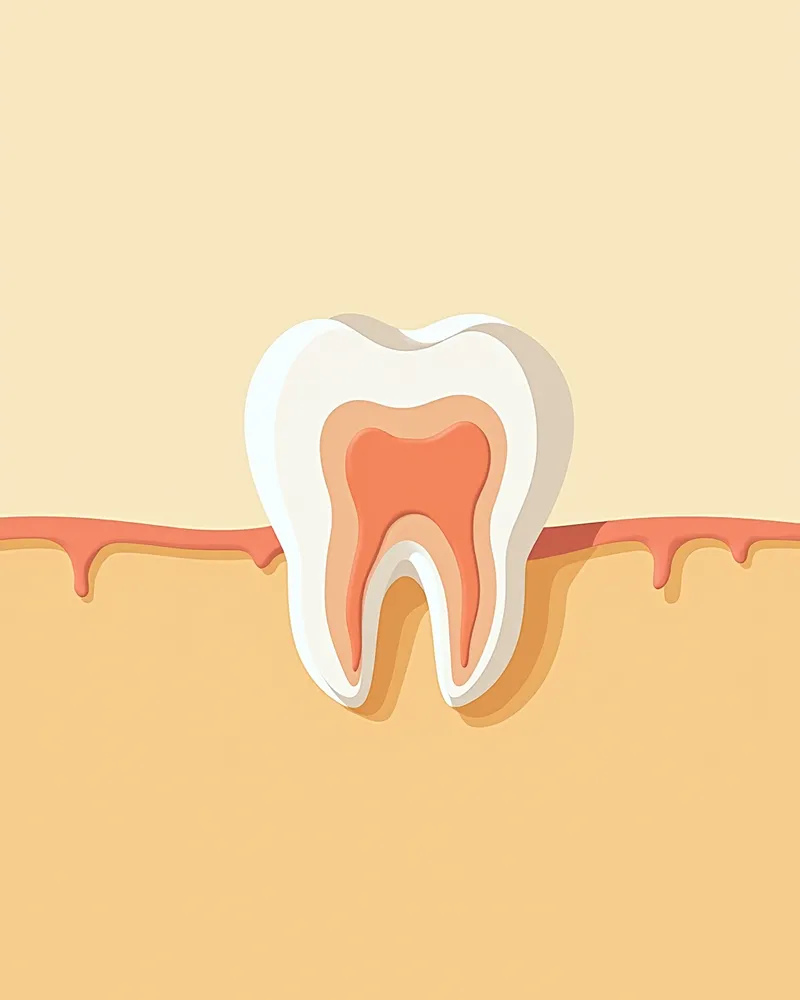
The primary cause of feline gingivitis is dental plaque, which accumulates on the tooth surface. Plaque is a biofilm formed by colonies of oral bacteria. - Plaque Formation: Plaque is a sticky biofilm created when bacteria, minerals, and proteins adhere to the tooth surface. - Bacterial Proliferation: Bacteria within the plaque irritate the gums, triggering inflammation. - Hardening into Tartar: Over time, plaque hardens into tartar. However, the amount of tartar present does not necessarily indicate the severity of the disease. - Dietary Influence: Dental health diets certified by the VOHC (Veterinary Oral Health Council) can help control plaque. - Consistent Care: Daily oral hygiene is essential for prevention. Regular toothbrushing helps prevent plaque buildup.
A microscopic image of tartar buildup on a cat's teeth

What Are the Main Symptoms of Gingivitis?

One common sign of feline gingivitis is a noticeable increase in bad breath (halitosis). - Bad breath (halitosis): An overgrowth of bacteria causes an unpleasant odor from the mouth. - Red, swollen gums: The gums appear red and inflamed, and your cat may show signs of pain when touched. - Bleeding: Gums may bleed during mealtimes or while grooming. - Decreased appetite or food refusal: Due to pain, your cat may avoid eating or drop food from its mouth. - Changes in chewing behavior: Your cat may chew on only one side of the mouth or twist its face while swallowing food. - Loose teeth: If gingivitis progresses to periodontitis, teeth may become loose or fall out. Early intervention is crucial when these signs appear.
A cat showing signs of pain while eating

Signs That Require an Immediate Veterinary Visit

If your cat refuses to eat or you notice blood coming from its mouth, consult a veterinarian immediately. This indicates that the gingivitis has worsened to a severe stage.

How Is Gingivitis Diagnosed?

The veterinarian will directly examine your cat’s mouth to determine whether gingivitis is present. - Oral examination: The vet visually checks the gums for swelling, bleeding, and the presence of tartar. - General anesthesia required: Anesthesia is necessary to perform a thorough and accurate examination. - X-ray imaging: X-rays are used to assess damage to the tooth roots and supporting jawbone. - Inflammation severity assessment: The vet carefully analyzes the depth of inflammation around the teeth and the extent of tissue damage. - Combined diagnostic approach: Since a single test is often insufficient for an accurate diagnosis, multiple methods are used together. Early diagnosis significantly improves treatment outcomes.
A veterinarian examining a cat's mouth

How Is Gingivitis Treated?

Gingivitis treatment begins under general anesthesia. - Full dental cleaning: A procedure to completely remove tartar is necessary. - Gum treatment: Medication is applied to inflamed areas, or antiseptics are used. - Antibiotic prescription: Antibiotics are prescribed to suppress bacterial infection. - Assessment of tooth damage: If severe damage is present, tooth extraction may be considered. - Follow-up appointment: A recheck is scheduled after a certain period post-treatment to monitor the condition. - Ongoing care plan: Regular maintenance remains essential thereafter.
A cat under anesthesia receiving a dental cleaning.

Home Care Methods

Daily care is essential for preventing gingivitis in cats. - Daily brushing: The most effective method, as it directly cleans the teeth and gums. - Dental treats: Hard treats help scrub the teeth. - Oral care water additives: These products reduce bacteria when added to drinking water. - Regular check-ups: Have your veterinarian assess your cat’s oral health every six months. - Diet management: Choose foods that support dental health rather than soft kibble. - Behavioral monitoring: Watch for changes such as bad breath or refusal to eat.
A guardian brushing their cat’s teeth

Comparison of Gingivitis Prevention Methods

ItemEffectivenessCostDifficulty of Practice
Daily brushingVery highInexpensiveModerate
Dental treatsModerateModerateLow
Oral sprayLowLowLow
Regular veterinary checkupsVery highModerateModerate

Daily brushing is the most effective, but it can be hard to keep up. A combined approach works well.

Reviewed by a veterinarian

Dr. Tony — Punnawat Phongkittirak

Dr. Tony — Punnawat Phongkittirak

Veterinarian

A veterinarian who majored in veterinary medicine at Khon Kaen University, Thailand, and completed the IVSA program at North Carolina State University in the United States. Drawing on clinical experience at animal hospitals, he works in the pet healthcare field and is dedicated to building a digital care environment that connects pet parents with veterinarians.

Frequently Asked Questions

Can feline gingivitis be treated?
Yes, gingivitis is a reversible condition that affects only the gums, so if it’s caught early and managed properly, it can be reversed. Consistent at-home oral care and regular veterinary check-ups are key.
Does gingivitis always require tooth extraction?
In severe cases, tooth extraction may be necessary. Your veterinarian will evaluate the condition of the teeth through an examination under anesthesia and dental radiographs to determine the appropriate course of action.
My cat hates having its teeth brushed. What should I do?
Start by gradually getting your pet accustomed to the process using a soft brush and tasty toothpaste. Daily brushing is the most effective way to maintain oral hygiene at home. Don’t give up!
Does gingivitis cause bad breath?
Yes, as bacteria multiply, bad breath (halitosis) becomes more severe. This is a classic sign of gingivitis.
Does gingivitis only occur in cats?
No, dogs can also develop gingivitis and periodontal disease. In fact, periodontal disease is quite common in most adult cats as well.

Share

Related Guides

References

[1] The Cat, Clinical Medicine and Management, 2nd Edition, 2023

[2] Clinical Medicine of the Dog and Cat, 4th Ed, 2021

[3] Veterinary Dentistry: Principles and Practice, 2020

This information is based on veterinary literature and does not replace diagnosis or treatment. Please consult a veterinarian for specific health concerns.

Metapet Co., Ltd. | CEO: Park Sung-yong | Business Reg. No. 417-88-02562 | Seoul, South Korea | Customer Center

Cat Gingivitis Q&A: The Complete Guide to Symptoms and Management | Meongsiljang