Like
Share
멍실장
강아지 이부프로펜 먹었을 때 — 위장 출혈·신부전 응급 대처법

What to Do If Your Dog Ingests Ibuprofen: Emergency Response for GI Bleeding and Kidney Failure

Emergency/ToxicityQ&AMeongsiljang Veterinary Advisory Board

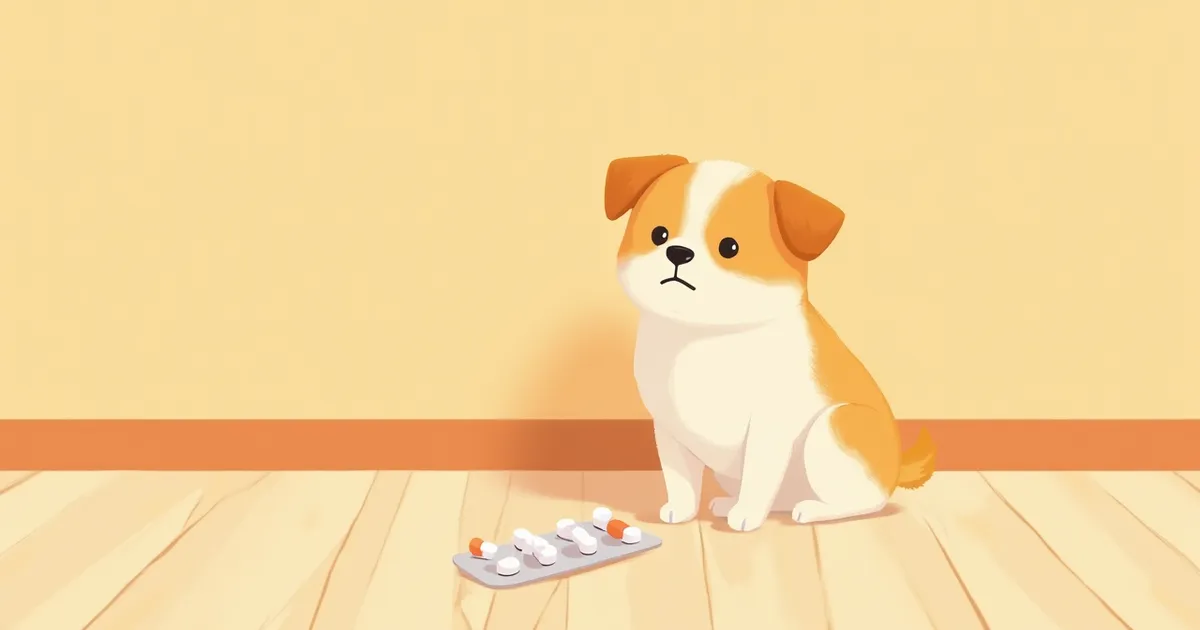
If your dog has ingested ibuprofen, it is a medical emergency that can rapidly lead to gastrointestinal mucosal damage and acute kidney failure. A dose of 5 mg or more per kilogram of body weight is considered dangerous, so you should take your dog to an emergency veterinary clinic immediately.

What Is Ibuprofen Poisoning in Dogs?

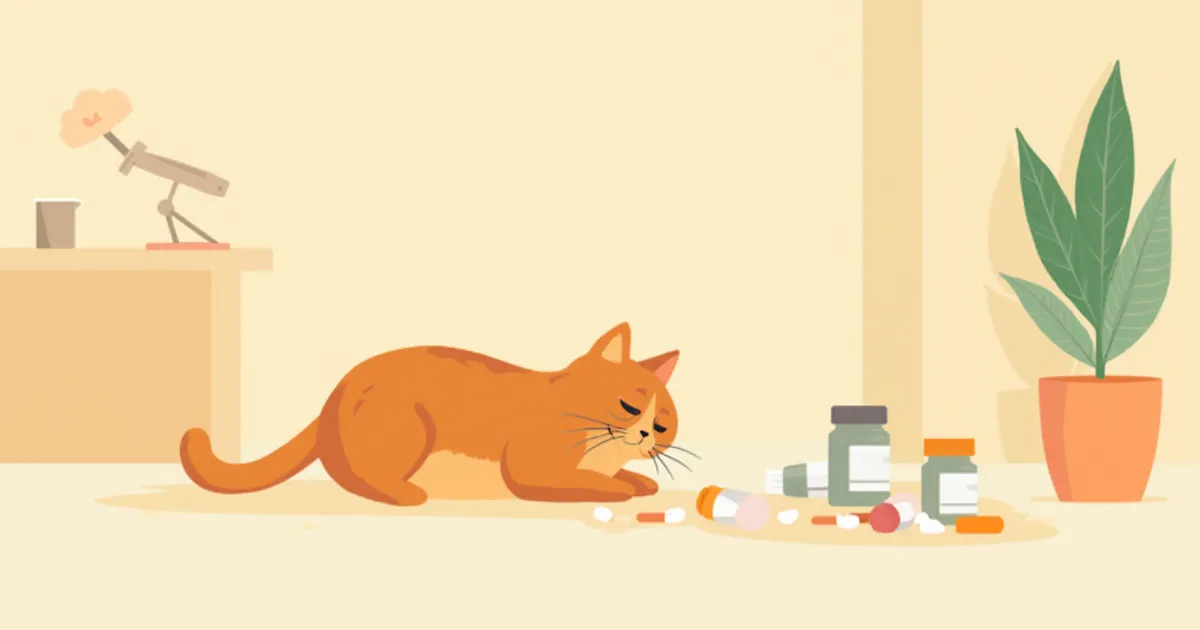
A dog lying on the bed, looking weak and lethargic
Ibuprofen poisoning in dogs is a medical emergency that can lead to gastrointestinal mucosal damage and acute kidney failure when a dog ingests human pain relievers containing ibuprofen. You must seek immediate veterinary care. According to veterinary toxicology textbooks, ingestion of more than 8 mg per kilogram of body weight can cause gastrointestinal damage such as gastritis and gastric ulcers; doses of 50–60 mg/kg may result in gastric ulcers and kidney damage in sensitive breeds; 100–300 mg/kg can lead to acute kidney failure; and high doses exceeding 400 mg/kg may trigger neurological symptoms like seizures and ataxia. Even a single small tablet can be a dangerous dose for a toy breed dog.

Why Ibuprofen Is Dangerous for Dogs

Ibuprofen is commonly used in humans, but dogs and cats are more susceptible to the side effects of NSAIDs than people are. This medication blocks the enzymes (COX-1 and COX-2) responsible for producing prostaglandins, which protect the stomach lining and maintain blood flow to the kidneys. As a result, it can cause hemorrhagic ulcers in the stomach and duodenum, and reduced blood flow to the kidneys can lead to acute kidney injury. According to textbook standards, acute renal failure is typically reported at doses of 100–300 mg per kilogram of body weight; for a 5 kg dog, this equates to 500 mg (roughly two to three standard 200 mg human tablets). However, even smaller amounts can cause stomach ulcers, so it is never safe to assume a lower dose is harmless.

Ibuprofen Risk Dosage by Body Weight

ItemGI damage / ulcers (8mg/kg or more)Kidney failure risk (100mg/kg or more)Neurological symptoms (400mg/kg or more)
2kg (small breed)16mg or more200mg or more (1 tablet)800mg or more
5kg (small breed)40mg or more500mg or more (2–3 tablets)2,000mg or more
10kg (medium breed)80mg or more1,000mg or more4,000mg or more
20kg (large breed)160mg or more2,000mg or more8,000mg or more

Based on 1 tablet of standard human ibuprofen = usually 200mg. At 50–60mg/kg, along with gastric ulcers, kidney damage can occur in sensitive breeds (German Shepherds, young, senior dogs, etc.). Toy breeds around 2kg reach the kidney failure risk dose with just 1 tablet.

Early Symptom Checklist
Symptoms typically appear within 2 to 6 hours after ingestion. If you notice even one of these signs, it is an emergency. - Vomiting: Initially, the vomit may contain food; if it later turns coffee-ground or red, it indicates stomach bleeding. - Bloody stool or black, tarry stool (melena): This signifies ongoing gastrointestinal bleeding. - Lethargy and loss of appetite: These are often the first non-specific symptoms to appear. - Excessive drinking or refusal to drink: This can be a sign of kidney damage. - Decreased urine output: This indicates the progression of acute kidney failure. - Staggering or seizures: These occur when high doses significantly exceed 400 mg/kg, leading to nervous system involvement.
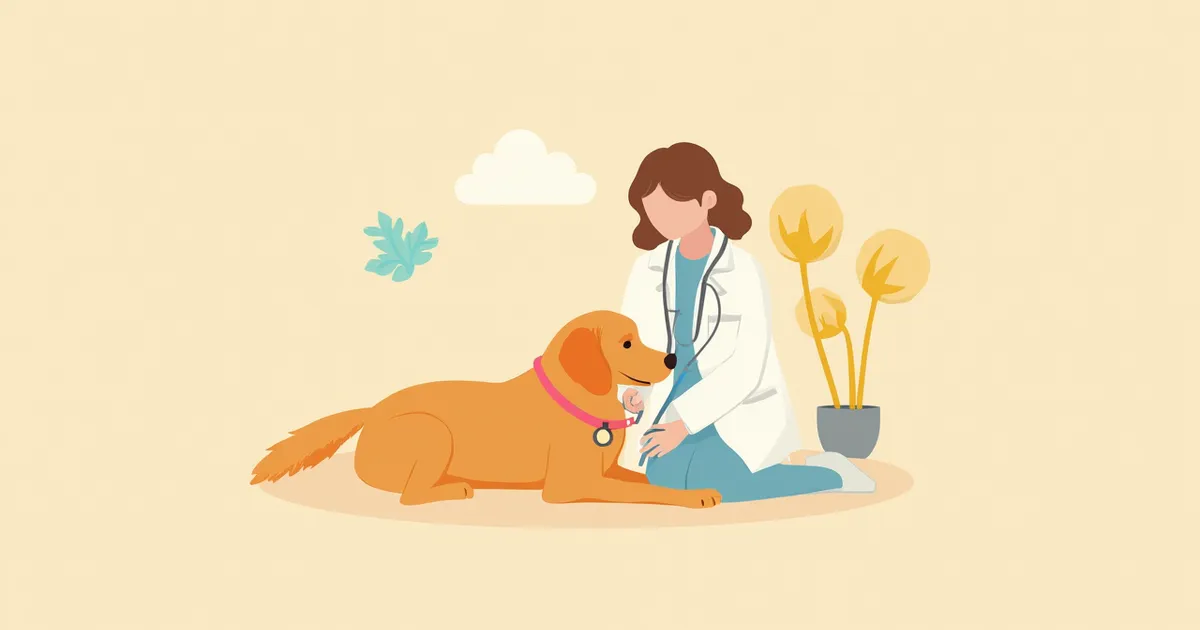
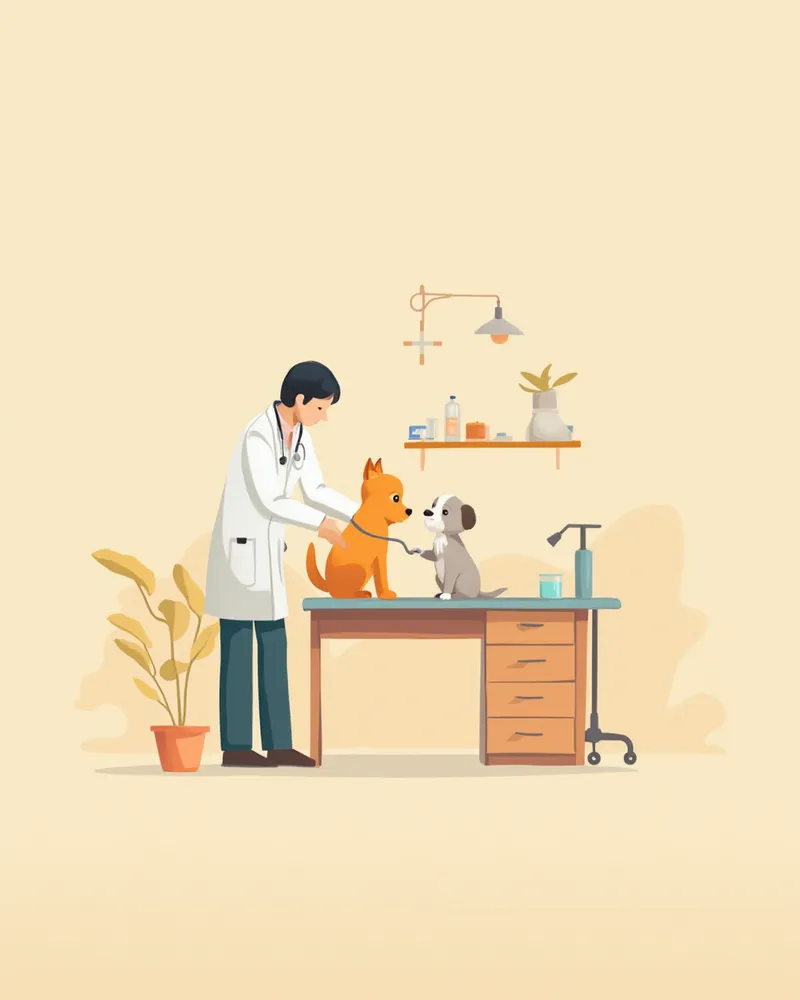
A veterinarian examining a dog at an animal hospital

Criteria for Immediate Veterinary Care

If any of the following apply, time is of the essence. Head to a 24-hour emergency clinic immediately. - You are certain your pet ingested 8 mg or more per kilogram of body weight. - You are unsure of the exact dose, but pills are missing. - Your pet is showing any of the following symptoms: vomiting, bloody stool, black/tarry stool, or seizures. - Ingestion occurred recently (within the window for inducing vomiting). Ibuprofen is absorbed very quickly, so inducing vomiting is most effective within 30 minutes of ingestion. However, if a large amount was consumed, it may still be effective up to 3–6 hours later if the medication has formed a mass (bezoar) in the stomach. In such cases, a veterinarian can induce vomiting and administer activated charcoal to prevent absorption. The longer you wait, the harder it becomes to reverse the damage.

What Owners Should Do Before Going to the Vet

Bringing the right items and information will help speed up the examination. - Bring the original packaging or bottle of the medication ingested (to verify ingredients and dosage). - Note the time of ingestion and the estimated amount (how many pills are missing). - Have your dog’s weight and the time of their last meal ready. - If there is vomit or stool, bring it in a plastic bag (to check for signs of bleeding). ❌ What you must never do at home: Inducing vomiting with salt water or hydrogen peroxide, as seen online, can cause additional damage to the esophagus and stomach. Vomiting should only be induced by a veterinarian using safe medications.
A pet owner’s hand gathering the medication packaging

Treatment at the Veterinary Clinic

In the emergency room, treatment is administered in stages based on the time and amount ingested. - Early stage (within 30 minutes to a few hours of ingestion): Induce vomiting with safe medications → Administer activated charcoal (1–2 g/kg) to adsorb any remaining drug. - Gastrointestinal protectants: Use omeprazole, sucralfate, etc., to protect the mucosa and prevent bleeding. - Fluid therapy: If the dose approaches nephrotoxic levels, maintain renal blood flow and promote drug excretion through at least 48 hours of intravenous fluid diuresis. - Renal parameter monitoring: Track BUN (blood urea nitrogen), creatinine, and SDMA over 24–72 hours. - In cases of severe renal failure: Some veterinary hospitals may offer therapeutic plasma exchange (TPE) or hemoperfusion with activated charcoal to remove the drug. The veterinarian will determine the length of hospitalization and medications based on the pet’s weight and the amount ingested.

Post-Discharge Home Care Points

Discharge doesn’t mean the end of treatment. Kidney failure and gastric ulcers can continue to progress for several more days. - Complete the full course of gastrointestinal protectants: Typically 7–14 days; do not stop medication without veterinary guidance. - Low-protein, low-phosphorus prescription diet: Maintain the prescribed diet for a set period to reduce stress on the kidneys. - Monitor water intake and urine output: Return for re-evaluation if there is a sudden decrease or increase. - Check stool color daily: The reappearance of black, tarry stools may indicate recurrent bleeding. - Follow-up testing: We recommend monitoring kidney values at 1 week, 2 weeks, and 1 month post-discharge. In some cases, poisoning can lead to chronic kidney disease (CKD), so long-term monitoring is essential.

Ibuprofen Poisoning Prevention Guidelines

All human pain relievers are dangerous for dogs. This includes not only ibuprofen but also acetaminophen (Tylenol), naproxen, and aspirin. - Always store medications in drawers or cabinets that are out of your dog’s reach. - Keep bags and handbags elevated off the floor (dogs are often curious about the smell of packaging). - Pick up any dropped pills immediately (even a single small pill can be dangerous). - Never administer human medications on your own, even if your dog is in pain or has a fever — always use prescription medications from a veterinarian.

Reviewed by a veterinarian

Dr. Tony — Punnawat Phongkittirak

Dr. Tony — Punnawat Phongkittirak

Veterinarian

A veterinarian who majored in veterinary medicine at Khon Kaen University, Thailand, and completed the IVSA program at North Carolina State University in the United States. Drawing on clinical experience at animal hospitals, he works in the pet healthcare field and is dedicated to building a digital care environment that connects pet parents with veterinarians.

Frequently Asked Questions

My dog took one ibuprofen tablet, but seems fine. Is it okay to just monitor him?
No, it’s not safe. Kidney damage typically begins to show as elevated kidney markers (BUN and creatinine) within 12 hours of ingestion, progressing to renal failure over 24 to 72 hours. Gastrointestinal bleeding may not appear until as late as four to five days after ingestion. Even if your pet seems fine initially, internal damage may already be underway. A single 200 mg tablet poses a risk of acute renal failure in extra-small dogs weighing around 2 kg, and even larger dogs are at risk for gastric ulcers. Please take your pet to a veterinary clinic immediately.
Can I give ibuprofen to my dog for pain relief?
Absolutely not. Human ibuprofen has a very narrow safety margin in dogs, and even the previously recommended dose of 5 mg/kg is no longer advised due to the risk of adverse effects. For canine pain, there are specific veterinary NSAIDs such as carprofen and meloxicam. These medications must only be administered under a veterinarian's prescription.
Are cats more sensitive to ibuprofen than dogs?
Yes, cats are more sensitive to NSAIDs than dogs, and textbooks note that adverse effects can occur even at doses about half of those used for dogs. In households with multiple cats or dogs, the same level of storage precautions is necessary for all pets.
Can I keep activated charcoal at home and give it to my pet in an emergency?
We do not recommend it. Activated charcoal can cause aspiration pneumonia if the dosage or administration method is incorrect. It must only be given under veterinary supervision. The quickest and safest step you can take at home is to bring the medication packaging and head straight to the clinic.
Will the kidneys fully recover after treatment for poisoning?
Starting intravenous fluid therapy within 18 hours of ingestion significantly improves the prognosis, with most pets making a full recovery. However, if treatment is delayed beyond 18 hours or the condition is severe, it can progress to chronic kidney disease (CKD) or become life-threatening. Even after recovery, we recommend regular kidney function tests for 6 months to a year.

Share

Related Guides

References

[1] Plumb's Veterinary Drug Handbook, 10th Edition (수의약리학 교과서)

[2] Small Animal Toxicology, 3rd Edition (소동물 중독학 교과서)

[3] Notes on Canine Internal Medicine, 4th Edition (수의내과학 교과서)

[4] Clinical Medicine of the Dog and Cat, 4th Edition (수의임상의학 교과서)

This information is based on veterinary literature and does not replace diagnosis or treatment. Please consult a veterinarian for specific health concerns.

Metapet Co., Ltd. | CEO: Park Sung-yong | Business Reg. No. 417-88-02562 | Seoul, South Korea | Customer Center

Dog Ate Ibuprofen? Emergency Care for GI Bleed & Kidney Failure | Meongsiljang