Like
Share
멍실장
동물 신경과 전문의 진료 가이드: 언제, 어떻게 받아야 할까?

Guide to Veterinary Neurology Consultations: When and How to Seek Care

Brain & CognitionQ&AMeongsiljang Veterinary Advisory Board

We’ll explain when to see a veterinary neurologist if you suspect neurological issues like seizures, paralysis, or gait abnormalities, along with how to prepare and what tests to expect.

What Is Veterinary Neurology?

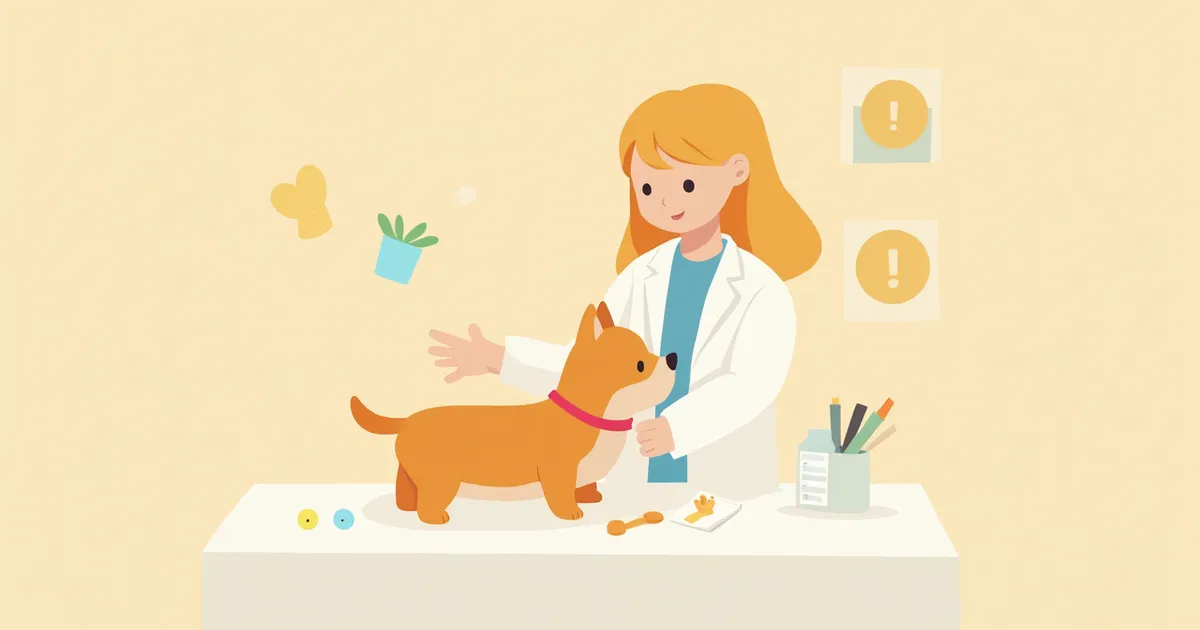
A veterinary neurologist performing a reflex examination on a dog.
Veterinary neurology specializes in diagnosing and treating disorders of the brain, spinal cord, peripheral nerves, and muscles in dogs and cats. The most critical factor is early intervention. If your pet experiences repeated seizures, sudden hindlimb paralysis, or head tilting, don’t settle for general practice alone—seek evaluation by a neurology specialist. Head tilting is a common sign of vestibular system dysfunction, and prompt assessment with a thorough neurological exam is key to guiding recovery.

How Does Neurology Care Differ from General Veterinary Care?

General veterinary clinics handle primary care, such as routine checkups, vaccinations, and treatment of mild conditions. In contrast, veterinary neurology departments provide secondary care, including specialized neurological examinations, diagnostics, and surgery. These departments are typically found at university veterinary hospitals or 24-hour comprehensive animal medical centers. Because they require advanced equipment and specialized personnel for procedures like neurological assessments (evaluating reflexes, sensation, and gait), MRI, CT scans, and cerebrospinal fluid analysis, general clinics often lack the capacity to perform these complex diagnostics.

Emergency Signs Requiring Immediate Neurological Care

If your pet exhibits any of the following symptoms, it is safer to bypass primary care clinics and go directly to a 24-hour emergency neurology center. First, seizures that last for an extended period or recur in rapid succession. Second, paralysis affecting the hind legs or all four limbs. Third, decreased level of consciousness—such as no response to their name or a stuporous/comatose state. Fourth, severe head tilting to one side accompanied by continuous circling. Seizures, paralysis, and decreased consciousness are evaluated as emergency neurological conditions, while head tilting and circling are commonly associated with vestibular system disorders. If symptoms progress rapidly, seek emergency veterinary care immediately without delay.

When to Schedule a Neurology Appointment Based on Symptoms

While these symptoms don’t necessarily indicate an emergency, it’s a good idea to schedule a veterinary appointment if they persist.
Recurrent seizures: When seizures happen repeatedly or when epilepsy, such as idiopathic epilepsy, is suspected.
Gait abnormalities: Stumbling (ataxia), dragging a leg, or limping.
Head tilt: Suggestive of vestibular disease—often accompanied by nystagmus (involuntary eye movements) and circling.
Facial paralysis: Drooping on one side of the face, including the eye, ear, and mouth (indicating cranial nerve dysfunction, such as of the facial nerve).
Behavioral changes: Disorientation, staring blankly at walls.
Pain response: Crying out when the neck or back is touched, or inability to climb stairs.
A concerned pet owner holding their dog, which is tilting its head.

Main Types of Tests Performed in Neurology

A neurologist first estimates the location of the problem through a neurological examination (reflexes, sensation, gait) and then proceeds with imaging tests. MRI is the standard for diagnosing soft tissue diseases of the brain and spinal cord (meningitis, disc disease, brain tumors). CT is excellent for examining the bony structure of the skull and spine and for detecting hemorrhage. Cerebrospinal fluid (CSF) analysis is used to differentiate inflammatory diseases, while electromyography (EMG) is used to assess muscle and peripheral nerve disorders. Most of these procedures require general anesthesia.

MRI vs. CT — When to Choose Which Test?

ItemMRICT
Main UseBrain and spinal cord soft tissueBone, skull, and hemorrhage
Exam Duration40–90 minutes5–15 minutes
Anesthesia RequiredGeneral anesthesia requiredGeneral anesthesia required
Representative IndicationsMeningitis, disc disease, brain tumorFracture, hydrocephalus, acute hemorrhage
Estimated Cost (reference)Relatively highRelatively low

Exact costs vary by clinic and region. Depending on the veterinarian's judgment, MRI and CT may be performed together.

Essential Preparations Before a Neurology Visit

To improve diagnostic accuracy, your observations are so crucial that they account for half the diagnosis.
Seizure video: Record the seizure on your phone, noting duration and frequency.
Onset of symptoms: The date and circumstances when symptoms first appeared.
Current medications: A complete list of all medications and supplements your pet is taking.
Past medical records: Copies of previous blood test and X-ray results.
Fasting: Since general anesthesia may be required, we recommend fasting for 8–12 hours before the visit (please confirm when booking).
A pet owner filming their dog’s symptoms on a smartphone and preparing medical records for the vet visit

Is General Anesthesia Always Necessary?

MRI, CT, and cerebrospinal fluid tests require the pet to remain completely still to obtain accurate images, so general anesthesia is essential. Senior dogs, pets with heart disease, and brachycephalic breeds (such as Bulldogs and Pugs) may face higher anesthesia risks. Neurologists assess anesthesia safety in advance through blood tests, electrocardiograms, and chest X-rays. If you have concerns, you can request a consultation with an anesthesiologist during your visit.

Post-Treatment Care and Follow-Up Visit Schedule

Long-term management is key for neurological conditions. Once medication begins, do not stop it on your own—especially with anti-seizure drugs, as abrupt discontinuation can trigger more severe seizures. Follow-up visits are typically scheduled every 1–3 months, with intervals extended once symptoms stabilize. At home, keep a seizure log (date, time, duration, and characteristics) and remove environmental hazards that pose a fall risk, such as stairs or slippery floors. If symptoms worsen suddenly, do not wait for a scheduled appointment; contact us immediately.

Reviewed by a veterinarian

Dr. Tony — Punnawat Phongkittirak

Dr. Tony — Punnawat Phongkittirak

Veterinarian

A veterinarian who majored in veterinary medicine at Khon Kaen University, Thailand, and completed the IVSA program at North Carolina State University in the United States. Drawing on clinical experience at animal hospitals, he works in the pet healthcare field and is dedicated to building a digital care environment that connects pet parents with veterinarians.

Frequently Asked Questions

Where is the Department of Veterinary Neurology located?
They are located at university veterinary hospitals across the country (such as Seoul National University, Konkuk University, and Chungnam National University) and major secondary veterinary medical centers. If you bring a referral form from your primary clinic, the diagnosis and treatment process will proceed more quickly.
How long does it take to schedule a veterinary appointment?
For routine appointments, a wait time of one to three weeks is common. In case of an emergency (such as persistent seizures or paralysis), you can go directly to the 24-hour emergency clinic for same-day treatment.
Can cats also receive veterinary neurology care?
Yes, cats can develop a variety of neurological conditions, including vestibular syndrome (vestibular system disorders), inflammatory brain diseases such as encephalitis, and ischemic (vascular) brain diseases, so they often require neurological evaluation and treatment.
I’m worried about the cost of an MRI. Is it really necessary?
Neurological conditions are difficult to diagnose accurately without imaging tests. You can consult with your veterinarian about starting with a CT scan, and also check whether your pet insurance covers the procedure or if installment payment options are available.
Is it possible for the test results to come back normal?
Yes. There are conditions, such as idiopathic epilepsy, where no abnormalities are visible on imaging. In these cases, we make a comprehensive diagnosis based on the pattern of symptoms and the results of blood and cerebrospinal fluid tests.

Share

Related Guides

References

[1] Dewey CW, da Costa RC. Practical Guide to Canine and Feline Neurology, 3rd Edition, Wiley-Blackwell, 2015

[2] de Lahunta A, Glass E, Kent M. Veterinary Neuroanatomy and Clinical Neurology, 5th Edition, Elsevier, 2020

[3] Platt SR, Olby NJ. BSAVA Manual of Canine and Feline Neurology, 4th Edition, BSAVA, 2013

This information is based on veterinary literature and does not replace diagnosis or treatment. Please consult a veterinarian for specific health concerns.

Metapet Co., Ltd. | CEO: Park Sung-yong | Business Reg. No. 417-88-02562 | Seoul, South Korea | Customer Center

Veterinary Neurology: When to See a Specialist | Meongsiljang