Like
Share
멍실장
강아지 개 회충(톡소카라) 자주 묻는 질문 Q&A — 보호자가 꼭 알아야 할 핵심

Dog Roundworm (Toxocara) Frequently Asked Questions Q&A — Key Information Every Pet Owner Must Know

Infection/ParasitesQ&AMeongsiljang Veterinary Advisory Board

Dogs can carry roundworms (Toxocara), a common internal parasite that also poses a risk of infection to humans, so it's important to stay vigilant. Here’s a summary of the key information every pet owner should know.

What Are Dog Roundworms (Toxocara)?
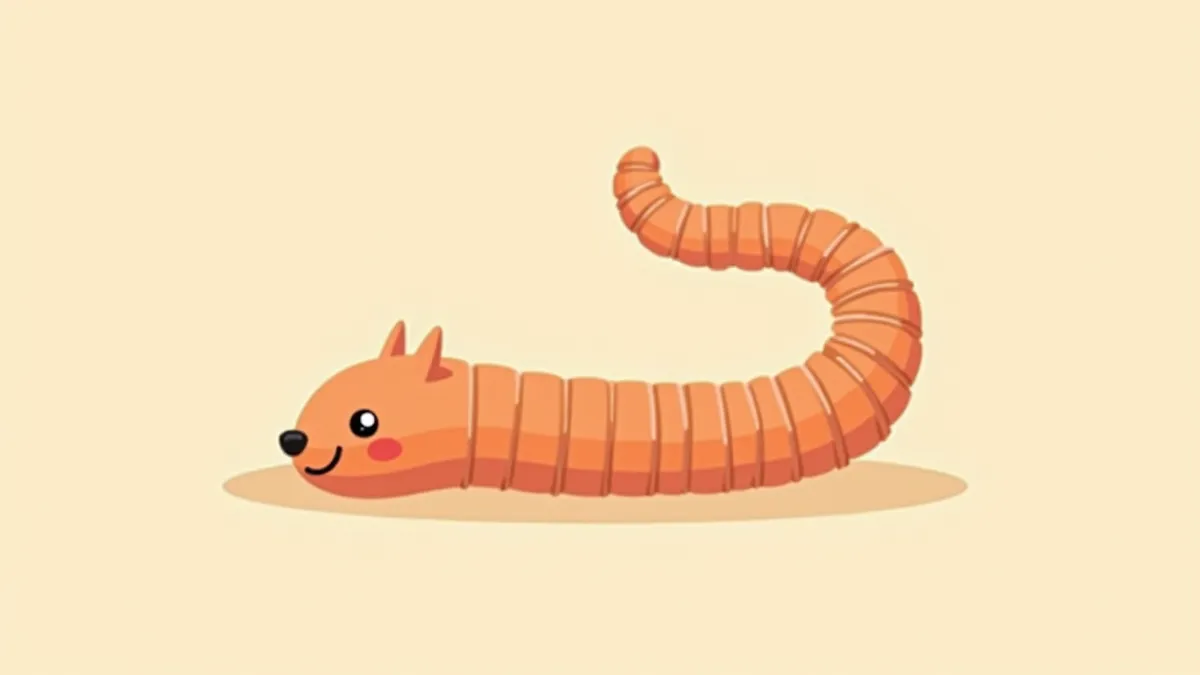
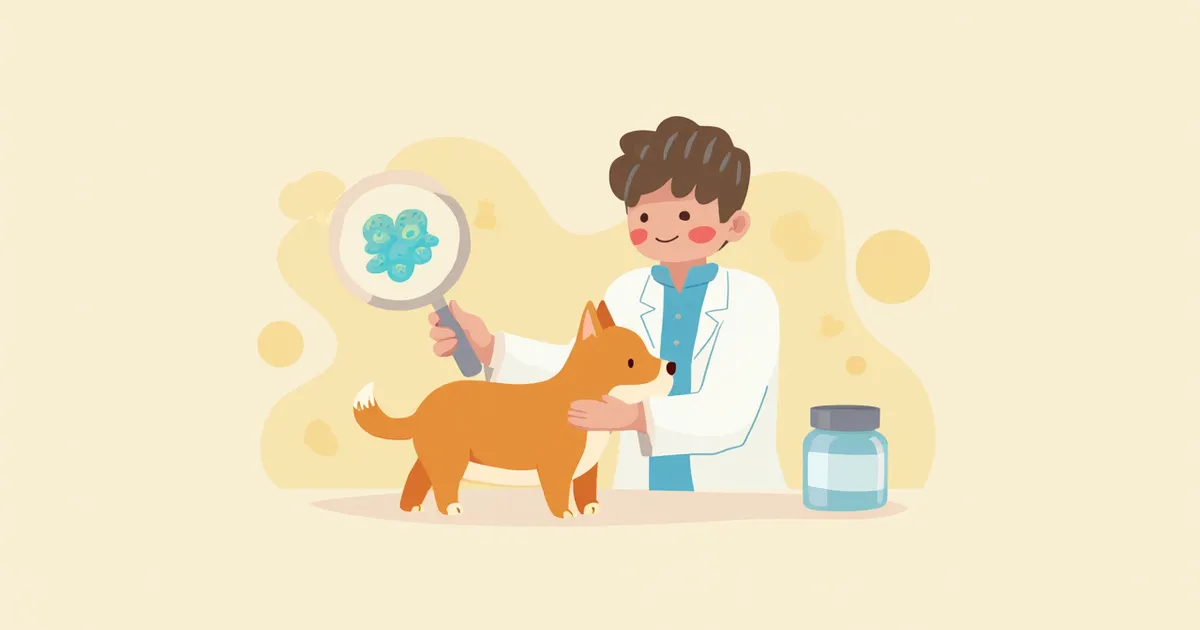
An anatomical illustration of roundworms inside a puppy’s small intestine
Dog roundworms (Toxocara) are nematode parasites that live in a puppy’s small intestine and are zoonotic pathogens that can also infect humans, so they require careful attention. In young children, migrating larvae can travel through the body to various organs, potentially invading the eyes or nervous system and causing serious complications. These parasites are transmitted via transplacental and lactogenic routes from mother to offspring, as well as through oral ingestion of contaminated soil or food, and they are easily encountered in soil or on contaminated objects. In the early stages of infection, symptoms are often subtle or absent, making it difficult to detect. However, roundworm treatments are relatively safe and straightforward, so early detection and treatment typically lead to a good recovery.

Why Are Dog Roundworms Dangerous to Pet Owners?
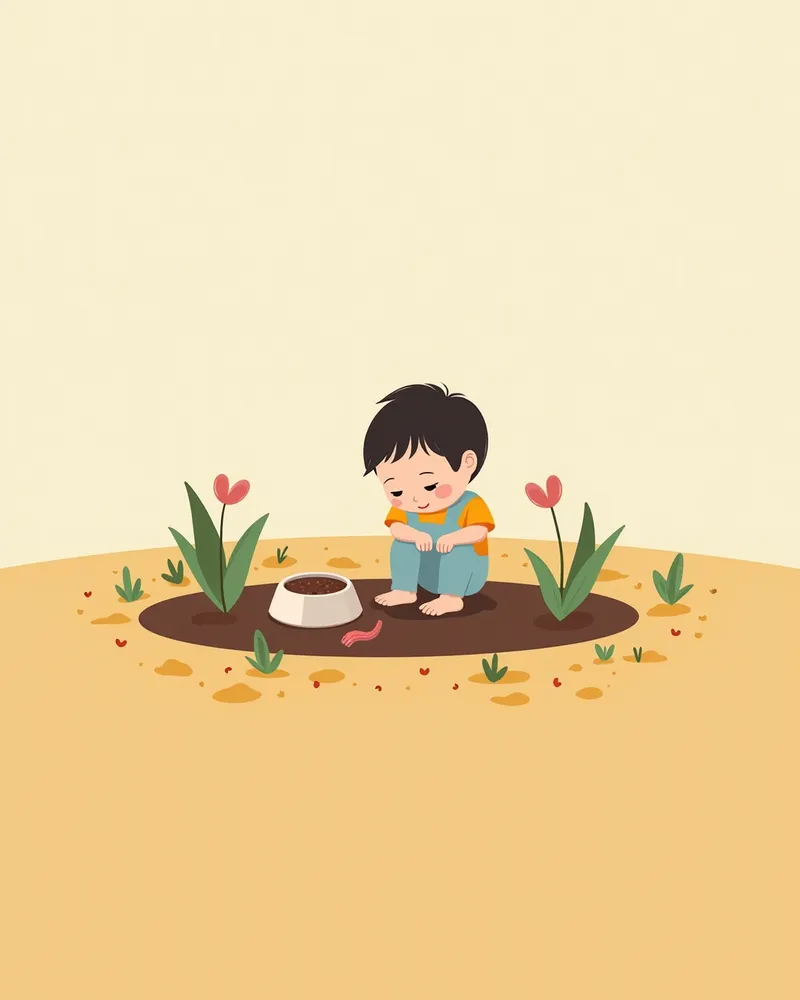
Dog roundworms (Toxocara) are zoonotic parasites that can also infect humans. Young children are at particular risk if they touch contaminated soil and then put their hands in their mouths. Once inside the human body, the larvae migrate through the bloodstream and can enter various organs such as the eyes, brain, and liver, causing inflammation and damage. This condition, in which migrating larvae cause disease as they move through organs, is called larva migrans. Depending on the affected site, it is classified as visceral larva migrans, ocular larva migrans, or neural larva migrans, and can lead to vision loss or neurological problems. Visceral larva migrans is reported more frequently in children aged 2 to 7 years. Therefore, managing parasites in dogs is not just about protecting your dog’s health; it is an important preventive measure for safeguarding the health of your entire family.
A scene of children playing in contaminated soil

What Are the Main Causes of Dog Roundworm Infection?

The primary causes of roundworm infection in puppies are contaminated soil and food. Larvae can also be transmitted through the placenta from the mother, leading to congenital infection. Additionally, larvae may be passed through the mother’s milk, which is a major route of early postnatal infection. The risk of infection increases if a puppy repeatedly licks soil or contaminated objects. In particular, the more time a puppy spends in outdoor environments such as playgrounds or parks, the higher the likelihood of infection. Therefore, it is important to develop the habit of thoroughly cleaning your puppy’s paws and face after outdoor activities.
A scene of a puppy licking contaminated soil

Comparison of Dog Roundworm Infection Symptoms by Stage

ItemMildModerateSevere
Digestive symptomsMild diarrheaRecurrent diarrhea, vomitingPersistent vomiting and diarrhea, bloody stool
Systemic symptomsSlight fatigueWeight loss, reduced appetiteLethargy, abdominal distension, stunted growth
Other symptomsNo obvious symptomsAbdominal distension, changes in appetiteCoughing and respiratory symptoms due to larval migration through the lungs; risk of death in severe cases

Symptoms vary by stage of infection, and early detection improves the treatment success rate.

How Are Dog Roundworms Treated?

To treat roundworms in dogs, veterinarians commonly prescribe dewormers such as pyrantel pamoate, fenbendazole, or milbemycin oxime. These medications work by paralyzing or killing the roundworms in the intestines, allowing them to be expelled through the feces. For puppies or dogs with confirmed infections, a single dose is often insufficient; instead, multiple treatments are administered at intervals as directed by your veterinarian. After treatment, a fecal examination is performed to confirm that worm eggs are no longer present, ensuring the therapy was effective. Always administer medication exactly as prescribed by your veterinarian based on your dog’s weight. Do not give extra doses on your own, as this can cause adverse side effects. During treatment, promptly clean up your dog’s feces and practice thorough handwashing to help prevent reinfection and the spread of parasites.
A veterinarian administering deworming medication to a puppy.

Signs Requiring Immediate Veterinary Visit

If your dog experiences persistent vomiting, diarrhea, bloody stools, severe lethargy, abdominal distension, coughing, or difficulty breathing, seek veterinary care immediately. These symptoms may indicate that roundworms or migrating larvae have caused significant damage to the intestines, lungs, or other organs. In puppies, infections can progress rapidly and become life-threatening, making early diagnosis and treatment critical for survival.

Practical Tips for Preventing Dog Roundworms
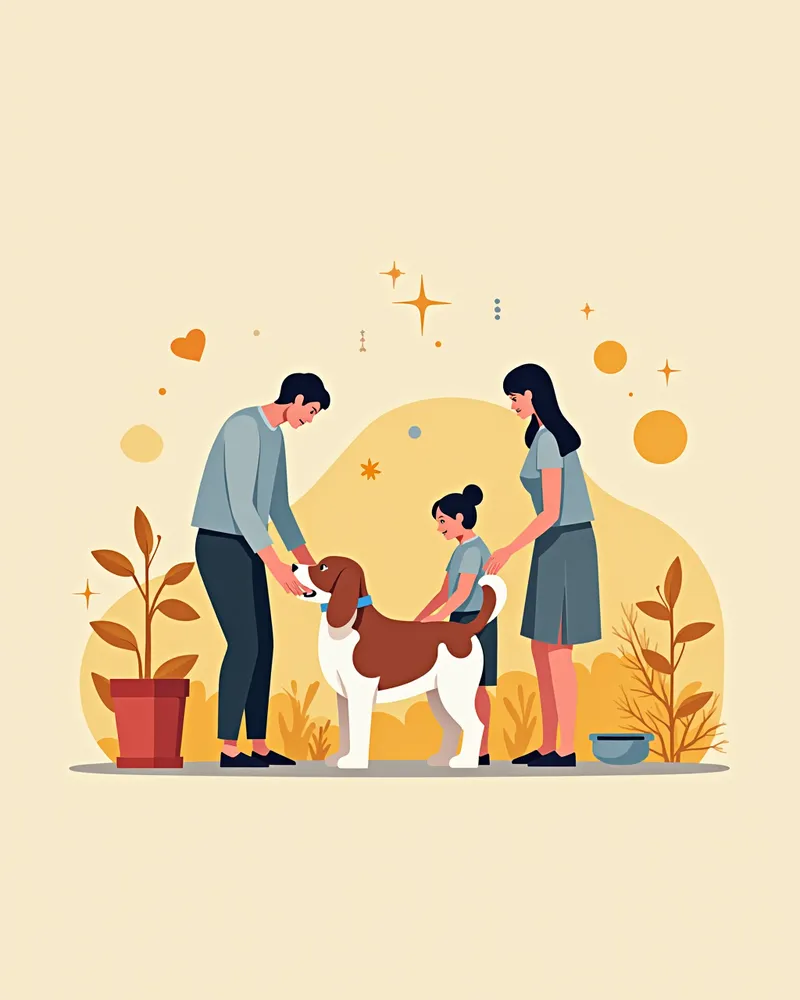
Preventing roundworms in dogs starts with daily habits. Since roundworm eggs can survive in soil for years, it’s important to clean up your dog’s feces as quickly as possible and minimize defecation outside of designated areas. Additionally, discourage your dog from licking soil, and make it a habit to thoroughly clean their paws and your hands after going outdoors. Most roundworm infections occur during puppyhood, so it’s effective to administer regular deworming (preventive medication) according to the schedule recommended by your veterinarian. Combining regular vet visits with fecal exams can further reduce the risk of infection.
A family washing their hands after playing with their puppy.

Key Checkpoints for Preventing Dog Roundworms
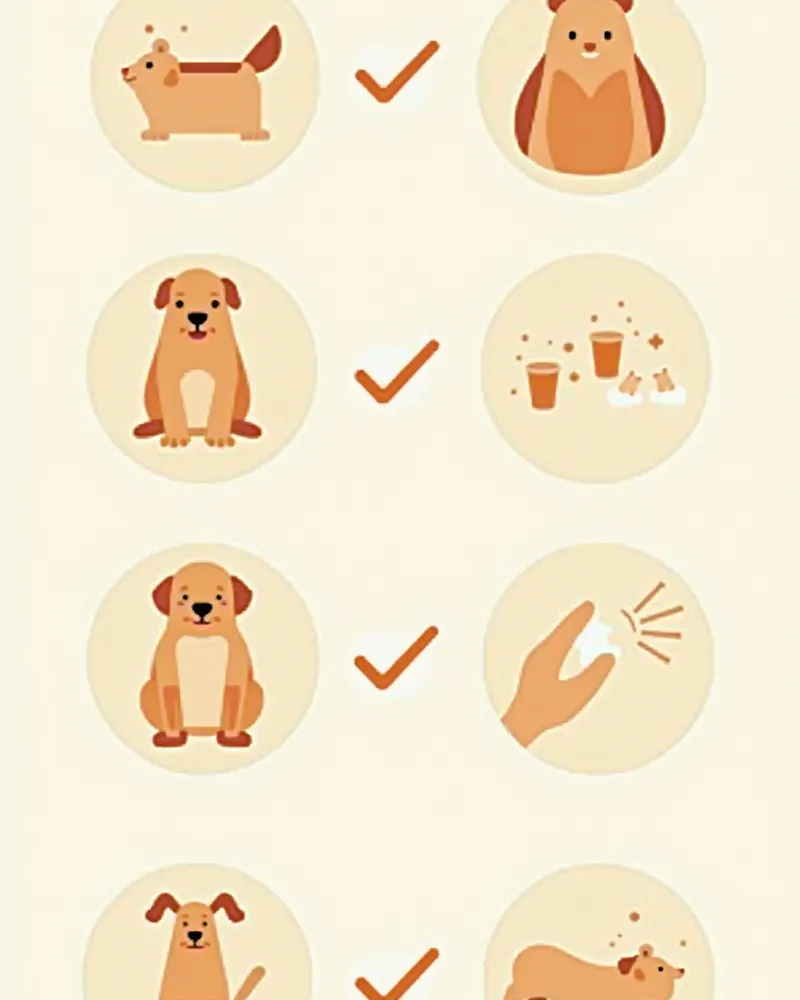
Regular deworming: Administer preventive medication according to the schedule recommended by your veterinarian, starting from puppyhood.
Prompt removal of feces: Clean up feces immediately to prevent contamination of the external environment.
Wash paws and hands after going outside: If there’s a chance your dog has licked dirt, wipe its paws and hands right away.
Clean the indoor environment: Regularly clean and disinfect areas where your dog spends most of its time.
Consult your veterinarian: Discuss the prevention schedule and medication choices with your vet.
Illustration of a checklist for preventing roundworms in puppies

Reviewed by a veterinarian

Dr. Tony — Punnawat Phongkittirak

Dr. Tony — Punnawat Phongkittirak

Veterinarian

A veterinarian who majored in veterinary medicine at Khon Kaen University, Thailand, and completed the IVSA program at North Carolina State University in the United States. Drawing on clinical experience at animal hospitals, he works in the pet healthcare field and is dedicated to building a digital care environment that connects pet parents with veterinarians.

Frequently Asked Questions

Can dog roundworms be transmitted to humans?
Yes, roundworms (Toxocara) in dogs can also infect humans, as they are a zoonotic parasite. Young children are at particularly high risk of infection if they touch contaminated soil or put their hands in their mouths.
When should I start giving my puppy deworming medication for roundworms?
Since roundworm infections typically occur in early life, it’s recommended to start deworming puppies on a regular schedule as advised by your veterinarian. Beginning treatment early is key to preventing initial infection.
What should I do if my pet develops diarrhea after taking deworming medication?
Temporary diarrhea may occur after administering the medication. However, if it persists or is accompanied by blood in the stool, consult your veterinarian immediately, as this could indicate an overdose or an adverse reaction.
What should I do if it looks like my dog has passed roundworms?
If you suspect your dog has eaten dirt or contaminated objects, it’s safest to visit the vet right away for a stool test. Early detection significantly improves the chances of successful treatment.
Is roundworm prevention necessary even for indoor pets?
Yes, contaminated soil or feces can be present even indoors. It’s especially important to regularly clean and disinfect areas where your dog frequently goes to the bathroom.

Share

Related Guides

References

[1] Plumb's Veterinary Drug Handbook, 9th Edition, 2022

[2] Clinical Medicine of the Dog and Cat, 4th Edition, 2021

[3] Principles and Practices of Canine and Feline Clinical Parasitic Diseases, 2020

This information is based on veterinary literature and does not replace diagnosis or treatment. Please consult a veterinarian for specific health concerns.

Metapet Co., Ltd. | CEO: Park Sung-yong | Business Reg. No. 417-88-02562 | Seoul, South Korea | Customer Center

Dog Roundworm (Toxocara): Essential Owner FAQs | Meongsiljang