
Like
Share
멍실장
고양이 임신·수유 중 기생충 관리 자주 묻는 질문 Q&A — 보호자가 꼭 알아야 할 핵심

Frequently Asked Questions on Parasite Management in Pregnant and Nursing Cats — Key Information Every Pet Owner Should Know

Infection/ParasitesQ&AMeongsiljang Veterinary Advisory Board

Parasite management in pregnant and nursing cats directly impacts the health of both the fetuses and kittens. Here’s a summary of the key information every pet owner should understand.

Parasite Management in Pregnant and Nursing Cats Is the First Step in Saving Lives
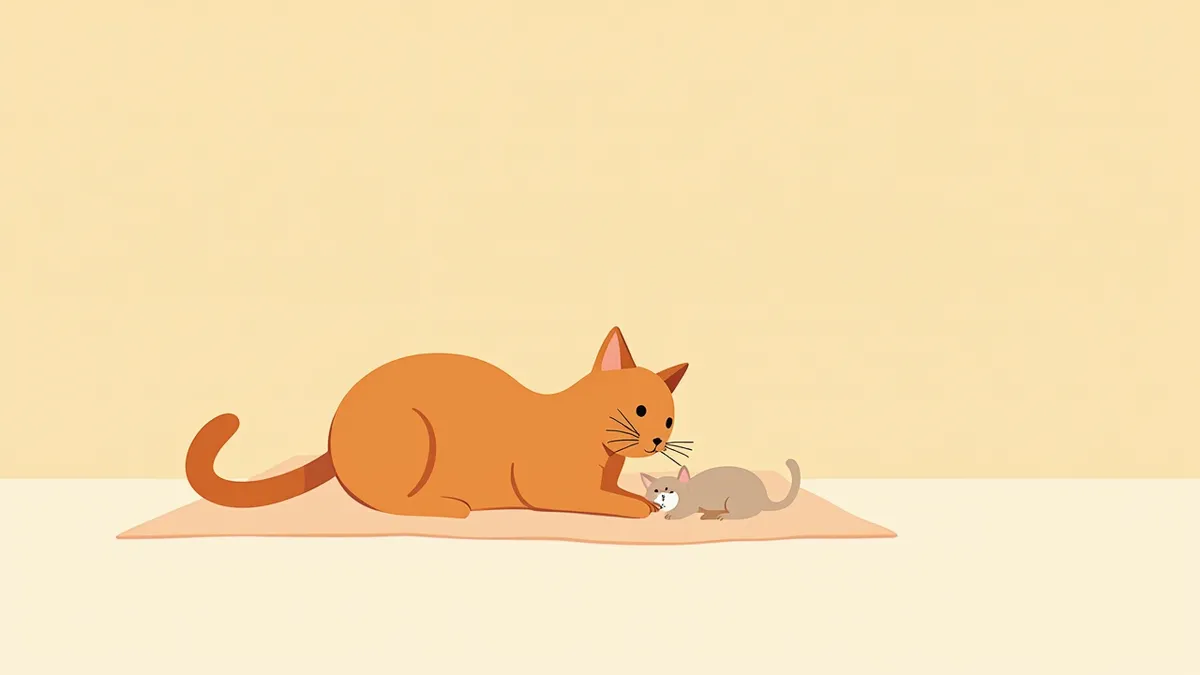
A pregnant cat nursing her kittens
Parasite management in pregnant and nursing cats is essential to safeguarding the health of both the fetus and the kittens. - Risk of Parasitic Infection: Infection during pregnancy can allow certain parasites, particularly protozoa, to affect the placenta and fetus, potentially leading to miscarriage, premature birth, or fetal developmental abnormalities. - Risk of Transmission via Milk: Parasites can be transmitted to kittens through breast milk during lactation, making early intervention critical. - Medication Safety: Medications approved for use during pregnancy must only be administered under the direct supervision and guidance of a veterinarian. - Importance of Environmental Hygiene: Consistently maintain good hygiene practices, such as proper food storage, regular litter box cleaning, and wiping your cat’s paws after going outdoors. - Need for Regular Testing: Kittens should undergo regular fecal examinations and deworming according to the schedule recommended by your veterinarian. Adult cats are also generally advised to receive deworming at least four times a year. These measures form the foundation for a safe delivery and healthy kitten rearing.

What Are the Risks of Parasitic Infection During Pregnancy?

Parasitic infections during pregnancy can have serious effects on the fetus. - Risk of transplacental transmission: Certain parasites, particularly protozoa, can cross the placenta and infect the fetus, potentially leading to developmental abnormalities or fetal death. - Risk of premature birth and miscarriage: Severe infections can cause reproductive complications, resulting in premature birth or miscarriage. - Early prevention is essential: It is important to perform parasite testing once pregnancy is confirmed and to develop a management plan in consultation with your veterinarian. - Potential transmission through milk: Parasites can be transmitted to kittens through the milk of an infected mother during nursing, so caution is necessary. - Importance of regular testing: After birth, following your veterinarian’s recommended schedule for routine fecal examinations and deworming is key to ensuring the safety of both the mother and her offspring.
The appearance of fetuses visible in the abdomen of a pregnant cat

What Are the Safe Parasite Medications That Can Be Used During Pregnancy?

What are the safe parasite medications that can be used during pregnancy? - Veterinary guidance is essential: The choice of medication depends on the stage of pregnancy, so professional consultation is absolutely necessary. - Examples of safe medications: Some dewormers may be used at specific stages of pregnancy under veterinary judgment, but only medications with confirmed safety should be selected based on your veterinarian's advice. - Risks of medications: Some medications can cause birth defects or other side effects in the fetus, so never administer them without proper guidance. - Timing of medication: The timing and dosage for use during pregnancy should be determined in consultation with your veterinarian, and you should never make decisions on your own. - Regular monitoring is necessary: Even after administering medication, it is important to continuously monitor your pet's condition together with your veterinarian.
A veterinarian holding deworming medication specifically formulated for pregnant cats.

Comparison of Timing for Parasite Medication Use During Pregnancy and Nursing

ItemUsable MedicationsPrecautions
Early pregnancyPermitted only under veterinary judgmentDuring early pregnancy, most medication use should be avoided, and expert consultation is essential
Mid to late pregnancyOnly certain dewormers with confirmed safety can be used under veterinary judgmentDecide only after consulting your veterinarian, considering the effect on the fetus
Lactation period (after birth)Only certain medications with low risk of transfer into breast milk can be used under veterinary judgmentChoose only medications safe for the kittens, and consult your veterinarian about whether to suspend nursing after administration

All medications must be used after a veterinary prescription, and the timing and dosage vary depending on the cat's body weight and stage of pregnancy.

Does Administering Parasite Medication to a Nursing Cat Affect Her Kittens?

When a nursing cat takes deworming medication, some of the active ingredients can pass to her kittens through her milk. - Risk of transfer via milk: Certain medications may cause side effects in kittens, so careful consideration is essential. - Use only veterinarian-recommended medications: Administer only drugs with confirmed safety profiles, and strictly adhere to the prescribed timing and dosage. - Consider temporarily withholding milk: For some medications, it is recommended to temporarily interrupt nursing after administration; consult your veterinarian to make this decision. - Monitor kitten health: Closely observe the kittens’ appetite, activity level, and stool consistency after the mother receives the medication. - Regular check-ups are essential: Kittens should also undergo routine fecal exams and deworming according to the schedule recommended by your veterinarian.
A nursing mother cat and her kittens

Emergency Situations: When a Cat Exhibits Severe Diarrhea or Vomiting Due to Parasites

If a pregnant or nursing cat exhibits severe diarrhea, vomiting, bloody stools, or signs of shock, immediate veterinary attention is necessary. These symptoms may indicate a serious parasitic infection or adverse drug reactions, so prompt diagnosis and treatment can be life-saving.

Daily Care Tips for Parasite Management
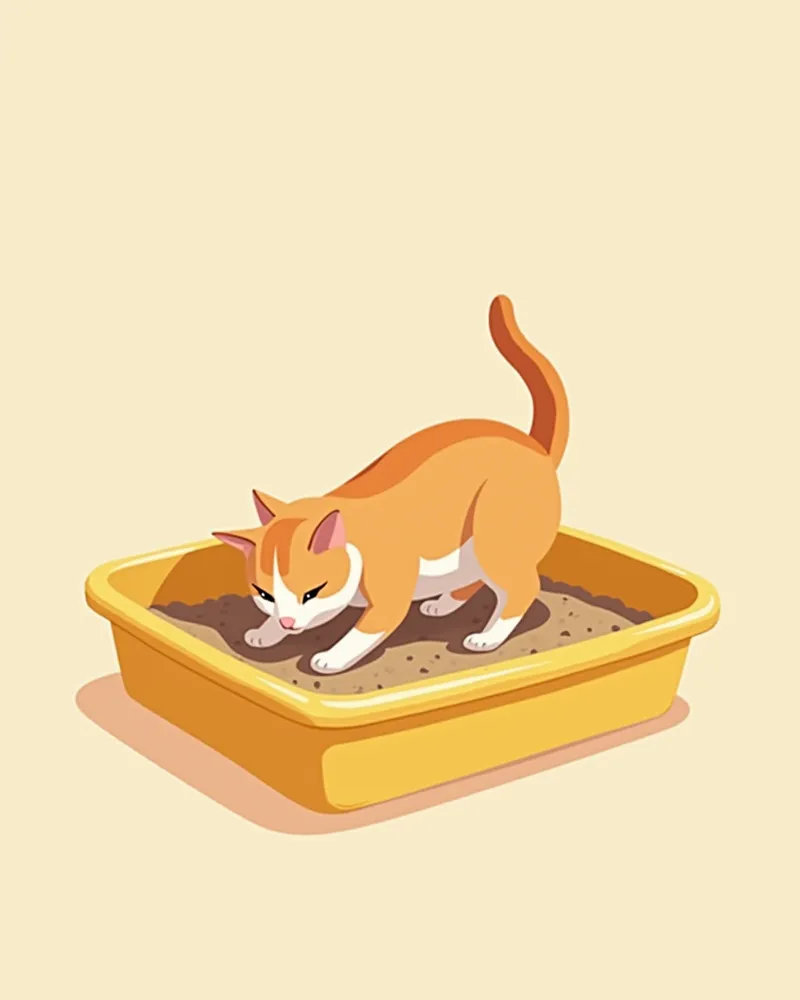
Parasite control isn’t just about medication—it’s equally important to adjust your daily habits. - Keep the environment clean: Clean the litter box at least once a day to promptly remove feces, and store food in airtight containers. - Post-outing care: Wipe your cat’s paws after they come in from outside, and disinfect any toys brought in from outdoors. - Food hygiene: Store opened food in the refrigerator or use it within two weeks. - Regular check-ups: Kittens should undergo regular fecal exams and deworming on the schedule recommended by your veterinarian. - Consult your vet: Always talk to your veterinarian before starting any medication. - Nursing considerations: If your cat is nursing, consult your vet to determine whether certain medications require you to stop nursing.
A clean environment for cats and their natural instinct to groom themselves

Key Checkpoints for Parasite Management

- Early pregnancy check: After confirming pregnancy, conduct a parasite screening. - Veterinary consultation: Always consult your veterinarian before administering any medication. - Environmental hygiene: Maintain good habits such as proper food storage, regular litter box cleaning, and wiping your cat’s paws after going outdoors. - Regular check-ups: Kittens should undergo regular fecal exams and deworming according to your veterinarian’s schedule, while adult cats are generally recommended to be dewormed at least four times a year. - Nursing considerations: Consult your veterinarian regarding whether certain medications may interrupt milk production. - Medication safety: Only use medications that have been confirmed safe for use during pregnancy and lactation. - Ongoing monitoring: Continuously observe both the mother cat and her kittens for any changes after administering medication.
Parasite Management Checklist Icon

Reviewed by a veterinarian

Dr. Tony — Punnawat Phongkittirak

Dr. Tony — Punnawat Phongkittirak

Veterinarian

A veterinarian who majored in veterinary medicine at Khon Kaen University, Thailand, and completed the IVSA program at North Carolina State University in the United States. Drawing on clinical experience at animal hospitals, he works in the pet healthcare field and is dedicated to building a digital care environment that connects pet parents with veterinarians.

Frequently Asked Questions

Is it safe to give deworming medication during early pregnancy?
During early pregnancy, it’s best to avoid most parasitic medications, and a veterinarian’s accurate assessment and prescription are essential. Never self-medicate.
Will deworming medication affect the puppies while the mother is nursing?
Some medications can pass into breast milk, so it’s important to have your veterinarian recommend a safe option and consider whether to temporarily stop nursing after administration.
How often should I have my pet tested for parasites?
After confirming pregnancy, it's a good idea to conduct tests and, postpartum, follow the veterinarian's recommended schedule for regular fecal exams and deworming. Adult cats generally benefit from deworming at least four times a year.
Shouldn’t parasite medications be administered at home by the owner?
The dosage and timing of medication depend on your cat's weight and stage of pregnancy, so it must be determined by a veterinarian. Avoid self-medicating.
How are parasites transmitted to puppies?
Most parasites are transmitted through breast milk, and some can also cross the placenta to infect the fetus. Therefore, early testing and management during pregnancy are crucial.

Share

Related Guides

References

[1] The Cat, Clinical Medicine and Management, 2nd Edition, 2023

[2] Feline Emergency and Critical Care Medicine, 2nd Ed, 2022

[3] A Professional’s Guide to Feline Behaviour, 2021

This information is based on veterinary literature and does not replace diagnosis or treatment. Please consult a veterinarian for specific health concerns.

Metapet Co., Ltd. | CEO: Park Sung-yong | Business Reg. No. 417-88-02562 | Seoul, South Korea | Customer Center

Parasite Care in Pregnant & Nursing Cats: Owner FAQ | Meongsiljang