Like
Share
멍실장
사료 유통기한과 사용 기한, 개봉 후 얼마나 먹일 수 있을까?

Pet Food Expiration Date and Use-By Date: How Long Can You Feed It After Opening?

DigestiveQ&AMeongsiljang Veterinary Advisory Board

The expiration date on pet food refers to the shelf life of the product when it remains unopened. Once opened, dry food should be fed within 4 to 6 weeks, and wet food within 2 to 3 days, to ensure safety.

What’s the Difference Between the Expiration Date and the Use-By Date?
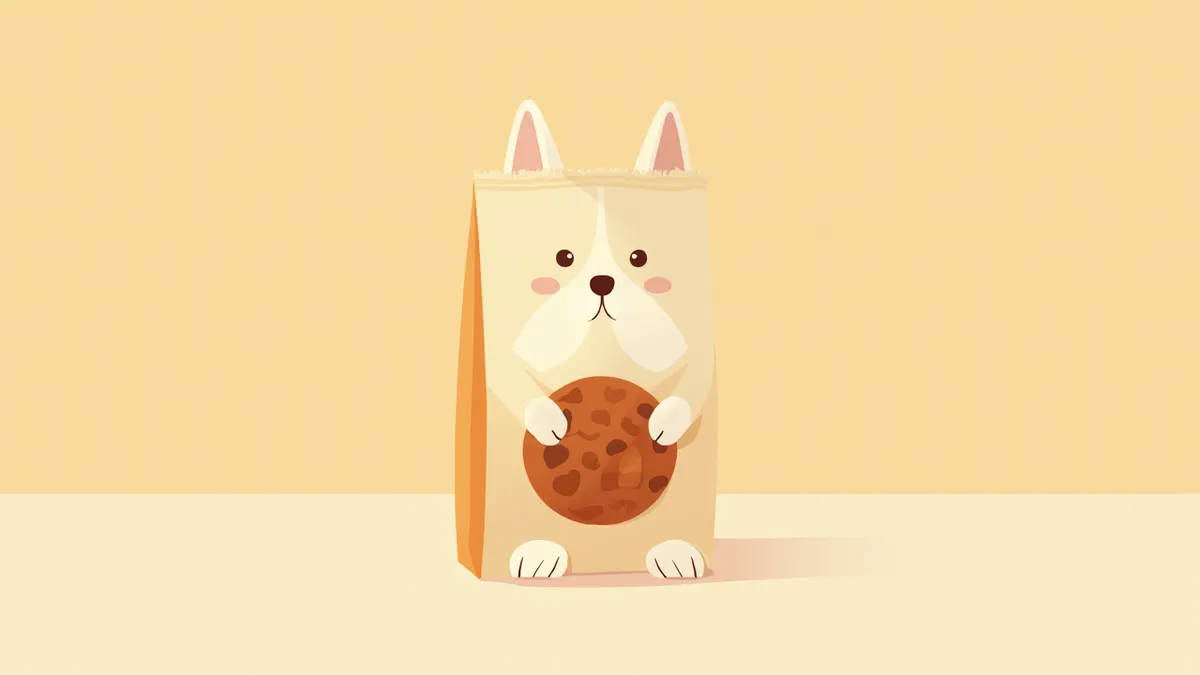
A pet owner's hand checking the expiration date on a bag of pet food
The expiration date on pet food indicates the period during which the manufacturer guarantees its quality and nutritional value, provided the package remains unopened. However, once you open the bag, it’s important to also pay attention to the “use-by date after opening.” Even if the original expiration date is still far off, the food is continuously exposed to air and moisture once opened. Most manufacturers recommend finishing dry food within a few weeks and wet food within a few days after opening, so always check the specific instructions on the product label for accurate timelines. Veterinary toxicology resources also emphasize storing pet food in clean containers in a cool, dry place, as damp conditions can promote mold growth. Therefore, for safety, always carefully assess the freshness of the food before feeding it, regardless of how much time remains on the original expiration date.

Why Is the “Use-By Date After Opening” More Important?

The reason the post-opening expiration date matters is that pet food’s nutritional value and quality gradually decline over time. Veterinary nutrition literature reports that nutrients such as vitamins can be progressively lost during storage. Additionally, the properties of ingredients may change during processing and storage. Pet foods high in fat are especially prone to spoilage when exposed to air, light, and heat for extended periods, so it’s safest to assume that food left open for a long time is no longer as fresh as when first opened, even if the original expiration date hasn’t passed. Therefore, after opening, it’s best to store the food in an airtight container to minimize air exposure and use it up as quickly as possible. Keeping the storage area cool and dry also helps maintain freshness.

Safe Feeding Periods After Opening by Pet Food Type

ItemDry food (kibble)Wet food (cans/pouches)Freeze-dried/raw
Unopened shelf life12–18 months from manufacture date24–36 months from manufacture date12–24 months from manufacture date
Room-temperature storage after openingWithin 4–6 weeksDiscard after feedingWithin 1–2 weeks
When refrigeratedNot recommended2–3 days2–3 weeks
When frozenNot recommended2–3 months6 months

May vary depending on the manufacturer's guidelines and storage conditions.

How to Tell If Pet Food Has Gone Bad — Discard If You See These Signs
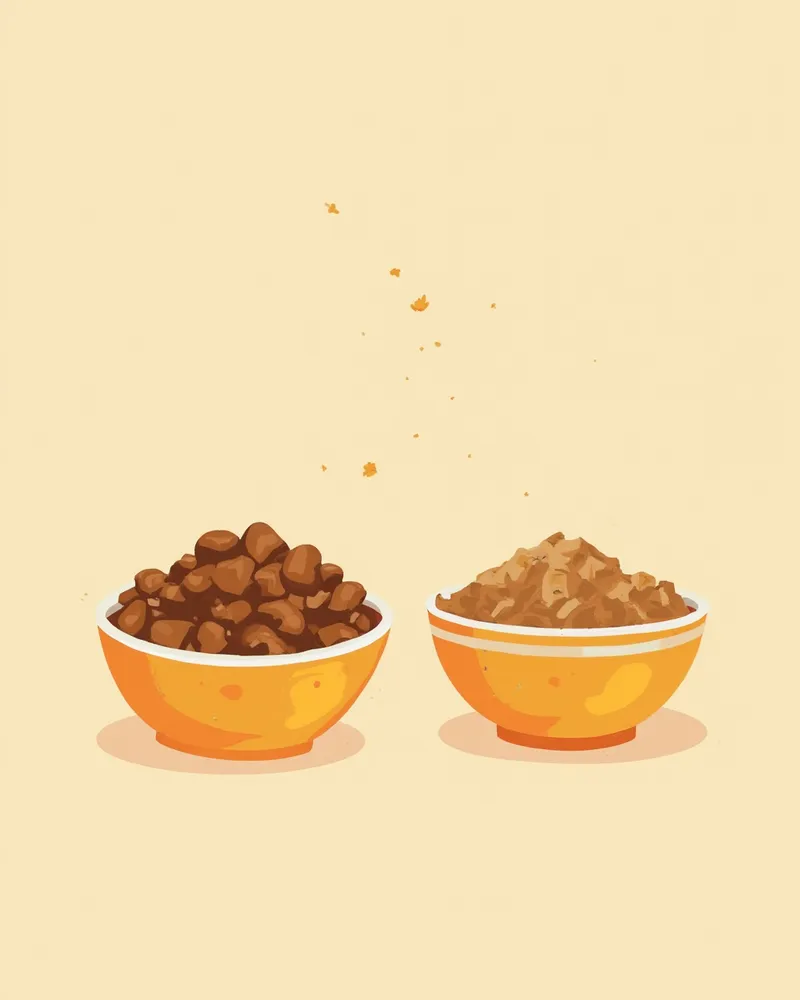
You can tell if pet food has gone bad by watching for these signs:
Rancid or oily odor: This is the most reliable indicator of fat oxidation.
Color changes: The food appears darker than usual or develops white spots.
Dampness or clumping: Kibble pieces stick together or feel soft.
Insects or mold: Discard the food immediately if you see mealworm larvae or mold.
Refusal to eat: If your pet suddenly stops eating food they normally enjoy, suspect spoilage.
Comparison image of normal pet food and spoiled pet food

Never Feed Your Pet in These Cases

Never feed your pet expired food or food that smells off, shows mold, or contains insects, no matter how much it pains you to waste it. Spoiled food can cause vomiting, diarrhea, and loss of appetite, as well as liver and kidney toxicity. Be especially cautious of mycotoxins like aflatoxin, which can cause fatal liver damage even in small amounts. If your pet shows any unusual symptoms after eating suspected spoiled food, seek veterinary care immediately.

5 Tips for Proper Pet Food Storage
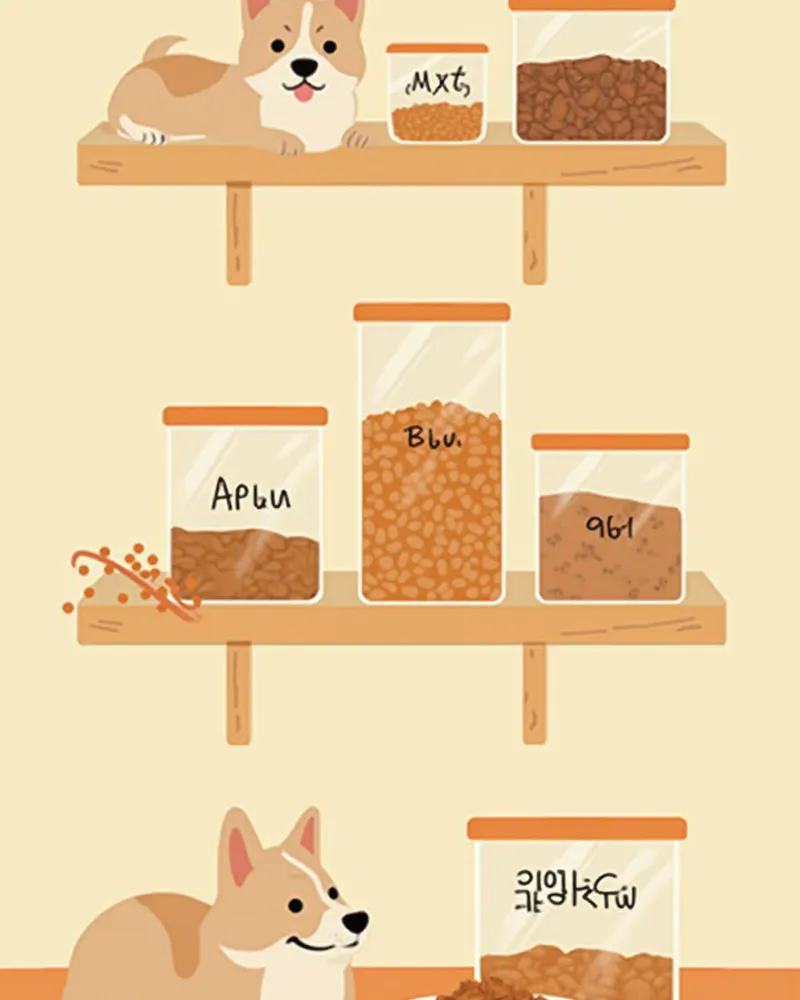
To keep your pet’s food as fresh as possible, follow these storage tips:
Use an airtight container: Place the original bag inside an airtight container (the aluminum lining in the bag helps block oxygen effectively).
Store in a cool, dark place: Avoid direct sunlight and temperature fluctuations, and keep the food in a cool, dry area free from pests.
Keep it dry: Do not store in humid areas like bathrooms or under sinks.
Avoid floor contact: Store on shelves or raised surfaces.
Mark the purchase date: Write the opening date on the bag with a marker.
Store the food in an airtight container after marking the date it was opened.

How to Manage Large-Bag Pet Food

For large-bag dog food (15 kg or more), it’s best to divide it into smaller portions of 1.5–2 kg and store them in separate airtight containers. Repeatedly opening and closing a large bag exposes the food to oxygen, which accelerates rancidity. Keep one portion at room temperature and store the rest in a cool place. If you’re buying enough food to last more than a month, it’s actually better for freshness to purchase two smaller bags instead.

Prescription and Specialty Diets Require Stricter Management

Veterinary prescription diets and specialty formulas (for kidney, liver, low-fat needs, etc.) require stricter expiration-date management than regular pet food, because precise nutrient ratios are critical to their therapeutic effect. It’s recommended to use up prescription food as soon as possible after opening, and the safest approach is to follow the manufacturer’s instructions for the exact shelf life. Purchase prescription diets in smaller quantities more frequently, and consult your veterinarian for a new prescription before the current supply expires.

Reviewed by a veterinarian

Dr. Tony — Punnawat Phongkittirak

Dr. Tony — Punnawat Phongkittirak

Veterinarian

A veterinarian who majored in veterinary medicine at Khon Kaen University, Thailand, and completed the IVSA program at North Carolina State University in the United States. Drawing on clinical experience at animal hospitals, he works in the pet healthcare field and is dedicated to building a digital care environment that connects pet parents with veterinarians.

Frequently Asked Questions

Can I feed my pet food that’s one day past its expiration date?
If the product has remained unopened and was stored properly, it should generally be safe for about a day. However, carefully check for any changes in odor or color, and if you notice even the slightest sign of spoilage, it’s safest to discard it. We strongly advise against feeding it to puppies, senior dogs, or pets with existing health conditions.
Can I store pet food in the refrigerator?
We don’t recommend storing dry kibble in the refrigerator. The high humidity inside can actually increase the risk of mold growth, and temperature fluctuations each time you open the door can cause condensation. For wet food, always refrigerate after opening and feed within 2–3 days.
What should I do with leftover wet food?
Store the food in the refrigerator with the lid tightly sealed or in an airtight container, and feed it within 2 to 3 days. When serving, it’s best to let it sit at room temperature for a short while or gently warm it (by placing the container in lukewarm water) rather than feeding it cold. Be cautious when using a microwave, as it can create hot spots.
I found bugs in my opened bag of pet food. Should I throw the entire bag away?
Yes, I recommend discarding the entire batch. Feed pests like the Indian meal moth lay their eggs inside the food, so simply removing the visible insects won’t solve the problem. To prevent recurrence, thoroughly wash the storage container with hot water, let it dry completely, and then fill it with fresh food.
Is it safe to buy discounted pet food that’s nearing its expiration date?
As long as the expiration date is at least three to six months away, it’s fine. However, calculate the actual feeding period to ensure that the daily serving size multiplied by the remaining days does not exceed the total amount of food purchased. Be cautious when buying in large quantities, as the food may expire or become rancid after opening before it is fully consumed.

Share

Related Guides

References

[1] Fascetti AJ, Delaney SJ, Applied Veterinary Clinical Nutrition, 2nd Ed, Chapter 8 Commercial and Home-Prepared Diets, 2024

[2] Clinical Medicine of the Dog and Cat, 4th Ed, Section V Elements of Therapy, Chapter 25, 2023

[3] AAFCO Official Publication, Pet Food Labeling Requirements, 2024

This information is based on veterinary literature and does not replace diagnosis or treatment. Please consult a veterinarian for specific health concerns.

Metapet Co., Ltd. | CEO: Park Sung-yong | Business Reg. No. 417-88-02562 | Seoul, South Korea | Customer Center

Pet Food Expiration vs. Use-By: How Long After Opening? | Meongsiljang