Like
Share
멍실장
강아지 폐 청진 소견 자주 묻는 질문 Q&A — 보호자가 꼭 알아야 할 핵심

Dog Lung Auscultation Findings FAQ — Key Points Every Pet Owner Should Know

RespiratoryQ&AMeongsiljang Veterinary Advisory Board

Lung auscultation in dogs is key to the early detection of respiratory diseases. Here’s a summary of the main findings and how to respond that every pet owner should know.

What Are Dog Lung Auscultation Findings?
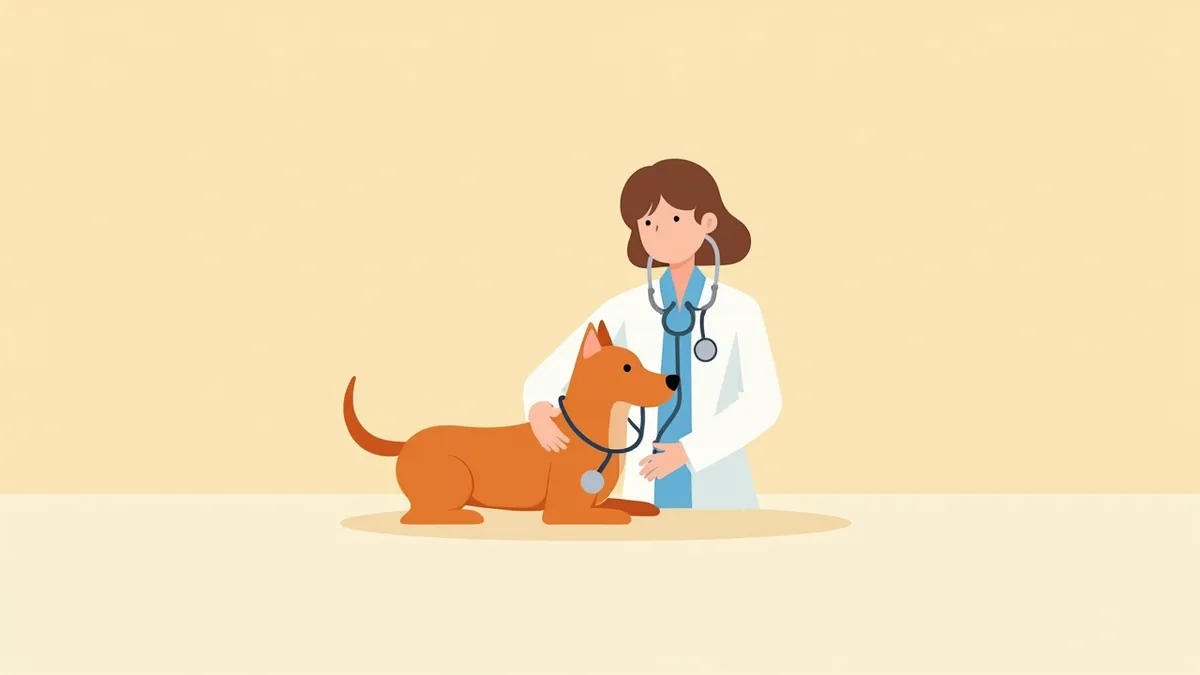
A veterinarian listening to a puppy’s lungs with a stethoscope
Lung auscultation findings in dogs are the results of a veterinarian listening to and analyzing the sounds produced by the lungs and airways using a stethoscope. These findings provide important clues for the early detection of respiratory diseases and are typically performed when symptoms such as coughing, difficulty breathing, or decreased activity levels are present. Auscultation findings are interpreted based on the veterinarian’s experience and clinical judgment, and should be considered alongside additional tests such as radiography, blood tests, and bronchial bacterial cultures rather than used alone for diagnosis. Even in healthy dogs, regular auscultation can help monitor changes in findings, which may provide opportunities for early intervention.

Warning Signs to Watch For When Auscultation Findings Are Abnormal

If the auscultation findings are abnormal, there are several warning signs pet owners should watch for. Immediate veterinary care is necessary if your pet exhibits coughing, difficulty breathing, decreased activity levels, or foaming at the mouth. Symptoms that worsen at night or after exercise may indicate a serious respiratory condition. If the veterinarian hears rough or unusual recurring sounds through the stethoscope, further diagnostic testing is required. Early detection significantly improves the success rate of treatment.
A puppy showing signs of difficulty breathing

Types of Major Auscultation Findings and Their Meanings
There are various types of lung auscultation findings in dogs. While each sound may suggest the possibility of a respiratory disease, additional tests beyond auscultation are necessary for an accurate diagnosis. For example, coarse or crackling sounds may be heard during chest auscultation, but these only indicate potential conditions such as bronchitis or pneumonia and must be confirmed through radiography or blood tests. Wheezing may signal airway narrowing or asthma, but a veterinarian’s comprehensive assessment is essential. Since certain sounds may be faint or absent in the early stages of disease, a veterinarian must carefully evaluate multiple areas through auscultation to make an accurate judgment.
A close-up shot of a veterinarian listening to a puppy's lungs with a stethoscope.

Comparison of Major Diseases and Characteristics by Auscultation Findings

ItemMain ConditionsCharacteristicsManagement Approach
Coarse soundsBronchitis, bronchiectasis, tracheobronchomalaciaCoughing, phlegm, breathing difficultyAfter additional testing, bronchial protection depending on symptoms and antibiotic treatment if needed
Crackling soundsPneumonia, pulmonary edemaBreathing difficulty, accompanied by systemic symptoms such as lethargy and decreased appetiteTreatment based on cause after radiography and blood tests
Whistling soundsAirway stenosis, bronchial inflammation, airway collapseSymptoms worsen after exercise, breathing difficultyAfter additional testing, consider medication or surgical treatment depending on the cause
Diminished soundsPleural effusion, pneumothorax, emphysemaBreathing difficulty, decreased activity, mouth turning blueImmediate examination and emergency measures needed

Auscultation findings are an important clue for diagnosing conditions, but must always be considered alongside additional testing.

Situations Requiring Immediate Veterinary Visit

If your dog is having trouble breathing, foaming at the mouth, has a bluish tint to its mouth, or appears confused, you should take it to the vet immediately. This could be a life-threatening emergency. Especially if the lung sounds are severely abnormal, prompt veterinary care is essential. Since a veterinarian's judgment is crucial, it's safest for pet owners to avoid making their own assessments and seek professional help right away.

Tips for Accurately Understanding Auscultation Findings
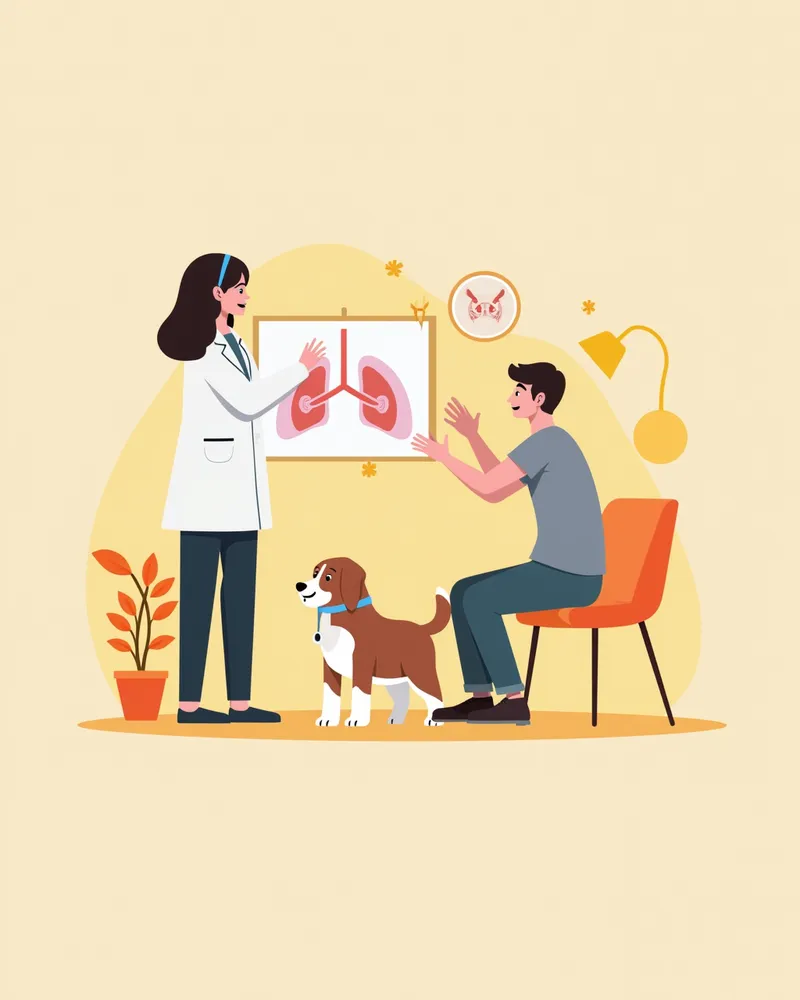
To fully understand auscultation findings, clear communication with your veterinarian is essential. If the findings are abnormal, be sure to ask which conditions are suspected and what additional tests may be needed. - Location of the sound: Precisely identify where the sound heard through the stethoscope is originating. - Characteristics of the sound: Note specific features, such as splitting, roughness, or frequency. - Recording methods: Recording the veterinarian’s explanation on your smartphone or jotting down brief notes in a memo app can be very helpful. Accurate information plays a crucial role in developing an effective treatment plan. - Dialogue with your veterinarian: Feel free to ask questions about the findings at any time. If any terms are unclear, please ask for further explanation. It is especially important to confirm the diagnostic direction and testing plan when auscultation findings are abnormal.
A scene in which a veterinarian explains the findings from a lung auscultation to a pet owner.

Correlation Between Auscultation Findings and Other Tests
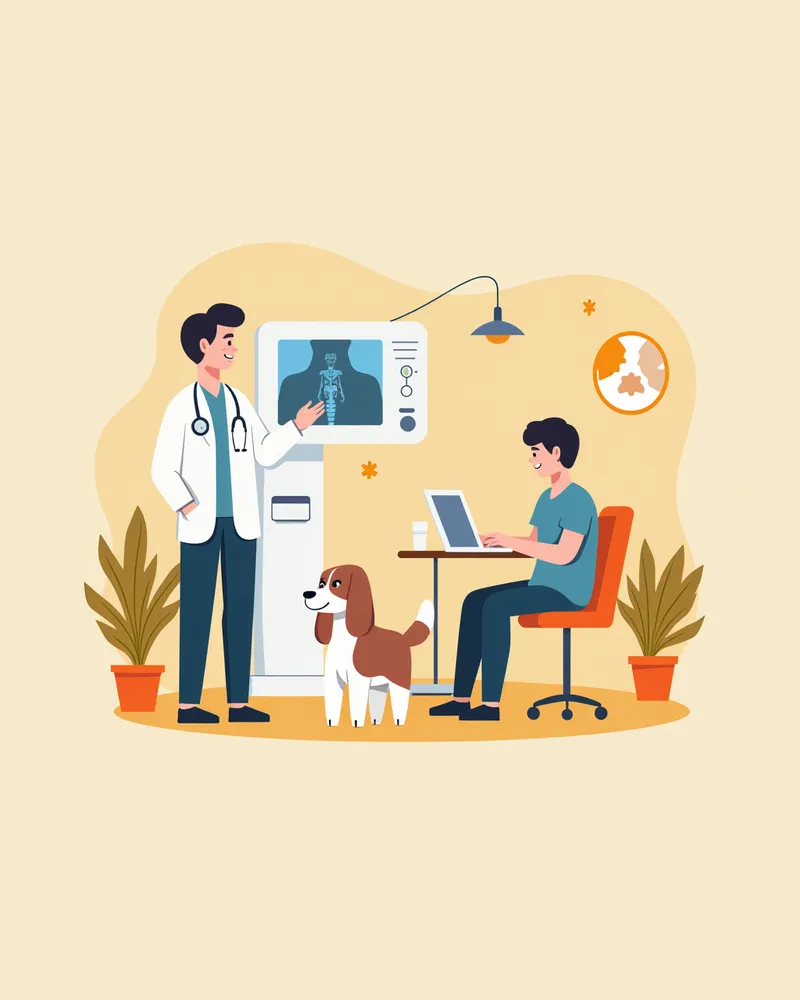
Auscultation alone has limitations for making a definitive diagnosis. It must always be considered alongside radiographs, blood tests, and bronchial bacterial cultures, among other assessments. For instance, even if crackling sounds are heard during auscultation, the lungs may appear normal on X-rays. Conversely, lung inflammation may be present even when auscultation findings are normal. Veterinarians arrive at an accurate diagnosis by synthesizing results from multiple tests. It is important for pet owners to carefully review these test results.
A veterinarian analyzing various test results

Pet Owner Checkpoints Based on Auscultation Findings

Based on your dog’s lung auscultation findings, there are several key points for you to monitor at home. - Daily Observation: Keep a record of how many times your dog coughs each day and how fast their breathing rate is. - Response to Activity: Check if your dog becomes excessively tired or short of breath after walks. - Sound Characteristics: Note the location, intensity, and duration of any sounds your veterinarian mentions during auscultation. - Tracking Changes: It is important to compare findings across regular check-ups to identify any changes. - Emergency Preparedness: If the findings are abnormal, consider in advance whether to visit the clinic immediately if symptoms worsen. Accurate monitoring provides an opportunity for early intervention.
A pet owner recording their dog's breathing pattern

Reviewed by a veterinarian

Dr. Tony — Punnawat Phongkittirak

Dr. Tony — Punnawat Phongkittirak

Veterinarian

A veterinarian who majored in veterinary medicine at Khon Kaen University, Thailand, and completed the IVSA program at North Carolina State University in the United States. Drawing on clinical experience at animal hospitals, he works in the pet healthcare field and is dedicated to building a digital care environment that connects pet parents with veterinarians.

Frequently Asked Questions

Your pet keeps coughing even though the auscultation findings are normal?
Even if the auscultation findings are normal, persistent coughing may indicate underlying causes such as bronchitis, allergies, airway irritation, or aspiration pneumonia. Further diagnostic testing is necessary.
The auscultation findings are abnormal, yet there are no symptoms?
Early-stage disease may present no symptoms. Abnormal findings on auscultation can be an early warning sign, so it’s a good idea to follow your veterinarian’s recommendations for additional testing.
Should I have my pet’s heart and lung sounds checked regularly?
Especially for senior dogs or those with a history of respiratory conditions, it’s recommended to include lung auscultation during regular health check-ups. The frequency of check-ups (e.g., every six months) may vary depending on individual circumstances, so it’s best to consult with your veterinarian.
If the auscultation findings are abnormal, is there anything I can do at home?
There’s only so much you can do at home. The most important thing is to keep track of your pet’s breathing and visit the vet immediately if symptoms worsen.
Should I give medication if the auscultation findings are abnormal?
Never give your pet medication without a veterinarian’s diagnosis. Abnormal findings from auscultation are merely clues that help determine the direction of treatment, not a treatment in themselves. Medications should only be used under a veterinarian’s prescription after a proper diagnosis.

Share

Related Guides

References

[1] Canine and Feline Respiratory Medicine, 3rd Edition, 2020

[2] Textbook of Respiratory Disease in Dogs and Cats, 2019

[3] Small Animal Cytologic Diagnosis Canine and Feline Disease, 2nd Edition, 2020

This information is based on veterinary literature and does not replace diagnosis or treatment. Please consult a veterinarian for specific health concerns.

Metapet Co., Ltd. | CEO: Park Sung-yong | Business Reg. No. 417-88-02562 | Seoul, South Korea | Customer Center

Dog Lung Auscultation Findings: 5 Essential Questions for Pet Owners | Meongsiljang