Like
Share
멍실장
강아지 비강 종양 자주 묻는 질문 Q&A — 보호자가 꼭 알아야 할 핵심

Dog Nasal Tumors FAQ — Key Information Every Pet Owner Should Know

RespiratoryQ&AMeongsiljang Veterinary Advisory Board

Nasal tumors in dogs are often difficult to detect early due to their vague initial symptoms. We’ve compiled the essential information every pet owner should know in a Q&A format.

What Are Dog Nasal Tumors?

Location of nasal tumors in dogs: the inner contours of the nose
Nasal tumors in dogs are malignant growths that develop in the mucous membranes or bones inside the nose. Of all nasal malignant tumors, 60–75% are epithelial tumors, with adenocarcinoma, lymphosarcoma, and undifferentiated carcinoma being the most common. These tumors primarily occur in older dogs, and early signs often begin as chronic nasal discharge and epistaxis (nosebleeds) originating from one nostril. - Characteristics of nasal tumors: The tumors are locally invasive and grow progressively, leading to symptoms such as nasal discharge, epistaxis, facial deformity, increased tearing and ocular discharge, and respiratory issues. - Risk factors: Dogs with long snouts (dolichocephalic and mesocephalic breeds) have a higher risk of nasal cancer, while brachycephalic breeds are reported to have a relatively lower risk. Breeds such as Whippets and Dachshunds are frequently cited as predisposed. - Importance of early detection: Because symptoms can be vague and easily overlooked, any persistent nasal symptoms warrant a veterinary examination. Early intervention is crucial for managing symptoms through treatments like radiation therapy and improving the dog’s quality of life.

What Are the Main Causes of Nasal Tumors?
While the exact cause of nasal tumors remains unclear, it is likely that multiple risk factors interact to contribute to their development. - Age: These tumors are more commonly observed in older, senior dogs. - Skull shape and breed: Dogs with long or medium snouts (dolichocephalic and mesocephalic breeds) have a higher risk of nasal cancer, while brachycephalic (short-nosed) breeds tend to have a lower risk. Breeds such as Whippets and Dachshunds are frequently cited as being more susceptible. - Environmental factors: Prolonged exposure of the nasal mucosa (turbinates) to harmful substances like smoke and dust is considered a risk factor. - Tumor characteristics: Approximately 60–75% of malignant nasal tumors are epithelial in origin, with adenocarcinoma, lymphosarcoma, and undifferentiated carcinoma being the most common types. - Important note: Rather than a single definitive cause, nasal tumors are understood to result from the combined effect of multiple factors that increase the risk of development.
Risk factors for nasal tumors in dogs: exposure to environmental pollutants

What Are the Main Symptoms of Nasal Tumors?

Early signs of nasal tumors in dogs often begin with chronic nasal discharge and nosebleeds (epistaxis) originating from one nostril. The discharge can vary from serous to mucopurulent or bloody. - Early signs: Be alert if you notice recurrent discharge from one nostril or occasional nosebleeds. - Moderate-stage symptoms: Sneezing, snorting sounds, reverse sneezing, ocular discharge, facial deformity, or changes in the nasal planum may appear. - Advanced symptoms: Discharge may spread to both nostrils, accompanied by weight loss, decreased appetite, and even neurological signs. - Characteristic pattern: Symptoms typically start in just one nostril, making them easy for owners to overlook. - Importance of early detection: We recommend visiting a veterinary clinic immediately if any symptoms persist, even mildly. Early diagnosis significantly influences treatment planning.
Symptoms of nasal tumors in dogs: swelling and discharge from one nostril

Signs Requiring Immediate Veterinary Visit

If your pet experiences recurrent nosebleeds, persistent discharge from one nostril, facial deformity or asymmetry, or difficulty breathing, seek veterinary care immediately. These symptoms may indicate a malignant nasal tumor, so early diagnosis through imaging tests such as CT scans and biopsies is crucial for effective treatment.

How Are Nasal Tumors Diagnosed?
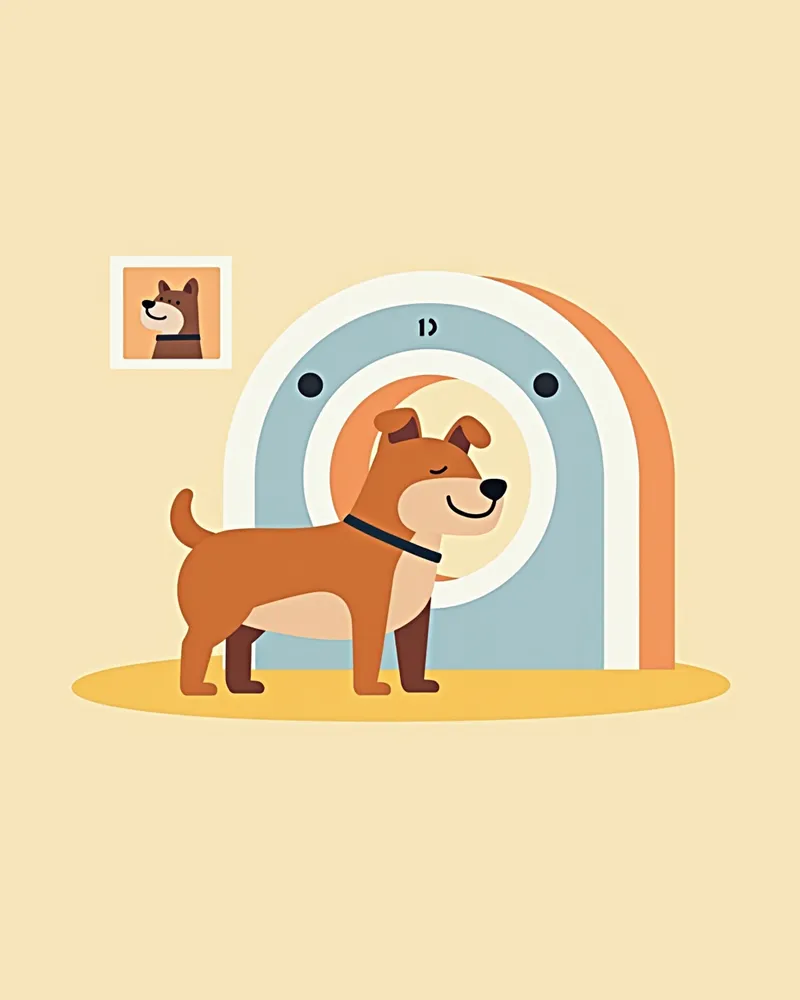
Nasal tumors require a series of diagnostic steps for an accurate diagnosis. - Initial Assessment: We examine the nature of nasal discharge and perform basic tests to rule out other causes, such as infections or clotting disorders. - Imaging Studies: CT or MRI scans are used to determine the tumor’s location, size, and extent of bone invasion. CT is especially recommended as a key tool for staging and planning radiation therapy. - Endoscopy (Rhinoscopy): This allows direct visualization of the nasal cavity to identify the affected areas. - Tissue Biopsy: A tissue sample is taken from the tumor to confirm whether it is malignant and to determine the specific tumor type. - Comprehensive Evaluation: We combine biopsy results with imaging findings to establish a treatment plan, which may include surgery, radiation therapy, or chemotherapy. An accurate diagnosis is essential for selecting the most appropriate treatment.
Diagnosing Nasal Tumors in Dogs: The CT Scan Process

What Are the Treatment Options for Nasal Tumors?

Treatment for nasal tumors depends on the tumor’s nature, location, size, and the dog’s overall health. - Radiation therapy: This is the primary and most commonly used treatment for nasal tumors. Because surgery alone does not improve symptoms or survival time, radiation therapy is central to management, using either palliative or curative protocols to control symptoms. - Surgical treatment: Surgery has limitations as a standalone treatment and is typically used as an adjunctive measure (debulking) to reduce residual tumor after radiation therapy. - Chemotherapy: This is used when radiation is difficult to administer or when combined therapy is necessary. There are reports of using doxorubicin and carboplatin together with piroxicam. - Supportive care: Management to improve quality of life, such as pain control and nutritional supplementation, is also provided. - Treatment goals: The focus is on extending survival time and improving quality of life rather than achieving a cure, with treatment plans tailored individually for each patient.
Treating Nasal Tumors in Dogs: Radiation Therapy Session

Comparison of Nasal Tumor Treatments

ItemTiming of ApplicationEffectivenessSide Effects
SurgeryMainly adjunctive purpose to reduce remaining tumor after radiation therapyLow (limited effect on symptoms/survival when used alone)Moderate
Radiation therapyPrimary treatment for nasal tumors, when surgery is not possible or combined before/after surgeryVery high (symptom control and extended survival)Moderate
ChemotherapyWhen radiation is difficult or combination is neededModerate (varies by tumor type)Low

Treatment choices should be decided after consulting a veterinarian. The nature of the tumor and the dog's overall health status must be considered together.

Precautions Before Treatment

During radiation therapy, your pet may experience skin irritation, mouth ulcers, and a decreased appetite. It’s important to closely monitor their nutritional status and emotional well-being throughout the treatment period. The veterinarian will regularly check their weight and overall condition, adjusting the treatment plan as needed.

Reviewed by a veterinarian

Dr. Tony — Punnawat Phongkittirak

Dr. Tony — Punnawat Phongkittirak

Veterinarian

A veterinarian who majored in veterinary medicine at Khon Kaen University, Thailand, and completed the IVSA program at North Carolina State University in the United States. Drawing on clinical experience at animal hospitals, he works in the pet healthcare field and is dedicated to building a digital care environment that connects pet parents with veterinarians.

Frequently Asked Questions

Can nasal tumors in dogs be cured?
Nasal tumors are generally considered incurable, so the primary goals of treatment are to extend survival and improve quality of life. Surgery alone typically does not improve symptoms or survival rates, making radiation therapy the cornerstone of treatment. While radiation can help manage symptoms and allow some pets to live for a relatively long time, a complete cure remains rare.
Can nasal tumors be transmitted to other dogs?
No. Nasal tumors are not known to be contagious. They are understood to result from a combination of factors, including advanced age, skull shape, breed predisposition, and environmental influences.
Which breeds are at higher risk for nasal tumors?
Nasal cancer is more common in dogs with long or medium snouts, such as Whippets and Dachshunds, while short-nosed breeds are at relatively lower risk. Older dogs are also at higher risk.
What is the prognosis for nasal tumors?
With curative-intent radiation therapy, median survival times have been reported to range from approximately 8 to 20 months. However, because the risk of recurrence is high and a complete cure is difficult to achieve, regular check-ups are essential. Some studies also indicate that survival times may be shorter in cases accompanied by nosebleeds (epistaxis).
If a nasal tumor is suspected, what tests should be performed?
First, we perform nasal discharge tests and head X-rays. If suspicion is high, we proceed with CT or MRI for a more precise diagnosis. We need to confirm the nature of the tumor through endoscopy and biopsy before we can develop a treatment plan.

Share

Related Guides

References

[1] Withrow, S.J., et al. (2019) Veterinary Surgical Oncology, 2nd Edition. Elsevier.

[2] Plumb's Veterinary Drug Handbook, 9th Edition (2022). Wiley-Blackwell.

[3] BSAVA Manual of Canine and Feline Dermatology, 4th Edition (2021). BSAVA Publications.

This information is based on veterinary literature and does not replace diagnosis or treatment. Please consult a veterinarian for specific health concerns.

Metapet Co., Ltd. | CEO: Park Sung-yong | Business Reg. No. 417-88-02562 | Seoul, South Korea | Customer Center

5 Common Questions About Nasal Tumors in Dogs | Meongsiljang